
Houseplants and Feng Shui: Best Plants for Positive Energy in Every Room
Discover how to use houseplants to improve the energy flow in your home according to feng shui principles. Learn which plants to place where for harmony and prosperity.
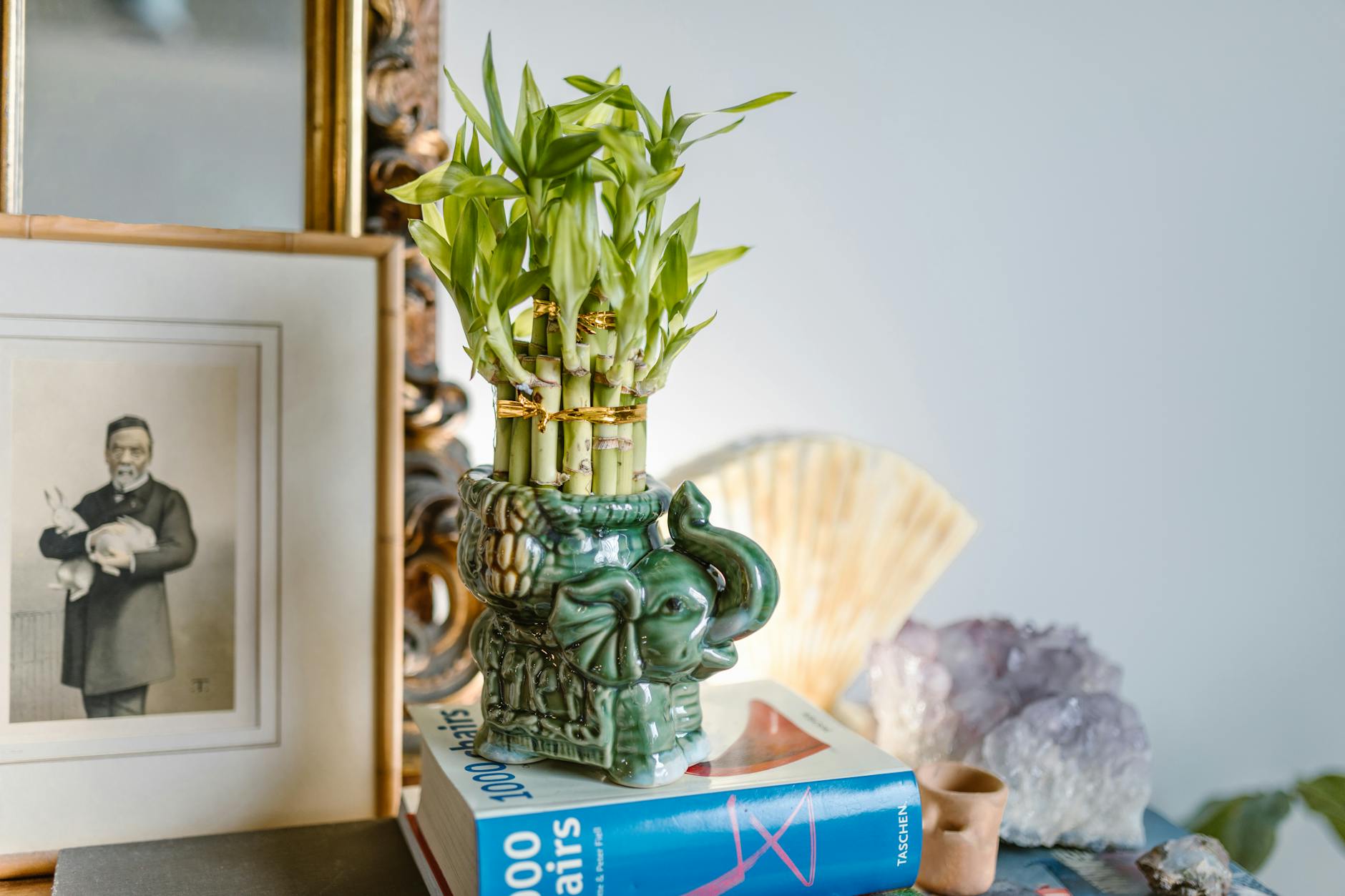
Feng shui, the ancient Chinese art of arranging living spaces, has long recognized the power of plants to channel positive energy — or “chi” — through a home. Whether you’re a feng shui devotee or simply want to create a more harmonious living space, understanding the principles behind plant placement can transform the feel of your rooms.
The Basics of Feng Shui and Plants
In feng shui, plants represent the Wood element, which symbolizes growth, vitality, and new beginnings. Living plants bring vibrant, upward-moving energy that can:
- Purify stagnant energy in neglected corners
- Soften sharp edges of furniture and architecture
- Bridge transitions between rooms
- Attract prosperity and good fortune
- Promote healing and well-being
Key Principles
- Healthy plants only — dying or neglected plants create negative energy. If a plant isn’t thriving, move it to better conditions or replace it.
- Rounded leaves are preferred — soft, rounded shapes promote gentle, flowing energy. Spiky plants can be used strategically but should be placed carefully.
- Odd numbers — grouping plants in odd numbers (3, 5, 7) creates better energy flow.
- Size matters — plant size should be proportional to the room. A tiny plant in a large room gets lost; an oversized plant in a small room creates oppressive energy.
Best Plants for Each Room
Living Room — Social Energy and Prosperity
The living room is where family gathers and guests are welcomed. Plants here should promote warmth and abundance.
Best choices:
- Monstera — large, rounded leaves symbolize growth and abundance
- Jade Plant — known as the “money plant,” traditionally placed near entrances for prosperity
- Rubber Plant — round leaves attract wealth and positive energy
- Fiddle Leaf Fig — large presence that anchors a room’s energy
Placement tip: Place a lush plant in the “wealth corner” — the far-left corner from the main entrance of the room.
Bedroom — Rest and Relationships
The bedroom should promote calm, restful energy. Choose plants carefully here — feng shui traditionally advises fewer plants in bedrooms.
Best choices:
- Peace Lily — purifies air and promotes tranquility
- Snake Plant — releases oxygen at night, improving sleep quality
- Lavender — calming scent promotes relaxation
- Aloe Vera — believed to absorb negative energy
Placement tip: Keep plants away from the bed. Place them on a windowsill or dresser where they won’t disrupt sleep energy.
Kitchen — Health and Nourishment
The kitchen represents nourishment and health. Herb plants are ideal here.
Best choices:
- Fresh herbs (basil, rosemary, mint)
- Pothos — purifies air near cooking areas
- Aloe Vera — practical for minor kitchen burns
- Small succulents on windowsills
Placement tip: Keep plants near the window and away from the stove. The kitchen already has the Fire element from cooking — Wood (plants) feeds Fire, which can create imbalance.
Bathroom — Cleansing Energy
Bathrooms have strong Water energy, and plants help balance this.
Best choices:
- Boston Fern — thrives in humidity, absorbs excess water energy
- Calathea — loves bathroom humidity
- Bird’s Nest Fern — perfect for low-light bathrooms
- Bamboo — classic feng shui plant for Water areas
Placement tip: Place plants on shelves or windowsills. Living plants in bathrooms convert draining water energy into growth energy.
Home Office — Focus and Career
Your workspace needs plants that promote concentration and career growth.
Best choices:
- Snake Plant — protective energy, filters air
- ZZ Plant — symbolizes steadiness and growth
- Bamboo — represents flexibility and resilience
- Chinese Evergreen — brings luck and positive energy
Placement tip: Place a plant on your desk or in the far-left corner of your office (wealth corner). Avoid cacti on your desk — their spiky energy can increase stress.
Entryway — First Impressions
The entrance is where energy enters your home. Make it welcoming.
Best choices:
- Jade Plant — traditionally placed by front doors for prosperity
- Rubber Plant — welcoming, positive presence
- Parlor Palm — creates a warm, inviting atmosphere
Placement tip: Place healthy, vibrant plants on either side of the entrance. Avoid blocking the doorway.
Plants to Use with Caution in Feng Shui
Cacti and Succulents with Spines
Spiky plants project sharp energy (“sha chi”). They’re not bad — they can actually protect against negative energy when placed near windows or outside entrances. Just don’t place them in social areas or bedrooms.
Dried or Artificial Plants
In feng shui, dead or fake plants represent stagnant or lifeless energy. Always prefer living plants. If you must use artificial plants, keep them impeccably clean.
Bonsai Trees
While beautiful, bonsai trees represent restricted growth in feng shui. They’re best avoided in spaces where you want expansion and abundance.
Quick Feng Shui Plant Checklist
- Keep all plants healthy and well-maintained
- Remove dead leaves and flowers promptly
- Clean dusty leaves regularly
- Avoid overcrowding rooms with too many plants
- Match plant size to room proportions
- Group in odd numbers when possible
- Use rounded-leaf plants in social spaces
- Place prosperity plants (jade, monstera) in wealth corners
Creating Your Green Sanctuary
You don’t need to be a feng shui expert to benefit from these principles. At its core, feng shui is about creating spaces that feel good — and there’s nothing quite like the feeling of a home filled with thriving, healthy plants.
Browse our plant collections to find the perfect plants for every room in your home.