
Pothos Care Guide: Complete Instructions for Epipremnum Aureum
Learn how to care for Pothos plants with our comprehensive guide covering light, watering, propagation, and maintaining healthy trailing growth indoors.
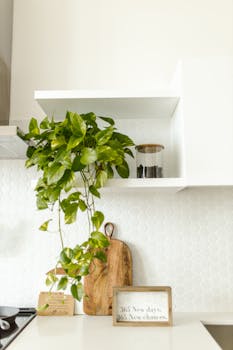
Quick Care Guide
Low to bright indirect light
When top inch of soil is dry (every 1-2 weeks)
40-60% preferred, tolerates low humidity
65-85°F (18-29°C)
Well-draining potting mix
Monthly during growing season
Keep away from cats, dogs, and children
Pothos, scientifically known as Epipremnum aureum, has earned its rightful place as a beloved houseplant among plant enthusiasts and novices alike. Its adaptability, resilience, and striking appearance make it a favored choice for indoor spaces. With its charming heart-shaped leaves cascading gracefully from trailing vines, Pothos not only beautifies your home but also serves as a natural air purifier, filtering toxins and improving indoor air quality. Whether you are looking to brighten up a dim corner or adorn a bookshelf with lush greenery, this easy-care plant is an ideal companion that can thrive in various conditions.
One of the most appealing aspects of Pothos is its forgiving nature. It is often recommended for those who may not have the greenest of thumbs, as it can tolerate a range of light conditions and does not demand constant attention. However, like any living organism, it does have its preferences and care requirements that, when met, will ensure your Pothos remains healthy and vibrant. In this guide, we will delve into the essential care practices for your Pothos, covering everything from light and water needs to propagation methods and common issues you may encounter.
By the end of this comprehensive guide, you will be equipped with the knowledge necessary to cultivate a thriving Pothos plant that not only enhances your living space but also adds a touch of nature to your indoor environment. So, let’s embark on this journey to understand and nurture your Pothos, the charming and resilient houseplant that many have come to adore.
Getting to Know Your Plant
Understanding your Pothos plant begins with appreciating its origins and characteristics. Native to the tropical jungles of French Polynesia, Epipremnum aureum is a climbing vine that often attaches itself to trees, using its aerial roots to ascend in search of sunlight. This natural inclination to climb and trail makes it an excellent choice for hanging baskets, shelves, or even as a tabletop centerpiece. With its ability to grow several feet long, Pothos provides a lush, green look that can transform any space into a vibrant oasis.
Pothos comes in various cultivars, each boasting unique leaf patterns and colors, from the classic green to variegated varieties like ‘Golden Pothos’ and ‘Marble Queen.’ These variations not only add visual interest but also allow you to select a Pothos that complements your personal style and home decor. Regardless of the type you choose, the fundamental care requirements remain largely the same, making it easy to cater to your plant’s needs.
Light Requirements
One of the most significant advantages of Pothos is its adaptability to different lighting conditions. While this plant thrives best in bright, indirect light, it can also flourish in low-light environments, making it a perfect candidate for dimly lit rooms or offices. In fact, Pothos is often touted as one of the best low-light houseplants, able to tolerate medium to low light conditions without sacrificing its lush appearance. However, it is essential to remember that prolonged exposure to direct sunlight can scorch the leaves, leading to unsightly brown patches.
To ensure your Pothos reaches its full potential, aim to place it near a window where it can receive filtered light. If you notice that your plant’s growth is becoming leggy or the leaves are losing their vibrant color, it may be a sign that it requires more light. Conversely, if the leaves are fading or developing brown edges, consider moving your plant to a location with less direct sunlight. Striking the right balance will encourage robust growth and maintain the health of your Pothos.
Watering Guidelines
Watering is a crucial aspect of Pothos care that can significantly impact its overall health. This plant prefers a watering schedule that allows the top inch of soil to dry out between waterings, typically every one to two weeks. Overwatering is one of the leading causes of plant distress, often resulting in yellowing leaves and root rot. Therefore, it is essential to establish a routine that aligns with the moisture needs of your Pothos.
To determine when to water, gently insert your finger into the soil. If the top inch feels dry to the touch, it is time to provide your plant with a good soak. Ensure that excess water drains from the pot’s bottom, as sitting water can lead to root problems. During the winter months, you may find that your Pothos requires less frequent watering due to slower growth rates and reduced evaporation. In contrast, during the growing season, you may need to adjust your watering schedule based on the plant’s response to increased light and warmth.
Soil and Potting Requirements
Choosing the right soil and potting arrangement is vital for a thriving Pothos. A well-draining potting mix is essential to prevent water from pooling around the roots, which can lead to rot. Look for a high-quality commercial potting mix specifically designed for houseplants, or create your own blend by combining standard potting soil with perlite or orchid bark to enhance drainage.
When potting your Pothos, select a container with drainage holes to allow excess water to escape. This will help maintain the appropriate moisture levels in the soil. As your Pothos grows, it may become root-bound, necessitating a larger pot to encourage further growth. When repotting, choose a container that is one size larger and refresh the soil to provide fresh nutrients. This not only promotes healthy growth but also prevents the plant from becoming stressed from being confined to a small space.
Temperature and Humidity
Pothos thrives in a comfortable indoor environment, preferring temperatures between 65°F and 85°F (18°C to 29°C). It is essential to protect your plant from extreme temperature fluctuations and cold drafts, as these can hinder growth and cause stress. Ideally, keep your Pothos in a stable environment away from air conditioning vents, heaters, or open windows during chilly weather.
In terms of humidity, Pothos is quite adaptable and can tolerate humidity levels as low as 40%. However, for optimal growth and leaf health, a humidity level of 40-60% is preferred. If you live in a particularly dry climate or are using heating systems in the winter, consider using a humidifier or placing a water tray with pebbles beneath your plant to increase humidity levels. Regular misting can also be beneficial, particularly during the growing season, as it helps to keep the leaves clean and facilitates photosynthesis.
Fertilizing Schedule
To encourage vigorous growth and a lush appearance, incorporating a fertilizing routine is crucial during the growing season, which typically spans from spring to early fall. Applying a balanced, water-soluble fertilizer monthly will provide your Pothos with the necessary nutrients to thrive. Look for a fertilizer with equal parts nitrogen, phosphorus, and potassium, often labeled as a 20-20-20 formula.
During the winter months, when growth slows down, you can reduce or even eliminate fertilizing, as your plant will not require the same level of nutrients when it is not actively growing. Always follow the manufacturer’s instructions on the fertilizer package and avoid over-fertilizing, which can lead to salt buildup in the soil and potentially harm your plant.
Propagation Methods
One of the most rewarding aspects of caring for Pothos is its ease of propagation. If you’re looking to expand your collection or share your plant with friends, you will be pleased to know that propagation can be done effortlessly through stem cuttings. Begin by selecting a healthy vine on your existing plant and cutting it just below a node, the small bump on the stem where leaves emerge. Ideally, aim for a cutting that is at least four to six inches long and has a few leaves attached.
Once you have your cutting, place it in a container filled with water, ensuring that the node is submerged while the leaves remain above the waterline. After a few weeks, you will begin to notice roots forming. When the roots are a few inches long, you can transfer the cutting into soil to continue its growth journey. Alternatively, you can propagate directly in soil by planting the cutting in a well-draining potting mix, keeping the soil moist until roots develop. This simple method allows you to create new plants and enjoy the satisfaction of nurturing them from the very beginning.
Common Problems and Solutions
Even with the best care, your Pothos may still encounter a few common issues. One of the most frequent problems is yellowing leaves, which can indicate overwatering or underwatering. To address this, check the soil moisture and adjust your watering habits accordingly. If you find that yellow leaves persist, consider examining the roots for signs of rot and repotting if necessary.
Another issue may be leggy growth, often a result of insufficient light. If you find your Pothos growing long and spindly with fewer leaves, it may be time to move it to a brighter location. To promote a fuller appearance, pinch or cut back the growing tips, encouraging branching and bushier growth.
Pests can also pose a threat to your Pothos. Common culprits include spider mites, mealybugs, and aphids. Regularly inspecting your plant for signs of infestation and taking immediate action can prevent larger problems. You can often treat pests with a gentle soap solution or neem oil, ensuring that you thoroughly coat the affected areas.
Seasonal Care Adjustments
As seasons change, so too should your care routine for your Pothos. During the spring and summer months, when the plant is actively growing, it will benefit from more frequent watering and monthly fertilization. This is the time to encourage growth through adequate light and humidity.
As fall approaches and temperatures begin to drop, you may notice a slowdown in growth. This is a natural response to the changing environment, and it is wise to adjust your watering schedule accordingly, allowing the soil to dry out more between waterings. Additionally, reduce fertilization during the winter months, as your Pothos will require less energy to maintain its health.
In winter, ensure that your Pothos is not exposed to cold drafts or extreme temperature changes, as this can cause stress and hinder growth. You may also want to increase humidity levels indoors, especially if you are using heating systems that can dry out the air.
In conclusion, caring for your Pothos plant is a rewarding endeavor that can enhance your living space and provide you with a sense of accomplishment. By paying attention to its light, water, temperature, and humidity needs, along with regular fertilization and propagation, you can cultivate a stunning and healthy Pothos that will flourish for years to come. Remember, each plant is unique, and observing your Pothos will help you understand its specific needs, ensuring that you create an ideal environment for growth. Embrace the journey of plant care, and enjoy the beauty and benefits that your Pothos brings to your home.
Safety Note: Pothos contains compounds that are toxic to cats, dogs, and humans if ingested. Keep plants out of reach of curious pets and small children. Contact a veterinarian or poison control center if ingestion occurs.
Frequently Asked Questions
How often should I water my Pothos? ▼
Water when the top inch of soil feels dry, typically every 1-2 weeks. Pothos prefer to dry out slightly between waterings but shouldn't stay dry for extended periods.
Can Pothos grow in low light? ▼
Yes, Pothos are among the best low-light houseplants. While they prefer bright, indirect light, they can tolerate and even thrive in medium to low light conditions.
How do I make my Pothos fuller and bushier? ▼
Pinch or cut the growing tips to encourage branching. You can also coil longer vines back into the pot or propagate cuttings to plant back in the same container.
Why are my Pothos leaves turning yellow? ▼
Yellow leaves can indicate overwatering, underwatering, or natural aging. Check soil moisture and adjust watering accordingly. Remove yellowing leaves to maintain plant health.
Are Pothos safe for pets? ▼
No, Pothos are toxic to cats and dogs due to calcium oxalate crystals. Keep them out of reach of pets and children who might chew on the leaves.
Was this guide helpful?
Your input helps us improve our guides.
How can we improve this guide?
Similar Plants You Might Like

Aglaonema Silver Bay Care Guide: Complete Instructions for Chinese Evergreen Beauty
Learn how to care for Aglaonema Silver Bay with our comprehensive guide covering light, watering, humidity, and maintaining stunning silver variegation in this easy-care houseplant.
Easy
Aloe Vera Care Guide: Complete Instructions for Aloe Barbadensis Miller
Learn how to care for Aloe Vera plants with our comprehensive guide covering light, watering, harvesting gel, and propagating pups for healthy growth.
Easy
Boston Fern Care Guide: Complete Instructions for Nephrolepis Exaltata
Learn how to care for Boston Ferns with our comprehensive guide covering humidity, watering, light requirements, and maintaining lush, cascading fronds indoors.
Moderate