
Parlor Palm Care Guide: Complete Chamaedorea elegans Instructions
Learn comprehensive Parlor Palm (Chamaedorea elegans) care including watering, light, humidity, and troubleshooting for this elegant pet-safe palm.
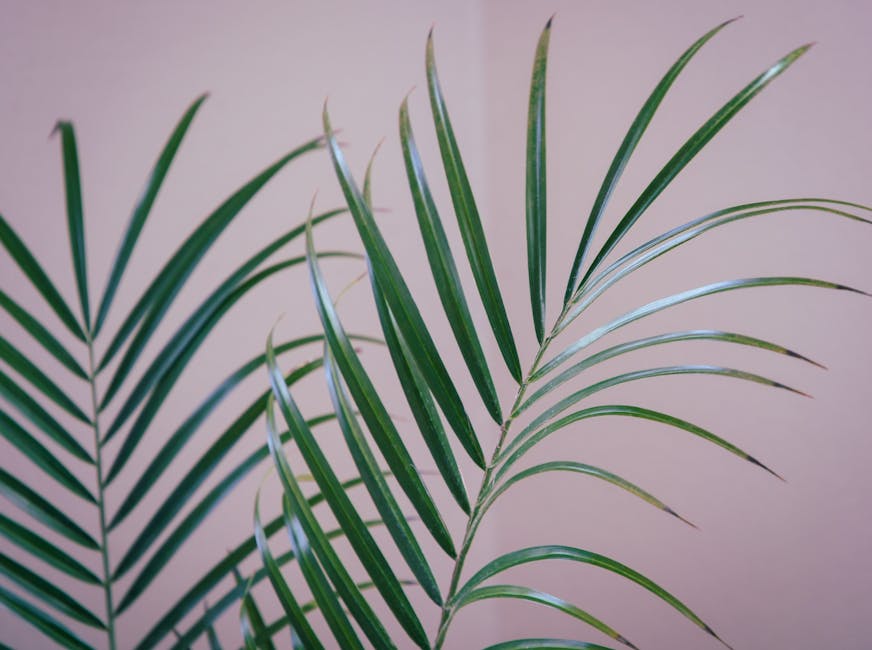
Quick Care Guide
Bright, indirect to low light
Water when top inch of soil is dry
Moderate to high humidity preferred
65-80°F (18-27°C)
Well-draining, peat-based potting mix
Monthly during growing season
Non-toxic to cats and dogs
The Parlor Palm, scientifically known as Chamaedorea elegans, is a delightful addition to any indoor space, celebrated for its graceful fronds and elegant stature. This charming palm is not only a feast for the eyes but also a symbol of tranquility and sophistication. Its adaptability makes it a popular choice for both seasoned plant enthusiasts and newcomers alike. As a houseplant, it thrives in various lighting conditions and is remarkably forgiving, making it an ideal selection for those who may not have the greenest of thumbs.
In addition to its aesthetic appeal, the Parlor Palm is also pet-safe, which means that pet owners can enjoy its beauty without the worry of toxicity. This attribute, combined with its relatively low care requirements, has led to its rising popularity in homes and offices around the world. If you’re looking to cultivate a lush oasis in your living or working space, this guide will provide you with all the essential information you need to ensure your Parlor Palm remains healthy and vibrant.
Caring for your Parlor Palm involves understanding its specific needs regarding light, water, humidity, and temperature. Each aspect plays a crucial role in the overall health of the plant, and mastering these requirements will reward you with a thriving specimen that can elevate the ambiance of any room. Now let us delve deeper into the intricacies of Parlor Palm care to help you nurture this stunning plant to its fullest potential.
Getting to Know Your Plant
The Parlor Palm is a member of the Arecaceae family and is native to the tropical rainforests of Central America. Its elegant, feathery fronds can reach impressive lengths, creating a lush canopy that adds a touch of the exotic to your interior decor. Typically, this palm grows slowly and can reach a height of about four feet when properly cared for. Its ability to adapt to low-light conditions makes it a favorite for indoor environments, particularly in offices and homes where natural light may be limited.
One of the most appealing aspects of Chamaedorea elegans is its non-toxic nature. This quality ensures that pet owners can enjoy the beauty of this palm without the fear of harmful effects on their furry companions. The leaves, which are a vibrant green, contribute to the air purification of your surroundings, making the Parlor Palm not only a decorative choice but also a healthy one. Understanding the characteristics of your Parlor Palm is the first step towards providing it with the care it needs.
Light Requirements
When it comes to lighting, the Parlor Palm is a versatile plant that can thrive in a variety of conditions. It prefers bright, indirect light, which mimics the dappled sunlight it would experience in its natural habitat. However, one of its most commendable features is its ability to adapt to low-light environments. This characteristic makes it an excellent choice for spaces with minimal natural light, such as offices or darker corners of your home. In fact, Parlor Palms can survive in spaces with only fluorescent lighting, making them a practical choice for workspaces.
While the Parlor Palm can tolerate low-light conditions, it is essential to strike a balance. Too little light may result in slower growth and a less vibrant appearance, while direct sunlight can scorch the leaves. If you notice your palm leaning towards the light source or the fronds becoming leggy, it may be a sign that it requires a bit more brightness. Ideally, placing your Parlor Palm near a window with filtered light or in a well-lit room with indirect sunlight will promote healthy growth and lush foliage.
Watering Guidelines
Watering is one of the most critical aspects of Parlor Palm care. This plant prefers consistently moist soil, but it is essential to strike a careful balance to avoid overwatering. The best practice is to check the top inch of the soil regularly; when it feels dry to the touch, it is time to water. Typically, this may mean watering every 7 to 10 days, but factors such as humidity and temperature can influence the frequency.
When you do water, ensure that the water seeps through the drainage holes at the bottom of the pot, allowing the roots to absorb the moisture they need. It is crucial to avoid waterlogging the soil, as this can lead to root rot—a common issue with many houseplants. If you notice the leaves of your Parlor Palm turning yellow or the tips browning, it may be a sign of overwatering or underwatering. Adjusting your watering schedule accordingly can help revive your plant to its former glory.
Soil and Potting Requirements
The choice of soil is fundamental to the health of your Parlor Palm. A well-draining, peat-based potting mix is ideal, as it provides the right balance of moisture retention and drainage. This type of soil allows the roots to breathe while preventing excess water from accumulating, which can lead to rot. When potting your Parlor Palm, ensure that the container has adequate drainage holes to facilitate proper drainage.
Repotting should be considered every couple of years or when you observe that roots are beginning to outgrow the pot. The best time for repotting is during the spring, which aligns with the plant’s natural growth cycle. When repotting, gently loosen the root ball and remove any dead or damaged roots. This process not only refreshes the soil but also encourages healthy growth as your Parlor Palm continues to thrive.
Temperature and Humidity
Temperature and humidity are crucial components of a healthy environment for your Parlor Palm. This plant thrives in temperatures ranging from 65°F to 80°F (18°C to 27°C). It is essential to keep your palm away from drafts, sudden temperature changes, or direct heat sources, as these conditions can stress the plant and hinder its growth. In particularly cold climates, it is advisable to bring your Parlor Palm indoors during winter months to protect it from frost.
Humidity is another vital factor for the Parlor Palm’s well-being. While it can tolerate average household humidity levels, it flourishes in moderate to high humidity. If you notice the tips of the leaves turning brown, this could indicate that the air is too dry for your palm. To increase humidity, consider using a humidifier, placing your palm on a pebble tray filled with water, or grouping it with other houseplants to create a microclimate. Alternatively, you can place your Parlor Palm in naturally humid areas of your home, such as a bathroom or kitchen, to provide the ideal environment for growth.
Fertilizing Schedule
To keep your Parlor Palm in peak condition, a regular fertilizing schedule is essential. During the growing season, which typically spans from spring to summer, you should feed your plant monthly with a balanced, water-soluble fertilizer. This practice will replenish the nutrients that are depleted in the soil and support robust growth. It is crucial to follow the manufacturer’s instructions regarding dilution rates to avoid over-fertilizing, which can lead to salt buildup and damage the roots.
During the fall and winter months, the growth of your Parlor Palm will slow down, and fertilizing can be reduced to every two to three months or even omitted altogether. This approach allows the plant to rest and conserve energy. Signs that your palm may benefit from fertilization include slow growth or pale leaves, which indicate nutrient deficiencies. By providing your Parlor Palm with the appropriate nutrients, you will promote healthy growth and a vibrant appearance.
Propagation Methods
If you find yourself enchanted by your Parlor Palm and wish to expand your collection, you may consider propagation. This elegant palm can be propagated through division, which is best done during the spring when the plant is actively growing. To propagate, carefully remove the palm from its pot and gently separate the root ball into smaller sections, ensuring that each division has at least one healthy frond and a sufficient root system.
After dividing, plant each section in its own pot filled with a well-draining potting mix. Water the newly potted divisions thoroughly and place them in a warm, humid environment to encourage root development. It is essential to monitor their progress and provide them with the same care as an established Parlor Palm. With patience and proper care, you will soon have new palms to enjoy or share with friends and family.
Common Problems and Solutions
As with any houseplant, the Parlor Palm may encounter a few common problems during its life cycle. One of the most frequent issues is browning leaf tips, which can be attributed to several factors, including low humidity, fluoride in tap water, or underwatering. To remedy this, consider using filtered water for your plant and increasing humidity levels around it. Grouping your Parlor Palm with other plants or using a humidifier can significantly improve its environment.
Another issue may arise in the form of yellowing leaves, often a sign of overwatering or nutrient deficiencies. If you notice yellow leaves, first assess your watering routine—ensure you are allowing the top inch of soil to dry out before watering again. If the soil is soggy, you may need to repot the plant into fresh soil to prevent root rot. Additionally, if you suspect a nutrient deficiency, a balanced fertilizer can help restore the necessary nutrients.
Pests, though not common, can also affect your Parlor Palm. Keep an eye out for mealybugs, spider mites, or scale insects. If you notice any pests, isolate the plant and treat it with insecticidal soap or a neem oil solution. Regularly inspecting your plant will help you catch any potential infestations early, allowing you to maintain the health of your Parlor Palm.
Seasonal Care Adjustments
As the seasons change, so too do the care requirements for your Parlor Palm. During the warmer months of spring and summer, your palm will enter its active growth phase, requiring more frequent watering and monthly fertilization. This is also the ideal time for repotting, as the plant can quickly adjust to its new environment and continue to thrive.
In contrast, as temperatures drop in the fall and winter, your Parlor Palm will slow down its growth. Adjust your watering schedule to reduce frequency, allowing the soil to dry out slightly more than in the warmer months. Fertilization should also be decreased during this time, as the plant conserves energy and focuses on maintaining its health rather than growing.
Additionally, be mindful of the humidity levels in your home during the winter months, as indoor heating can lead to drier air. Increasing humidity around your Parlor Palm will help it stay healthy and vibrant throughout the cooler months. By adapting your care routine to the changing seasons, you will ensure that your Parlor Palm remains a stunning centerpiece in your home for years to come.
In conclusion, caring for a Parlor Palm is a rewarding and fulfilling endeavor. With the right knowledge and practices, you can create an environment where this elegant palm flourishes, bringing beauty and tranquility to your space. Whether you’re a seasoned plant parent or just starting your indoor gardening journey, the Parlor Palm is a delightful choice that is sure to enhance your living environment. Embrace the joy of nurturing your plant, and enjoy the lush greenery that it brings to your home.
Safety Note: Parlor Palm is considered non-toxic to cats and dogs, making it a pet-friendly choice for households with furry companions. However, ingesting any plant material may cause mild stomach upset, so it’s still best to discourage nibbling.
Frequently Asked Questions
How often should I water my Parlor Palm? ▼
Water when the top inch of soil feels dry, typically every 7-10 days. Parlor Palms prefer consistently moist but not waterlogged soil.
Can Parlor Palms grow in low light? ▼
Yes, Parlor Palms are excellent low-light plants and can thrive in office environments with only fluorescent lighting.
Why are my Parlor Palm tips turning brown? ▼
Brown tips usually indicate low humidity, fluoride in water, or underwatering. Use filtered water and increase humidity around the plant.
Is Parlor Palm safe for pets? ▼
Yes, Parlor Palms are non-toxic to cats and dogs, making them excellent choices for pet-owning households.
How do I increase humidity for my Parlor Palm? ▼
Use a humidifier, place on pebble trays, group with other plants, or place in naturally humid rooms like bathrooms.
Explore Related Topics
Was this guide helpful?
Your input helps us improve our guides.
How can we improve this guide?
Similar Plants You Might Like

Aglaonema Silver Bay Care Guide: Complete Instructions for Chinese Evergreen Beauty
Learn how to care for Aglaonema Silver Bay with our comprehensive guide covering light, watering, humidity, and maintaining stunning silver variegation in this easy-care houseplant.
Easy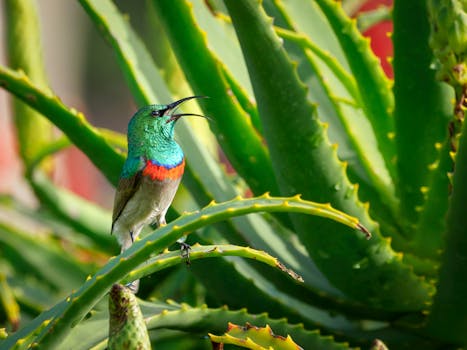
Aloe Vera Care Guide: Complete Instructions for Aloe Barbadensis Miller
Learn how to care for Aloe Vera plants with our comprehensive guide covering light, watering, harvesting gel, and propagating pups for healthy growth.
Easy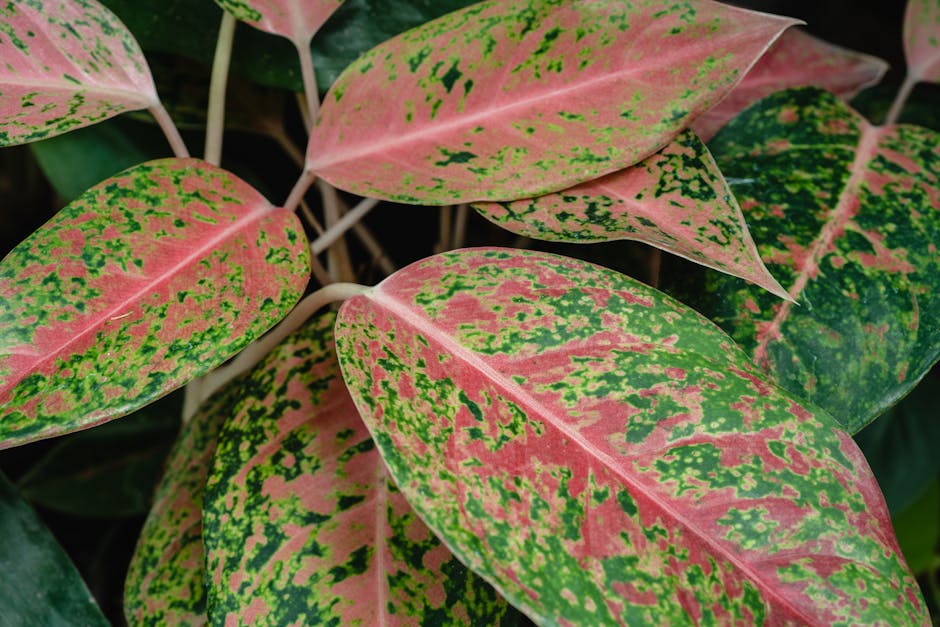
Chinese Evergreen Care Guide: Complete Aglaonema Instructions
Learn comprehensive Chinese Evergreen (Aglaonema) care including light tolerance, watering, colorful varieties, and troubleshooting for this adaptable houseplant.
Easy