
Peace Lily Care Guide: Complete Instructions for Spathiphyllum
Learn how to care for Peace Lilies with our comprehensive guide covering light, watering, flowering, and maintaining healthy growth indoors.
Quick Care Guide
Bright to medium indirect light
When top inch of soil is dry (every 1-2 weeks)
40-60% preferred, benefits from higher humidity
65-80°F (18-27°C)
Well-draining, moisture-retentive potting mix
Monthly during growing season
Keep away from cats, dogs, and children
The Peace Lily, scientifically known as Spathiphyllum, is not just a beautiful addition to any indoor space; it’s also revered for its air-purifying qualities. With its elegant white blooms and lush green foliage, the Peace Lily brings a touch of tranquility to homes and offices alike. While it may be categorized as a moderate-care plant, its requirements are fairly simple, making it an ideal choice for both seasoned plant enthusiasts and novice gardeners. In this comprehensive care guide, we will delve into the specifics of nurturing your Peace Lily, ensuring that it flourishes and remains a stunning focal point in your indoor garden.
Understanding the nuances of Peace Lily care is essential to unlocking its potential. From the ideal light conditions to proper watering practices, each aspect plays a crucial role in the growth and flowering of this captivating plant. Given its ability to adapt to various indoor environments, the Peace Lily can thrive even in lower light settings, but providing it with the right conditions will yield the best results. So, let’s embark on this journey to explore the essential elements of Peace Lily care, ensuring that your Spathiphyllum remains healthy and vibrant throughout its lifecycle.
Getting to Know Your Plant
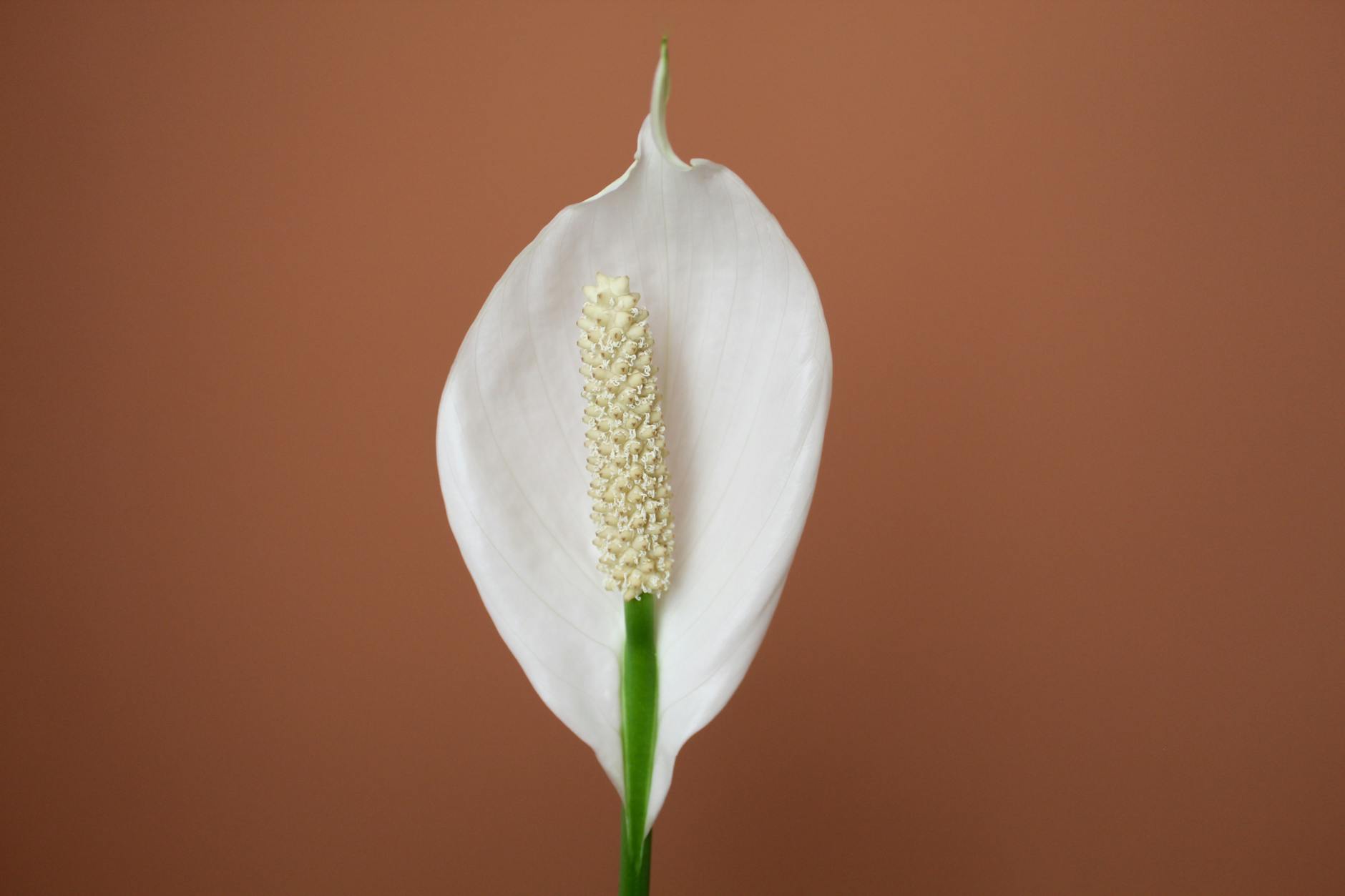
Before diving into the care specifics, it’s beneficial to understand what makes the Peace Lily a unique plant. Originating from the tropical regions of the Americas, Peace Lilies are evergreen perennials known for their striking white spathes, which are often mistaken for flowers. These spathes actually encase a spike called a spadix, which produces tiny flowers. As a member of the Araceae family, the Peace Lily is not just visually appealing; it also offers significant air-purifying benefits, effectively removing toxins like formaldehyde and benzene from the air.
In terms of growth habits, Peace Lilies tend to have a bushy appearance, with glossy dark green leaves that create a lush backdrop for their elegant blooms. They generally grow to about 1 to 4 feet in height, depending on the specific variety and growing conditions. This adaptability to various environments, coupled with its low-light tolerance, makes the Peace Lily a popular choice among plant lovers, particularly for indoor spaces where natural light may be limited. However, like all plants, Peace Lilies have their preferences, and understanding these can help you create a thriving home for your Spathiphyllum.
Light Requirements
Light is one of the most critical factors in the successful cultivation of a Peace Lily. While this plant is known for its resilience in low-light conditions, it truly thrives in bright, indirect light. Placing your Peace Lily near a window that receives filtered sunlight is ideal, as direct sunlight can scorch the leaves, leading to unsightly brown tips and reduced overall health. Conversely, insufficient light can hinder blooming and stunt growth, leaving you with a lush plant but without the stunning flowers that make Peace Lilies so desirable.
When growing your Peace Lily indoors, consider rotating the plant occasionally to ensure even light distribution, which promotes balanced growth. If you notice your Peace Lily stretching toward the light or becoming leggy, it may be a sign that it is not receiving enough brightness. In such cases, relocating the plant to a brighter spot while still protecting it from harsh direct sunlight can rejuvenate its growth and encourage blooming.
Watering Guidelines
Watering your Peace Lily correctly can significantly influence its health and vitality. These plants prefer consistently moist soil, but it’s crucial to avoid waterlogged conditions, which can lead to root rot. The general rule of thumb is to water your Peace Lily when the top inch of soil feels dry to the touch, which typically translates to watering every one to two weeks. However, environmental factors such as humidity, temperature, and pot size can affect how quickly the soil dries out.
Using room temperature, filtered water is recommended, as Peace Lilies can be sensitive to chemicals found in tap water. When you do water, make sure to saturate the soil thoroughly, allowing excess water to drain from the bottom of the pot. This ensures that the roots receive adequate moisture without sitting in stagnant water. If the leaves begin to droop, this is often a sign that the plant is thirsty, and a good watering can quickly perk it back up. Conversely, if the leaves develop a yellow hue, it might indicate overwatering, so adjusting your watering schedule accordingly is essential.
Soil and Potting Requirements
Choosing the right soil for your Peace Lily is paramount to its health and longevity. A well-draining, moisture-retentive potting mix is ideal as it allows for adequate aeration while retaining enough moisture for the plant’s needs. A mix designed for houseplants, or a combination of peat moss, perlite, and pine bark can work wonders. This mix mimics the Peace Lily’s natural habitat, ensuring that the roots are neither too dry nor too soggy.
When it comes to potting, select a container that allows for proper drainage, as Peace Lilies do not appreciate standing water at their roots. Additionally, it’s beneficial to choose a pot that is slightly larger than the previous one when repotting, as this provides the roots with room to spread without overwhelming the plant with excess soil. Repotting your Peace Lily every couple of years helps refresh the soil and gives the roots more space to grow, promoting a healthier plant overall.
Temperature and Humidity
The ideal temperature range for Peace Lilies falls between 65 and 80 degrees Fahrenheit (18 to 27 degrees Celsius). These plants flourish in warm environments, so keeping them away from cold drafts or extreme temperature fluctuations is essential for their well-being. If your home experiences temperature drops, especially during winter, consider placing your Peace Lily in a more sheltered location where it can maintain a consistent warmth.
In addition to temperature, humidity plays a significant role in the health of your Peace Lily. These tropical plants prefer humidity levels between 40% to 60%, but they will thrive even better in higher humidity. If you live in a particularly dry climate or during the winter months when indoor heating reduces humidity, consider using a humidifier or placing a tray of water with pebbles beneath the pot to increase moisture in the surrounding air. You can also mist the leaves occasionally, which not only helps raise humidity but also removes dust that can accumulate on the foliage, allowing the plant to photosynthesize more effectively.
Fertilizing Schedule
To keep your Peace Lily thriving and to encourage blooming, a consistent fertilizing schedule is important. During the growing season, which typically spans from spring to early fall, you should fertilize your plant monthly with a balanced houseplant fertilizer. Diluting the fertilizer to half the recommended strength can prevent any potential nutrient burn, especially since Peace Lilies are relatively low feeders.
As the plant enters the dormant season in winter, you can reduce or eliminate fertilizing altogether. This pause allows the plant to conserve energy and prepare for the next growing cycle. Keep an eye on your Peace Lily’s growth; if it seems to be lagging or not producing blooms, a boost of fertilizer can often help rejuvenate its vitality.
Propagation Methods
Should you wish to expand your Peace Lily collection or share the joy of this beautiful plant with friends, propagation is relatively straightforward. The most common method is through division, which works best during the spring when the plant is actively growing. Start by gently removing the plant from its pot and carefully separating the root ball into smaller sections, ensuring that each division has a healthy portion of roots and leaves.
After dividing, replant each section into its own pot with fresh potting mix, and water thoroughly to help the new plants acclimate. Keep the newly potted divisions in a warm, humid environment until they establish roots and begin to show signs of new growth. Propagation not only allows you to create new plants but also rejuvenates the parent plant, promoting overall health and vigor.
Common Problems and Solutions
Despite your best efforts, Peace Lilies can encounter some common issues. One frequent problem is leaf browning, which can stem from low humidity, overwatering, or sensitivity to chemicals in tap water. Increasing humidity levels and using filtered water can help mitigate these issues. If leaves are turning yellow, it may indicate overwatering, so allow the soil to dry out slightly before the next watering.
Another concern is the plant’s reluctance to bloom. Peace Lilies require bright, indirect light to produce their beautiful white flowers. If your plant is not blooming, consider adjusting its light exposure or checking its age, as younger plants may take time to mature before flowering. Regular fertilization during the growing season can also stimulate blooming, so ensure that your plant is receiving the nutrients it needs.
Seasonal Care Adjustments
As the seasons change, so do the care requirements for your Peace Lily. In the spring and summer, when the plant is actively growing, it will require more frequent watering and monthly fertilization. This is the time to be particularly attentive to light levels and humidity, as the increased warmth can lead to quicker drying of the soil.
As autumn approaches and temperatures begin to drop, you may notice a slowdown in growth. This is a natural response to the changing seasons, and it’s important to adjust your watering schedule accordingly, allowing the soil to dry out a bit more between waterings. During the winter months, reduce fertilization and keep the plant in a stable environment, protecting it from cold drafts and low humidity.
With these guidelines in mind, you can cultivate a thriving Peace Lily that not only enhances your indoor space but also contributes to a healthier living environment. By understanding the specific needs of your Spathiphyllum and making seasonal adjustments to its care, you’ll enjoy the beauty of this remarkable plant for years to come. As you nurture your Peace Lily, remember that patience is key; with time and care, this elegant plant will reward you with stunning blooms and a sense of tranquility in your home.
Safety Note: Peace Lily contains compounds that are toxic to cats, dogs, and humans if ingested. Keep plants out of reach of curious pets and small children. Contact a veterinarian or poison control center if ingestion occurs.
Frequently Asked Questions
How often should I water my Peace Lily? ▼
Water when the top inch of soil feels dry, typically every 1-2 weeks. Peace Lilies prefer consistently moist soil but not waterlogged conditions.
Why won't my Peace Lily bloom? ▼
Peace Lilies need bright, indirect light to flower. Insufficient light, young age, or lack of fertilizer can prevent blooming. Mature plants in proper conditions bloom regularly.
Why are my Peace Lily leaves turning brown? ▼
Brown leaf tips usually indicate low humidity, overwatering, or chemical sensitivity. Increase humidity and use filtered water to prevent browning.
Can Peace Lilies grow in low light? ▼
Yes, Peace Lilies tolerate low light better than most flowering plants, but they need bright, indirect light to bloom and thrive optimally.
Are Peace Lilies safe for pets? ▼
No, Peace Lilies are toxic to cats and dogs. They contain calcium oxalate crystals that can cause mouth irritation and difficulty swallowing.
Explore Related Topics
Was this guide helpful?
Your input helps us improve our guides.
How can we improve this guide?
Similar Plants You Might Like

Norfolk Pine Care Guide: Complete Indoor Christmas Tree Instructions
Learn comprehensive Norfolk Pine care including light requirements, humidity needs, watering, and maintaining this popular indoor Christmas tree houseplant year-round.
Moderate
Aglaonema Silver Bay Care Guide: Complete Instructions for Chinese Evergreen Beauty
Learn how to care for Aglaonema Silver Bay with our comprehensive guide covering light, watering, humidity, and maintaining stunning silver variegation in this easy-care houseplant.
Easy
African Violet Care Guide: Complete Saintpaulia Instructions
Learn comprehensive African Violet (Saintpaulia) care including watering, light, humidity, flowering tips, and propagation for these popular flowering houseplants.
Moderate