
Calathea Care Guide: Complete Instructions for Prayer Plants
Learn how to care for Calathea plants with our comprehensive guide covering humidity, watering, light requirements, and maintaining beautiful patterned foliage.
Quick Care Guide
Bright, indirect light (never direct sun)
Keep soil consistently moist with filtered water
50-70% humidity essential
65-80°F (18-27°C)
Well-draining, moisture-retentive potting mix
Monthly during growing season
Non-toxic to cats and dogs
Calathea plants, often affectionately referred to as prayer plants, are a captivating addition to any indoor garden. Renowned for their stunning foliage, these plants exhibit intricate patterns that can transform a mundane space into a lush oasis. With their ability to fold and unfold their leaves in a daily ritual, Calatheas embody a unique charm that draws plant enthusiasts and novices alike. However, to ensure these vibrant plants thrive, an understanding of their specific care requirements is essential. This guide will take you through the nuances of Calathea care, covering everything from light and watering needs to humidity requirements and common issues you may encounter.
In the world of houseplants, Calatheas hold a special place, not only due to their aesthetic appeal but also because they play a role in purifying the air around them. They belong to the Marantaceae family, which includes various species, each with its own unique leaf patterns and colors. While they may be considered medium-care plants, the effort they demand is well worth the stunning visual reward. As we explore the intricacies of caring for your Calathea, you’ll discover that with just a bit of attention and love, these plants can flourish and bring joy to your living space.
Now, let’s delve deeper into the specific care needs that will help your Calathea thrive.
Getting to Know Your Plant
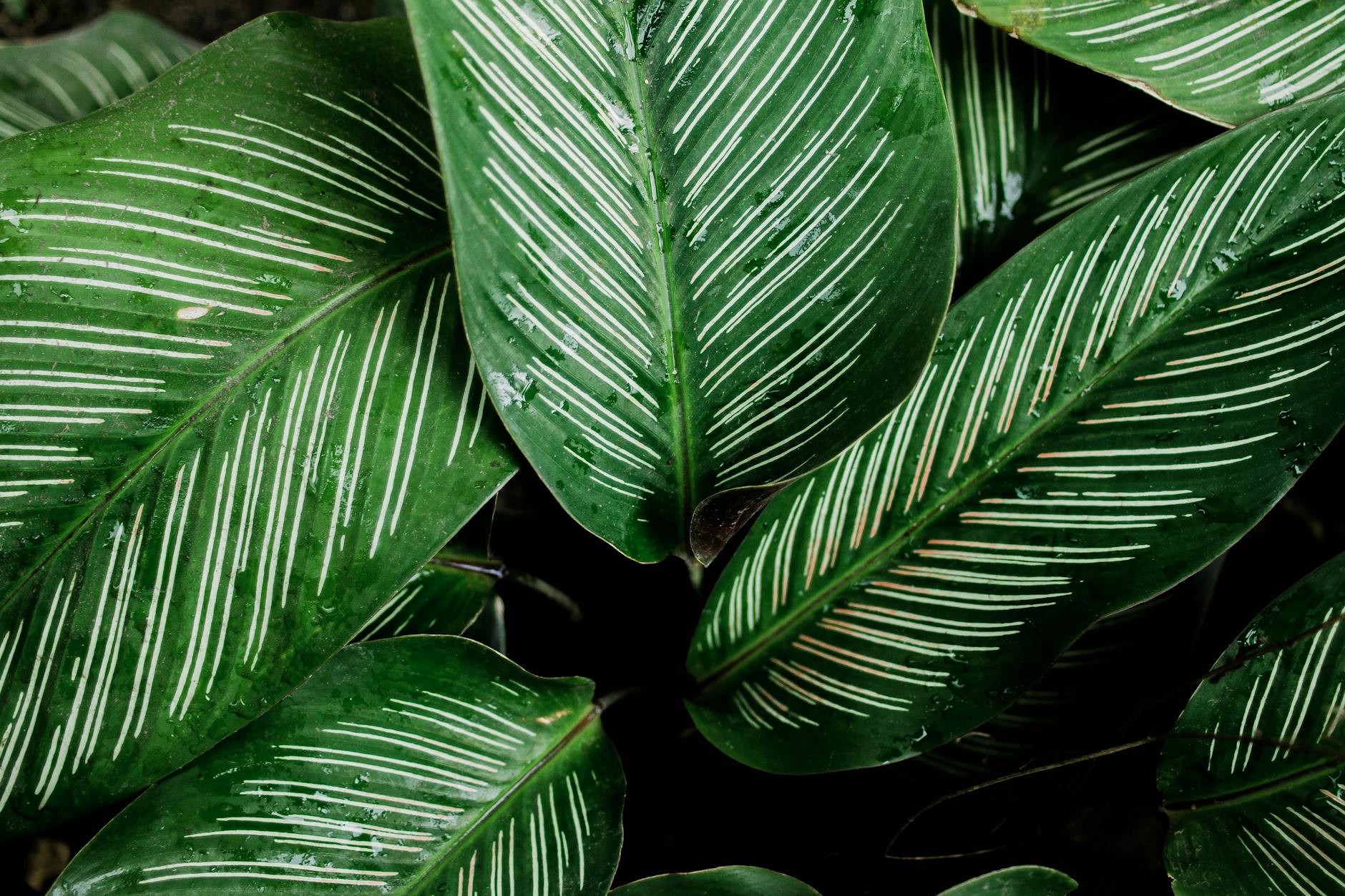
Calatheas are native to the tropical regions of South America, where they flourish under the canopy of larger trees. This natural habitat offers them dappled sunlight, consistent moisture, and high humidity—conditions that are essential for their growth. Recognizing their origins helps us understand the specific environmental needs that must be replicated in our homes to ensure they remain healthy and vibrant. Each species of Calathea, whether it be the majestic Calathea ornata with its striking pink stripes or the deep green hues of Calathea medallion, showcases a unique beauty that can elevate any indoor setting.
Their captivating foliage is not just for show; it plays a significant role in the plant’s overall health. The leaves are equipped to respond to their environment, exhibiting behavior known as nyctinasty, where they fold up at night and unfold during the day. This fascinating adaptation allows the plant to conserve moisture and manage light exposure effectively. Understanding these characteristics will not only enhance your appreciation of Calatheas but also guide you in providing the ideal conditions for them to thrive.
Light Requirements
When it comes to light, Calatheas have specific preferences that are crucial for their well-being. They thrive best in bright, indirect light, as direct sunlight can scorch their delicate leaves. The ideal location for your Calathea is a spot that receives filtered light, such as near a north or east-facing window. If you have a south-facing window, consider using sheer curtains to diffuse the sunlight. While Calatheas can tolerate medium light conditions, they will not flourish in low light or direct sun exposure. Prolonged exposure to either can lead to leaf burn or fading patterns, diminishing their visual appeal and overall health.
One of the key indicators of adequate lighting is the vibrancy of the foliage. If your Calathea begins to lose its striking patterns or the leaves exhibit a dull appearance, it may be a sign that it requires more light. Conversely, if you notice brown spots or crispy edges on the leaves, it’s likely that the plant is receiving too much direct sunlight. Adjusting the plant’s position to find that sweet spot of bright, indirect light can make all the difference in maintaining its beautiful patterned foliage.
Watering Guidelines
Watering is a critical aspect of Calathea care that requires mindfulness and consistency. Unlike many houseplants, Calatheas prefer to have their soil kept consistently moist but not soggy. It’s essential to use filtered water whenever possible, as these plants are sensitive to fluoride and chlorine commonly found in tap water. Allowing tap water to sit out for at least 24 hours can help dissipate some of the chemicals, but using filtered water is the best way to ensure your Calathea thrives.
The frequency of watering can depend on various factors, such as the size of the pot, the type of soil, and the humidity levels in your home. Typically, you should check the top inch of the soil; if it feels dry, it’s time to water. However, be cautious not to overwater, as this can lead to root rot, a common issue for Calatheas. Maintaining a balance in moisture levels is crucial for their health, and developing a routine can help you stay on track with their watering needs.
As seasons change, so too may your watering schedule. During the growing season in spring and summer, your Calathea may require more water as it actively grows and thrives. Conversely, in the fall and winter months, its growth slows down, and you’ll need to reduce the frequency of watering accordingly.
Soil and Potting Requirements
Selecting the right soil is fundamental to the health of your Calathea. They thrive in a well-draining, moisture-retentive potting mix that allows for adequate aeration while retaining essential moisture. A blend designed for tropical plants, often containing peat moss or coconut coir, can provide the ideal growing medium. It’s crucial to avoid heavy soils that can lead to water retention and root rot, which can be detrimental to the health of your plant.
When potting your Calathea, choose a container with drainage holes to prevent excess water from accumulating at the bottom. This simple step can significantly reduce the risk of root rot and other moisture-related issues. Repotting should be done every couple of years or when the plant outgrows its pot. This process not only allows for fresh soil but also gives you the opportunity to inspect the roots and ensure they are healthy and thriving.
As you repot, gently loosen any tightly bound roots to encourage new growth. A larger pot can provide more space for the roots to expand, promoting a healthier plant. Remember, Calatheas are not fond of being root-bound, so providing ample room for growth is essential.
Temperature and Humidity
Calatheas are true humidity lovers, requiring a consistent level of moisture in the air to thrive. Ideally, they prefer a humidity range of 50-70%. In drier environments, you may notice the leaves developing brown edges or curling, which can be a signal that the air is too dry. To remedy this, consider using a humidifier in the room where your Calathea resides or placing the plant on a tray filled with pebbles and water. This method can create a microclimate of humidity that can help prevent the leaves from drying out.
Temperature also plays a crucial role in the health of your Calathea. They flourish in temperatures ranging from 65-80°F (18-27°C). It’s essential to keep them away from drafts, sudden temperature changes, and cold windows, as these fluctuations can stress the plant and hinder its growth. Providing a stable environment will contribute to the overall well-being of your Calathea.
During the winter months, when indoor heating can dry out the air, being proactive with humidity levels becomes even more critical. Regular misting can also help maintain the needed moisture, but be cautious not to overdo it, as excessive water on the leaves can lead to fungal problems.
Fertilizing Schedule
To keep your Calathea thriving, a regular fertilizing schedule is beneficial, particularly during the growing season. Fertilizing monthly from spring to early fall can provide essential nutrients that support healthy growth and vibrant foliage. A balanced, water-soluble fertilizer diluted to half strength is often recommended to avoid overwhelming the plant with too many nutrients.
As you approach the end of the growing season, it’s wise to taper off fertilization. Calatheas do not require feeding during the winter months when their growth slows down significantly. This pause allows the plant to rest and prepare for the next growing season. Observing your Calathea’s response to fertilization can help you determine if adjustments are needed; if you notice excessive leaf growth at the expense of leaf quality, you may consider reducing the frequency or concentration of fertilization.
Propagation Methods
If you find yourself enamored with your Calathea and wish to expand your collection, propagation is a rewarding endeavor. The most common method for propagating Calathea is through division. This process involves carefully separating the roots of an established plant and transplanting the sections into new pots.
To do this, start by removing the plant from its pot and gently untangle the roots, taking care not to damage them. Look for natural divisions or clusters within the root system and separate them using clean scissors or shears. Each division should have a few healthy leaves and a sufficient root system to thrive on its own. Once separated, pot each division in fresh, well-draining soil, and care for them as you would an established Calathea.
It’s important to note that propagation can be stressful for the plant, so providing optimal conditions, such as high humidity and indirect light, will help the new plants settle in more comfortably. With a bit of patience, you’ll soon have new Calathea plants to share or enjoy in your space.
Common Problems and Solutions
As with any houseplant, Calatheas are not immune to challenges. One of the most common issues is browning leaf tips, which often indicates low humidity. If you notice this, take action by increasing the humidity levels around your plant, perhaps by misting or using a humidifier. Additionally, ensure that you are using filtered water, as tap water can contribute to leaf damage due to chlorine and fluoride content.
Another concern is yellowing leaves, which can suggest overwatering or poor drainage. It’s vital to assess your watering routine and ensure that the pot has adequate drainage to prevent root rot. Conversely, if your Calathea begins to lose its vibrant patterns or appears leggy, it may be a sign that it is not receiving enough light. Adjusting its position to a location with brighter, indirect light can help restore its health and appearance.
Pest infestations, while less common, can also affect Calatheas. Keep an eye out for signs of spider mites or aphids, which may appear as small webs or sticky residue on the leaves. If you encounter pests, gently wipe the leaves with a damp cloth and consider using insecticidal soap or neem oil as a natural remedy. Regularly inspecting your Calathea can help you catch problems early and keep your plant thriving.
Seasonal Care Adjustments
As the seasons change, so too does the care your Calathea requires. During the warmer months, when the plant is actively growing, you’ll want to provide ample water and nutrients. Conversely, as temperatures drop and daylight hours shorten, you’ll need to adjust your watering and fertilizing practices accordingly.
In winter, it’s important to be mindful of the dry air caused by heating systems. Maintaining humidity is crucial, so consider relocating your Calathea to a more humid room or using a humidifier to create a comfortable environment. Additionally, reducing watering frequency during this time can prevent overwatering, which can be detrimental in cooler months.
Understanding the seasonal rhythms of your Calathea will help you provide the best care throughout the year. By making these adjustments, you can ensure that your beautiful prayer plant remains healthy and vibrant, no matter the season.
Caring for Calathea plants can be a deeply rewarding experience, as they bring a touch of the tropics into your home. With their stunning patterns and unique behaviors, these humidity-loving beauties deserve the attention and care that will allow them to flourish. By paying close attention to their light, water, soil, temperature, humidity, and seasonal needs, you can create an environment where your Calathea thrives and becomes a cherished part of your indoor garden. Let their lush foliage inspire you as you embark on this journey of plant care, knowing that with each passing day, your Calathea is not just surviving but thriving, adding beauty and life to your space.
Safety Note: Calathea is considered non-toxic to cats and dogs, making it a pet-friendly choice for households with furry companions. However, ingesting any plant material may cause mild stomach upset, so it’s still best to discourage nibbling.
Frequently Asked Questions
Why do Calathea leaves fold up at night? ▼
Calatheas naturally fold their leaves at night and open them during the day. This is called nyctinasty and is a normal behavior that helps the plant conserve moisture.
How much humidity do Calatheas need? ▼
Calatheas require 50-70% humidity to thrive. They're very sensitive to dry air and will develop brown edges without adequate humidity.
Why are my Calathea leaves turning brown? ▼
Brown leaves usually indicate low humidity, poor water quality (fluoride/chlorine), or direct sunlight. Use filtered water and maintain high humidity.
Can Calatheas tolerate low light? ▼
Calatheas prefer bright, indirect light but can tolerate medium light. They cannot survive in very low light or direct sunlight.
Are Calathea plants safe for pets? ▼
Yes, Calatheas are generally considered non-toxic to cats and dogs, making them excellent choices for pet-friendly homes.
Explore Related Topics
Was this guide helpful?
Your input helps us improve our guides.
How can we improve this guide?
Similar Plants You Might Like

Norfolk Pine Care Guide: Complete Indoor Christmas Tree Instructions
Learn comprehensive Norfolk Pine care including light requirements, humidity needs, watering, and maintaining this popular indoor Christmas tree houseplant year-round.
Moderate
Alocasia Elephant Ear Care Guide: Complete Growing Instructions for Tropical Beauty
Learn how to care for Alocasia Elephant Ear plants with our comprehensive guide covering humidity, watering, light requirements, and troubleshooting for stunning tropical growth.
Moderate
African Violet Care Guide: Complete Saintpaulia Instructions
Learn comprehensive African Violet (Saintpaulia) care including watering, light, humidity, flowering tips, and propagation for these popular flowering houseplants.
Moderate