
Care & Fixes for Your Houseplants
Simple, practical guides to keep your plants healthy and thriving.
Whether you're a first-time plant parent or looking to troubleshoot a problem, PlantHints has the answers you need - no jargon, just results.
Everything You Need to Keep Your Plants Alive
From choosing the right plant for your space to diagnosing why leaves are turning yellow, PlantHints covers every aspect of indoor plant care with clear, actionable advice.
Detailed Care Guides
Step-by-step instructions for light, water, soil, humidity, and fertilizer for over 60 houseplants.
Problem Solving
Yellow leaves? Brown tips? Drooping stems? Find the cause and fix it with our troubleshooting guides.
Curated Collections
Not sure what to get? Browse collections for pet-safe, low-light, beginner, and air-purifying plants.
Quick Answers
Every guide includes FAQs, quick care overviews, and seasonal tips so you get the info you need fast.
Popular Plant Care Guides
Our most popular guides covering the houseplants people love most. Each guide includes watering schedules, light requirements, propagation tips, and common problem solutions.
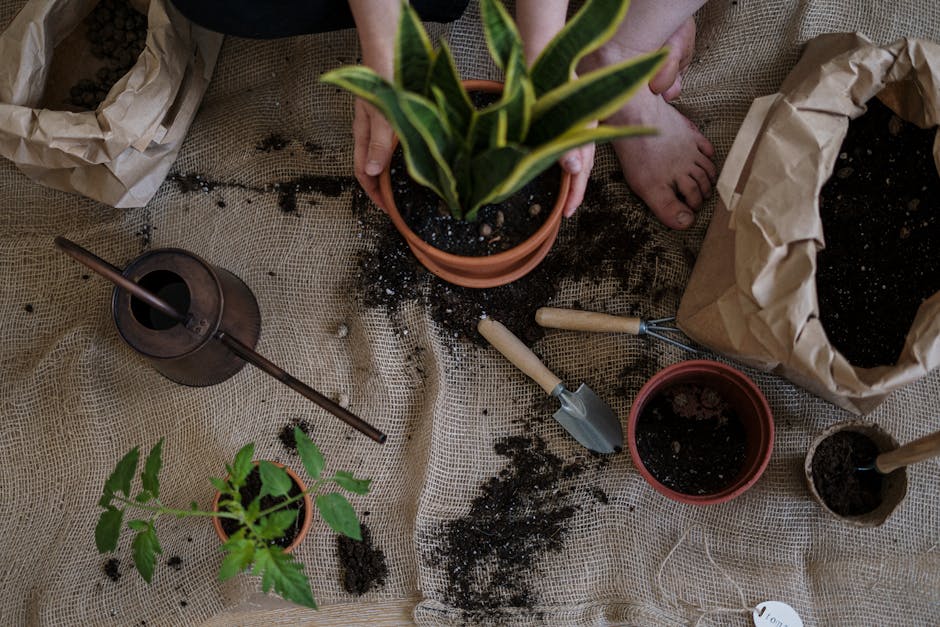
Snake Plant Care Guide
Learn how to care for Snake Plant with our comprehensive guide covering watering, light, propagation, and varieties.
Read guide →
Peace Lily Care Guide
Complete Peace Lily care instructions including watering, light requirements, troubleshooting, and propagation tips.
Read guide →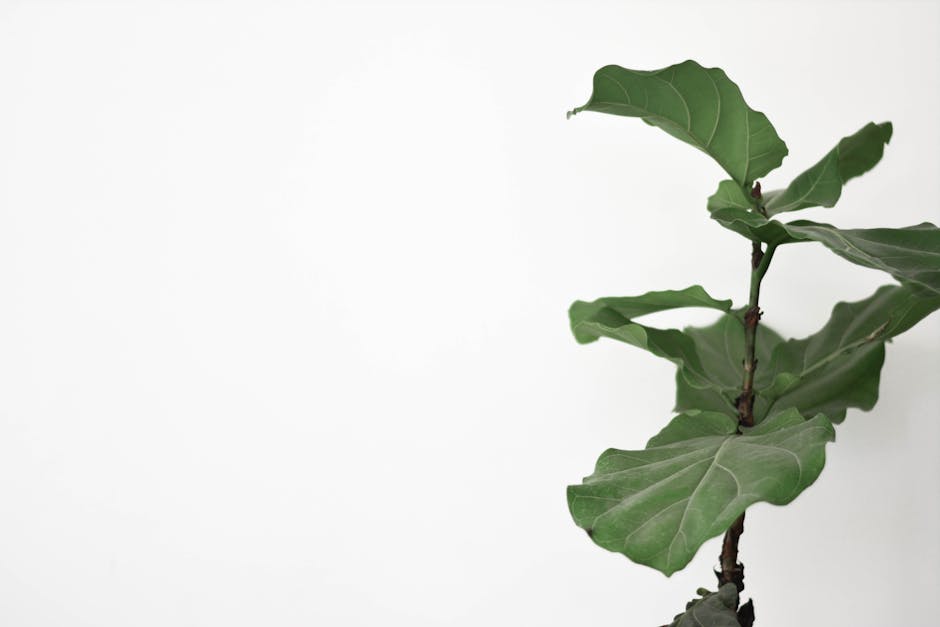
Fiddle Leaf Fig Care Guide
Master Fiddle Leaf Fig care with our detailed guide covering watering, light, pruning, and common problem solutions.
Read guide →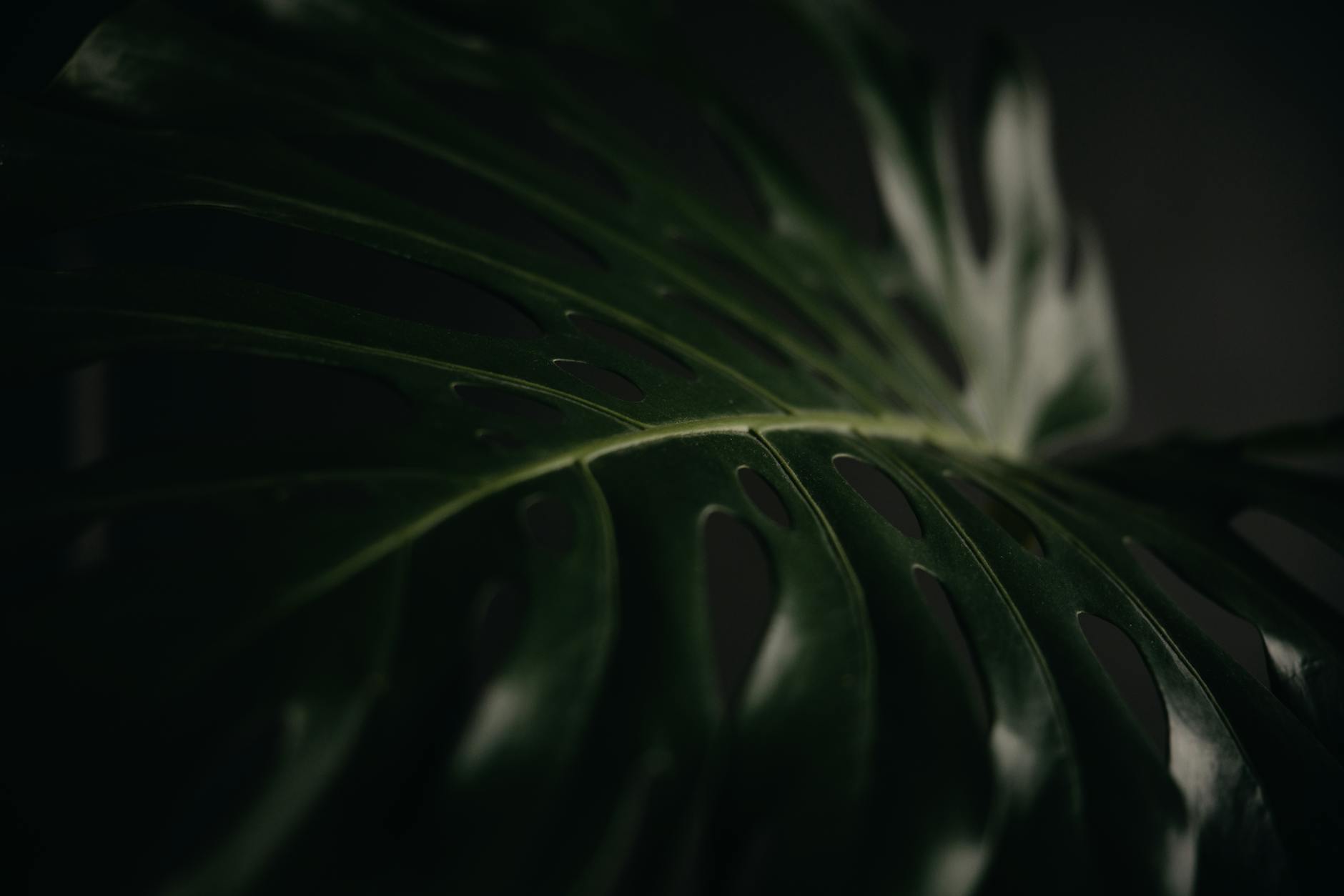
Monstera Deliciosa Care Guide
Everything you need to know about growing and caring for the Swiss Cheese Plant indoors.
Read guide →
Pothos Care Guide
The ultimate beginner plant. Learn how to grow, propagate, and troubleshoot Pothos problems.
Read guide →
ZZ Plant Care Guide
Discover why ZZ Plants are nearly indestructible and how to keep them thriving with minimal effort.
Read guide →Plant Problem? We Can Help
Something wrong with your plant? Our troubleshooting guides walk you through the most common issues - from overwatering and pest infestations to light problems and nutrient deficiencies.
Why Are My Plant Leaves Turning Yellow?
Discover the most common causes of yellowing plant leaves and learn effective solutions to restore your plant's health.
Read guide →
Winter Plant Care Guide
Learn essential winter care tips for houseplants including watering adjustments, humidity management, and lighting.
Read guide →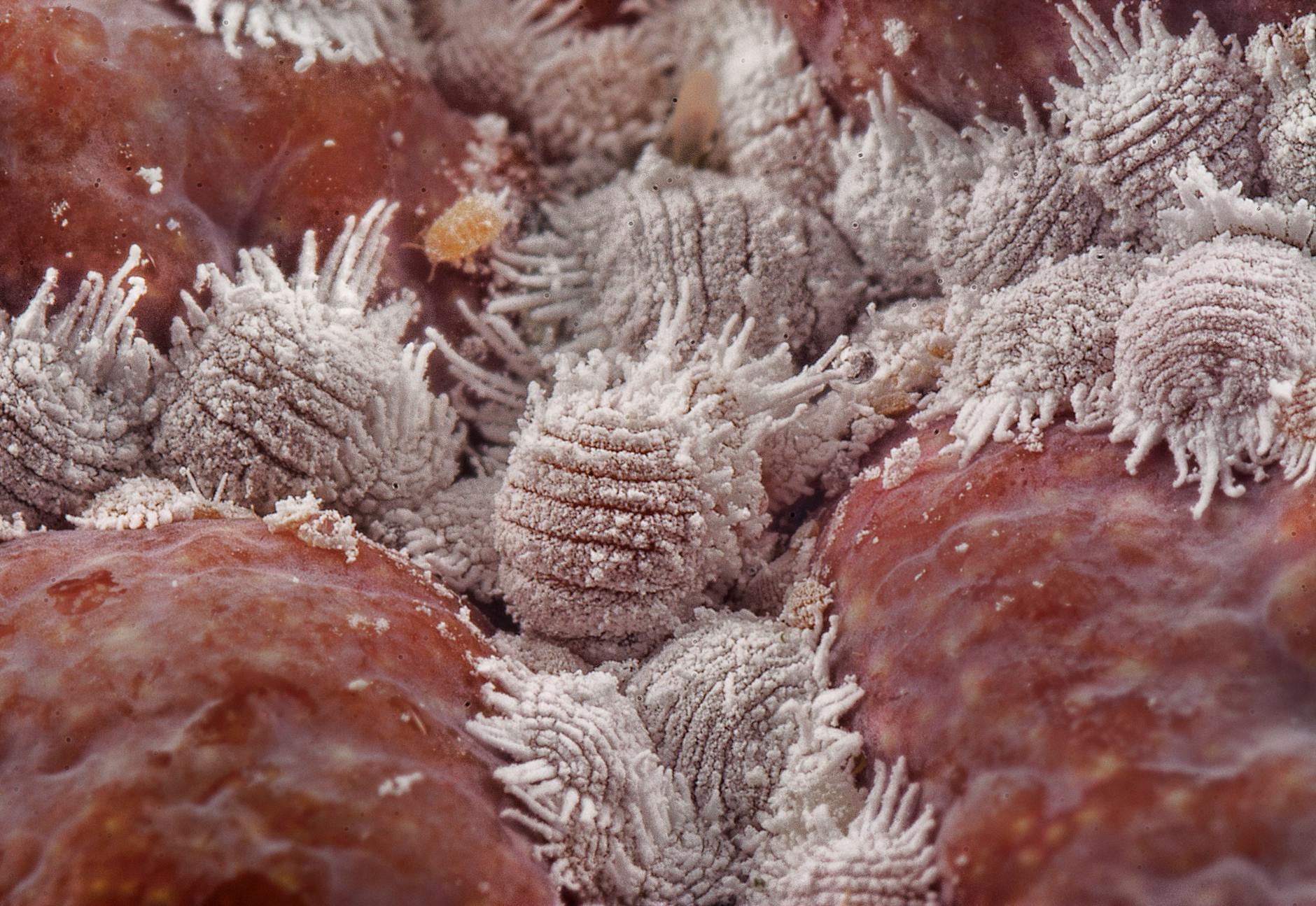
How to Identify and Treat Plant Pests
Spider mites, mealybugs, fungus gnats and more. Identify and eliminate common houseplant pests.
Read guide →Latest from the Blog
Seasonal tips, beginner advice, and deep dives into specific plant care topics to help you become a more confident plant parent.
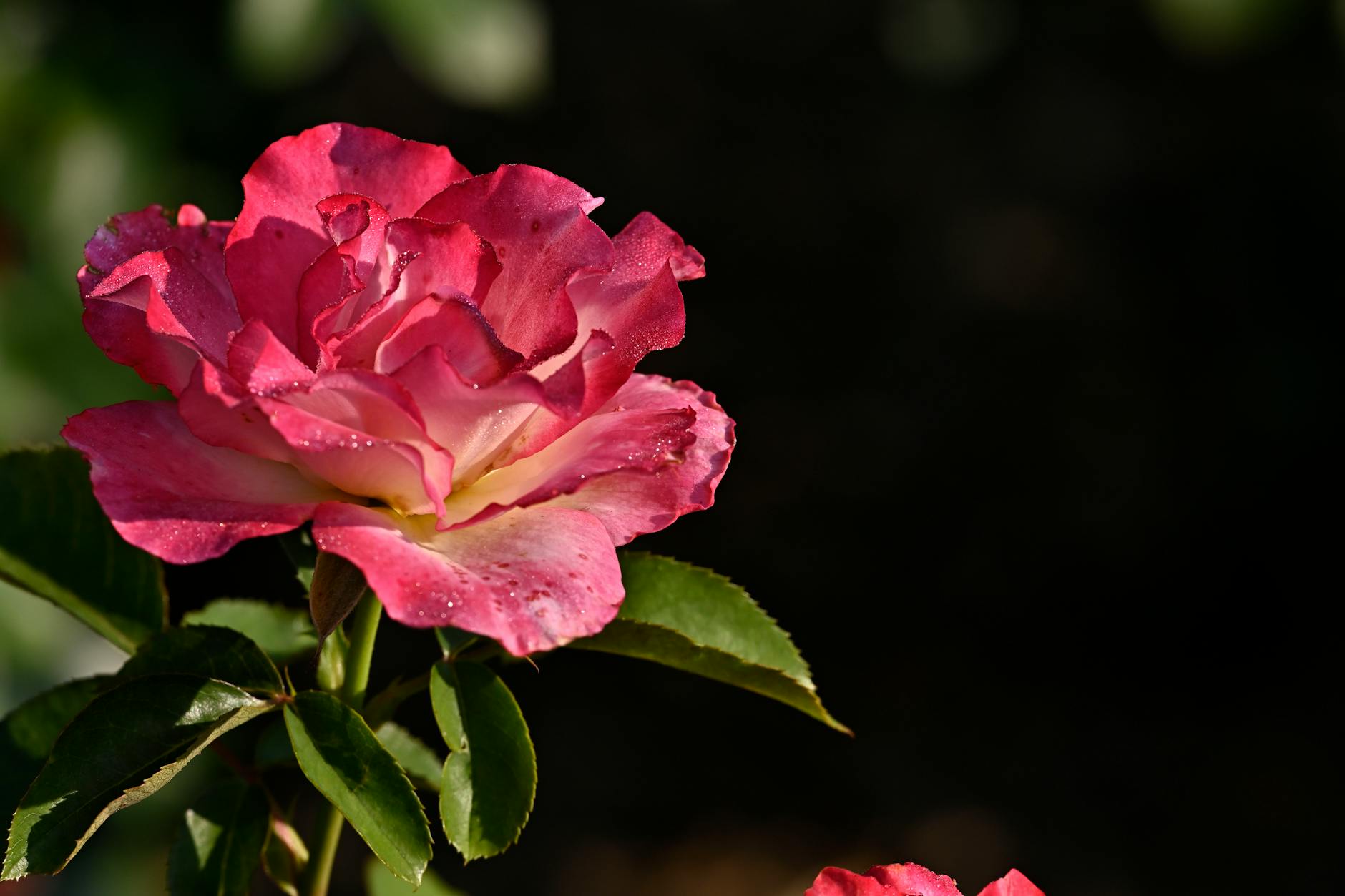
10 Essential Spring Plant Care Tips
Spring is the most important season for your houseplants. Here's how to help them thrive.

7 Mistakes New Plant Parents Make
Avoid the most common mistakes that kill houseplants and learn what to do instead.
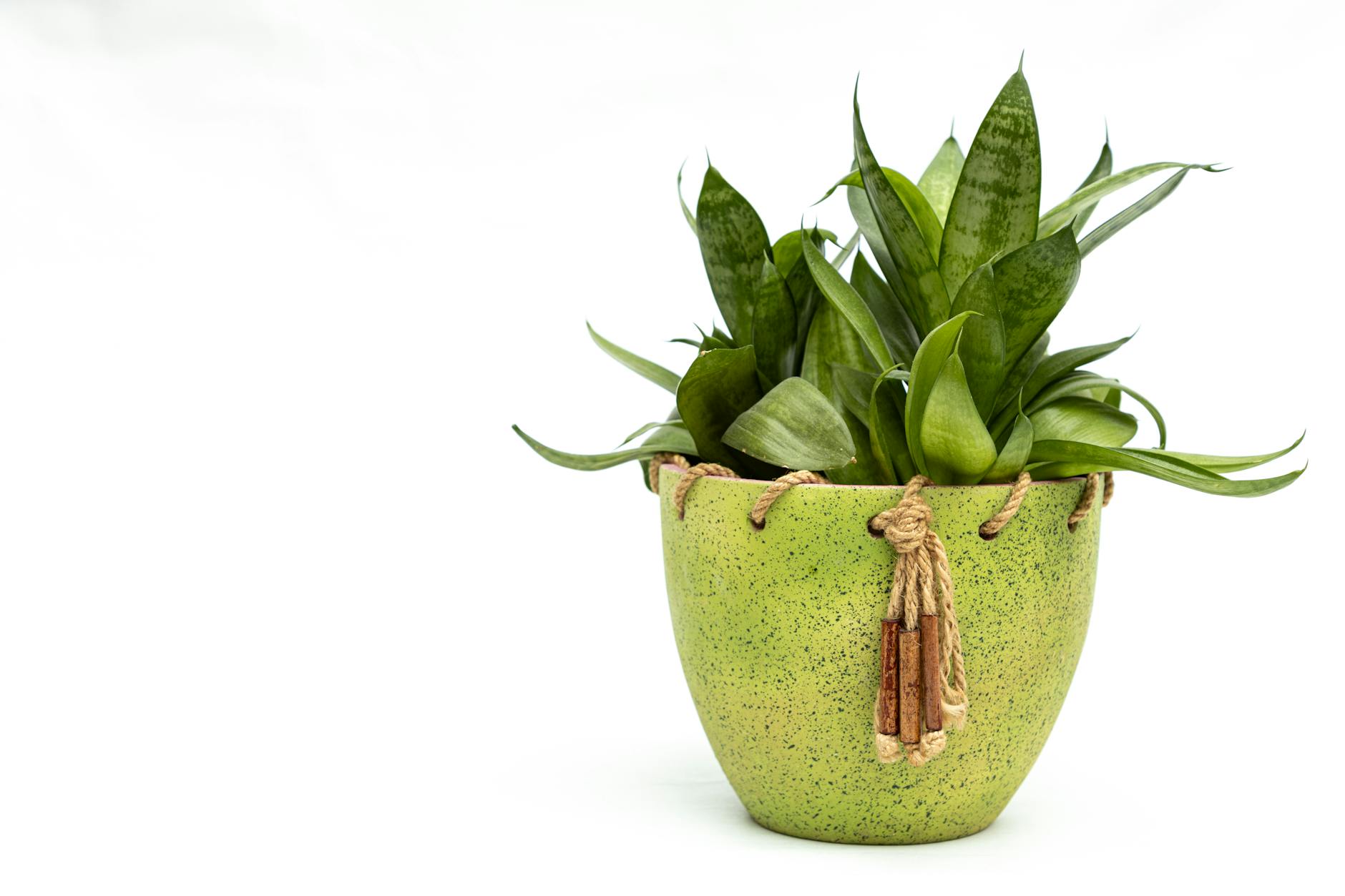
Top 10 Air Purifying Houseplants
Science-backed plants that help clean the air in your home.
Plant Collections
Not sure which plant is right for you? Browse our curated collections organized by room type, care level, pet safety, and more to find the perfect match.

Low Light Plants
The best houseplants that thrive in dim conditions and darker rooms.
Browse collection →
Pet Safe Plants
Non-toxic houseplants that are safe for cats and dogs.
Browse collection →
Beginner Plants
Easy-care houseplants perfect for first-time plant parents.
Browse collection →Houseplant Care FAQ
Quick answers to the most common questions new and experienced plant parents ask.
How often should I water my houseplants?
There's no universal schedule - it depends on the plant species, pot size, soil type, light conditions, and season. The best approach is to check the soil moisture before watering. Stick your finger about 2 inches into the soil: if it's dry, water thoroughly until it drains from the bottom. Most houseplants prefer to dry out partially between waterings. Overwatering is the number one killer of indoor plants. Check our individual plant care guides for specific watering advice.
What are the easiest houseplants for beginners?
The most forgiving houseplants for beginners are Snake Plants, Pothos, ZZ Plants, Spider Plants, and Chinese Evergreens. These plants tolerate irregular watering, various light conditions, and require minimal maintenance. Browse our beginner plants collection for more options.
Why are my plant's leaves turning yellow?
Yellow leaves are the most common plant complaint, and the causes range from overwatering (the most frequent culprit) to underwatering, too much direct sunlight, nutrient deficiencies, or natural aging. The pattern of yellowing helps identify the cause: bottom leaves yellowing first often means overwatering, while overall yellowing with dry soil suggests underwatering. Read our detailed yellow leaves troubleshooting guide for a step-by-step diagnosis.
Which houseplants are safe for cats and dogs?
Many popular houseplants are toxic to pets, but there are plenty of beautiful non-toxic options. Safe choices include Spider Plants, Boston Ferns, Calatheas, Parlor Palms, and Peperomias. Avoid Pothos, Monstera, Peace Lilies, and Snake Plants around pets. See our full pet-safe plants collection.
How do I know if my plant needs more light?
Signs your plant needs more light include: leggy, stretched-out growth (reaching toward the window), smaller new leaves than older ones, loss of variegation in patterned leaves, slow or no growth even during spring/summer, and pale or washed-out leaf color. Most houseplants thrive in bright, indirect light - near a window but not in direct sun. If natural light is limited, a basic grow light can make a significant difference. Check our light problems guide for more details.
Simple Plant Care, No Jargon
PlantHints was built for real plant owners who want straightforward advice that works. Every guide focuses on practical solutions - what to do, why it matters, and how to fix problems when things go wrong. We skip the botanical lectures and get straight to keeping your plants healthy.
Our care guides cover light requirements, watering schedules, soil preferences, humidity needs, propagation methods, and seasonal care adjustments. Each plant page includes a quick-reference overview, common problems with specific fixes, and frequently asked questions so you can find answers fast.