
Jade Plant Care Guide: Complete Instructions for Crassula Ovata
Learn how to care for Jade Plants with our comprehensive guide covering light, watering, pruning, and encouraging flowering in this lucky succulent.
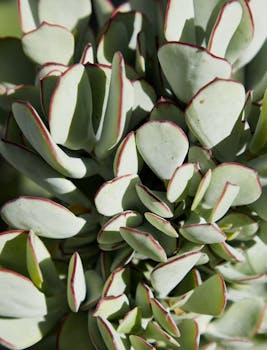
Quick Care Guide
Bright light with some direct sun (4-6 hours daily)
Every 2-4 weeks, when soil is completely dry
Low humidity preferred (20-40%)
65-75°F (18-24°C)
Well-draining cactus/succulent mix
2-3 times per year during growing season
Keep away from cats, dogs, and children
Jade plants, or Crassula ovata, are a beloved choice for both novice and seasoned horticulturists alike. With their thick, glossy leaves and charming, tree-like appearance, these succulents not only add a touch of greenery to any indoor space but are also steeped in cultural significance. Known as the “money plant” or “lucky plant,” jade plants are often associated with prosperity and good fortune, making them a popular gift and a cherished addition to homes. Caring for a jade plant is relatively straightforward, as they are resilient and thrive on minimal attention, which adds to their appeal.
Whether you are looking to brighten up your living room or want to enhance your collection of succulents, understanding the specific needs of jade plants will ensure they flourish under your care. This guide aims to equip you with all the necessary knowledge to cultivate your jade plant successfully, covering everything from light requirements to propagation methods. Dive into the fascinating world of jade plants, and discover how to provide them with the ideal environment to thrive.
Getting to Know Your Plant
Crassula ovata, commonly known as the jade plant, is a perennial succulent native to South Africa and Mozambique. It belongs to the Crassulaceae family, which includes various other succulent species. Jade plants are characterized by their fleshy leaves, which can vary in color from a deep green to a more vibrant shade with red edges, depending on the light exposure and care provided. These plants can grow to a height of about three feet indoors and can live for decades, with some specimens reaching over 100 years in age.
One of the striking features of jade plants is their ability to store water in their leaves and stems, making them exceptionally drought-tolerant. This adaptation allows them to survive in arid conditions, and as such, they require specific care practices to maintain their health. Understanding the basic biology and growth habits of jade plants will help you create the optimal environment for them, ensuring they remain vibrant and healthy for years to come.
Light Requirements
Light is a crucial factor for the health of your jade plant. These succulents thrive in bright light conditions, ideally receiving at least four to six hours of direct sunlight each day. A south-facing window is the perfect spot for your jade plant, where it can bask in the sun’s rays and develop its characteristic robust growth. However, be mindful of the intensity of the sunlight; while jade plants enjoy direct exposure, too much intense afternoon sun can lead to leaf scorch.
If you notice your jade plant stretching toward the light or becoming leggy, this is a sign that it may not be receiving enough sunlight. In such cases, consider relocating it to a brighter area or supplementing with a grow light. Conversely, if your plant’s leaves begin to turn yellow or drop off, it may be getting too much light, and you should move it to a spot with filtered sunlight. Balancing light exposure is essential to promoting healthy growth and vibrant foliage, so keep a close eye on your plant and adjust accordingly.
Watering Guidelines
One of the most common questions among jade plant enthusiasts is about the watering schedule. Jade plants prefer a thorough yet infrequent watering routine, which mimics their natural habitat’s sporadic rainfall. During the growing season, which typically spans from spring to early fall, you should water your jade plant every two to four weeks. The key is to allow the soil to dry out completely between waterings. This is crucial as jade plants are susceptible to root rot, a condition that can quickly develop if the roots sit in soggy soil.
As the weather cools and the plant enters its dormant phase in winter, reduce the frequency of watering even further, sometimes to just once a month. Always check the soil moisture before watering; a simple finger test will suffice. If the top inch of soil feels dry to the touch, it’s time to give your jade plant a drink. When you do water, ensure that you thoroughly saturate the soil, allowing excess water to drain out of the pot’s drainage holes. This practice not only promotes healthy root growth but also prevents the accumulation of salts and minerals that can harm your plant.
Soil and Potting Requirements
The right soil mix is essential for the health of your jade plant. A well-draining cactus or succulent mix is ideal, as it allows excess water to escape while retaining just enough moisture for the plant’s needs. You can easily find specialized potting mixes at your local garden center or create your own blend using a combination of potting soil, coarse sand, and perlite. This combination promotes aeration and drainage, which are vital for the jade plant’s root system.
When it comes to potting, choose a container with drainage holes to prevent water from pooling at the bottom. Terra cotta pots are an excellent choice for jade plants, as they allow for moisture evaporation and help regulate the plant’s water intake. If you’re potting a young jade plant, consider using a smaller container to encourage root development. As your jade plant grows, you may need to repot it every few years to accommodate its expanding root system. During repotting, take care not to disturb the roots too much, as this can stress the plant. Providing the right soil and potting conditions will lay a solid foundation for your jade plant’s growth.
Temperature and Humidity
Jade plants prefer a stable environment that mimics their natural habitat. Ideally, they thrive in temperatures ranging from 65 to 75°F (18 to 24°C). While they can tolerate occasional temperature fluctuations, extreme cold or drafts can stress the plant and lead to leaf drop. Therefore, it’s best to keep your jade plant indoors during colder months, especially if you live in a region that experiences frost or freezing temperatures.
In terms of humidity, jade plants are quite adaptable and prefer low humidity levels, typically between 20 and 40 percent. This makes them suitable for most indoor environments, particularly in homes with centralized heating or air conditioning. Excess humidity can lead to fungal issues and other ailments, so it’s advisable to avoid placing your jade plant in overly humid areas, such as bathrooms or kitchens, unless there is sufficient airflow to keep moisture levels in check. By maintaining the right temperature and humidity levels, you can create an environment where your jade plant can flourish.
Fertilizing Schedule
While jade plants are not heavy feeders, they do benefit from periodic fertilization during their growing season. Fertilizing your jade plant two to three times a year will provide it with the necessary nutrients to promote healthy growth and vibrant foliage. A balanced fertilizer with an equal ratio of nitrogen, phosphorus, and potassium is ideal for jade plants. You can also opt for a diluted liquid fertilizer specifically formulated for succulents and cacti, applying it according to the package instructions.
It’s best to fertilize your jade plant during the spring and summer months when it is actively growing. During the fall and winter, when the plant enters dormancy, you should refrain from fertilizing altogether, as the plant’s nutrient needs decrease significantly. Over-fertilization can lead to salt buildup in the soil, which can harm your plant. Observing your jade plant for signs of nutrient deficiency, such as pale or stunted growth, will help you determine when to fertilize and how much to use. By following a careful fertilization schedule, you can ensure your jade plant remains healthy and vibrant.
Propagation Methods
One of the most delightful aspects of caring for jade plants is their ease of propagation. Whether you’re looking to expand your collection or share the joy of these lovely succulents with friends, jade plants can be propagated from both leaf and stem cuttings. To propagate from leaves, choose a healthy leaf and gently twist it from the stem. Allow the leaf to callous over for a few days in a dry area before placing it on well-draining soil. Mist the soil lightly and provide indirect sunlight; roots should develop in a few weeks.
For stem cuttings, select a healthy stem and cut it just below a leaf node. Similar to leaf cuttings, let the stem cutting callous for a few days before planting it in well-draining soil. Keep the soil lightly moist and place the pot in bright, indirect light. Over time, you will notice new growth emerging from the cutting, signaling that it has successfully rooted. With patience and care, propagating jade plants can be a rewarding experience, allowing you to nurture new plants from a beloved original.
Common Problems and Solutions
Though jade plants are relatively easy to care for, they can encounter a few common issues that may require attention. One of the most prevalent problems is overwatering, which often results in root rot. Symptoms of root rot include yellowing leaves, wilting, and a mushy stem. If you suspect your jade plant is suffering from this condition, the first step is to stop watering and allow the soil to dry out completely. In severe cases, you may need to remove the plant from its pot and inspect the roots. Trim away any black, mushy roots and repot the plant in fresh, dry soil.
Another issue to watch for is pest infestations, particularly mealybugs and aphids. These pests can suck the sap from the leaves, leading to stunted growth and overall decline. If you notice any pests, treat your jade plant with insecticidal soap or neem oil, ensuring to cover both the tops and undersides of the leaves. Finally, keep an eye out for leaf drop, which can be a sign of stress due to environmental changes, such as sudden temperature fluctuations or inadequate light. By remaining vigilant and promptly addressing any issues, you can help your jade plant thrive.
Seasonal Care Adjustments
As the seasons change, so too do the care requirements for your jade plant. During the spring and summer months, when the plant is actively growing, you will find that it requires more frequent watering and fertilization. This is the time to encourage robust growth and vibrant foliage. Make sure to monitor the light conditions closely, as longer days may lead to increased light exposure.
When autumn arrives and temperatures begin to drop, gradually reduce the frequency of watering. This transition into dormancy also calls for a decrease in fertilization. As winter sets in, it’s crucial to provide your jade plant with cooler temperatures and less water, allowing it to rest and recharge. If you notice your plant becoming leggy or dropping leaves during this time, revisit its light exposure and ensure it is not experiencing stress from environmental changes.
By adjusting your care routine according to the seasons, you can provide your jade plant with the optimal conditions it needs to thrive year-round. With a little attention and dedication, your jade plant will reward you with its beauty and charm, bringing a touch of nature into your home for many years to come.
Safety Note: Jade Plant contains compounds that are toxic to cats, dogs, and humans if ingested. Keep plants out of reach of curious pets and small children. Contact a veterinarian or poison control center if ingestion occurs.
Frequently Asked Questions
How often should I water my Jade Plant? ▼
Water every 2-3 weeks during growing season, allowing soil to dry completely between waterings. In winter, water even less frequently, sometimes only once per month.
How much light does a Jade Plant need? ▼
Jade Plants need bright light with some direct sunlight for best growth. They can handle 4-6 hours of direct sun and prefer south-facing windows.
How do I make my Jade Plant flower? ▼
Jade Plants flower when mature (5+ years), kept slightly rootbound, and given a cool, dry winter rest period with reduced watering and cooler temperatures.
Can I propagate Jade Plants from leaves? ▼
Yes, Jade Plants are easily propagated from both leaf and stem cuttings. Let cuttings dry for a few days before planting in well-draining soil.
Are Jade Plants toxic to pets? ▼
Yes, Jade Plants are mildly toxic to cats and dogs if ingested, potentially causing vomiting and lethargy. Keep them out of reach of pets.
Explore Related Topics
Was this guide helpful?
Your input helps us improve our guides.
How can we improve this guide?
Similar Plants You Might Like

Aglaonema Silver Bay Care Guide: Complete Instructions for Chinese Evergreen Beauty
Learn how to care for Aglaonema Silver Bay with our comprehensive guide covering light, watering, humidity, and maintaining stunning silver variegation in this easy-care houseplant.
Easy
Aloe Vera Care Guide: Complete Instructions for Aloe Barbadensis Miller
Learn how to care for Aloe Vera plants with our comprehensive guide covering light, watering, harvesting gel, and propagating pups for healthy growth.
Easy
Bird of Paradise Care Guide: Complete Growing Instructions for Strelitzia
Learn how to care for Bird of Paradise (Strelitzia) with our comprehensive guide covering light, watering, humidity, pruning, and troubleshooting for stunning tropical growth.
Moderate