
Snake Plant Care Guide: Complete Instructions for Sansevieria Trifasciata
Learn how to care for Snake Plants (Sansevieria) with our comprehensive guide covering light, watering, propagation, and maintaining healthy growth indoors.
Quick Care Guide
Low to bright indirect light
Every 2-6 weeks, when soil is completely dry
Any humidity level (very tolerant)
60-85°F (15-29°C)
Well-draining cactus or succulent mix
2-3 times per year during growing season
Keep away from cats, dogs, and children
The Snake Plant, scientifically known as Sansevieria trifasciata, is a remarkable houseplant that has gained immense popularity in recent years. Revered for its striking architectural leaves and impressive resilience, this plant is a favorite among both novice and seasoned plant enthusiasts. Its ability to thrive in a variety of conditions makes it an ideal choice for anyone looking to introduce greenery into their living spaces without the stress that often accompanies more finicky plants. But beyond its aesthetic appeal, the Snake Plant is also lauded for its air-purifying qualities, making it a functional addition to any home or office environment.
As we embark on this comprehensive guide to Snake Plant care, we’ll delve into every aspect of nurturing this remarkable species. From understanding its light and watering needs to exploring propagation methods and common issues, this guide is designed to equip you with the knowledge you need to keep your Snake Plant healthy and thriving. Whether you’re a busy professional, a dedicated plant parent, or someone simply looking to add a touch of nature to your surroundings, you will find that caring for a Snake Plant is not only rewarding but also surprisingly simple.
Let’s get acquainted with this resilient plant and explore the essentials of its care.
Getting to Know Your Plant
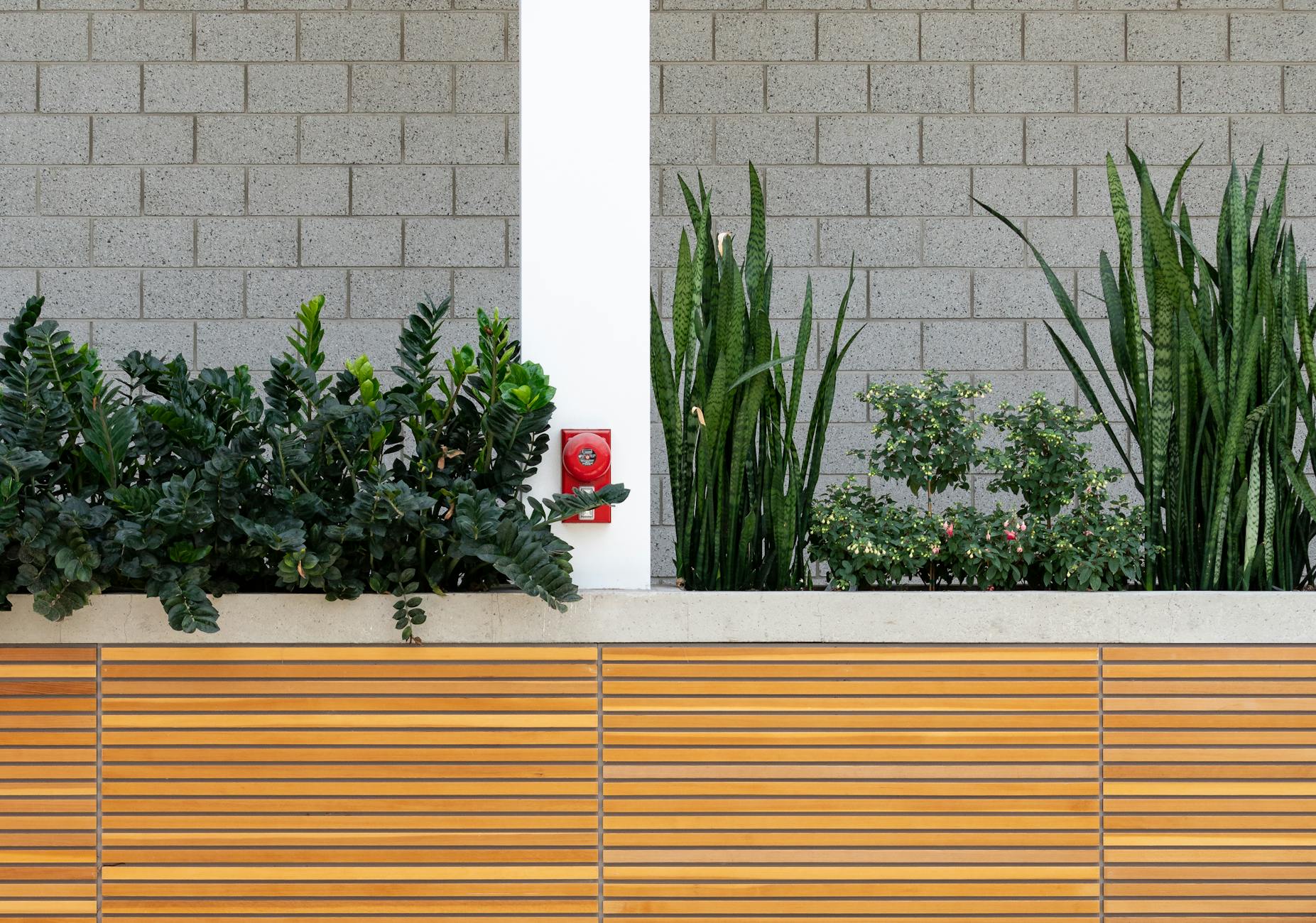
The Snake Plant is a member of the Asparagaceae family and is native to West Africa. Its distinctive, sword-like leaves grow upright and can vary in color from deep green to lighter shades, often showcasing beautiful variegation with yellow or white edges. This plant can reach heights of up to four feet, making it a dramatic statement piece in any room. Its popularity has surged due to its low-maintenance nature, making it particularly appealing for those who might not have a green thumb.
One of the most fascinating traits of the Snake Plant is its ability to purify the air. NASA’s Clean Air Study highlighted its effectiveness in removing toxins such as formaldehyde and benzene, thus improving indoor air quality. Additionally, this hardy plant is remarkably drought-tolerant, allowing it to flourish even with minimal attention. However, despite its forgiving nature, understanding its specific care requirements will ensure optimal growth and health.
Light Requirements
When it comes to light, the Snake Plant is incredibly versatile. It can adapt to a range of lighting conditions, from low light to bright, indirect sunlight. This adaptability makes it a perfect choice for spaces that may not receive an abundance of natural light. While it is true that Snake Plants can survive in dimly lit environments, they truly thrive when placed in bright, indirect light. This not only encourages robust growth but also enhances the vibrancy of its foliage.
If you place your Snake Plant in a location where it receives indirect sunlight, you’ll likely notice the leaves become more vibrant and lush. However, it’s essential to protect it from direct sunlight, which can scorch the leaves. Signs of too much sunlight include browning leaf tips and faded color, indicating that your plant may need to be moved to a shadier spot. Conversely, if your Snake Plant is experiencing stunted growth or elongated stems, it might be yearning for more light.
Watering Guidelines
Watering can often be the most challenging aspect of plant care, but the Snake Plant makes this task relatively straightforward. One of the key principles to remember is that these plants prefer to dry out completely between waterings. Typically, this means you’ll want to water your Snake Plant every two to six weeks, depending on environmental conditions. Factors such as temperature, humidity, and the season will impact how quickly the soil dries out.
During the warmer months, when the plant is actively growing, you may find that it requires more frequent watering. However, in winter, when the growth slows significantly, your Snake Plant will need even less moisture. Overwatering is one of the most common mistakes made by plant owners, often leading to yellowing leaves and root rot. To prevent this, always check the soil before watering; if it feels dry to the touch, it’s time to give your plant a drink.
When you do water, be sure to provide a thorough soak, allowing excess water to drain out of the bottom of the pot. This ensures that the entire root system receives moisture without becoming waterlogged. Remember, the Snake Plant thrives on neglect, so it’s always better to err on the side of underwatering rather than overwatering.
Soil and Potting Requirements
The right soil is crucial for maintaining the health of your Snake Plant. Since these plants are native to arid regions, they thrive in well-draining soil that mimics their natural habitat. A cactus or succulent mix is an excellent choice, as it allows for ample drainage while retaining just enough moisture to keep the roots happy. If you’re feeling adventurous, you can even create your own soil blend by mixing potting soil with sand or perlite to enhance drainage.
When it comes to potting, selecting a container with drainage holes is essential. This will prevent water from accumulating at the bottom of the pot, which can lead to root rot. Snake Plants can adapt to being slightly root-bound, so you won’t need to repot them frequently. Generally, repotting every couple of years is sufficient, or whenever you notice that the plant is outgrowing its pot. When repotting, gently remove the plant from its old container, shake off any excess soil, and place it in the new pot with fresh soil.
Temperature and Humidity
Temperature and humidity play a significant role in the overall health of your Snake Plant. This hardy plant prefers a temperature range of 60 to 85°F (15 to 29°C). While it can tolerate lower temperatures, exposure to frost can be detrimental, so it’s best to keep it indoors during colder months. If you can maintain a consistent temperature within this range, your Snake Plant will thrive.
One of the most appealing aspects of the Snake Plant is its tolerance to various humidity levels. Whether you live in a dry climate or a more humid environment, this plant will adapt with ease. It does not require any special humidity conditions to thrive, making it a perfect candidate for homes with varying moisture levels. That said, during the winter months, when indoor heating can reduce humidity levels, consider misting the leaves occasionally or placing a small humidifier nearby to enhance the plant’s comfort.
Fertilizing Schedule
While Snake Plants are not heavy feeders, they will benefit from occasional fertilization during the growing season. Applying a balanced, water-soluble fertilizer two to three times a year will provide the necessary nutrients for healthy growth. The best time to fertilize is during the spring and summer months when the plant is actively growing.
To fertilize your Snake Plant, dilute the fertilizer to half strength and apply it to moist soil. This practice will prevent root burn while ensuring the nutrients are absorbed effectively. It’s wise to refrain from fertilizing during the fall and winter months when the plant is in its dormant stage. Over-fertilization can lead to leaf burn and stunted growth, so always err on the side of caution.
Propagation Methods
Propagating your Snake Plant can be a rewarding experience and is relatively simple, making it an excellent opportunity for plant enthusiasts to expand their collection. There are two primary methods for propagating Snake Plants: leaf cuttings and division.
Leaf cuttings involve taking a healthy leaf and cutting it into sections, each of which can develop roots. Place the cuttings in water or soil, ensuring that the cut end is submerged or buried in the soil. If using water, change it regularly to prevent stagnation. With time, you’ll notice roots developing, and once they are a few inches long, you can transplant them into their own pots.
The division method is often quicker and more effective. During repotting, gently remove the plant from its pot and separate the root system into smaller sections, each with its own set of leaves. Replant these divisions in their own containers, ensuring they have adequate soil and drainage. This method not only propagates new plants but also helps rejuvenate the parent plant.
Common Problems and Solutions
Despite its resilience, the Snake Plant can occasionally encounter issues, primarily related to watering and pests. The most common problem is overwatering, which can lead to yellowing leaves and mushy roots. If you notice any of these signs, it’s crucial to assess your watering routine. Allow the soil to dry out completely before watering again, and if root rot has set in, consider repotting the plant in fresh soil after trimming away any damaged roots.
Another potential issue is the appearance of pests, such as spider mites or mealybugs. These pests can be managed effectively with neem oil or insecticidal soap, applied directly to the affected areas. Regularly inspecting your plant will help catch infestations early, ensuring your Snake Plant remains healthy and thriving.
Seasonal Care Adjustments
As the seasons change, so too will your Snake Plant’s care requirements. In the spring and summer, when the plant is actively growing, it will appreciate regular watering and occasional fertilization. This is the ideal time to propagate, as the warmer temperatures will facilitate root development.
As autumn approaches and the days grow shorter, begin to reduce your watering frequency. Your Snake Plant will enter a dormant phase during the winter months, requiring minimal care. Water even less frequently during this time, allowing the soil to dry out completely before any new moisture is introduced.
By understanding the seasonal changes and adjusting your care routine accordingly, you can ensure that your Snake Plant not only survives the winter months but also emerges ready to thrive when spring returns.
In conclusion, the Snake Plant is a remarkable and resilient addition to any indoor space. With its low-light tolerance, drought-resistant nature, and air-purifying qualities, it is an excellent choice for those new to plant care or anyone looking to enrich their environment with greenery. By following the guidelines in this comprehensive care guide, you can foster a thriving Snake Plant that will bring beauty and vitality to your home for years to come.
Safety Note: Snake Plant contains compounds that are toxic to cats, dogs, and humans if ingested. Keep plants out of reach of curious pets and small children. Contact a veterinarian or poison control center if ingestion occurs.
Frequently Asked Questions
How often should I water my Snake Plant? ▼
Water every 2-6 weeks, allowing soil to dry completely between waterings. In winter, water even less frequently as growth slows significantly.
Can Snake Plants survive in low light? ▼
Yes, Snake Plants are among the most low-light tolerant houseplants. They can survive in dim conditions but grow best in bright, indirect light.
Why are my Snake Plant leaves turning yellow? ▼
Yellow leaves usually indicate overwatering, the most common cause of Snake Plant problems. Reduce watering frequency and ensure proper drainage.
How do I propagate my Snake Plant? ▼
Snake Plants can be propagated through leaf cuttings in water or soil, or by dividing the root system during repotting. Division is the fastest method.
Are Snake Plants safe for pets? ▼
No, Snake Plants are toxic to cats and dogs if ingested. Keep them out of reach of pets and children.
Was this guide helpful?
Your input helps us improve our guides.
How can we improve this guide?
Similar Plants You Might Like

Aglaonema Silver Bay Care Guide: Complete Instructions for Chinese Evergreen Beauty
Learn how to care for Aglaonema Silver Bay with our comprehensive guide covering light, watering, humidity, and maintaining stunning silver variegation in this easy-care houseplant.
Easy
Aloe Vera Care Guide: Complete Instructions for Aloe Barbadensis Miller
Learn how to care for Aloe Vera plants with our comprehensive guide covering light, watering, harvesting gel, and propagating pups for healthy growth.
Easy
Boston Fern Care Guide: Complete Instructions for Nephrolepis Exaltata
Learn how to care for Boston Ferns with our comprehensive guide covering humidity, watering, light requirements, and maintaining lush, cascading fronds indoors.
Moderate