
Chinese Evergreen Care Guide: Complete Aglaonema Instructions
Learn comprehensive Chinese Evergreen (Aglaonema) care including light tolerance, watering, colorful varieties, and troubleshooting for this adaptable houseplant.
Quick Care Guide
Low to bright, indirect light
Water when top inch of soil is dry
40-50% humidity preferred
65-80°F (18-27°C)
Well-draining potting mix
Monthly during growing season
Keep away from cats, dogs, and children
Chinese Evergreen, scientifically known as Aglaonema, is a beloved houseplant renowned for its adaptability and stunning foliage. Its vibrant colors and striking leaf patterns make it not only a perfect addition to any indoor garden but also an excellent choice for beginners and seasoned plant enthusiasts alike. With the capability to thrive in various lighting conditions, this resilient plant has become a staple in homes and offices, enhancing spaces with its lush greenery while also providing air-purifying benefits. If you’re looking to cultivate a flourishing Chinese Evergreen, understanding its care requirements will ensure that your plant remains vibrant and healthy for years to come.
The journey of nurturing a Chinese Evergreen begins with getting to know this remarkable plant. With a rich variety of cultivars, each showcasing different shades of green, silver, and even red, the Chinese Evergreen is as diverse as it is beautiful. These plants are not only aesthetically pleasing but are also celebrated for their ability to improve indoor air quality. However, like any other houseplant, they require specific care to thrive, and this guide will illuminate the essential aspects of Chinese Evergreen care.
Getting to Know Your Plant
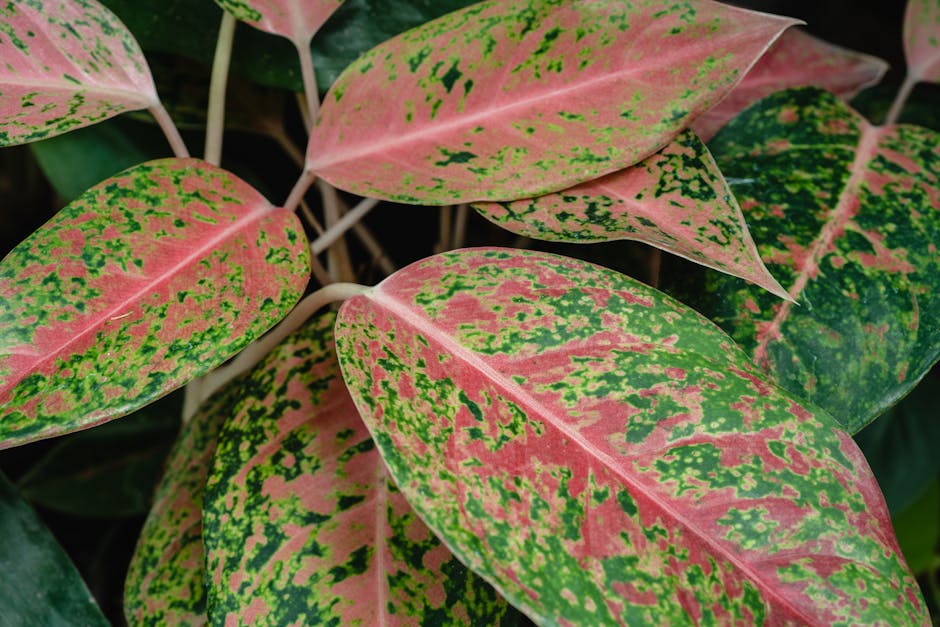
To truly appreciate the Chinese Evergreen, it’s essential to understand its origins and characteristics. Native to tropical and subtropical regions of Asia, Aglaonema is a member of the Araceae family. Adapted to the understory of rainforests, it thrives in conditions that mimic its natural habitat. This explains its preference for indirect light and higher humidity levels. The wide variety of cultivars available today showcases a spectrum of leaf patterns and colors, from the deep green of the Aglaonema ‘Silver Queen’ to the striking reds and pinks of the ‘Red Siam’ variety. Each type brings its own unique flair to your indoor space, making it easy to find one that resonates with your aesthetic.
Chinese Evergreens are often heralded as easy-care plants, making them perfect for those new to houseplant care. Their tolerance for a range of environmental conditions allows them to flourish in many settings, from cozy apartments to bustling offices. However, understanding their specific needs is key to unlocking their full potential, ensuring that they remain healthy and vibrant, and continue to enhance your indoor environment.
Light Requirements
When it comes to light, the Chinese Evergreen is a true champion of versatility, thriving in conditions that would leave many other houseplants struggling. This remarkable plant can adapt to low-light situations, making it an ideal choice for spaces that don’t receive ample sunlight. However, while it can survive in low-light conditions, providing your Aglaonema with bright, indirect light will yield the best results. Under optimal lighting conditions, the colors of its leaves will appear more vibrant, and its growth rate will increase significantly.
If you notice your Chinese Evergreen’s leaves losing their vibrant hues or becoming leggy, it may be a sign that it requires more light. A simple adjustment to a brighter location, where it can bask in indirect sunlight, can work wonders for its overall health and appearance. Conversely, be cautious of direct sunlight, as it can scorch the leaves, causing them to fade and lose their luster. Striking the right balance in light exposure is essential to maintaining a thriving, colorful plant.
Watering Guidelines
Watering is one of the most crucial aspects of plant care, and the Chinese Evergreen is no exception. This plant prefers its soil to be kept slightly moist but not soggy. A good rule of thumb is to water your Aglaonema when the top inch of soil feels dry to the touch. Depending on the environmental conditions in your home, this typically means watering every seven to ten days. However, factors such as temperature, humidity, and pot size can influence the frequency of watering, so it’s essential to observe your plant and adjust accordingly.
Overwatering is a common mistake that can lead to root rot, a serious condition that can jeopardize the health of your plant. To avoid this, ensure that your pot has adequate drainage holes and that you are using a well-draining potting mix. If you find that the soil remains wet for extended periods, consider reducing your watering frequency. On the other hand, if the soil dries out too quickly, you may need to increase humidity around the plant or consider a different potting mix that retains moisture better. By paying close attention to your Chinese Evergreen’s watering needs, you can help it flourish and thrive.
Soil and Potting Requirements
The right soil and potting conditions are fundamental to the health of your Chinese Evergreen. This plant thrives in a well-draining potting mix that allows excess water to escape while retaining enough moisture for the roots to absorb. A high-quality potting soil blended with peat moss, perlite, and a bit of compost works wonders for Aglaonema. This combination not only provides essential nutrients but also promotes aeration, ensuring that the roots have the space they need to grow without becoming waterlogged.
When potting or repotting your Chinese Evergreen, select a pot that is slightly larger than the current one, allowing room for growth. Ensure that the pot has ample drainage holes to prevent water accumulation at the bottom. Repotting is typically recommended every couple of years or when you notice that your plant has outgrown its current container. This process not only provides fresh soil but also allows you to inspect the roots for any signs of rot or distress, ensuring that your plant remains healthy and vibrant.
Temperature and Humidity
Temperature and humidity play significant roles in the overall health of your Chinese Evergreen. This tropical plant thrives in temperatures ranging from 65 to 80 degrees Fahrenheit (18 to 27 degrees Celsius). It’s essential to keep your plant away from drafts, heating vents, or air conditioning units that can cause sudden temperature fluctuations. Maintaining a stable environment will foster healthy growth and vibrant foliage, allowing your Aglaonema to flourish.
In terms of humidity, Chinese Evergreens prefer levels between 40% and 50%. While they can tolerate average household humidity, increasing humidity can significantly benefit the plant, particularly during the drier months. You can achieve higher humidity levels by misting the leaves regularly, placing a humidifier nearby, or grouping your plants together to create a microclimate. If you notice the leaf tips browning or curling, it may indicate that humidity levels are too low, prompting you to take action to improve the environment around your plant.
Fertilizing Schedule
To ensure your Chinese Evergreen remains vibrant and healthy, a regular fertilizing schedule is essential, particularly during its active growing season in spring and summer. Feeding your plant once a month with a balanced, water-soluble fertilizer will provide the necessary nutrients that support growth and improve leaf color. Look for fertilizers specifically formulated for houseplants, as they often contain the right balance of nitrogen, phosphorus, and potassium to enhance overall health.
During the fall and winter months, when the plant enters a period of dormancy, it’s advisable to reduce or even pause fertilization altogether. Chinese Evergreens typically require less nutrition during this time, and over-fertilizing can lead to nutrient buildup in the soil, which can be detrimental to the plant. By adhering to a consistent fertilizing routine and adjusting it seasonally, you can ensure your Aglaonema remains lush and healthy throughout the year.
Propagation Methods
If you’re looking to expand your collection or share your love of Chinese Evergreens with friends, propagating your plant is an enjoyable and rewarding process. The most common method of propagation for Aglaonema is through division, which is typically done during repotting. When you remove your plant from its pot, gently separate the offshoots or pups that have developed around the base of the plant. Each offshoot should have its own roots, making it easy to pot them individually in fresh soil.
Alternatively, you can propagate Chinese Evergreen through stem cuttings. To do this, take a healthy cutting that includes at least one leaf node and place it in water or directly in soil. If using water, ensure that the leaf node is submerged while keeping the rest of the cutting above water. Roots should begin to develop within a few weeks, at which point you can transfer the cutting to a pot with soil. This method is an excellent way to grow new plants from your existing Aglaonema while ensuring that the parent plant continues to thrive.
Common Problems and Solutions
Like all plants, Chinese Evergreens can occasionally encounter issues that may affect their health and appearance. One common problem is yellowing leaves, which can indicate overwatering or insufficient light. If you notice your plant’s leaves turning yellow, first assess your watering habits and ensure that the soil is well-draining. If the soil feels soggy, allow it to dry out before watering again. Additionally, consider the plant’s light conditions; if it’s too dark, moving it to a brighter location with indirect light can help restore its vitality.
Another issue that may arise is leaf discoloration, often manifesting as faded or washed-out colors. This fading typically indicates inadequate light exposure. To remedy this, adjust your plant’s location to provide brighter, indirect light, which will help maintain the vibrant variegation that Aglaonema is known for. Additionally, keep an eye out for pests such as spider mites or aphids, which can affect the health of your plant. Regularly inspecting your plant and maintaining good air circulation can help prevent infestations.
Seasonal Care Adjustments
As the seasons change, so do the care requirements for your Chinese Evergreen. During the spring and summer months, when the plant is actively growing, it requires more frequent watering and fertilization to support its growth. Increased light exposure during these seasons can also enhance its vibrant foliage. Be attentive to the temperature and humidity, ensuring that your plant remains in its ideal range.
As fall approaches and temperatures begin to drop, your Chinese Evergreen will enter a period of dormancy. During this time, reduce watering and halt fertilization to allow the plant to rest. It’s crucial to monitor the humidity levels during winter, as indoor heating can dry out the air. If necessary, take steps to increase humidity around your plant to ensure it remains healthy throughout the colder months. By adjusting your care routine in accordance with the seasons, you can help your Chinese Evergreen thrive year-round, showcasing its stunning foliage and contributing to a vibrant indoor atmosphere.
In conclusion, the Chinese Evergreen is a versatile, easy-care houseplant that brings beauty and life into any space. With its ability to adapt to various light conditions, its low maintenance requirements, and its air-purifying properties, it’s no wonder that Aglaonema has captured the hearts of plant lovers everywhere. By understanding its needs regarding light, water, soil, temperature, humidity, fertilization, propagation, and seasonal adjustments, you can nurture your Chinese Evergreen to its fullest potential, creating a lush, vibrant oasis in your home.
Safety Note: Chinese Evergreen contains compounds that are toxic to cats, dogs, and humans if ingested. Keep plants out of reach of curious pets and small children. Contact a veterinarian or poison control center if ingestion occurs.
Frequently Asked Questions
Can Chinese Evergreen grow in low light? ▼
Yes, Chinese Evergreen is excellent for low-light conditions, though brighter indirect light maintains better colors and growth rate.
How often should I water my Chinese Evergreen? ▼
Water when the top inch of soil feels dry, typically every 7-10 days. Allow soil to dry slightly between waterings.
Why are my Chinese Evergreen leaves losing color? ▼
Color fading usually indicates insufficient light. Move to a brighter location with indirect light to maintain vibrant variegation.
Is Chinese Evergreen safe for pets? ▼
No, Chinese Evergreen is toxic to cats and dogs if ingested. Keep out of reach of pets and children.
How do I propagate Chinese Evergreen? ▼
Propagate through division when repotting, separating offshoots with roots, or by stem cuttings in water or soil.
Was this guide helpful?
Your input helps us improve our guides.
How can we improve this guide?
Similar Plants You Might Like

Aglaonema Silver Bay Care Guide: Complete Instructions for Chinese Evergreen Beauty
Learn how to care for Aglaonema Silver Bay with our comprehensive guide covering light, watering, humidity, and maintaining stunning silver variegation in this easy-care houseplant.
Easy
Aloe Vera Care Guide: Complete Instructions for Aloe Barbadensis Miller
Learn how to care for Aloe Vera plants with our comprehensive guide covering light, watering, harvesting gel, and propagating pups for healthy growth.
Easy
Begonia Care Guide: Complete Instructions for All Types
Learn comprehensive Begonia care including different types, flowering tips, humidity requirements, and propagation for these colorful flowering houseplants.
Moderate