
Fiddle Leaf Fig Care Guide: Complete Instructions for Ficus Lyrata
Learn how to care for Fiddle Leaf Figs with our comprehensive guide covering light, watering, humidity, and preventing common problems like leaf drop.

Quick Care Guide
Bright, indirect light (6+ hours daily)
When top 1-2 inches of soil dry (every 1-2 weeks)
40-65% preferred
65-75°F (18-24°C)
Well-draining potting mix
Monthly during growing season
Keep away from cats, dogs, and children
Fiddle Leaf Figs, scientifically known as Ficus lyrata, have taken the indoor gardening world by storm, captivating plant enthusiasts with their large, glossy leaves and impressive stature. Often regarded as statement plants, they can transform any space into a lush, vibrant escape. However, as stunning as they are, Fiddle Leaf Figs also come with a reputation for being somewhat challenging to care for. Their specific requirements for light, water, and humidity can be a bit daunting, especially for those new to plant care. But fear not! With the right knowledge and a little patience, you can cultivate a thriving Fiddle Leaf Fig that not only beautifies your home but also becomes a source of pride.
In this comprehensive care guide, we delve into every aspect of nurturing your Fiddle Leaf Fig, from understanding its inherent needs to troubleshooting common issues. Whether you are a seasoned plant parent or a curious beginner, this guide will provide you with all the essential information you need to cultivate a healthy and vibrant Ficus lyrata. Join us as we explore the fascinating world of Fiddle Leaf Figs and unlock the secrets to their care.
Getting to Know Your Plant
The Fiddle Leaf Fig is a tropical plant native to the rainforests of West Africa, where it thrives in bright, dappled light beneath the canopy of larger trees. This origin is vital to understanding its requirements, as the Fiddle Leaf Fig has adapted to receive filtered sunlight, which is crucial for its growth. Its iconic leaves, resembling the shape of a fiddle or violin, can grow quite large—sometimes reaching up to 18 inches long—making it a striking addition to any indoor space. The lush foliage not only adds aesthetic appeal but also contributes to improved air quality, making it a perfect companion for your living room or office.
However, the Fiddle Leaf Fig is not without its complexities. Known for being somewhat fussy, it requires specific care to thrive. From the right balance of light to consistent watering and humidity levels, understanding the nuances of this plant is essential for success. With a little bit of dedication, you can ensure that your Fiddle Leaf Fig flourishes and becomes a stunning centerpiece in your home.
Light Requirements
When it comes to light, Fiddle Leaf Figs are quite particular. They thrive in bright, indirect light for a minimum of six hours each day. While they can tolerate some direct sunlight during the morning hours, exposure to harsh afternoon rays can scorch their delicate leaves. Therefore, positioning your plant near a window that receives abundant filtered sunlight is ideal. If you notice that your Fiddle Leaf Fig is stretching or leaning toward the light source, it may be a sign that it needs more light. Conversely, if the leaves begin to yellow or drop, it might be receiving too much direct sunlight.
In the absence of sufficient natural light, consider using a grow light to supplement your Fiddle Leaf Fig’s needs. This can be especially useful during the winter months when sunlight is scarce. Just remember to adjust the distance of the light to prevent overheating the plant. Providing the right light conditions is crucial, as it not only promotes healthy growth but also helps maintain the vibrancy of its rich green foliage.
Watering Guidelines
Watering is a critical aspect of Fiddle Leaf Fig care, and striking the right balance can be a bit of a challenge. The general rule of thumb is to water your plant when the top 1 to 2 inches of soil feel dry to the touch. This typically translates to watering every one to two weeks, but factors like environmental conditions and the size of your plant can influence how often you need to water. Overwatering is one of the most common issues faced by Fiddle Leaf Fig owners, leading to root rot and subsequent leaf drop.
To ensure your Fiddle Leaf Fig thrives, it’s essential to provide adequate drainage. Use a well-draining potting mix, as it will allow excess water to escape while retaining just enough moisture for the roots. Additionally, make sure your pot has drainage holes to prevent water from accumulating at the bottom. During the growing season, you may notice that your plant requires more frequent watering as it actively absorbs moisture to support new growth. Always be consistent with your watering routine, and your Fiddle Leaf Fig will reward you with lush, healthy leaves.
Soil and Potting Requirements
Choosing the right soil and pot for your Fiddle Leaf Fig is vital to its overall health. A well-draining potting mix is essential, as it allows oxygen to reach the roots while preventing water from pooling. A blend designed for indoor plants, enriched with ingredients like peat moss, perlite, and bark, works well for Fiddle Leaf Figs. This combination will provide the necessary aeration and moisture retention to keep your plant happy.
When it comes to potting, choose a container that offers enough space for your Fiddle Leaf Fig to grow without becoming root-bound. A pot that is one size larger than the previous one is generally a good choice. Repotting is typically recommended every couple of years or when you notice that the roots have outgrown their current home. When you repot, be sure to gently loosen any tightly bound roots, as this will encourage new growth. Remember to choose a pot with drainage holes to further ensure that excess water can escape, keeping your Fiddle Leaf Fig’s roots healthy and vibrant.
Temperature and Humidity
Fiddle Leaf Figs thrive in temperatures ranging from 65 to 75°F (18 to 24°C), which closely mirrors their natural tropical environment. Sudden temperature fluctuations or drafts can stress your plant, leading to leaf drop or stunted growth. Therefore, it’s best to avoid placing your Fiddle Leaf Fig near heating vents, air conditioning units, or drafty windows. Maintaining a stable environment will help your plant flourish and maintain its striking appearance.
In addition to temperature, humidity plays a significant role in the well-being of your Fiddle Leaf Fig. Ideally, humidity levels should be kept between 40 and 65%. If your home is particularly dry, especially during the winter months, consider employing a humidifier to create a more suitable environment. Alternatively, you can group your Fiddle Leaf Fig with other plants to create a micro-climate that increases humidity. Misting the leaves occasionally can also help, though it’s important to ensure that water doesn’t accumulate in the leaf axils, as this can lead to fungal issues. By providing the right temperature and humidity levels, you can bolster the health and appearance of your Fiddle Leaf Fig.
Fertilizing Schedule
Fertilization plays a crucial role in promoting healthy growth for your Fiddle Leaf Fig. During the growing season, which typically spans from spring to summer, a monthly application of a balanced, water-soluble fertilizer is recommended. This will provide your plant with the essential nutrients it needs to support new growth and maintain its lush foliage. When selecting a fertilizer, opt for one that is specifically formulated for indoor plants, as these blends will cater to the unique needs of houseplants.
As you approach the fall and winter months, it’s important to reduce or halt fertilization altogether, as your Fiddle Leaf Fig will enter a period of dormancy during the cooler months. Over-fertilizing during this time can lead to nutrient buildup in the soil, which can be detrimental to your plant. Always follow the recommended dosage on the fertilizer package, as too much can cause more harm than good. By adhering to a thoughtful fertilization schedule, you will help your Fiddle Leaf Fig thrive and maintain its stunning appearance.
Propagation Methods
If you’re captivated by the beauty of your Fiddle Leaf Fig and want to expand your collection, propagation is an exciting option. The most successful method for propagating Ficus lyrata is through stem cuttings. To do this, select a healthy stem that has at least one or two leaves. Using a clean, sharp knife or scissors, make a cut just below a leaf node, ensuring that the cutting is several inches long.
Once you’ve made your cutting, remove the lower leaves to avoid them rotting in the water or soil. You can propagate the cutting in water or soil, but many plant enthusiasts find that water propagation is an easier method for beginners. Place the cutting in a glass of water, ensuring that the leaf nodes are submerged while the leaves remain above the waterline. After a few weeks, you should notice roots beginning to develop. Once the roots are around 2-3 inches long, you can transfer the cutting to a pot with well-draining soil.
If you prefer soil propagation, simply plant the cutting directly into a pot filled with a well-draining potting mix. Keep the soil consistently moist but not soggy, and place the pot in a warm, bright location. After a few weeks, you should see new growth, indicating that your cutting has successfully rooted. Propagation not only allows you to expand your collection but also gives you the chance to share the beauty of Fiddle Leaf Figs with friends and family.
Common Problems and Solutions
While Fiddle Leaf Figs are stunning, they are not without their challenges. One of the most common issues faced by owners is leaf drop, which can be alarming. This phenomenon is often caused by factors such as overwatering, underwatering, sudden environmental changes, or insufficient light. To mitigate this issue, maintain a consistent care routine and avoid moving your plant frequently. If you notice leaves dropping, assess its watering schedule and light conditions to identify potential stressors.
Another issue that can arise is leaf browning, which may occur due to low humidity or exposure to direct sunlight. If you find that your Fiddle Leaf Fig’s leaves are browning at the edges, consider increasing the humidity around the plant or adjusting its position to reduce direct sunlight exposure. Additionally, keep an eye out for pests like spider mites and mealybugs. Regularly inspecting your plant and wiping the leaves with a damp cloth can help prevent infestations. If pests are detected, treat the plant with insecticidal soap or neem oil to restore its health.
Seasonal Care Adjustments
As the seasons change, so too does the care your Fiddle Leaf Fig may require. During the growing season, when days are longer and temperatures are warmer, your plant will likely need more frequent watering and fertilization. This is also the perfect time to consider repotting if your Fiddle Leaf Fig has outgrown its pot. As summer transitions into fall, gradually reduce watering and fertilization in preparation for the plant’s dormancy period.
In winter, be mindful of the added stress that lower light levels and dry indoor air can place on your Fiddle Leaf Fig. Position it near a window that receives good light, but avoid drafts and heating vents. You might need to increase humidity levels during this time, as indoor heating can create a dry environment. In spring, as new growth begins to appear, resume your regular watering and fertilization schedule. By adjusting your care routine according to the seasons, you will ensure that your Fiddle Leaf Fig remains healthy and vibrant throughout the year.
In conclusion, caring for a Fiddle Leaf Fig can be a rewarding experience that enhances your indoor space with its stunning foliage. By understanding its specific needs for light, water, humidity, and temperature, you can create an environment where this beautiful plant can thrive. With attention, patience, and the tips outlined in this guide, your Ficus lyrata can grow into a magnificent centerpiece that brings joy and beauty to your home.
Safety Note: Fiddle Leaf Fig contains compounds that are toxic to cats, dogs, and humans if ingested. Keep plants out of reach of curious pets and small children. Contact a veterinarian or poison control center if ingestion occurs.
Frequently Asked Questions
Why is my Fiddle Leaf Fig dropping leaves? ▼
Leaf drop is usually caused by overwatering, underwatering, sudden environmental changes, or insufficient light. Maintain consistent care and avoid moving the plant frequently.
How much light does a Fiddle Leaf Fig need? ▼
Fiddle Leaf Figs need bright, indirect light for 6+ hours daily. They can handle some direct morning sun but should be protected from harsh afternoon sunlight.
How often should I water my Fiddle Leaf Fig? ▼
Water when the top 1-2 inches of soil feel dry, typically every 1-2 weeks. The key is consistency and ensuring proper drainage to prevent root rot.
Can I put my Fiddle Leaf Fig outside? ▼
Yes, Fiddle Leaf Figs can go outside in warm weather (above 50°F) with gradual acclimation. Bring them indoors before temperatures drop below 50°F.
Are Fiddle Leaf Figs toxic to pets? ▼
Yes, all Ficus species including Fiddle Leaf Figs are toxic to pets due to their milky latex sap. Keep away from cats, dogs, and children.
Explore Related Topics
Was this guide helpful?
Your input helps us improve our guides.
How can we improve this guide?
Similar Plants You Might Like
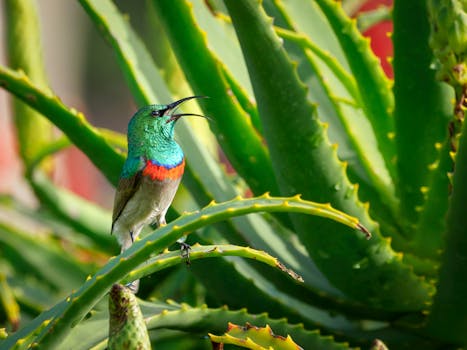
Aloe Vera Care Guide: Complete Instructions for Aloe Barbadensis Miller
Learn how to care for Aloe Vera plants with our comprehensive guide covering light, watering, harvesting gel, and propagating pups for healthy growth.
Easy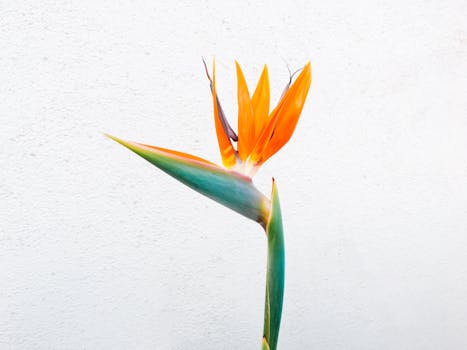
Bird of Paradise Care Guide: Complete Growing Instructions for Strelitzia
Learn how to care for Bird of Paradise (Strelitzia) with our comprehensive guide covering light, watering, humidity, pruning, and troubleshooting for stunning tropical growth.
Moderate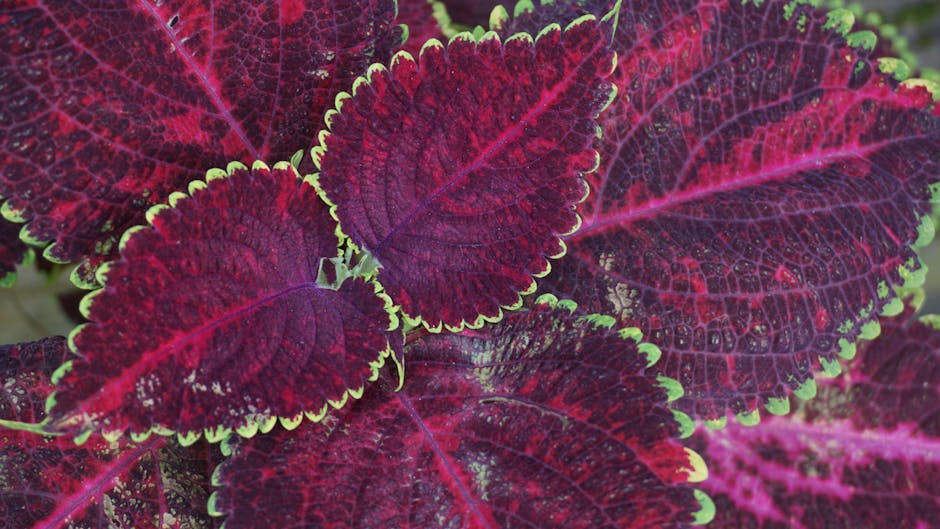
Coleus Care Guide: Complete Solenostemon Instructions
Learn comprehensive Coleus care including light, watering, pinching, and maintaining vibrant foliage colors in this popular colorful houseplant.
Easy