
Boston Fern Care Guide: Complete Instructions for Nephrolepis Exaltata
Learn how to care for Boston Ferns with our comprehensive guide covering humidity, watering, light requirements, and maintaining lush, cascading fronds indoors.
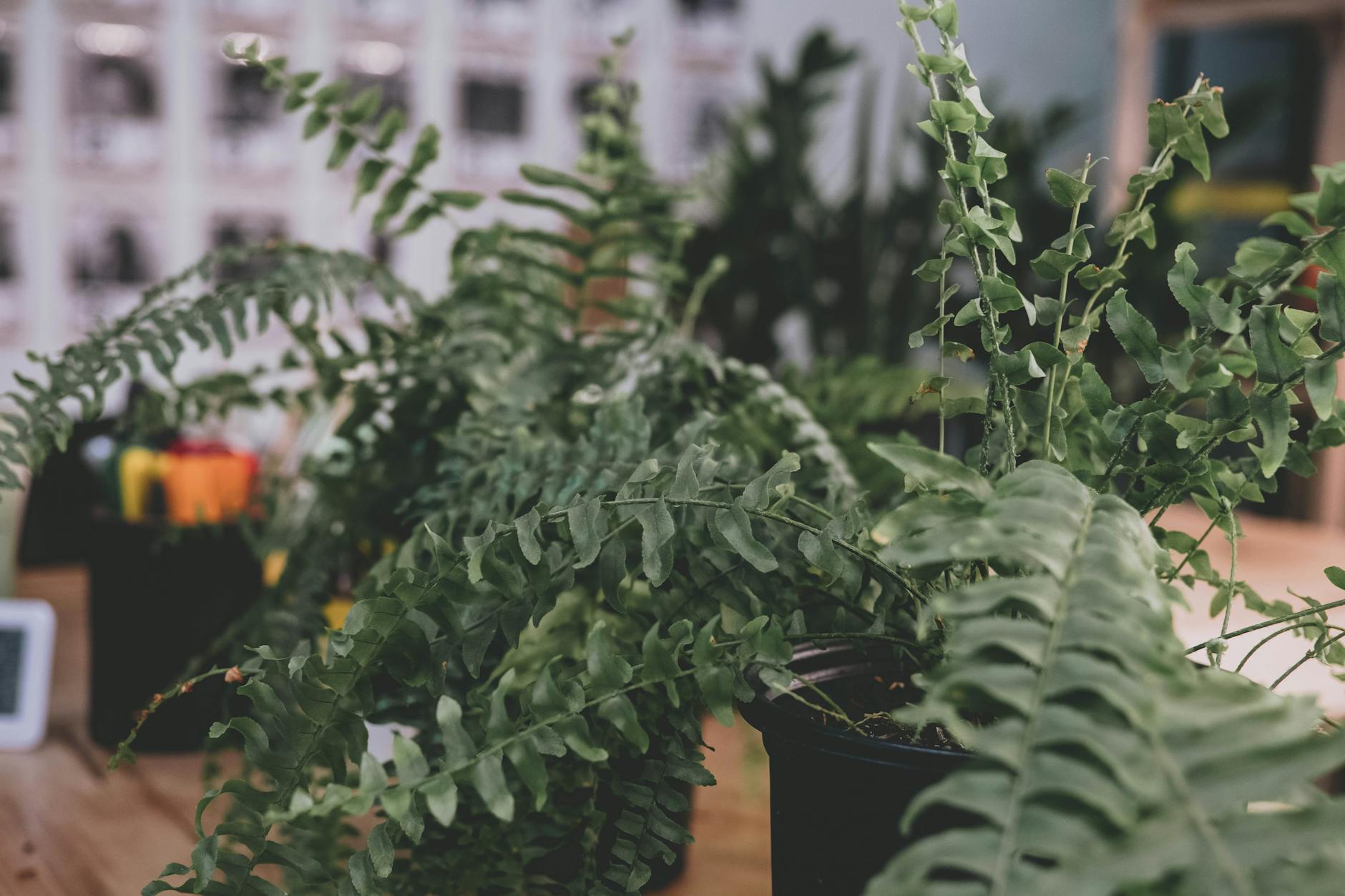
Quick Care Guide
Bright, indirect light
Keep soil consistently moist (every 2-3 days)
50-80% humidity essential
60-70°F (15-21°C)
Well-draining, moisture-retentive potting mix
Monthly during growing season
Non-toxic to cats and dogs
Boston ferns, scientifically known as Nephrolepis exaltata, are a cherished choice among plant enthusiasts for their lush, cascading fronds and air-purifying qualities. These humidity-loving plants bring a touch of natural elegance to any indoor space, making them perfect for homes, offices, or even hanging baskets on a porch. While their beauty is undeniable, caring for a Boston fern can be a bit of a challenge, especially for those who may not be familiar with their specific needs. This guide aims to provide you with comprehensive instructions to cultivate a thriving Boston fern, ensuring that you create an environment where it can flourish.
As you delve deeper into the world of Boston ferns, you’ll discover the importance of humidity, light conditions, and consistent watering. Understanding these critical factors is essential not only for maintaining the plant’s striking appearance but also for its overall health. This guide will walk you through everything you need to know, from the basics of light requirements to the nuances of seasonal care adjustments, ensuring you become a confident caretaker of this enchanting plant.
With that in mind, let’s embark on a journey to explore the essential aspects of Boston fern care, covering all the key elements that will help you nurture your Nephrolepis exaltata into a vibrant, stunning centerpiece in your home.
Getting to Know Your Plant
Boston ferns, with their delicate, feathery fronds, are one of the most popular ferns to cultivate indoors. Native to tropical and subtropical regions, these ferns have adapted beautifully to indoor environments, but they do require specific conditions to thrive. The lush green fronds, which can reach lengths of up to three feet, create a stunning visual appeal that can soften the sharp lines of modern decor or complement a more rustic aesthetic.
One of the most attractive features of the Boston fern is its ability to purify the air, making it not just a visual delight but also beneficial for your indoor environment. Studies have shown that these ferns can help remove toxins like formaldehyde and xylene from the air, contributing to a healthier living space. However, to truly enjoy the beauty and benefits of your Boston fern, you must first familiarize yourself with its needs and preferences.
Light Requirements
The light requirements for Boston ferns are a crucial aspect of their care. These plants flourish in bright, indirect light, which mimics the dappled sunlight they would receive in their natural habitat. Placing your Boston fern near a window that receives filtered sunlight is ideal, as direct sunlight can scorch the delicate fronds, leading to unsightly brown edges or wilting. If you notice these symptoms, it may be a sign that your fern is receiving too much light.
While Boston ferns prefer bright light, they can tolerate medium light conditions. However, it’s essential to strike a balance; too little light can hinder their growth and cause the fronds to become leggy, losing their fullness and appeal. If you find that your fern is not thriving in its current location, consider moving it to a brighter spot or adding sheer curtains to diffuse the sunlight.
In spaces where natural light is limited, you might want to consider using grow lights. These can provide the necessary light spectrum for your Boston fern to flourish. The key is to ensure that whatever light source you use does not expose the fern to direct sunlight, as this could be detrimental to its health.
Watering Guidelines
Watering your Boston fern properly is one of the most critical aspects of its care. These ferns thrive in consistently moist soil, which mimics their natural, humid environment. However, it’s important to find the right balance; while they enjoy moisture, they do not tolerate soggy soil, which can lead to root rot.
As a general rule, you should check the top inch of soil regularly. When it feels slightly dry to the touch, it’s time to give your fern a drink. In warm weather, this might mean watering every two to three days, while in cooler months, you may find that your fern requires less frequent watering. Always use room-temperature water, as cold water can shock the plant.
To maintain moisture levels in the soil, consider using a pot with adequate drainage holes. This allows excess water to escape while retaining the moisture that your fern needs. Additionally, if you live in a particularly dry climate, you can also mist the leaves of your Boston fern regularly. This not only helps to maintain humidity but also keeps the fronds looking fresh and vibrant.
Soil and Potting Requirements
Creating the right soil environment for your Boston fern is essential for its health and growth. These ferns thrive in a well-draining yet moisture-retentive potting mix. A combination of peat moss, pine bark, and perlite or vermiculite works wonderfully, providing the ideal structure for water retention and aeration.
When potting your Boston fern, choose a container that allows for adequate drainage. Clay pots are a great option, as they help wick moisture away from the roots. Ensure the pot is not too large, as overly spacious containers can lead to water retention and root rot. If you notice your fern outgrowing its pot, it may be time to repot; typically, this can be done every couple of years during the spring, which is the active growing season for Boston ferns.
As you repot, gently loosen the roots and remove any dead or rotting sections. This not only helps the plant to establish itself in fresh soil but also promotes healthy growth. After repotting, give your fern a good drink of water to help settle the soil around the roots.
Temperature and Humidity
Boston ferns thrive in a specific temperature and humidity range that mimics their native tropical environments. Ideally, they prefer temperatures between 60 to 70 degrees Fahrenheit, which is comfortable for most indoor settings. Keep in mind that extreme temperature fluctuations can be detrimental; avoid placing your fern near drafts, heating vents, or air conditioning units.
Humidity is perhaps the most critical factor in Boston fern care. These ferns flourish in environments with humidity levels between 50 to 80 percent. Low humidity can lead to brown fronds, wilting, and overall decline. If you live in a dry climate or during winter months when indoor heating reduces humidity levels, consider introducing a humidifier in the room where your fern resides.
Another effective way to boost humidity is to create a pebble tray. Place a shallow dish filled with water and pebbles beneath your fern’s pot, ensuring that the pot itself is not sitting directly in the water, which can lead to soggy roots. As the water evaporates, it creates a localized humid environment that your fern will appreciate. Grouping plants together can also help increase humidity levels, as they collectively release moisture into the air.
Fertilizing Schedule
Fertilizing your Boston fern is an essential part of promoting healthy growth and vibrant fronds. During the active growing season, which typically runs from spring through early fall, it’s beneficial to feed your fern monthly. Choose a diluted liquid fertilizer formulated for houseplants or one specifically designed for ferns, as these will provide the necessary nutrients without overwhelming the delicate root system.
When fertilizing, it’s crucial to follow the manufacturer’s instructions regarding dilution rates. Over-fertilizing can lead to salt build-up in the soil, which can harm your fern. If you notice brown tips on the fronds, it may be a sign of salt accumulation, and you should consider flushing the soil with water to help remove excess salts.
Once the growing season ends and temperatures begin to drop, you can reduce or even cease fertilizing altogether. This rest period is essential for your Boston fern, allowing it to conserve energy and prepare for the next cycle of growth.
Propagation Methods
If you’ve fallen in love with your Boston fern and want to share its beauty, propagating your plant can be a rewarding endeavor. Boston ferns can be propagated through division, which is best done during the spring or early summer when the plant is actively growing.
To propagate through division, carefully remove the fern from its pot and gently separate the root ball into smaller sections, each containing several healthy fronds and roots. Using a clean, sharp knife can help if the roots are particularly dense. After dividing, pot each section in its own container with fresh potting mix, and follow the standard care guidelines for watering and humidity.
Another method of propagation is through spores, which can be a more complex process. Boston ferns produce spores on the undersides of their fronds, typically in late summer. Collecting and planting these spores requires patience and a controlled environment, as they need specific conditions to germinate successfully. For most indoor gardeners, division is the simpler and more effective method.
Common Problems and Solutions
As with any houseplant, Boston ferns can encounter their fair share of problems. One of the most common issues is browning fronds, which usually indicates low humidity or inconsistent watering. If you notice your fern’s fronds turning brown at the tips or edges, it’s time to assess the humidity levels in your home and ensure that you are maintaining consistent moisture in the soil.
Another issue that may arise is pests, such as spider mites or mealybugs. These pests thrive in dry conditions and can cause significant damage to your fern if left unchecked. Regularly inspecting your plant and keeping the foliage clean by misting or wiping the leaves can help prevent infestations. If you do find pests, treat them with insecticidal soap or neem oil, following the product instructions carefully.
Finally, if your fern is looking leggy or sparse, it may not be receiving enough light. Consider relocating your plant to a brighter spot while ensuring it is still shielded from direct sunlight. With a little observation and care, you can easily address these issues and keep your Boston fern thriving.
Seasonal Care Adjustments
As the seasons change, so do the care requirements for your Boston fern. During the spring and summer months, when the plant is actively growing, it will appreciate regular watering, higher humidity, and monthly fertilization. This is the time to ensure that your fern receives plenty of bright, indirect light to promote lush growth.
As fall approaches and temperatures begin to drop, you can gradually reduce watering and fertilizer. The humidity may also decrease during the winter months, especially if you are using heating systems indoors. This is when you should be particularly vigilant about maintaining adequate moisture levels and humidity for your fern.
In the winter, consider moving your fern away from cold drafts and heating vents, as these can stress the plant. You might also want to increase misting or use a humidifier to combat the dry indoor air.
Understanding the seasonal rhythms of your Boston fern will help you provide the best care possible, ensuring that it remains a vibrant and healthy addition to your home year-round.
In conclusion, caring for a Boston fern can be both a rewarding and enjoyable experience. By paying close attention to its light, watering, humidity, and fertilizing needs, you can cultivate a stunning display of lush greenery that not only beautifies your space but also contributes to a healthier indoor environment. With patience and dedication, you will find that your Nephrolepis exaltata can thrive and become a beloved part of your home.
Safety Note: Boston Fern is considered non-toxic to cats and dogs, making it a pet-friendly choice for households with furry companions. However, ingesting any plant material may cause mild stomach upset, so it’s still best to discourage nibbling.
Frequently Asked Questions
How much humidity do Boston Ferns need? ▼
Boston Ferns thrive in 50-80% humidity. They struggle in dry air, so use humidifiers, pebble trays, or group plants together to maintain adequate moisture.
How often should I water my Boston Fern? ▼
Keep soil consistently moist but not waterlogged. Water when the top inch feels slightly dry, typically every 2-3 days in warm weather.
Why are my Boston Fern fronds turning brown? ▼
Brown fronds usually indicate low humidity, inconsistent watering, or direct sunlight exposure. Increase humidity and ensure consistent moisture.
Can Boston Ferns tolerate low light? ▼
Boston Ferns prefer bright, indirect light but can tolerate medium light. They cannot survive in very low light conditions or direct sunlight.
Are Boston Ferns safe for pets? ▼
Yes, Boston Ferns are generally considered non-toxic to cats and dogs, making them excellent choices for pet-friendly homes.
Explore Related Topics
Was this guide helpful?
Your input helps us improve our guides.
How can we improve this guide?
Similar Plants You Might Like

Alocasia Elephant Ear Care Guide: Complete Growing Instructions for Tropical Beauty
Learn how to care for Alocasia Elephant Ear plants with our comprehensive guide covering humidity, watering, light requirements, and troubleshooting for stunning tropical growth.
Moderate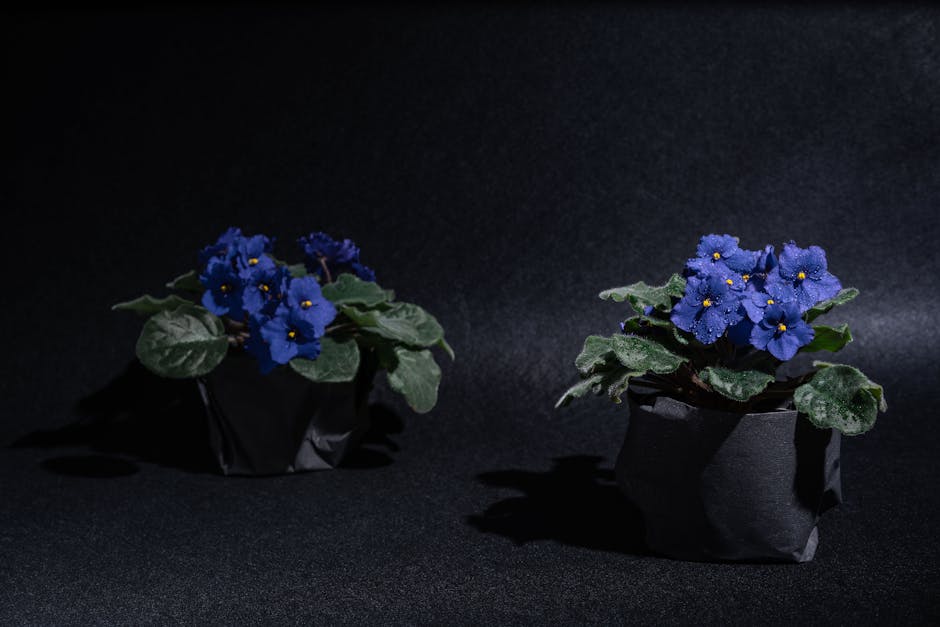
African Violet Care Guide: Complete Saintpaulia Instructions
Learn comprehensive African Violet (Saintpaulia) care including watering, light, humidity, flowering tips, and propagation for these popular flowering houseplants.
Moderate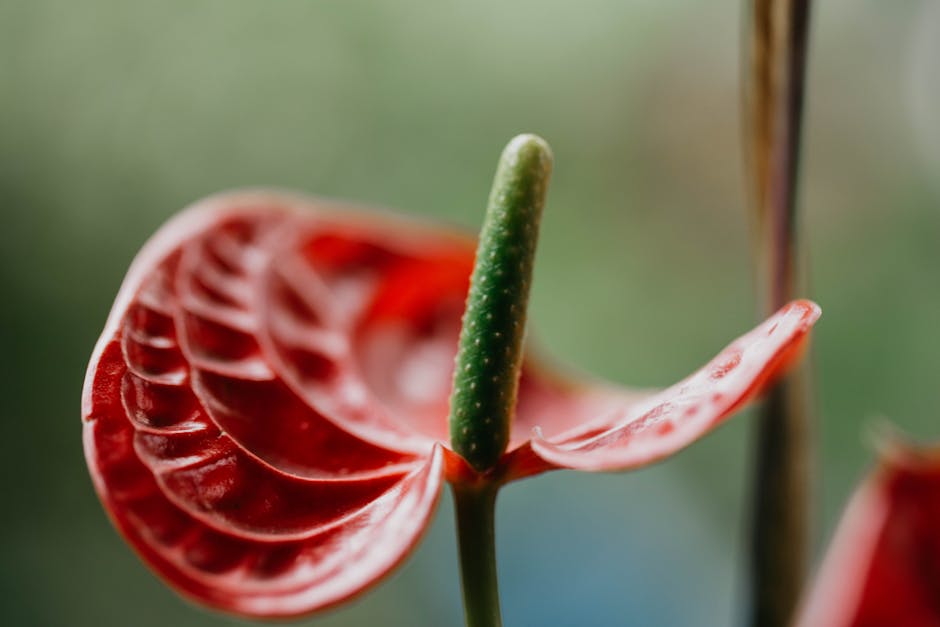
Anthurium Care Guide: Complete Flamingo Flower Instructions
Learn comprehensive Anthurium care including flowering tips, humidity requirements, watering, and maintaining these stunning Flamingo Flower houseplants.
Moderate