
Bird's Nest Fern Care Guide: Complete Growing Instructions
Learn how to care for Bird's Nest Fern (Asplenium nidus) with our comprehensive guide covering watering, light, humidity, and propagation tips.
Quick Care Guide
Bright, indirect light
Keep consistently moist
60-70% or higher
65-80°F (18-27°C)
Well-draining, peat-based mix
Monthly during growing season
Non-toxic to cats and dogs
Caring for plants can be a deeply rewarding experience, especially when it comes to the lush beauty of ferns. Among these, the Bird’s Nest Fern (Asplenium nidus) stands out as a favorite for many plant enthusiasts. This tropical beauty, with its unique rosette shape and glossy fronds, not only adds a touch of greenery to your home but also thrives in conditions that mimic its natural habitat. With the right care, your Bird’s Nest Fern can flourish, offering both aesthetic pleasure and improved indoor air quality.
In this comprehensive care guide, we will delve into the various aspects of nurturing your Bird’s Nest Fern. From understanding its specific light and humidity needs to exploring the best watering practices and soil types, this guide will equip you with all the knowledge necessary to ensure your fern’s health and vitality. Whether you are a seasoned plant parent or a newcomer to the world of indoor gardening, you will find valuable insights that cater to all levels of expertise.
As we embark on this journey through the art of Bird’s Nest Fern care, we will also address common issues that may arise and discuss solutions that can help you maintain this exquisite plant in its prime. So, let’s dive right in and get to know our leafy companion a little better.
Getting to Know Your Plant
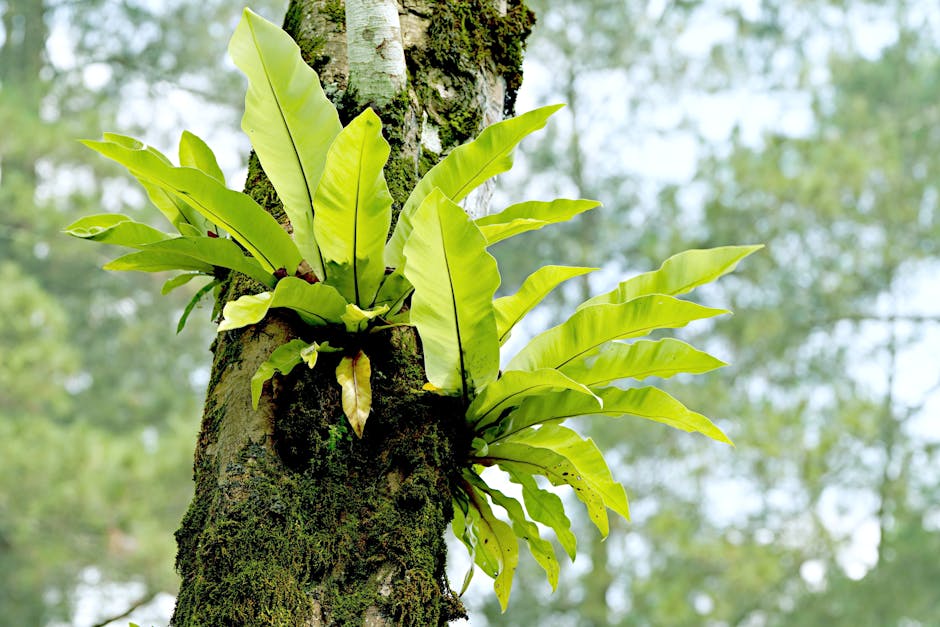
The Bird’s Nest Fern, scientifically known as Asplenium nidus, is a member of the Aspleniaceae family and is native to the tropical regions of Southeast Asia. This fern is characterized by its wide, wavy fronds that emerge from a central rosette, resembling a nest—a feature that has inspired its charming name. Typically, the fronds can reach lengths of up to three feet, creating a striking focal point in any space.
One of the most appealing aspects of the Bird’s Nest Fern is its adaptability. While it prefers bright, indirect light, it can tolerate low-light conditions, although its growth may slow down in such environments. This makes it an excellent choice for various indoor settings, from homes to offices. Furthermore, its non-toxic nature makes it a safe addition for households with pets, allowing plant lovers to enjoy its beauty without worry.
As we explore the care requirements of the Bird’s Nest Fern, it’s essential to remember that this plant hails from a humid tropical environment, which influences its needs. Understanding these needs will empower you to create the perfect conditions for your fern to thrive.
Light Requirements
When it comes to light, the Bird’s Nest Fern has distinct preferences that are crucial for its growth. Ideally, this fern thrives in bright, indirect light. Placing it near a window with filtered sunlight is often the best way to ensure it receives the light it craves. Direct sunlight, however, can scorch the delicate fronds, causing them to turn brown and crispy. If you notice this happening, it’s a clear sign that your fern needs to be relocated to a shadier spot.
While the Bird’s Nest Fern can tolerate low-light conditions, its growth may become sluggish, and its vibrant color may fade. Therefore, striking a balance with light exposure is key to keeping your fern healthy and lively. If you find that your plant is not thriving as expected, consider adjusting its position to find that sweet spot of bright, indirect light that will encourage lush growth.
For those who want to enhance their indoor jungle, placing the Bird’s Nest Fern alongside other medium-light plants can create a harmonious environment. The collective humidity generated by these plants can also benefit the fern, further promoting its health.
Watering Guidelines
Watering is one of the most critical aspects of Bird’s Nest Fern care. This plant prefers consistently moist soil, which mimics its natural habitat where it grows among the humid understory of tropical forests. However, it is essential to strike the right balance. Overwatering can lead to root rot, which is detrimental to the fern’s health. The best approach is to water your Bird’s Nest Fern when the top inch of soil feels dry to the touch, typically once or twice a week. This frequency can vary based on factors such as your home’s humidity levels and temperature.
During the growing season, which generally spans from spring to early fall, your fern may require more frequent watering as it actively grows. Conversely, in the winter months, when growth slows, you may find that the plant needs less frequent watering. Always ensure that excess water can drain freely from the pot to prevent waterlogging.
Additionally, the quality of water you use can influence your fern’s health. Tap water often contains fluoride and chlorine, which can be harmful to sensitive ferns. Using filtered or distilled water can make a significant difference in maintaining the vibrancy of your Bird’s Nest Fern. If you notice the fronds turning brown, it might be time to reassess your watering routine and the type of water you’re using.
Soil and Potting Requirements
Selecting the right soil for your Bird’s Nest Fern is vital for its overall health. A well-draining, peat-based mix is ideal, as it retains moisture while allowing excess water to escape. You can also create your own potting mix by combining potting soil with perlite or orchid bark, enhancing drainage and aeration. This blend mimics the fern’s native environment, where it thrives in rich, organic matter.
When it comes to potting, choose a container with drainage holes to ensure that water doesn’t accumulate at the bottom. This simple step can make all the difference in preventing root rot. As your Bird’s Nest Fern grows, you may need to repot it every couple of years to provide fresh soil and more space for its roots to expand. The best time to repot is during the spring, coinciding with the plant’s active growth period.
When repotting, handle the roots gently. If you notice any dead or mushy roots, trim them back to promote healthy growth. Position your fern in its new pot at the same depth it was previously planted, and give it a good soak after repotting to help it settle into its new home.
Temperature and Humidity
Temperature and humidity are crucial factors in the well-being of your Bird’s Nest Fern. This plant thrives in temperatures between 65-80°F (18-27°C). If the temperature dips below this range, the fern may exhibit stunted growth or browning fronds. Therefore, it’s important to keep your fern in a warm environment, away from cold drafts and extreme temperature fluctuations.
Humidity is another key aspect of the Bird’s Nest Fern’s care. This humidity-loving plant flourishes in conditions of 60-70% or higher. In many homes, especially during the winter months when heating systems dry out the air, achieving this level of humidity can be challenging. However, there are several effective methods to increase humidity around your fern. Using a humidifier is one of the most efficient ways to maintain a consistently humid environment. Alternatively, you can place a pebble tray filled with water beneath the pot. As the water evaporates, it will create a microclimate of humidity around the plant.
Grouping your Bird’s Nest Fern with other plants can also enhance humidity levels, as the collective moisture from each plant contributes to a more humid environment. If you prefer a more hands-on approach, regular misting can be beneficial, though it should not be relied upon as the sole source of humidity.
Fertilizing Schedule
To keep your Bird’s Nest Fern in optimal health, a regular fertilizing schedule during the growing season is essential. Fertilizing monthly with a balanced, water-soluble fertilizer will provide the nutrients your fern needs to thrive. During the spring and summer months, when the plant is actively growing, it will benefit greatly from these nutrients, promoting lush, vibrant fronds.
When applying fertilizer, it’s important to dilute it to half strength to avoid overwhelming the plant. Always apply fertilizer to moist soil, as this will help prevent root burn. As autumn approaches and growth begins to slow, you can reduce or even stop fertilizing entirely until the next growing season arrives. This approach mimics the natural cycles that ferns experience in their native habitats.
If you notice that the foliage is becoming less vibrant or the growth has slowed significantly, it may indicate a need for additional nutrients. Observing your plant closely will help you determine the right balance for your specific growing conditions.
Propagation Methods
If you’re captivated by the charm of the Bird’s Nest Fern and want to expand your collection, propagation is a delightful process to explore. The most common method of propagating this fern is through division. This is best done during the spring when the plant is actively growing. Begin by carefully removing the fern from its pot, taking care not to damage the roots. Once out of the pot, gently separate the root ball into smaller sections, ensuring that each division has healthy roots and fronds.
Replant these divisions in their own pots using a well-draining, peat-based mix, and follow the same care guidelines for the parent plant. Keep the newly potted divisions in a warm, humid environment to encourage growth. It may take some time for them to establish, but with patience and proper care, you will soon have new Bird’s Nest Ferns to admire.
Another method of propagation is through spores, although this process can be more complex and time-consuming. Spores are produced on the undersides of the fronds, and collecting them requires close observation. Once collected, they can be sown on a suitable growing medium, but successful germination and growth may take several weeks or even months. For most plant enthusiasts, division remains the preferred and simpler method of propagation.
Common Problems and Solutions
Every plant enthusiast will encounter challenges at some point in their gardening journey, and the Bird’s Nest Fern is no exception. One of the most common issues faced with this fern is browning fronds. If you notice that the fronds are turning brown, it may be due to low humidity levels, exposure to direct sunlight, or the presence of harmful chemicals in tap water, such as fluoride. To remedy this, increase the humidity around the plant, move it to a location with bright, indirect light, and consider using filtered water for irrigation.
Another issue that may arise is the presence of pests such as spider mites or mealybugs. Regularly inspecting your fern for signs of pests is crucial. If you discover any, a gentle wash with water or a mild insecticidal soap can help eliminate these unwanted visitors. Keeping your fern healthy and well-cared-for will also make it less susceptible to pest infestations.
Overwatering can lead to root rot, a significant concern for many fern owners. If you suspect that your Bird’s Nest Fern is suffering from overwatering, check the roots. Healthy roots should be firm and white, while rotten roots will appear brown and mushy. If you discover rot, trim away the affected roots and repot the fern in fresh soil, taking care to adjust your watering routine to prevent recurrence.
Seasonal Care Adjustments
As the seasons change, so too do the needs of your Bird’s Nest Fern. During the spring and summer months, when the plant is actively growing, you will want to provide it with ample light, humidity, and nutrients. This is the time to maintain a regular watering schedule and monthly fertilization to support its growth.
As autumn arrives and temperatures begin to drop, you may notice a slowdown in growth. It’s a natural response as the plant prepares for the dormancy of winter. During this time, reduce watering and fertilization, allowing the plant to rest. If your indoor environment becomes particularly dry in winter, be proactive in increasing humidity through the methods discussed earlier.
In the winter months, keep an eye on the temperature, ensuring that the fern is not exposed to cold drafts or overly cool conditions. Providing consistent warmth and humidity will help your Bird’s Nest Fern weather the winter months and emerge vibrant and healthy come spring.
In conclusion, caring for a Bird’s Nest Fern can be a joyful and fulfilling endeavor. With its unique beauty and relatively moderate care requirements, this fern is a wonderful addition to any indoor garden. By understanding its specific needs for light, water, humidity, and temperature, along with proper fertilization and propagation techniques, you can cultivate a thriving Bird’s Nest Fern that will bring life and elegance to your home for years to come.
Safety Note: Bird’s Nest Fern is considered non-toxic to cats and dogs, making it a pet-friendly choice for households with furry companions. However, ingesting any plant material may cause mild stomach upset, so it’s still best to discourage nibbling.
Frequently Asked Questions
How often should I water my Bird's Nest Fern? ▼
Water when the top inch of soil feels dry, typically once or twice weekly. Keep soil consistently moist but not waterlogged.
Why are my Bird's Nest Fern fronds turning brown? ▼
Brown fronds usually indicate low humidity, direct sunlight exposure, or fluoride in tap water. Increase humidity and use filtered water.
Can Bird's Nest Fern grow in low light? ▼
Yes, they can tolerate low light but grow best in bright, indirect light. Avoid direct sunlight which can scorch the fronds.
Is Bird's Nest Fern toxic to pets? ▼
No, Bird's Nest Fern is non-toxic to cats and dogs, making it a safe choice for pet owners.
How do I increase humidity for my Bird's Nest Fern? ▼
Use a humidifier, place on a pebble tray with water, group with other plants, or mist regularly around the plant.
Explore Related Topics
Was this guide helpful?
Your input helps us improve our guides.
How can we improve this guide?
Similar Plants You Might Like

Norfolk Pine Care Guide: Complete Indoor Christmas Tree Instructions
Learn comprehensive Norfolk Pine care including light requirements, humidity needs, watering, and maintaining this popular indoor Christmas tree houseplant year-round.
Moderate
Aglaonema Silver Bay Care Guide: Complete Instructions for Chinese Evergreen Beauty
Learn how to care for Aglaonema Silver Bay with our comprehensive guide covering light, watering, humidity, and maintaining stunning silver variegation in this easy-care houseplant.
Easy
Alocasia Elephant Ear Care Guide: Complete Growing Instructions for Tropical Beauty
Learn how to care for Alocasia Elephant Ear plants with our comprehensive guide covering humidity, watering, light requirements, and troubleshooting for stunning tropical growth.
Moderate