
15 Best Low Light Houseplants That Actually Thrive in Dark Rooms
Not every home has bright sunny windows. Discover 15 stunning houseplants that genuinely thrive in low light conditions, from snake plants to ZZ plants and beyond.
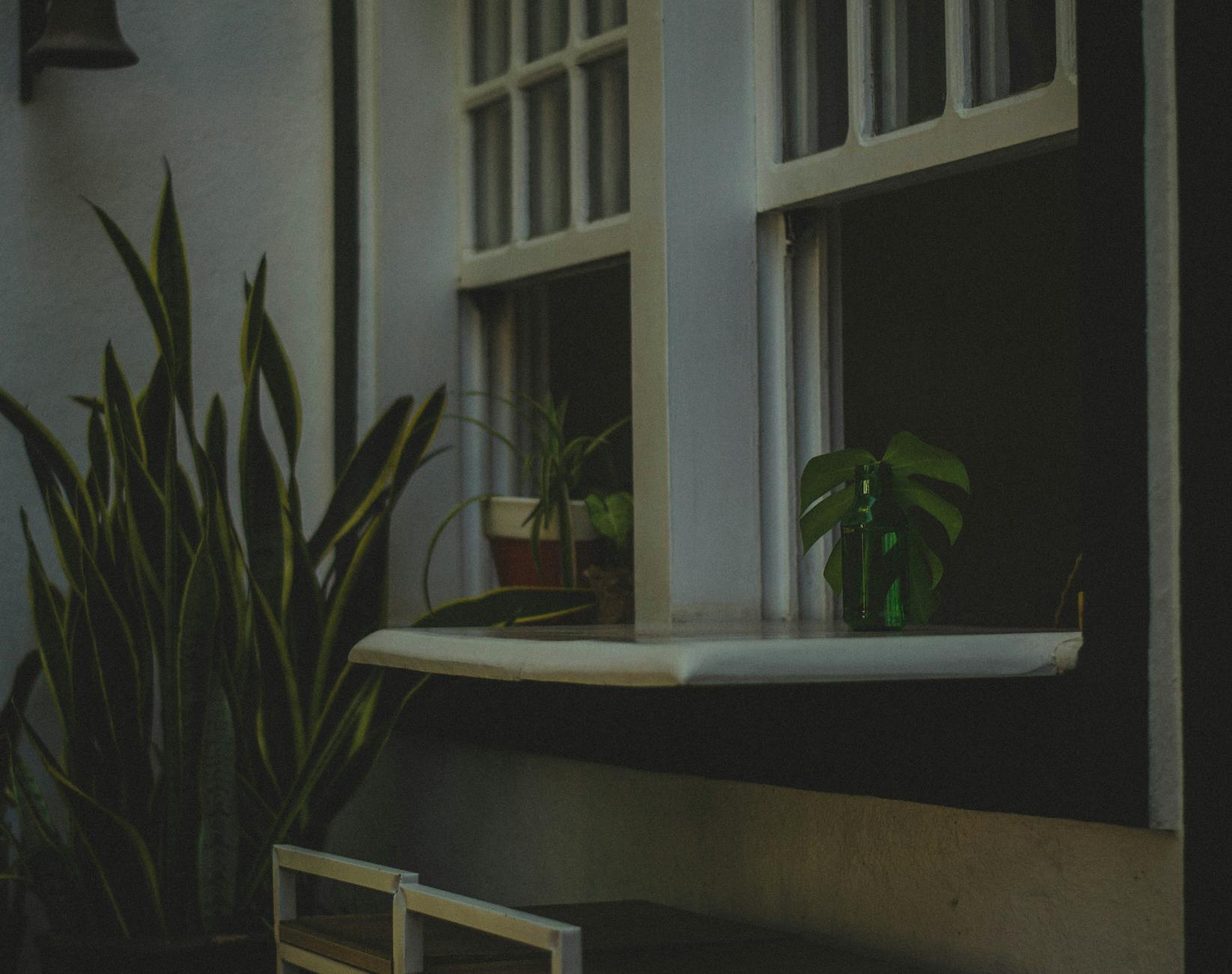
Let’s be honest — not all of us have south-facing windows flooded with natural light. If you live in a north-facing apartment, a basement suite, or simply have rooms with small windows, you might think houseplants aren’t for you. But some plants have evolved to thrive in the understory of dense forests, and they’re perfectly happy in your dimly lit living room.
What Counts as “Low Light”?
Before we dive in, let’s clarify what low light actually means:
- Low light: A few feet from a north-facing window, or a room with no direct sunlight
- Medium light: Near an east-facing window or several feet from a south/west window
- No light: A room with no windows at all — no plant truly survives here long-term
Even low-light plants need some natural light. If you can comfortably read a book in the room during the day, there’s likely enough light for these plants.
The Top 15 Low Light Champions
1. Snake Plant (Sansevieria)
The undisputed king of low-light plants. Snake plants are nearly indestructible and actually prefer being neglected.
- Why it works: Tolerates everything from bright light to deep shade
- Care tip: Water only when soil is completely dry — every 2-4 weeks
- Bonus: NASA-certified air purifier
2. ZZ Plant (Zamioculcas zamiifolia)
With its glossy, dark green leaves, the ZZ plant looks like it belongs in a design magazine.
- Why it works: Stores water in thick rhizomes, handles neglect beautifully
- Care tip: Less is more — overwatering is the main killer
- Bonus: Extremely pest-resistant
3. Pothos (Epipremnum aureum)
The classic trailing plant that grows anywhere. Pothos is perfect for shelves and hanging baskets in dim corners.
- Why it works: Adapts to virtually any light condition
- Care tip: Let soil dry between waterings; trim to encourage bushiness
- Bonus: One of the easiest plants to propagate
4. Peace Lily (Spathiphyllum)
One of the few low-light plants that actually blooms. Peace lilies produce elegant white flowers even in shade.
- Why it works: Native to tropical forest floors
- Care tip: Droops dramatically when thirsty — a built-in watering reminder
- Bonus: Excellent air-purifying qualities
5. Cast Iron Plant (Aspidistra elatior)
Named for its tough-as-iron resilience, the cast iron plant earned its reputation in Victorian parlors.
- Why it works: Survived in gas-lit Victorian homes with minimal light
- Care tip: Slow growing — be patient and don’t overwater
- Bonus: Handles temperature fluctuations and drafts
6. Chinese Evergreen (Aglaonema)
Beautiful variegated foliage in shades of green, silver, and even pink. Chinese evergreens are underrated gems.
- Why it works: Bred for indoor conditions over decades
- Care tip: Keep soil lightly moist; avoid cold drafts
- Bonus: Comes in dozens of stunning color varieties
7. Dracaena
From the dramatic Dracaena marginata to compact varieties, this genus offers something for every space.
- Why it works: Naturally adapted to filtered light
- Care tip: Sensitive to fluoride in tap water — use filtered water if possible
- Bonus: Excellent air purifier according to NASA
8. Parlor Palm (Chamaedorea elegans)
The original Victorian houseplant, parlor palms bring a tropical feel to low-light spaces.
- Why it works: Native to Mexican and Guatemalan rainforest understory
- Care tip: Keep soil slightly moist; mist occasionally for humidity
- Bonus: Pet-safe — great for homes with cats and dogs
9. Philodendron
Both trailing and upright philodendrons adapt well to dim conditions.
- Why it works: Forest floor origin means they’re adapted to filtered light
- Care tip: Let top inch of soil dry between waterings
- Bonus: Fast growers even in moderate shade
10. Boston Fern
The lush, arching fronds of Boston ferns add texture to any room.
- Why it works: Thrives in indirect light and humidity
- Care tip: Keep soil consistently moist and mist regularly
- Bonus: Non-toxic to pets
11. Bird’s Nest Fern
Unlike most ferns, bird’s nest ferns have smooth, wavy fronds that are easier to care for.
- Why it works: Grows on tree trunks in the wild — accustomed to shade
- Care tip: Water into the center rosette; keep humid
- Bonus: Unique sculptural shape
12. Prayer Plant (Maranta)
Known for leaves that fold up at night like praying hands. Prayer plants have stunning patterned foliage.
- Why it works: Forest floor native that can burn in direct sun
- Care tip: Loves humidity — bathroom placement is ideal
- Bonus: Mesmerizing nightly leaf movement
13. Dieffenbachia
Large, tropical-looking leaves with beautiful variegation. Dieffenbachia makes a bold statement.
- Why it works: Adapted to dappled light conditions
- Care tip: Keep away from pets and children (toxic if ingested)
- Bonus: Fast-growing and impressive in size
14. English Ivy
A classic trailing plant that English ivy brings an elegant, old-world charm.
- Why it works: Grows naturally in deep shade of forests
- Care tip: Prefers cooler temperatures; keep soil evenly moist
- Bonus: Excellent for hanging baskets and shelving
15. Peperomia
Compact and colorful, peperomias come in hundreds of varieties perfect for small spaces.
- Why it works: Semi-succulent nature means they’re low-maintenance
- Care tip: Don’t overwater — they store moisture in their thick leaves
- Bonus: Stays small, perfect for desks and nightstands
Tips for Success with Low-Light Plants
- Don’t overwater — low light means slower evaporation, so soil stays wet longer
- Fertilize less — reduced light means slower growth and lower nutrient needs
- Keep leaves clean — dusty leaves absorb even less light
- Be patient — growth will be slower than in bright conditions
- Rotate regularly — ensure all sides get what light is available
Check Out Our Full Collection
Want more options? Browse our complete low-light plants collection for detailed care guides on each of these plants and more.