
Dracaena Care Guide: Complete Dragon Tree Instructions
Learn comprehensive Dracaena care including watering, light, pruning, and varieties. Perfect guide for Dragon Tree, Corn Plant, and other Dracaena species.
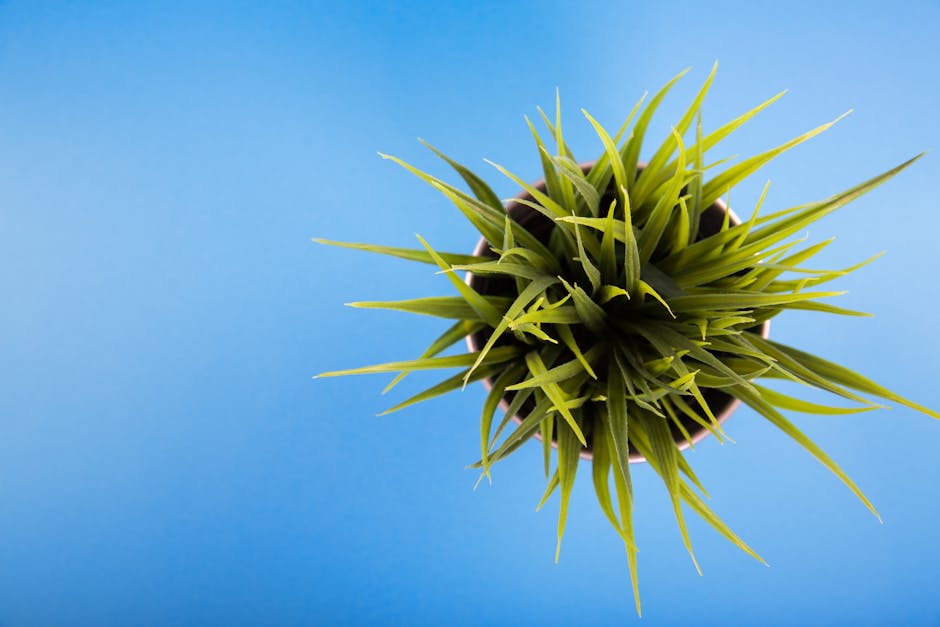
Quick Care Guide
Bright, indirect light (tolerates low light)
Water when top 1-2 inches of soil are dry
Average household humidity
65-75°F (18-24°C)
Well-draining potting mix
Monthly during growing season
Keep away from cats, dogs, and children
Dracaenas, often affectionately referred to as Dragon Trees, are among the most beloved houseplants for both novice and experienced plant enthusiasts alike. Their striking foliage, coupled with their forgiving nature, makes them an ideal addition to any indoor space. With a variety of species, including the popular Corn Plant and the elegant Dracaena marginata, these plants not only beautify your home but also purify the air, making your environment healthier and more inviting. As easy-care plants, they can thrive in various light conditions, making them perfect for both bright and dimly lit areas.
In this comprehensive care guide, we will delve into the essential aspects of Dracaena care. From understanding their light and watering needs to exploring their potting requirements and common problems, you will find all the information you need to ensure your Dragon Tree flourishes. By the end of this guide, you will possess the knowledge to nurture your Dracaena with confidence, ensuring it becomes a stunning focal point in your home.
Getting to Know Your Plant
Dracaena, a genus of about 120 species, is native to tropical regions of Africa, Asia, and Central America. The most common varieties found in homes are Dracaena marginata, Dracaena fragrans (Corn Plant), and Dracaena reflexa (Song of India). Their long, arching leaves come in a range of colors and patterns, often featuring striking variegation that adds visual interest to any space. While these plants can grow quite tall, reaching heights of up to several feet, they can also adapt well to smaller pots, making them versatile choices for any indoor environment.
The resilience of Dracaenas is one of their most appealing traits. They are not only aesthetically pleasing but also incredibly forgiving of occasional neglect, making them perfect for busy individuals or those new to plant care. Although they thrive under specific conditions, they can adapt to a range of environments, and their low-maintenance nature is particularly alluring. Understanding the unique needs of your Dracaena will allow you to cultivate a vibrant and healthy plant that enhances your living space.
Light Requirements
Light is one of the most crucial factors in the successful care of your Dracaena. These plants prefer bright, indirect light, which helps to maintain their vibrant leaf colors and healthy growth. However, they are remarkably adaptable and can tolerate lower light conditions. In fact, many varieties of Dracaena will continue to thrive in spaces that receive filtered sunlight or even partial shade. This makes them particularly suitable for rooms with limited natural light, such as offices or north-facing windows.
It is essential to monitor your Dracaena’s response to its light conditions. If you notice that the leaves are becoming leggy or losing their vibrant color, it may be a sign that your plant is not receiving enough light. Conversely, direct sunlight can scorch their leaves, leading to brown tips or edges, so it’s vital to find a balance. Placing your Dracaena near a window with filtered light or in a well-lit room away from the harsh rays of the sun will help ensure its continued health and vitality.
Watering Guidelines
Watering your Dracaena correctly is integral to its overall health. These plants prefer to dry out slightly between waterings, which helps prevent issues such as root rot. A good rule of thumb is to check the top 1 to 2 inches of soil; if it feels dry to the touch, it’s time to water. Typically, this might mean watering every 7 to 10 days, but the frequency can vary depending on factors such as the size of the pot, the type of soil, and the environmental conditions in your home.
When watering, it’s essential to provide sufficient moisture until it drains out of the bottom of the pot. This ensures that the entire root system receives the hydration it needs while preventing water from pooling, which can lead to root rot. Always be cautious not to let your Dracaena sit in standing water. If you notice the leaves starting to turn yellow, it might be an indication of overwatering, so consider adjusting your schedule or checking the drainage of the pot. Conversely, if the leaves are drooping or curling, it might be a sign that your plant is thirsty, and you should increase the frequency of watering.
Soil and Potting Requirements
The right soil and potting conditions are vital for a healthy Dracaena. These plants prefer a well-draining potting mix that allows excess moisture to escape while retaining just enough water to keep the roots hydrated. A standard houseplant potting mix combined with some perlite or sand can create an ideal environment for your Dragon Tree, promoting healthy root growth and preventing waterlogging.
When it comes to potting your Dracaena, choose a container that provides adequate drainage holes. This allows excess water to escape, reducing the risk of root rot. If you’re repotting an older plant, do so every couple of years or when you notice that it has outgrown its pot. When repotting, gently remove the plant from its current container and shake off any old soil while being careful not to damage the roots. Place the plant in a new pot that’s slightly larger, fill in with fresh potting mix, and water thoroughly. This revitalizing process gives your Dracaena a fresh start, encouraging new growth and ensuring it has the necessary space to thrive.
Temperature and Humidity
Dracaenas flourish in a temperature range of 65 to 75 degrees Fahrenheit (18 to 24 degrees Celsius), making them perfectly suited for typical household environments. They appreciate warmth but are sensitive to cold drafts and sudden temperature fluctuations. It’s best to keep them away from windows that may be prone to drafts during winter or from heat sources such as radiators. If you can maintain a stable temperature within this range, your Dracaena will be more likely to thrive and exhibit lush, healthy growth.
In terms of humidity, Dracaenas are quite adaptable and can thrive in average household humidity levels. However, if you live in an especially dry climate or during the winter months when heating systems can lower humidity, you might consider providing additional moisture. This can be achieved by misting the leaves occasionally or placing a humidifier nearby. Grouping several plants together can also help create a microclimate with higher humidity, benefiting all the plants in the vicinity. Keeping an eye on your plant’s foliage can help you determine if humidity levels are optimal; if the leaf tips begin to brown, it may be a sign that your Dracaena is craving a bit more moisture in the air.
Fertilizing Schedule
To ensure your Dracaena remains healthy and vibrant, a regular fertilizing schedule is essential, particularly during the growing season, which typically spans from spring to early fall. Using a balanced, water-soluble fertilizer diluted to half-strength once a month will provide your plant with the necessary nutrients to support growth and maintain its stunning foliage. Be cautious not to over-fertilize, as this can lead to salt build-up in the soil, which can harm the roots. If you notice any signs of fertilizer burn, such as browning leaf edges, reduce the frequency of fertilization.
During the dormant winter months, your Dracaena will require less nutrition, so it’s appropriate to pause fertilization during this time. This allows the plant to rest and conserve energy, preparing itself for the active growth phase when spring arrives. By maintaining a consistent fertilizing routine during the growing season and allowing for rest in the winter, you can encourage your Dracaena to flourish and exhibit its natural beauty.
Propagation Methods
If you’ve fallen in love with your Dracaena and wish to expand your plant collection, propagation is a rewarding and straightforward process. There are a couple of effective methods for propagating Dracaenas, including stem cuttings and division. One of the simplest ways to propagate is through stem cuttings. To do this, take a healthy stem with several leaves and cut it just below a leaf node using clean, sharp scissors or shears. Place the cutting in a glass of water or directly into moist potting soil. If using water, change it regularly to prevent stagnation. In a few weeks, roots will begin to form, and once they are a few inches long, you can transfer the cutting into its own pot with well-draining soil.
Another method is division, which involves separating a larger Dracaena into smaller sections. This can be done during repotting when you notice that the plant has outgrown its container. Gently remove the plant from its pot and separate the root ball into smaller sections, ensuring that each division has at least a few roots and leaves. Repot each divided section into its own container with fresh potting mix. Both methods are not only effective but also a delightful way to share your love of Dracaenas with friends and family.
Common Problems and Solutions
Despite their hardy nature, Dracaenas can encounter a few common issues that may require your attention. One frequent problem is yellowing leaves, which can often be attributed to overwatering or fluoride toxicity from tap water. If you notice yellow leaves, check your watering schedule and consider switching to filtered water, as Dracaenas can be sensitive to the chemicals found in municipal water supplies. If you suspect overwatering, allow the soil to dry out more between waterings and ensure your pot has adequate drainage.
Another common concern is leaf browning, particularly at the tips. This can be caused by low humidity or underwatering. If your plant’s environment is too dry, try misting the leaves or providing additional humidity through a humidifier. On the other hand, if you determine that underwatering is the issue, adjust your watering schedule to ensure your Dracaena is getting enough moisture.
Pest infestations can also affect Dracaenas. Common pests include spider mites, mealybugs, and scale insects. Regularly inspecting your plant and wiping the leaves with a damp cloth can help keep pests at bay. If you encounter an infestation, treat the affected areas with insecticidal soap or neem oil, ensuring you follow the instructions carefully for the best results. By maintaining a watchful eye and addressing any issues promptly, you can keep your Dracaena healthy and thriving.
Seasonal Care Adjustments
As the seasons change, so too should your care routine for your Dracaena. During the spring and summer months, when the plant is actively growing, it will benefit from increased light and regular watering. This is the ideal time to fertilize, as the plant will utilize the nutrients to support its growth. Monitor your Dracaena closely during these warmer months, as it may require more frequent watering due to increased evaporation and higher temperatures.
As autumn arrives and temperatures begin to drop, it’s essential to gradually reduce the watering frequency, allowing the soil to dry out slightly more between waterings. This shift helps prepare your plant for the dormant winter months ahead. During winter, when growth slows down, you can pause fertilization and reduce watering even further. This period of dormancy is vital for your Dracaena to recharge and prepare for the following growing season.
By adjusting your care routine with the changing seasons, you will ensure that your Dracaena remains healthy and vigorous, ready to burst forth with new growth as spring arrives. With a little attentive care and understanding of your plant’s unique needs, your Dragon Tree can thrive for many years, becoming a cherished part of your home.
Safety Note: Dracaena contains compounds that are toxic to cats, dogs, and humans if ingested. Keep plants out of reach of curious pets and small children. Contact a veterinarian or poison control center if ingestion occurs.
Frequently Asked Questions
How often should I water my Dracaena? ▼
Water when the top 1-2 inches of soil feel dry, typically every 7-10 days. Dracaenas prefer to dry out slightly between waterings.
Why are my Dracaena leaves turning yellow? ▼
Yellow leaves usually indicate overwatering or fluoride toxicity from tap water. Use filtered water and check your watering schedule.
Can Dracaenas grow in low light? ▼
Yes, most Dracaena varieties tolerate low light well, though they grow better in bright, indirect light.
Is Dracaena toxic to pets? ▼
Yes, Dracaenas are toxic to cats and dogs if ingested. They contain compounds that can cause vomiting and other symptoms.
How do I prune my Dracaena to encourage branching? ▼
Cut the main stem at desired height with clean shears. New branches will grow from below the cut, creating a bushier plant.
Was this guide helpful?
Your input helps us improve our guides.
How can we improve this guide?
Similar Plants You Might Like

Norfolk Pine Care Guide: Complete Indoor Christmas Tree Instructions
Learn comprehensive Norfolk Pine care including light requirements, humidity needs, watering, and maintaining this popular indoor Christmas tree houseplant year-round.
Moderate
Aglaonema Silver Bay Care Guide: Complete Instructions for Chinese Evergreen Beauty
Learn how to care for Aglaonema Silver Bay with our comprehensive guide covering light, watering, humidity, and maintaining stunning silver variegation in this easy-care houseplant.
Easy
Aloe Vera Care Guide: Complete Instructions for Aloe Barbadensis Miller
Learn how to care for Aloe Vera plants with our comprehensive guide covering light, watering, harvesting gel, and propagating pups for healthy growth.
Easy