
Prayer Plant Care Guide: Complete Instructions for Maranta Leuconeura
Learn how to care for Prayer Plants with our comprehensive guide covering humidity, watering, light requirements, and understanding their fascinating leaf movements.
Quick Care Guide
Bright, indirect light (never direct sun)
Keep soil consistently moist with filtered water
50-70% humidity essential
65-80°F (18-27°C)
Well-draining, moisture-retentive potting mix
Monthly during growing season
Non-toxic to cats and dogs
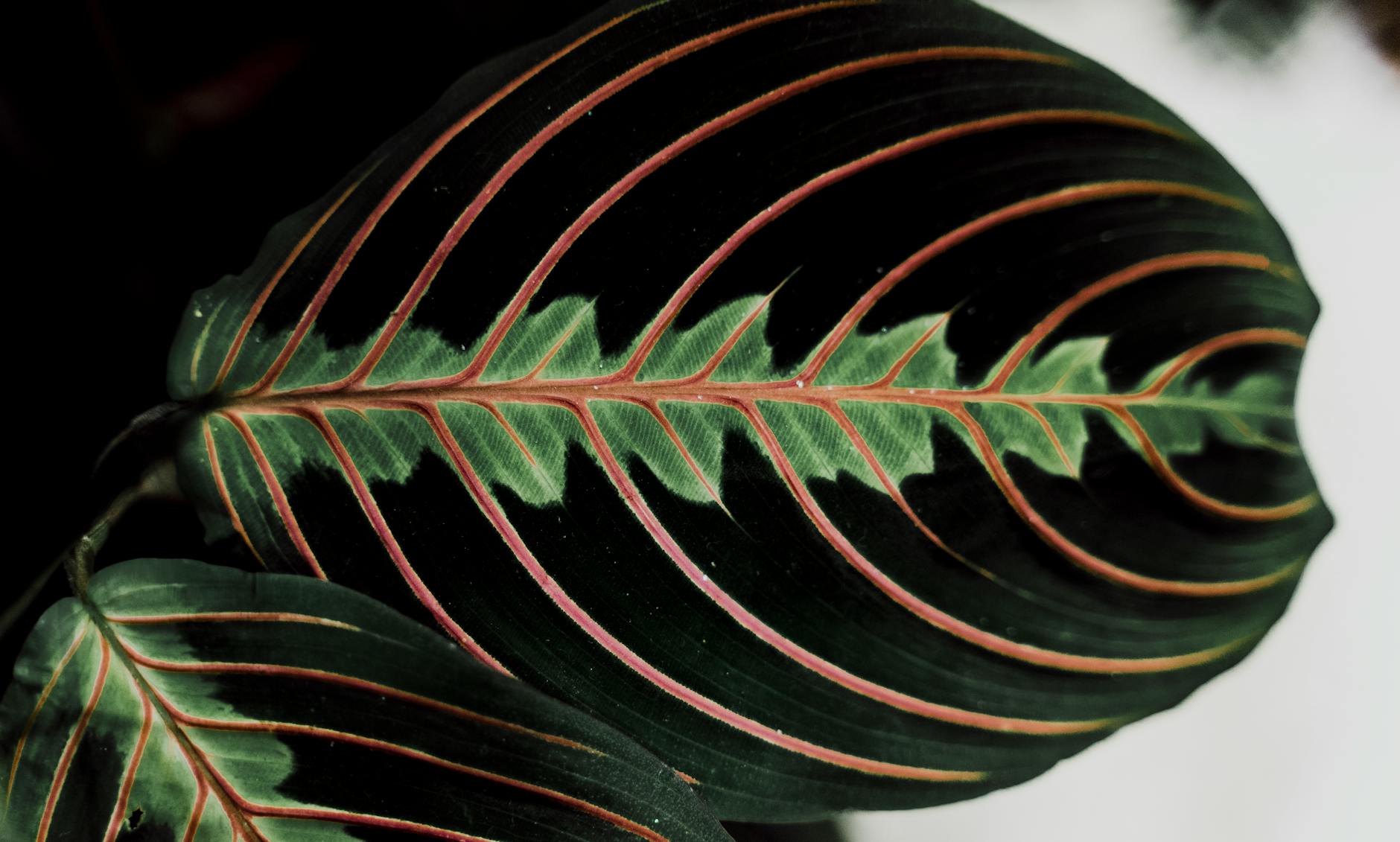
The Prayer Plant, scientifically known as Maranta leuconeura, has enchanted plant enthusiasts with its striking patterned foliage and unique leaf movements. This vibrant houseplant, native to the tropical rainforests of Brazil, has earned its name due to its fascinating behavior of folding its leaves upward at night, resembling hands in prayer. Caring for a Prayer Plant can be a rewarding experience, as it not only adds a splash of lush greenery to your home but also serves as a reminder of nature’s wonders. However, to ensure that your plant thrives, understanding its specific care requirements is essential.
With its desire for high humidity and bright, indirect light, the Prayer Plant may seem a little demanding, especially if you are new to plant care. Nevertheless, with the right knowledge and techniques, you can create an ideal environment for your Prayer Plant to flourish. This comprehensive guide will delve into the necessary care instructions, from light and watering needs to soil preferences and common issues you may encounter, ensuring your Maranta leuconeura remains a vibrant and healthy addition to your indoor garden.
As we embark on this journey through the enchanting world of the Prayer Plant, you will learn not only how to maintain its beauty but also the reasons behind its intriguing leaf movements. So, let’s dive into the specifics of giving your Prayer Plant the care it deserves.
Getting to Know Your Plant
Understanding the nature of the Prayer Plant is the first step toward successful care. Maranta leuconeura is part of the Marantaceae family and is known for its striking leaf patterns, which can vary from deep green to vibrant shades of red and burgundy, all adorned with unique markings. This plant typically grows to about 12 inches tall and spreads out about 18 inches wide, making it a perfect choice for tabletops or hanging baskets.
One of the most captivating features of the Prayer Plant is its nyctinasty, a natural phenomenon where its leaves fold up at night and open during the day. This movement is not just for aesthetics; it serves a vital purpose in conserving moisture and adapting to changing light conditions in its native habitat. While these lovely plants are relatively easy to care for once you understand their needs, they do require specific conditions to thrive and display their vibrant foliage fully.
Light Requirements
When it comes to light, Prayer Plants prefer bright but indirect sunlight. Direct sunlight can scorch their leaves, leading to unsightly brown patches and faded colors, which is the last thing you want for your beautiful plant. Ideally, place your Prayer Plant in a location where it can receive filtered light, such as near a north or east-facing window. If you only have access to south or west-facing windows, consider using sheer curtains to diffuse the harsh rays.
While Prayer Plants can tolerate medium light conditions, a lack of adequate light can hinder their growth and reduce the vibrancy of their foliage. If you notice your plant stretching toward the light source or becoming leggy, it is a clear sign that it requires more brightness. Conversely, if you observe leaf burn or fading colors, it’s time to move it to a location with gentler light. Understanding the intricate needs of your Prayer Plant in terms of light can significantly impact its overall health and appearance.
Watering Guidelines
Watering is one of the most critical aspects of Prayer Plant care. These humidity-loving plants thrive in consistently moist soil, but that does not mean soggy conditions. The key is to find a balance that keeps the soil evenly moist without allowing it to become waterlogged. Overwatering can lead to root rot, a common issue among indoor plants, while underwatering can cause the leaves to droop and lose their vibrant appearance.
To achieve the right moisture level, it is recommended to use filtered water, as Prayer Plants can be sensitive to chlorine and fluoride commonly found in tap water. Check the soil regularly, and when the top inch feels dry to the touch, it’s time to water. During the growing season, which typically spans from spring to summer, your Prayer Plant may require more frequent watering due to increased evaporation rates. In contrast, during the fall and winter months, you may find that the plant needs less water as it enters a period of dormancy. Always be attentive to the plant’s specific needs, as environmental factors such as temperature and humidity can also influence the watering frequency.
Soil and Potting Requirements
Selecting the right soil is another crucial component of Prayer Plant care. These plants thrive in well-draining, moisture-retentive potting mixes that allow for proper aeration while retaining enough moisture for the roots. A high-quality potting mix that includes organic materials such as peat moss or coconut coir provides the ideal environment for your Prayer Plant to flourish.
When potting your Maranta leuconeura, choose a container that has drainage holes to prevent water from accumulating at the bottom. This is vital in avoiding root rot, which can occur when roots sit in stagnant water. Repotting your Prayer Plant every couple of years is advisable, not only to refresh the soil but also to provide ample space for growth. When repotting, be gentle with the roots, as they can be delicate, and avoid compacting the soil too tightly around them.
Temperature and Humidity
The Prayer Plant is a true humidity-loving species, thriving in conditions of 50-70% humidity. As a tropical plant, it is sensitive to dry air, and without the proper humidity levels, you may notice brown edges on the leaves or a reduction in their characteristic movement. If your home has low humidity, especially during the winter months when heating systems can dry the air, consider using a humidifier to create a more favorable environment.
Alternatively, placing your Prayer Plant on a tray filled with pebbles and water can help increase humidity levels around the plant. The evaporating water will create a microclimate that mimics its native habitat. Additionally, grouping your Prayer Plant with other humidity-loving plants can create a small ecosystem that benefits all the plants involved.
In terms of temperature, the ideal range for your Prayer Plant is between 65-80°F (18-27°C). It is essential to keep your plant away from cold drafts, heating vents, or air conditioning units, which can cause temperature fluctuations that stress the plant. Maintaining a stable environment will allow your Maranta leuconeura to thrive and showcase its beautiful foliage.
Fertilizing Schedule
Fertilizing your Prayer Plant is an important aspect of its care, particularly during the growing season when the plant is actively developing new leaves and roots. A balanced, water-soluble fertilizer diluted to half-strength should be applied monthly from spring through early fall. This approach ensures that your plant receives the necessary nutrients to support its growth without the risk of fertilizer burn, which can occur if too much is applied.
During the fall and winter months, when the plant enters a period of dormancy, it is advisable to reduce or completely halt fertilization. This allows the plant to rest and conserve energy, preparing it for the vigorous growth phase that follows in spring. By adhering to a consistent fertilizing schedule, you can nourish your Prayer Plant and promote lush, healthy foliage.
Propagation Methods
If you find yourself enamored with your Prayer Plant and wish to expand your collection, propagation is a delightful option. The most common method of propagating Maranta leuconeura is through division. This process involves carefully separating the plant into smaller sections, each with its own roots. When repotting, you can gently pull apart the root ball and place the divided sections into their own pots filled with fresh potting mix.
Alternatively, you can propagate through stem cuttings. Select a healthy stem with a few leaves and cut it just below a node. Place the cutting in water, ensuring that the node is submerged, and wait for roots to develop. This method may take a few weeks, but once roots are established, you can transfer the cutting to soil. Regardless of the propagation method you choose, ensure that the new plants receive the appropriate light and humidity levels to establish themselves successfully.
Common Problems and Solutions
Despite your best efforts, you may encounter some common issues while caring for your Prayer Plant. One prevalent concern is browning leaves, which often indicates low humidity, poor water quality, or exposure to direct sunlight. To remedy this, ensure that you are using filtered water and maintaining the humidity levels between 50-70%. If you notice leaf burn, move your plant to a location with indirect light.
Another issue you might face is leggy growth, which occurs when the plant is not receiving enough light. To address this, relocate your Prayer Plant to a brighter area while avoiding direct sunlight. Conversely, if the leaves are dropping, this can signal stress due to changes in temperature or humidity. Careful monitoring of your plant’s environment will help you quickly identify and address these issues.
Finally, be on the lookout for pests such as spider mites or aphids, which can be detrimental to your Prayer Plant. Regularly inspect your plant for any signs of infestation, and if you notice pests, treat them promptly with insecticidal soap or neem oil. By staying vigilant and proactive, you can keep your Prayer Plant healthy and thriving.
Seasonal Care Adjustments
As the seasons change, so too do the care requirements for your Prayer Plant. During the warmer months of spring and summer, your plant will be in its active growth phase, requiring more frequent watering and fertilization. This is also the time to monitor light levels carefully, as longer days can mean increased sunlight exposure.
As autumn arrives and temperatures begin to drop, reduce watering and fertilization, allowing your plant to transition into dormancy. It’s important to keep an eye on humidity levels during this time, as indoor heating can dry out the air. Consider adjusting your humidity-boosting techniques to accommodate these changes.
Winter presents its own set of challenges, particularly when it comes to light and humidity. You may need to reposition your Prayer Plant to ensure it receives adequate natural light, and maintaining humidity can become even more critical. As spring approaches, resume your regular watering and fertilizing schedule, and watch your plant burst back to life with new growth.
In conclusion, caring for a Prayer Plant can be an enriching experience that brings a touch of the tropics into your home. By understanding its light, water, humidity, and soil requirements, you can cultivate a thriving Maranta leuconeura that delights you with its stunning foliage and enchanting leaf movements. With patience and attention, your Prayer Plant will not only survive but flourish, becoming a cherished part of your indoor garden. Whether you’re a seasoned plant enthusiast or a novice, the Prayer Plant stands as a testament to the beauty of nature and the rewards of nurturing life.
Safety Note: Prayer Plant is considered non-toxic to cats and dogs, making it a pet-friendly choice for households with furry companions. However, ingesting any plant material may cause mild stomach upset, so it’s still best to discourage nibbling.
Frequently Asked Questions
Why do Prayer Plant leaves fold up at night? ▼
Prayer Plants naturally fold their leaves upward at night and open them during the day. This movement, called nyctinasty, is triggered by changes in light and helps the plant conserve moisture.
How much humidity do Prayer Plants need? ▼
Prayer Plants require 50-70% humidity to thrive. They're very sensitive to dry air and will develop brown edges and reduced leaf movement without adequate humidity.
Why are my Prayer Plant leaves turning brown? ▼
Brown leaves usually indicate low humidity, poor water quality (fluoride/chlorine), or direct sunlight. Use filtered water and maintain high humidity.
Can Prayer Plants tolerate low light? ▼
Prayer Plants prefer bright, indirect light but can tolerate medium light. They cannot survive in very low light or direct sunlight, which can fade their beautiful patterns.
Are Prayer Plants safe for pets? ▼
Yes, Prayer Plants are generally considered non-toxic to cats and dogs, making them excellent choices for pet-friendly homes.
Explore Related Topics
Was this guide helpful?
Your input helps us improve our guides.
How can we improve this guide?
Similar Plants You Might Like

Alocasia Elephant Ear Care Guide: Complete Growing Instructions for Tropical Beauty
Learn how to care for Alocasia Elephant Ear plants with our comprehensive guide covering humidity, watering, light requirements, and troubleshooting for stunning tropical growth.
Moderate
African Violet Care Guide: Complete Saintpaulia Instructions
Learn comprehensive African Violet (Saintpaulia) care including watering, light, humidity, flowering tips, and propagation for these popular flowering houseplants.
Moderate
Anthurium Care Guide: Complete Flamingo Flower Instructions
Learn comprehensive Anthurium care including flowering tips, humidity requirements, watering, and maintaining these stunning Flamingo Flower houseplants.
Moderate