
Peperomia Care Guide: Complete Instructions for All Varieties
Learn comprehensive Peperomia care including watering, light requirements, propagation, and care for different varieties of these charming compact houseplants.
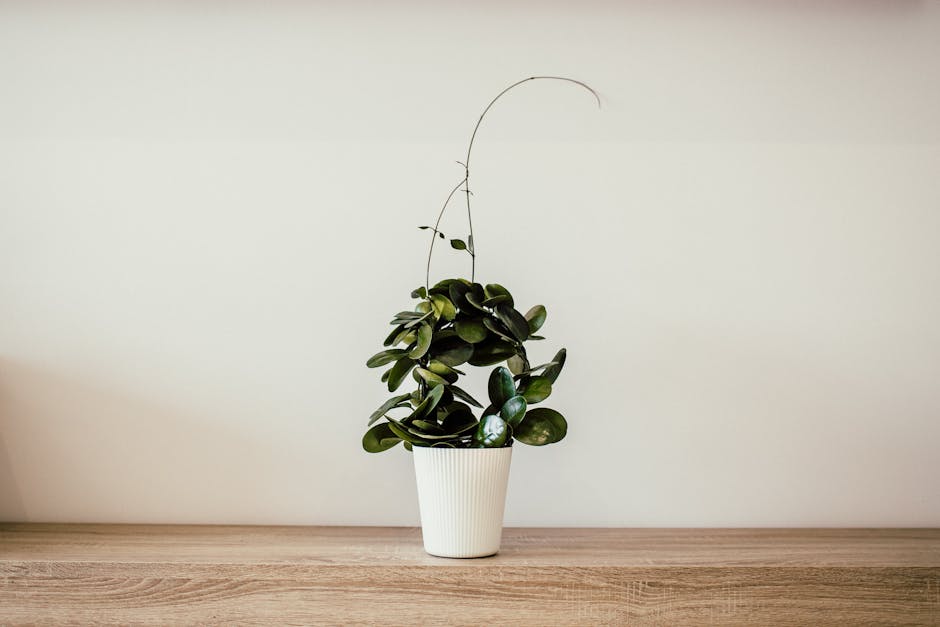
Quick Care Guide
Bright, indirect light
Water when top inch of soil is dry
Average household humidity
65-75°F (18-24°C)
Well-draining, light potting mix
Monthly during growing season
Non-toxic to cats and dogs
Peperomia, a charming and diverse genus of plants, has won the hearts of indoor gardeners and plant enthusiasts alike. Known for their compact size and succulent-like leaves, these plants bring a vibrant touch of greenery to any space. With over 1,000 species to choose from, Peperomias come in a variety of shapes, colors, and textures, making them a delightful addition to your plant collection. Beyond their aesthetic appeal, they are also relatively easy to care for, making them perfect for both novice and experienced plant parents.
What truly sets Peperomias apart is their adaptability. These delightful houseplants thrive in various environments, requiring minimal maintenance while showcasing their unique charm. Whether you’re drawn to the glossy leaves of Peperomia obtusifolia or the stunning variegation of Peperomia caperata, understanding the essential care requirements for these plants will ensure they flourish in your home. In this comprehensive guide, we will delve into the specifics of Peperomia care, covering everything from light and watering needs to propagation techniques and common problems.
As you embark on your journey to cultivate these delightful plants, you’ll discover that Peperomias are not just aesthetically pleasing; they are also safe for pets, making them a perfect choice for households with furry companions. With that in mind, let’s explore the fascinating world of Peperomias and learn how to nurture these lovely houseplants effectively.
Getting to Know Your Plant
Peperomias belong to the Piperaceae family, which also includes the well-known black pepper plant. Originating from tropical and subtropical regions, these plants have adapted to a variety of growing conditions, allowing them to thrive indoors. Their leaves come in a wide array of shapes and colors, ranging from deep green to vibrant reds and variegated patterns, creating a stunning visual display in your home. As compact plants, they are ideal for small spaces, making them perfect for apartment dwellers or those looking to add a touch of nature without overwhelming their living areas.
While Peperomias are technically not succulents, they do possess succulent-like qualities, which contribute to their popularity as houseplants. Their fleshy leaves store water, allowing them to tolerate short periods of drought. This resilience is one of the reasons they are classified as easy-care plants, appealing to both beginners and seasoned plant lovers. With proper care, these plants can live for many years, bringing joy and life to your indoor environment.
Light Requirements
When it comes to light, Peperomias thrive in bright, indirect sunlight. Their natural habitat consists of shaded areas under larger plants or trees, which means they have adapted to thrive in filtered light conditions. Placing your Peperomia near a window that receives bright but indirect sunlight is ideal; however, be cautious of direct sunlight exposure, as this can scorch the delicate leaves. If you notice any signs of sunburn, such as browning leaf edges or spots, it’s a clear indication that your plant needs to be moved to a less intense light location.
While Peperomias can tolerate medium light, they may not grow as vigorously or display the vibrant colors they are known for under these conditions. If you find that your plant is stretching or becoming leggy, this could indicate that it is reaching for more light. A simple remedy would be to reposition your plant closer to a light source, ensuring it still receives the necessary protection from direct sun. In dimmer light conditions, be mindful of watering frequency, as your plant may require even less water in such environments.
Watering Guidelines
Understanding the watering needs of your Peperomia is crucial to its overall health and vitality. The golden rule is to water your plant when the top inch of soil feels dry to the touch. This typically translates to a watering schedule of every seven to fourteen days, depending on environmental conditions such as humidity and temperature. Since Peperomias have succulent-like leaves, they prefer to dry out slightly between waterings. Overwatering can lead to root rot, a common issue that can quickly harm your plant.
To ensure you are not overwatering, it’s essential to assess the moisture level of the soil regularly. Instead of adhering strictly to a calendar, pay attention to the plant and its surroundings. During the warmer months, when your Peperomia is actively growing, it may require more frequent watering. Conversely, in the cooler months, the plant’s growth will slow, and its water needs will diminish. Maintaining a consistent watering routine not only encourages healthy growth but also enhances the plant’s vibrant foliage.
Soil and Potting Requirements
The right soil and potting mix play a significant role in the health of your Peperomia. These plants thrive in well-draining, light potting mixes. A mix designed for houseplants or a combination of potting soil, perlite, and coarse sand can provide the ideal environment. The key is to ensure that excess water drains away quickly, as Peperomias do not tolerate soggy roots. When repotting, choose a pot with drainage holes to further promote healthy root development.
When selecting a container, consider one that is only slightly larger than the current pot, as Peperomias prefer to be somewhat root-bound. This helps encourage a more robust root system while preventing the soil from retaining too much moisture. Repotting is generally recommended every couple of years or when you notice the plant outgrowing its container. Always handle the roots delicately during the process to minimize stress and shock to your plant.
Temperature and Humidity
Peperomias thrive in a temperature range of 65 to 75°F (18 to 24°C), making them well-suited for typical household conditions. They are not fans of extreme temperature fluctuations, so it is essential to keep them away from drafts, heating vents, or air conditioning units. Consistent temperatures will help your plant maintain its health and vigor, allowing it to flourish in your home.
In terms of humidity, Peperomias generally adapt well to average household humidity levels. They do not require the high humidity that some tropical plants demand, which makes them an excellent choice for a variety of indoor environments. However, if you live in an especially dry climate or experience low humidity during winter months, you may want to consider increasing humidity levels around your plant. This can be achieved by placing a humidifier nearby or grouping your Peperomia with other plants to create a more humid microclimate.
Fertilizing Schedule
To keep your Peperomia looking its best, a regular fertilizing schedule during the growing season is essential. Typically, this means applying a balanced houseplant fertilizer once a month from spring through early fall. During these months, your plant will be actively growing and can benefit from the additional nutrients. Be sure to dilute the fertilizer to half the recommended strength to avoid over-fertilization, which can lead to salt buildup in the soil and harm your plant.
In the fall and winter, as your Peperomia enters its dormant phase, you can reduce or even eliminate fertilization. This allows the plant to conserve energy and resources, preparing itself for the next growing season. Observing your plant’s growth and adjusting your fertilization routine accordingly will help you maintain its health and vibrant appearance.
Propagation Methods
If you’re enchanted by your Peperomia and wish to share the love, propagating this plant is a rewarding and straightforward process. Most varieties of Peperomia can be easily propagated from leaf or stem cuttings. To begin, select a healthy leaf or stem from your plant and make a clean cut. If you opt for a leaf cutting, ensure it has a petiole, as this will aid in rooting.
Once you have your cutting, you can propagate it in either water or moist soil. If you choose water propagation, place the cutting in a glass or jar filled with clean water, ensuring that the cut end is submerged. Change the water regularly to keep it fresh and oxygenated. Roots typically develop within two to four weeks. Alternatively, if you prefer soil propagation, plant the cutting directly in a well-draining potting mix, keeping the soil consistently moist until roots establish.
Regardless of the method you choose, patience is key. Once roots have developed, you can transplant your new Peperomia into its own pot, allowing it to grow and thrive independently.
Common Problems and Solutions
Even with the best care, Peperomias can sometimes encounter issues that may hinder their growth. One common problem is leaf drop, which often indicates overwatering, sudden temperature changes, or stress. If you notice leaves dropping, check the soil moisture to see if it is too wet. Allow the soil to dry out, and adjust your watering habits accordingly. Additionally, ensure that your plant is in a stable environment with consistent temperatures.
Another issue that may arise is pests, such as mealybugs or aphids. These pests can be a nuisance, but they are generally easy to manage. Regularly inspect your plant for any signs of infestation, such as sticky residue or visible bugs. If you spot pests, you can gently wipe them off with a damp cloth or use insecticidal soap to treat the affected areas. Keeping your plant healthy and well-cared-for will help minimize the risk of pest problems.
Seasonal Care Adjustments
As the seasons change, so too should your approach to Peperomia care. During the growing season, which typically spans from spring to early fall, your plant will require more frequent watering and fertilization to support its active growth. This is also the ideal time for repotting, as the plant is more resilient and capable of handling the transition.
As winter approaches, it’s important to adjust your care routine. The cooler temperatures and reduced light can slow down your Peperomia’s growth, so be mindful of watering frequency, allowing the soil to dry out more between waterings. Reducing or ceasing fertilization during this period will also help your plant conserve energy.
In summary, Peperomias are charming and easy-care houseplants that can brighten any room with their unique foliage and compact size. By understanding their specific needs in terms of light, water, soil, temperature, and humidity, you can provide the ideal environment for your Peperomia to thrive. With a little attention and care, you will create a lush and vibrant indoor oasis filled with these delightful plants. Whether you are a seasoned plant parent or just starting out, Peperomias offer a wonderful opportunity to connect with nature and enjoy the many benefits of indoor gardening.
Safety Note: Peperomia is considered non-toxic to cats and dogs, making it a pet-friendly choice for households with furry companions. However, ingesting any plant material may cause mild stomach upset, so it’s still best to discourage nibbling.
Frequently Asked Questions
How often should I water my Peperomia? ▼
Water when the top inch of soil feels dry, typically every 7-14 days. Peperomias prefer to dry out slightly between waterings due to their succulent-like leaves.
What light do Peperomias need? ▼
Bright, indirect light is ideal. They can tolerate medium light but avoid direct sunlight which can scorch their delicate leaves.
How do I propagate Peperomia? ▼
Most Peperomias propagate easily from leaf or stem cuttings. Place cuttings in water or moist soil and roots will develop in 2-4 weeks.
Are Peperomias safe for pets? ▼
Yes, Peperomias are generally considered non-toxic to cats and dogs, making them excellent choices for pet-owning households.
Why are my Peperomia leaves dropping? ▼
Leaf drop usually indicates overwatering, sudden temperature changes, or stress. Check soil moisture and ensure stable growing conditions.
Explore Related Topics
Was this guide helpful?
Your input helps us improve our guides.
How can we improve this guide?
Similar Plants You Might Like

Aglaonema Silver Bay Care Guide: Complete Instructions for Chinese Evergreen Beauty
Learn how to care for Aglaonema Silver Bay with our comprehensive guide covering light, watering, humidity, and maintaining stunning silver variegation in this easy-care houseplant.
Easy
African Violet Care Guide: Complete Saintpaulia Instructions
Learn comprehensive African Violet (Saintpaulia) care including watering, light, humidity, flowering tips, and propagation for these popular flowering houseplants.
Moderate
Aloe Vera Care Guide: Complete Instructions for Aloe Barbadensis Miller
Learn how to care for Aloe Vera plants with our comprehensive guide covering light, watering, harvesting gel, and propagating pups for healthy growth.
Easy