
Philodendron Care Guide: Complete Heartleaf Philodendron Instructions
Learn comprehensive Philodendron care including watering, light, humidity, propagation, and varieties of this popular trailing houseplant.
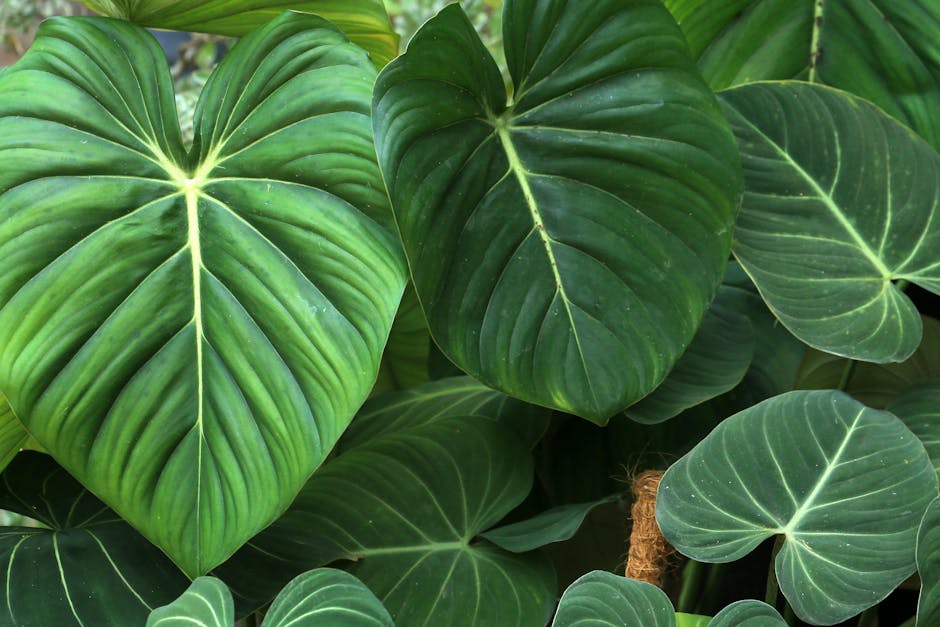
Quick Care Guide
Bright, indirect light (tolerates medium light)
Water when top inch of soil is dry
Moderate humidity preferred (40-60%)
65-80°F (18-27°C)
Well-draining potting mix
Monthly during growing season
Keep away from cats, dogs, and children
The heartleaf philodendron, known scientifically as Philodendron hederaceum, is a beloved houseplant that has charmed its way into the hearts of plant enthusiasts around the world. With its lush green, heart-shaped leaves and trailing vines, this attractive plant not only enhances the aesthetic of your living space but also contributes to improving indoor air quality. Easy to care for and adaptable, the heartleaf philodendron is an excellent choice for those new to plant care as well as seasoned horticulturists looking to add a robust species to their collection.
In this comprehensive guide, we will delve into the essential aspects of heartleaf philodendron care, covering everything from light and watering to propagation methods and problem-solving. Whether you’re aiming to create a stunning hanging display or train your plant to climb, this guide will equip you with the knowledge you need to ensure your philodendron thrives.
Now, let’s get acquainted with this delightful plant to understand its unique personality and requirements.
Getting to Know Your Plant
The heartleaf philodendron is part of the larger Philodendron genus, which includes over 400 species. This particular variety is known for its beautiful, glossy leaves that can grow up to 4-6 inches long. The leaves emerge in a vibrant green hue, and as they mature, they exhibit a lovely heart shape that gives the plant its affectionate name. With its growth habits, the heartleaf philodendron can either trail gracefully from a hanging basket or climb up supports like moss poles, making it a versatile addition to any indoor garden.
One of the characteristics that make this plant so appealing is its air-purifying ability. It works tirelessly to filter toxins from the air, thus contributing to a healthier living environment. Additionally, the heartleaf philodendron is known for its resilience. It can adapt to a range of indoor conditions, making it an ideal choice for beginners and those who may not have the greenest of thumbs.
Understanding the fundamental needs of your heartleaf philodendron will set the foundation for a flourishing relationship. After all, when you provide the right care, you’ll be rewarded with lush foliage and vibrant growth.
Light Requirements
Light is a critical factor in the health and vitality of your heartleaf philodendron. This plant thrives best in bright, indirect light, which mimics the dappled sunlight it would receive in its native tropical environment. If you can position your philodendron near an east or north-facing window, it will be most content; however, it can also tolerate medium light conditions.
Be mindful, though, as direct sunlight can scorch its tender leaves, leading to unsightly brown spots or even leaf drop. If you notice your plant stretching towards the light, it may be an indication that it requires a brighter location. Conversely, if the leaves are turning yellow, it might suggest that your plant is receiving too much light. Finding the right balance is key to maintaining the lush green foliage that heartleaf philodendrons are known for.
Watering Guidelines
When it comes to watering your heartleaf philodendron, consistency is essential, but so is caution. This plant prefers to be watered when the top inch of soil feels dry, typically every 7 to 10 days, depending on factors like humidity and temperature. The heartleaf philodendron enjoys consistently moist soil, but be cautious not to let it sit in waterlogged conditions, as this can lead to root rot.
To determine when to water, simply stick your finger into the soil; if it feels dry at the top, it’s time to give your plant some hydration. When you do water, ensure that you provide enough so that it drains through the bottom of the pot. This practice not only quenches your plant’s thirst but also helps flush out any accumulated salts from fertilizers, keeping the soil healthy.
In addition to regular watering, consider the quality and temperature of the water. Room temperature water is generally best, as cold water can shock the roots. If you use tap water, letting it sit for a few hours before watering can help to dissipate any chlorine or chemicals that may be present.
Soil and Potting Requirements
The heartleaf philodendron thrives in a well-draining potting mix that allows for adequate airflow to the roots. A high-quality potting soil blended with perlite or orchid bark will provide the drainage and aeration that this plant needs to flourish. This mixture mimics the natural growing conditions in the wild, where these plants often thrive in loose, organic-rich soil that drains quickly.
When potting your philodendron, choose a container with drainage holes to prevent excess water from accumulating at the bottom. Over time, as your plant grows, it may become root-bound, which means its roots have filled the pot and are in need of more space. If you notice roots growing out of the drainage holes or if the soil dries out faster than usual, it may be time to repot your philodendron into a slightly larger container.
Repotting is best done during the spring or summer months when the plant is actively growing. This not only encourages healthy growth but also minimizes stress on the plant. When repotting, gently remove the plant from its current pot, untangle any tightly wound roots, and place it in the new pot with fresh soil.
Temperature and Humidity
Heartleaf philodendrons prefer a warm environment, thriving at temperatures between 65°F to 80°F (18°C to 27°C). While this plant can tolerate occasional temperature fluctuations, it is essential to keep it away from drafts or extreme temperature changes, as these can stress the plant and lead to health issues.
In terms of humidity, the heartleaf philodendron enjoys moderate humidity levels ranging from 40% to 60%. If your home tends to be on the drier side, especially during winter months, consider using a humidifier or placing a tray of water with pebbles near your plant to increase humidity. Alternatively, misting the leaves occasionally can help maintain moisture levels, but be careful not to overdo it, as excessive moisture on the leaves can lead to fungal issues.
For those who live in particularly dry climates or are using heating systems during colder months, monitoring humidity levels can be especially crucial. Keeping your philodendron in proximity to other plants can also create a microclimate that enhances humidity, making it a thriving haven for your heartleaf philodendron.
Fertilizing Schedule
To keep your heartleaf philodendron growing strong and vibrant, a regular fertilizing schedule is essential, particularly during the growing season, which typically spans from spring through summer. Using a balanced, water-soluble fertilizer diluted to half strength once a month will provide the necessary nutrients to support healthy growth and lush foliage.
As the seasons change and your plant enters its dormant phase in the fall and winter, reduce or eliminate fertilization. Philodendrons do not require as many nutrients during this time, and over-fertilizing can lead to salt buildup in the soil, which may harm the roots and inhibit growth.
When applying fertilizer, ensure that the soil is slightly moist to prevent root burn. If you notice your plant’s growth slowing down or leaves becoming discolored, it may be a sign that it needs a nutrient boost. However, always remember that less is more when it comes to fertilizing; it’s often better to under-fertilize than to overdo it.
Propagation Methods
One of the joys of caring for a heartleaf philodendron is the opportunity to propagate it and share its beauty with friends or expand your plant collection. Propagation is relatively simple and can be achieved through stem cuttings. To successfully propagate your philodendron, start by selecting a healthy stem with at least one node, as this is where new roots will develop.
Using clean, sharp scissors, cut the stem just below a node. You can propagate the cutting in water or directly in soil. If you choose the water method, place the cutting in a container of water, ensuring that the node is submerged while the leaves remain above the waterline. Change the water weekly to keep it fresh. Roots will typically begin to form within 2 to 4 weeks.
If you prefer to propagate directly in soil, use a well-draining potting mix and plant the cutting about an inch deep, ensuring that the node is buried. Keep the soil moist but not soggy, and place the pot in a warm location with indirect light. After a few weeks, you should notice new growth emerging, indicating that your cutting has successfully rooted.
Regardless of the method you choose, patience is key. Watching your new plant thrive will be incredibly rewarding, and you’ll soon find yourself with a beautiful new heartleaf philodendron to enjoy or gift.
Common Problems and Solutions
Even the hardiest of plants can encounter issues from time to time, and the heartleaf philodendron is no exception. One common problem that growers face is yellowing leaves. This can often be attributed to overwatering, poor drainage, or natural aging. If you notice yellow leaves, take a moment to evaluate your watering schedule and soil conditions. Letting the soil dry out a bit more between waterings can help correct this issue.
Another challenge you may encounter is leggy growth, which typically occurs when the plant is not receiving enough light. If your philodendron is stretching towards a light source, consider moving it to a brighter location or supplementing with grow lights.
Additionally, leaf drop can occur due to stress from environmental changes, overwatering, or underwatering. If you notice leaves falling, assess the conditions of your plant promptly. Lastly, keep in mind that philodendrons are toxic to pets. If you have curious cats or dogs, be mindful of their interactions with your plant.
Seasonal Care Adjustments
As the seasons change, so too will the care requirements for your heartleaf philodendron. In spring and summer, when growth is at its peak, be attentive to increased watering needs and consider more frequent fertilization. Monitor for pests, as warmer temperatures can invite unwanted visitors like spider mites or aphids.
As fall approaches, gradually reduce watering and fertilization as your plant enters dormancy. During this time, it may not require as much attention, but keep an eye on humidity levels, especially in heated indoor environments. Come winter, provide your philodendron with a cozy spot away from drafts and ensure it receives adequate light to counteract the shorter days.
By understanding and adjusting your care routine according to the seasons, you can ensure that your heartleaf philodendron remains healthy and vibrant all year round, providing you with a lush display of nature’s beauty in your home.
In conclusion, the heartleaf philodendron is a delightful addition to any indoor garden, offering both aesthetic appeal and air-purifying benefits. With its easy-care nature and adaptability to various environments, it stands as an excellent choice for both novice and experienced plant lovers alike. By following the guidelines outlined in this comprehensive care guide, you can nurture your heartleaf philodendron to thrive and enjoy the many rewards this stunning plant has to offer. Happy gardening!
Safety Note: Philodendron contains compounds that are toxic to cats, dogs, and humans if ingested. Keep plants out of reach of curious pets and small children. Contact a veterinarian or poison control center if ingestion occurs.
Frequently Asked Questions
How often should I water my Philodendron? ▼
Water when the top inch of soil feels dry, typically every 7-10 days. Philodendrons prefer consistently moist but not waterlogged soil.
Can Philodendrons climb or just trail? ▼
Most Philodendrons are natural climbers and will climb moss poles or other supports. They can also trail beautifully in hanging baskets.
How do I propagate my Philodendron? ▼
Philodendrons propagate easily from stem cuttings with nodes. Place in water or moist soil and roots will develop in 2-4 weeks.
Is Philodendron toxic to pets? ▼
Yes, Philodendrons are toxic to cats and dogs if ingested. They contain calcium oxalate crystals that can cause mouth irritation.
Why are my Philodendron leaves turning yellow? ▼
Yellow leaves usually indicate overwatering, poor drainage, or natural aging. Check your watering schedule and soil drainage.
Was this guide helpful?
Your input helps us improve our guides.
How can we improve this guide?
Similar Plants You Might Like

Aglaonema Silver Bay Care Guide: Complete Instructions for Chinese Evergreen Beauty
Learn how to care for Aglaonema Silver Bay with our comprehensive guide covering light, watering, humidity, and maintaining stunning silver variegation in this easy-care houseplant.
Easy
Aloe Vera Care Guide: Complete Instructions for Aloe Barbadensis Miller
Learn how to care for Aloe Vera plants with our comprehensive guide covering light, watering, harvesting gel, and propagating pups for healthy growth.
Easy
Boston Fern Care Guide: Complete Instructions for Nephrolepis Exaltata
Learn how to care for Boston Ferns with our comprehensive guide covering humidity, watering, light requirements, and maintaining lush, cascading fronds indoors.
Moderate