
Spider Plant Care Guide: Complete Instructions for Chlorophytum Comosum
Learn how to care for Spider Plants with our comprehensive guide covering light, watering, propagation of plantlets, and maintaining healthy growth indoors.
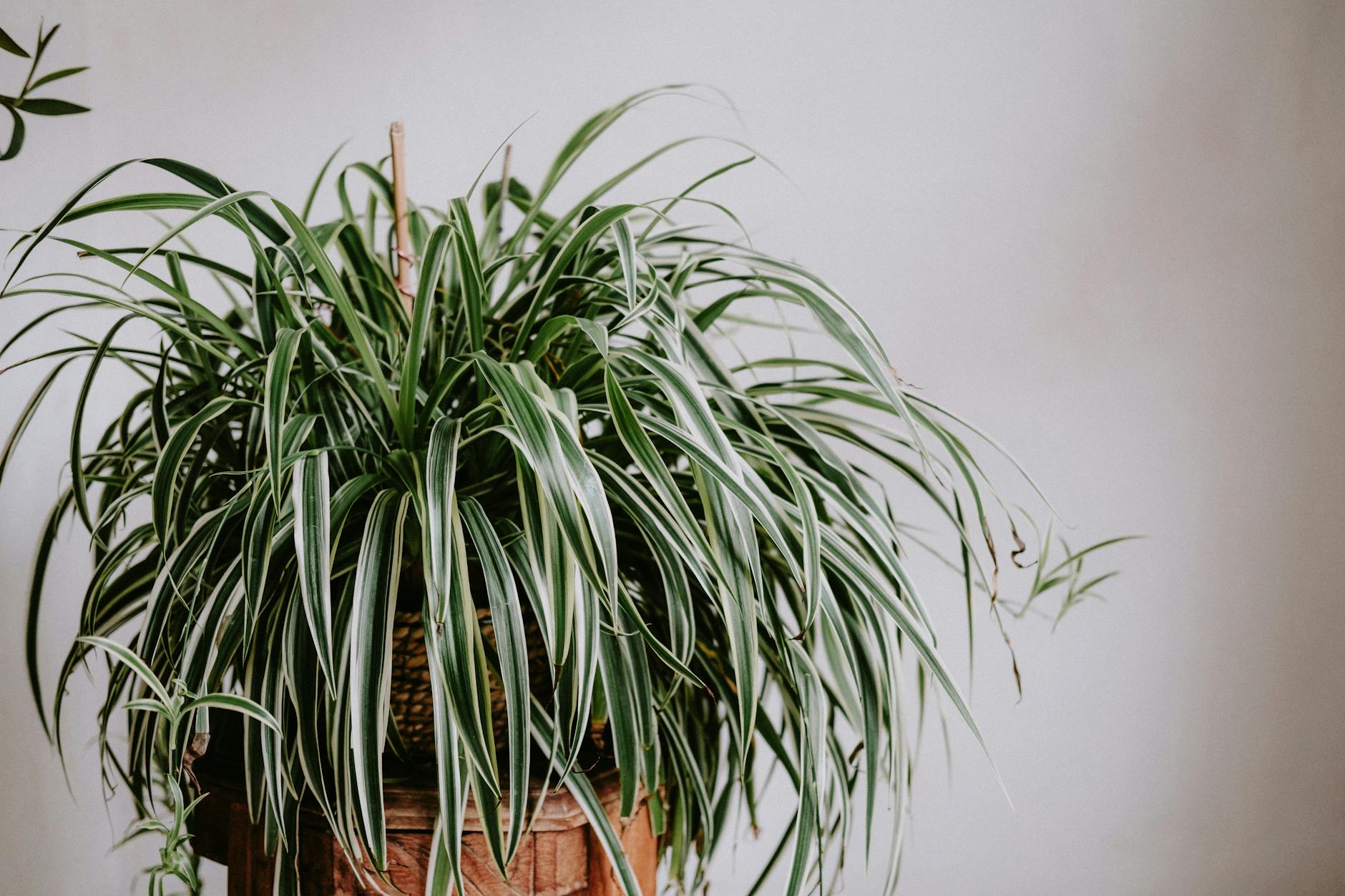
Quick Care Guide
Bright, indirect light preferred
When top inch of soil is dry (every 1-2 weeks)
40-50% preferred, tolerates average home humidity
65-75°F (18-24°C)
Well-draining potting mix
Monthly during growing season
Non-toxic to cats and dogs
The Spider Plant, scientifically known as Chlorophytum comosum, has captured the hearts of many plant enthusiasts and casual home decorators alike. Its graceful arching leaves and charming spider-like plantlets make it a popular choice for both novice and experienced gardeners. This resilient houseplant not only adds a touch of greenery to your living space but also serves as an air-purifying champion, making it an excellent companion for indoor environments. If you’re looking to bring this delightful plant into your home or enhance your existing plant care routine, you’ve come to the right place.
In this comprehensive guide, we will delve into the specifics of Spider Plant care, covering everything from light and watering requirements to propagation techniques and common issues. Whether you’re a busy professional or a dedicated plant parent, the Spider Plant’s easy-care nature will allow you to enjoy its beauty without the stress of complicated maintenance.
Caring for a Spider Plant not only enriches your home with its vibrant foliage but also offers the satisfaction of nurturing a living thing. As we explore the various aspects of Spider Plant care, you will discover the essential practices that ensure your Chlorophytum comosum thrives and produces its charming little “babies.”
Getting to Know Your Plant
Before diving into the specifics of care, it’s beneficial to understand a bit more about the Spider Plant itself. Originating from tropical and subtropical regions of Africa, the Spider Plant thrives in a variety of environments, making it a versatile choice for indoor settings. Its long, slender leaves can vary in color, typically showcasing a lush green with variations that include white or yellow stripes. The plant is often recognized for its ability to produce offsets or “plantlets,” which dangle from long stems, resembling spiders hanging from a web—hence the name.
Spider Plants are not just aesthetically pleasing; they are also known for their air-purifying capabilities. Research has shown that these plants can remove toxins such as formaldehyde and xylene from the air, contributing to a healthier indoor atmosphere. This combination of beauty and functionality makes the Spider Plant a must-have for anyone looking to enhance their home environment with greenery.
Light Requirements
When it comes to light, the Spider Plant has specific preferences that can significantly influence its growth and overall health. Ideally, this plant flourishes in bright, indirect light, which mimics the dappled sunlight it would receive in its native habitat. Placing your Spider Plant near a window with filtered sunlight is often the best approach, as direct sunlight can scorch its delicate leaves.
However, Spider Plants are remarkably adaptable and can tolerate lower light conditions, albeit with some trade-offs. In less-than-ideal lighting, you may notice slower growth and fewer plantlets. If you find your plant stretching toward the light source, it’s a clear indication that it’s craving more brightness. Conversely, if the leaves start to lose their vibrant color and appear more muted, it may be time to adjust its placement. By paying attention to your plant’s responses to its environment, you can create the ideal lighting conditions that promote healthy growth.
Watering Guidelines
Watering is one of the critical aspects of Spider Plant care that can make or break your plant’s health. These plants prefer to have their soil kept evenly moist, but they are also quite forgiving and can tolerate occasional drying out. The general rule of thumb is to water your Spider Plant when the top inch of soil feels dry to the touch, typically every one to two weeks, depending on the indoor conditions and season.
Overwatering is a common mistake that can lead to root rot, so it’s essential to strike a balance. When watering, ensure that excess water drains out of the bottom of the pot, as stagnant water can be detrimental. If you notice yellowing leaves, this could be a sign of overwatering, while browning leaf tips may indicate underwatering or low humidity. By closely monitoring the soil moisture and making adjustments as necessary, you can keep your Spider Plant happy and thriving.
Soil and Potting Requirements
The right soil and potting conditions are fundamental to the health of your Spider Plant. A well-draining potting mix is essential to facilitate healthy root growth and prevent water retention that can lead to rot. A standard houseplant mix typically works well, but you can enhance drainage by adding perlite or sand to the mix. This mixture will allow the roots to breathe while retaining just enough moisture to support the plant’s needs.
When it comes to potting, choose a container that provides adequate drainage holes. Spider Plants tend to enjoy being slightly rootbound, which can encourage the production of plantlets. However, if your plant has outgrown its pot or if you notice roots emerging from the drainage holes, it may be time to repot. When you do, choose a pot that is only slightly larger than the current one, as going too large can lead to excessive moisture retention.
Temperature and Humidity
Temperature and humidity play a significant role in the health of your Spider Plant. This adaptable houseplant thrives in a temperature range of 65 to 75 degrees Fahrenheit (18 to 24 degrees Celsius) and prefers a humidity level of 40 to 50 percent. While it can tolerate average home humidity, providing a bit of extra moisture in the air can enhance its growth and overall vitality.
During the winter months, be cautious of cold drafts from windows or heating vents, as sudden temperature fluctuations can stress the plant. If your home tends to be dry, especially during the colder months, consider placing a humidity tray beneath the plant or using a humidifier nearby to maintain optimal moisture levels. By creating a stable and comfortable environment, your Spider Plant will flourish and reward you with its striking foliage and delightful plantlets.
Fertilizing Schedule
Fertilization is an important component of Spider Plant care, particularly during the growing season, which typically spans from spring to early fall. During this time, a balanced liquid fertilizer diluted to half strength can be applied monthly to provide essential nutrients. This will help support healthy growth, vibrant foliage, and the production of plantlets.
However, be cautious not to over-fertilize, as this can lead to salt buildup in the soil, resulting in browning leaf tips and other issues. If you notice these symptoms, it may be beneficial to flush the soil with water to remove excess salts. Additionally, during the dormant winter months, you can reduce or even eliminate fertilization, allowing your plant to rest and rejuvenate until the growing season returns.
Propagation Methods
One of the most rewarding aspects of caring for a Spider Plant is its ability to produce charming little plantlets, which are perfect for propagation. These offsets typically appear when the plant is mature, around one year old, and slightly rootbound. To propagate, you have a couple of options. You can either allow the plantlets to develop roots while still attached to the mother plant or cut them off and root them separately in soil or water.
If you choose to root the plantlets in water, simply place them in a glass of water, ensuring that only the roots are submerged. After a few weeks, once the roots are several inches long, you can transfer them to a pot with well-draining soil. Alternatively, if you prefer to plant them directly in soil, ensure that the soil is moist but not soggy. Both methods are typically very successful, allowing you to expand your indoor garden or share the joy of Spider Plants with friends and family.
Common Problems and Solutions
While Spider Plants are generally easy to care for, they can still encounter a few common problems. One of the most frequent issues is browning leaf tips, which can be attributed to several factors, including low humidity, over-fertilization, or using chemicals in tap water. To prevent this, consider using filtered or distilled water and increasing humidity levels.
Another issue that may arise is yellowing leaves, often a sign of overwatering. If you notice this, assess your watering routine and adjust accordingly. Conversely, if your Spider Plant appears to be losing its vibrant color, it might be an indication that it needs more light. By observing your plant’s responses and making necessary adjustments, you can address these concerns proactively.
Seasonal Care Adjustments
As the seasons change, so do the care requirements for your Spider Plant. During the spring and summer months, your plant will likely experience vigorous growth, necessitating more frequent watering and regular fertilization. It’s also a great time to check for pests, as warmer temperatures can encourage their proliferation.
As fall approaches and temperatures start to drop, you may notice a slowdown in growth. This is completely normal, and you can adjust your watering and fertilizing schedule accordingly. In winter, focus on providing a stable environment free from drafts and excessive dryness. Additionally, you can reduce fertilization during this time, allowing your Spider Plant to rest and recharge for the next growing season.
In conclusion, caring for a Spider Plant requires attention to its light, watering, soil, temperature, humidity, and nutritional needs. With a bit of knowledge and a gentle touch, you can cultivate this wonderful plant and enjoy its beauty and benefits for years to come. Whether you’re nurturing your first Chlorophytum comosum or adding to your collection, the Spider Plant is sure to bring joy and vitality to your home.
Safety Note: Spider Plant is considered non-toxic to cats and dogs, making it a pet-friendly choice for households with furry companions. However, ingesting any plant material may cause mild stomach upset, so it’s still best to discourage nibbling.
Frequently Asked Questions
How often should I water my Spider Plant? ▼
Water when the top inch of soil feels dry, typically every 1-2 weeks. Spider Plants prefer evenly moist soil but can tolerate occasional drying out.
When will my Spider Plant produce babies (plantlets)? ▼
Mature Spider Plants (1+ years old) produce plantlets when they're healthy and slightly rootbound. Bright light and proper care encourage plantlet production.
How do I propagate Spider Plant babies? ▼
You can root plantlets in water or soil while still attached to the mother plant, or cut them off and root separately. Both methods are very easy and successful.
Why are my Spider Plant leaves turning brown? ▼
Brown leaf tips usually indicate low humidity, chemicals in tap water, or overfertilizing. Use filtered water and increase humidity to prevent browning.
Are Spider Plants safe for pets? ▼
Spider Plants are generally considered non-toxic to cats and dogs, making them one of the safest houseplants for pet owners.
Explore Related Topics
Was this guide helpful?
Your input helps us improve our guides.
How can we improve this guide?
Similar Plants You Might Like

Aglaonema Silver Bay Care Guide: Complete Instructions for Chinese Evergreen Beauty
Learn how to care for Aglaonema Silver Bay with our comprehensive guide covering light, watering, humidity, and maintaining stunning silver variegation in this easy-care houseplant.
Easy
Aloe Vera Care Guide: Complete Instructions for Aloe Barbadensis Miller
Learn how to care for Aloe Vera plants with our comprehensive guide covering light, watering, harvesting gel, and propagating pups for healthy growth.
Easy
Boston Fern Care Guide: Complete Instructions for Nephrolepis Exaltata
Learn how to care for Boston Ferns with our comprehensive guide covering humidity, watering, light requirements, and maintaining lush, cascading fronds indoors.
Moderate