
Top 10 Air Purifying Houseplants Backed by Science
Discover which houseplants are scientifically proven to clean indoor air. From NASA studies to modern research, these plants do more than just look good.
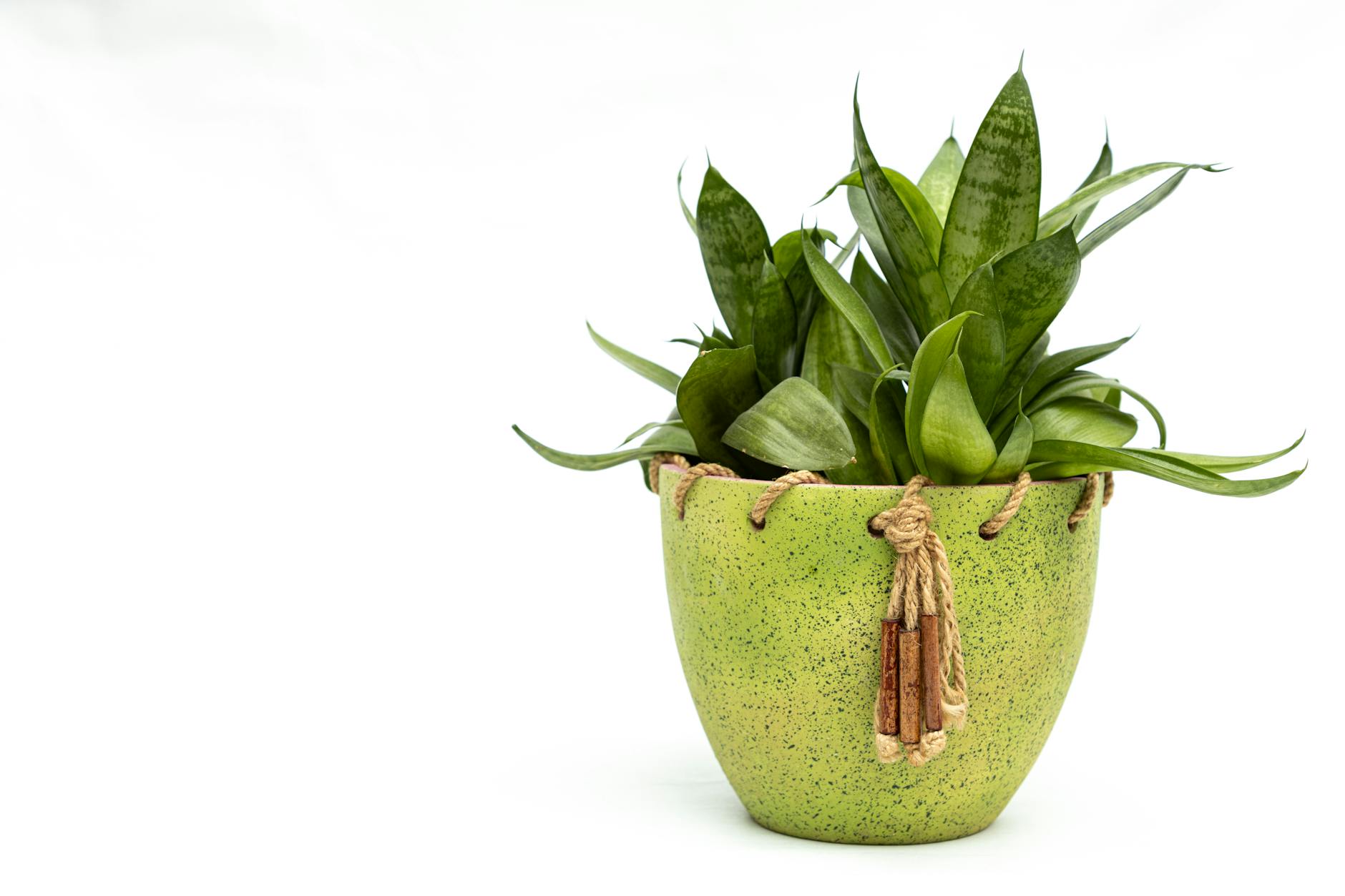
We spend roughly 90% of our time indoors, breathing air that can be 2-5 times more polluted than outdoor air. Common household items — furniture, cleaning products, paint, and even carpeting — release volatile organic compounds (VOCs) like formaldehyde, benzene, and trichloroethylene into your home.
While an air purifier is the most effective solution, research has shown that certain houseplants can help filter some of these pollutants naturally. And unlike a machine, plants add beauty, reduce stress, and boost your mood.
The NASA Clean Air Study
In 1989, NASA conducted a landmark study to determine which plants could help purify air in space stations. Researchers tested common houseplants against three major indoor pollutants: formaldehyde, benzene, and trichloroethylene.
The study found that certain plants could remove up to 87% of toxins in a sealed chamber over 24 hours. While real-world conditions differ from sealed lab chambers, the study established a solid foundation for understanding plants’ air-cleaning capabilities.
The Top 10 Air Purifying Plants
1. Snake Plant (Sansevieria trifasciata)
The snake plant is a standout performer.
Pollutants removed: Formaldehyde, benzene, xylene, trichloroethylene, toluene Special ability: One of the few plants that converts CO2 to oxygen at night, making it ideal for bedrooms Care level: Very easy — tolerates low light, infrequent watering
2. Peace Lily (Spathiphyllum)
The peace lily ranked among the top performers in NASA’s study.
Pollutants removed: Formaldehyde, benzene, trichloroethylene, ammonia, xylene Special ability: One of the few plants that removes ammonia — common in cleaning products Care level: Easy — prefers shade, droops when thirsty (built-in reminder) Note: Toxic to pets. Keep out of reach of cats and dogs.
3. Spider Plant (Chlorophytum comosum)
The humble spider plant is surprisingly effective.
Pollutants removed: Formaldehyde, xylene, carbon monoxide Special ability: Extremely resilient and produces many “babies” for propagation Care level: Very easy — adapts to most conditions Bonus: Non-toxic to pets
4. Boston Fern (Nephrolepis exaltata)
The Boston fern is a formaldehyde-removing champion.
Pollutants removed: Formaldehyde, xylene, toluene Special ability: Acts as a natural humidifier, adding moisture to dry indoor air Care level: Moderate — needs consistent moisture and humidity Bonus: Non-toxic to pets
5. Rubber Plant (Ficus elastica)
With its large, glossy leaves, the rubber plant is an effective air cleaner.
Pollutants removed: Formaldehyde, carbon monoxide Special ability: Large leaf surface area makes it particularly efficient at gas exchange Care level: Easy — tolerates low light, moderate watering
6. Dracaena (various species)
Multiple Dracaena species appeared in NASA’s study.
Pollutants removed: Formaldehyde, benzene, trichloroethylene, xylene Special ability: Comes in many varieties — Janet Craig, Warneckii, Marginata — all are effective Care level: Easy — low light tolerant, low water needs Note: Toxic to pets.
7. Aloe Vera
Aloe vera does double duty — purifying air and providing medicinal gel.
Pollutants removed: Formaldehyde, benzene Special ability: The gel inside the leaves soothes burns and skin irritations Care level: Very easy — succulent that needs minimal water Note: Toxic to pets if ingested.
8. English Ivy (Hedera helix)
English ivy is particularly good at filtering airborne mold.
Pollutants removed: Formaldehyde, benzene, mold spores Special ability: Studies show it can reduce airborne mold by up to 78% Care level: Moderate — prefers cool, humid conditions
9. Chinese Evergreen (Aglaonema)
The Chinese evergreen is both beautiful and functional.
Pollutants removed: Formaldehyde, benzene Special ability: Effective even in low-light conditions where other plants struggle Care level: Easy — adapts to most indoor environments
10. Pothos (Epipremnum aureum)
The nearly indestructible pothos is an effective air cleaner.
Pollutants removed: Formaldehyde, benzene, xylene, carbon monoxide Special ability: Grows rapidly in nearly any condition, providing quick coverage Care level: Very easy — one of the hardiest houseplants Note: Toxic to pets.
How Many Plants Do You Need?
The original NASA study suggested one plant per 100 square feet of indoor space. For a typical 1,000 square-foot apartment, that’s about 10 plants. More recent research suggests you’d need far more plants to make a measurable difference comparable to mechanical air filtration.
That said, even a few plants contribute to better indoor air quality, and their psychological benefits — stress reduction, improved mood, and increased productivity — are well-documented regardless of air filtration capacity.
Where Common Indoor Pollutants Come From
Understanding the sources helps you place plants strategically:
| Pollutant | Common Sources | Best Plant Fighter |
|---|---|---|
| Formaldehyde | Furniture, flooring, paper products, cleaning products | Boston Fern, Snake Plant |
| Benzene | Paint, detergent, furniture wax, tobacco smoke | Peace Lily, English Ivy |
| Trichloroethylene | Adhesives, paint removers, varnish | Peace Lily, Dracaena |
| Xylene | Printing, rubber, leather, paint | Dracaena, Spider Plant |
| Ammonia | Cleaning products, fertilizers | Peace Lily |
| Carbon Monoxide | Gas stoves, fireplaces, vehicle exhaust | Spider Plant, Pothos |
Maximizing Air Purifying Benefits
- Place plants where you spend the most time — living room, bedroom, home office
- Combine multiple species — different plants target different pollutants
- Keep plants healthy — stressed or dying plants don’t filter effectively
- Maintain clean leaves — dust blocks the pores (stomata) that absorb gases
- Use appropriately sized plants — larger plants with more leaf surface area clean more air
- Open windows when possible — fresh air circulation complements plant filtration
Beyond Air Cleaning
While the air purification benefits are a great bonus, the real power of houseplants lies in their broader impact on well-being:
- Stress reduction — studies show interacting with plants lowers cortisol levels
- Improved concentration — office plants increase productivity by up to 15%
- Better mood — caring for living things provides a sense of purpose
- Noise reduction — plants absorb and diffract sound waves
- Humidity regulation — plants release moisture through transpiration
Explore our air-purifying plants collection for detailed care guides on every plant in this list.