
Begonia Care Guide: Complete Instructions for All Types
Learn comprehensive Begonia care including different types, flowering tips, humidity requirements, and propagation for these colorful flowering houseplants.
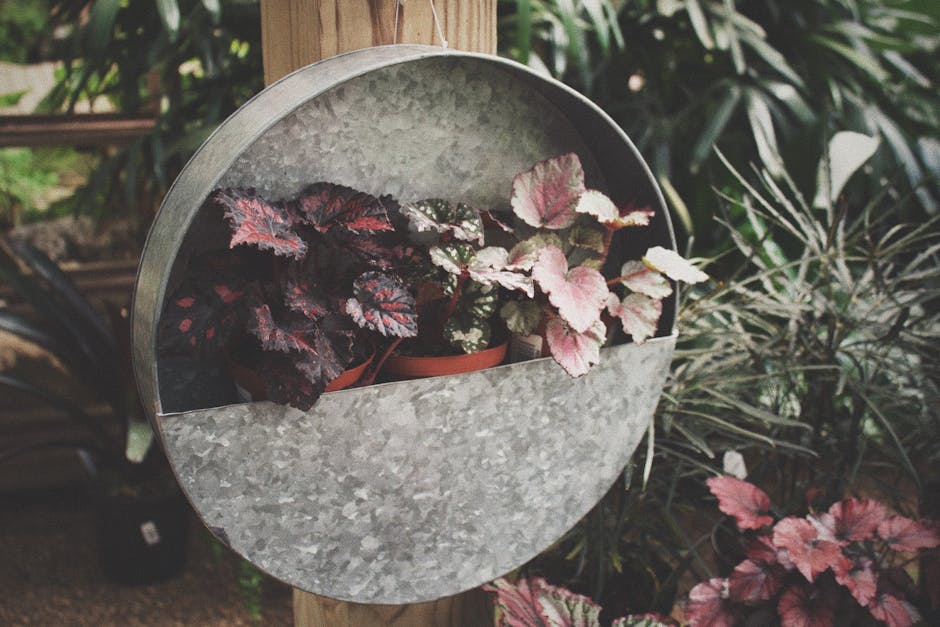
Quick Care Guide
Bright, indirect light
Water when top inch of soil is dry
50-60% humidity preferred
65-75°F (18-24°C)
Well-draining, slightly acidic potting mix
Regular feeding during growing season
Keep away from cats, dogs, and children
The begonia is a vibrant and fascinating genus that has captivated plant lovers for centuries. With its stunning variety of foliage, ranging from rich greens to striking reds and purples, this plant is as much a visual delight as it is a joy to cultivate. Not only do begonias produce exquisite flowers in various shapes and colors, but they also thrive in indoor environments, making them ideal candidates for houseplant enthusiasts. Their ability to adapt to various conditions while still maintaining their charm is part of what makes them so appealing.
As you embark on your journey to nurture these beautiful flowering houseplants, it’s essential to understand their specific care requirements. This comprehensive Begonia care guide will equip you with the knowledge to successfully care for all types of begonias, whether you’re a novice or a seasoned gardener. From their light and water needs to humidity preferences and propagation techniques, we’ll explore every aspect of begonia care to help you cultivate these colorful companions with confidence.
With the right information at your fingertips, you can create an environment where your begonias not only survive but thrive. Let’s delve deeper into the world of begonias and learn how to provide them with the optimal conditions they need to flourish.
Getting to Know Your Plant
The begonia family, which includes over 1,800 species, is diverse and includes various types, such as the wax begonia, angel wing begonia, and tuberous begonia, each with its unique characteristics. Begonias are renowned for their lush foliage and elaborate blooms, which can vary significantly in color, shape, and size. Some begonias, like the Begonia rex, showcase stunning patterned leaves that can add a decorative touch to any indoor space. Others, such as the Begonia boliviensis, are celebrated for their trailing growth habit and prolific flowering, making them perfect for hanging baskets or window boxes.
As you dive into the world of begonias, it’s vital to recognize that they are moderate-care houseplants. While they are not as demanding as some other species, they do require attention to detail, particularly regarding light, water, and humidity. Understanding the nuances of each type of begonia will allow you to provide the best environment for your plants, ensuring they remain healthy and vibrant throughout their growing season.
Light Requirements
When it comes to light conditions, most begonias prefer bright, indirect light. This means they thrive in spaces where they can receive ample light without the harsh rays of direct sunlight, which can scorch their leaves. Placing your begonias near a window with sheer curtains or in a well-lit room where they can bask in filtered sunlight will yield the best results. If you notice your begonia stretching toward the light or its colors fading, it may be a sign that it is not receiving enough illumination.
Conversely, if your begonia is receiving too much direct sunlight, the leaves may start to develop brown edges or spots, indicating stress. Therefore, it’s essential to strike a balance. During the summer months, when sunlight is more intense, you may need to adjust the positioning of your plants to ensure they are not overwhelmed by the heat. In the winter, when natural light diminishes, you might need to provide supplemental lighting to keep your begonias healthy and vibrant.
Watering Guidelines
Understanding when and how to water your begonias is crucial for their health. Ideally, you should water your begonia when the top inch of soil feels dry to the touch, which typically translates to every five to seven days, depending on the humidity and temperature of your environment. Overwatering can lead to root rot, a common issue that plagues many houseplants, and begonias are no exception. To minimize the risk, always ensure that your pot has drainage holes, allowing excess water to escape and preventing the roots from sitting in soggy soil.
As you water, be mindful not to splash water on the leaves, as this can promote fungal issues. Instead, pour the water directly into the soil until you see it draining from the bottom. During the growing season, when your begonias are actively growing and flowering, you may find that they require more frequent watering. Conversely, during the dormant winter months, their water needs will decrease, so it’s essential to adjust your watering schedule accordingly.
Soil and Potting Requirements
Choosing the right soil is a fundamental aspect of begonia care. They prefer a well-draining, slightly acidic potting mix to thrive. A blend designed for African violets or a mix containing peat moss, perlite, and pine bark can provide the ideal medium. This combination allows for adequate drainage while retaining some moisture to cater to the begonia’s needs. If you’re potting your begonia, ensure that you choose a pot that is not too large, as excessive soil can retain more moisture than your begonia can handle. A pot that is slightly larger than the root ball is ideal.
Repotting is another important consideration. As your begonia grows, it may outgrow its pot, leading to root-bound conditions that can stifle its development. A good rule of thumb is to repot your begonia every couple of years or when you notice roots growing out of the drainage holes. When repotting, gently remove the plant from its pot and trim any damaged roots. This rejuvenation process will help your begonia continue its vibrant growth while also providing an opportunity to refresh the soil.
Temperature and Humidity
Begonias thrive in warm environments, with an ideal temperature range of 65 to 75 degrees Fahrenheit (18 to 24 degrees Celsius). Any significant deviation from this range can cause stress to the plant, leading to wilting or leaf drop. It’s best to keep your begonias away from drafts, air conditioning vents, and heaters, as fluctuations in temperature can adversely affect their health.
Humidity is another critical factor for the well-being of your begonias. These humidity-loving plants prefer a relative humidity level of 50 to 60 percent. In drier environments, you may need to take steps to increase the moisture in the air around them. One effective method is to use a pebble tray filled with water placed beneath the pot. As the water evaporates, it will raise the humidity level around your begonia. Alternatively, grouping several plants together can create a microclimate that increases humidity. If you find that the humidity levels in your home are persistently low, investing in a humidifier can be an excellent solution to ensure your begonias remain happy and healthy.
Fertilizing Schedule
To support your begonias during their active growing season, which typically occurs in spring and summer, regular feeding is essential. A balanced, water-soluble fertilizer diluted to half strength can work wonders for your plants. Fertilizing every four to six weeks during this period will supply the necessary nutrients for healthy foliage and vibrant blooms. However, it is crucial not to over-fertilize, as excessive nitrogen can lead to lush foliage at the expense of flowers.
As the growing season comes to an end in the fall, you can reduce or even suspend fertilization altogether. This will allow your begonias to rest and prepare for the dormant winter months. When spring returns, you can resume your fertilizing schedule, giving your begonias the boost they need to flourish once again.
Propagation Methods
One of the delightful aspects of caring for begonias is the ability to propagate them. This can be done through several methods, including leaf cuttings, stem cuttings, and division. Leaf cuttings are particularly popular, especially for varieties like the Rex begonia. To propagate using this method, select a healthy leaf and cut it into sections, each with a vein. Place the sections in a potting mix, ensuring that the cut side is down. Keep the soil consistently moist and provide indirect light. In a few weeks, you should see new growth emerging.
Stem cuttings are another effective way to propagate your begonias. Simply take a healthy stem cutting, remove the lower leaves, and place it in water or moist soil. Roots should develop within a couple of weeks, after which you can transfer the new plant to a pot. Finally, division is an excellent option for larger begonias that have become congested. Gently separate the root ball into smaller sections, ensuring that each section has roots and leaves, and repot them in fresh soil.
Common Problems and Solutions
Despite your best efforts, you may encounter a few common problems while caring for your begonias. If your begonia is not blooming, it could be due to insufficient light, over-fertilizing with nitrogen, or stress from environmental changes. To encourage blooming, ensure that your plant is receiving bright, indirect light, and maintain a balanced fertilization regimen.
Pests can also become an issue, particularly aphids and spider mites. Regularly inspecting your plants can help catch infestations early. If you notice pests, a gentle spray of water can often dislodge them. For more severe infestations, consider using insecticidal soap or neem oil, both of which are effective and less harmful to the plant.
Another common concern is leaf drop, which can happen due to a sudden change in temperature or humidity. Ensure your begonia is in a stable environment, and if leaf drop occurs, don’t panic; it is often a natural response to stress. With time and proper care, your plant should bounce back.
Seasonal Care Adjustments
As the seasons change, so too must your care routine. During the spring and summer, when your begonias are actively growing, focus on providing them with ample light, consistent watering, and regular feeding. This is the time to enjoy the vibrant blooms and lush foliage that make begonias such a beloved houseplant.
As autumn approaches, begin to taper off fertilization as your plants enter a period of dormancy. You may also want to reduce watering, allowing the soil to dry out more between waterings. During the winter months, pay close attention to temperature and humidity levels, as the indoor environment can become drier due to heating systems. Maintaining a consistent temperature and humidity will help your begonias survive the winter and prepare for a robust comeback in the spring.
In conclusion, caring for begonias can be an incredibly rewarding experience. With their stunning beauty and relatively moderate care requirements, these plants can bring color and life to any home. By understanding their specific needs for light, water, soil, temperature, and humidity, you can create an environment where your begonias thrive. With a little patience and dedication, your begonias will reward you with their enchanting blooms and vibrant foliage, making them a cherished addition to your indoor garden.
Safety Note: Begonia contains compounds that are toxic to cats, dogs, and humans if ingested. Keep plants out of reach of curious pets and small children. Contact a veterinarian or poison control center if ingestion occurs.
Frequently Asked Questions
What type of light do Begonias need? ▼
Most Begonias prefer bright, indirect light. Too much direct sun can scorch leaves, while too little light reduces flowering and color intensity.
How often should I water my Begonia? ▼
Water when the top inch of soil feels dry, typically every 5-7 days. Avoid getting water on the leaves to prevent fungal issues.
Why won't my Begonia bloom? ▼
Insufficient light, over-fertilizing with nitrogen, or stress can prevent blooming. Provide bright indirect light and balanced nutrition for best flowering.
Are Begonias safe for pets? ▼
No, Begonias are toxic to cats and dogs if ingested. Keep them out of reach of pets and children.
How do I increase humidity for my Begonia? ▼
Use pebble trays, group plants together, or use a humidifier. Avoid misting leaves directly as this can cause fungal problems.
Explore Related Topics
Was this guide helpful?
Your input helps us improve our guides.
How can we improve this guide?
Similar Plants You Might Like

Norfolk Pine Care Guide: Complete Indoor Christmas Tree Instructions
Learn comprehensive Norfolk Pine care including light requirements, humidity needs, watering, and maintaining this popular indoor Christmas tree houseplant year-round.
Moderate
Alocasia Elephant Ear Care Guide: Complete Growing Instructions for Tropical Beauty
Learn how to care for Alocasia Elephant Ear plants with our comprehensive guide covering humidity, watering, light requirements, and troubleshooting for stunning tropical growth.
Moderate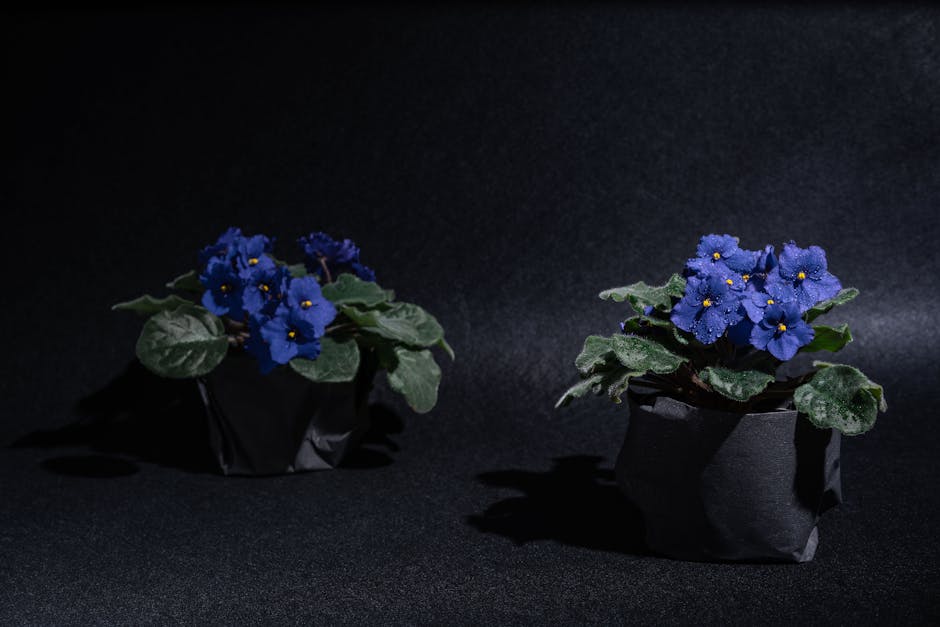
African Violet Care Guide: Complete Saintpaulia Instructions
Learn comprehensive African Violet (Saintpaulia) care including watering, light, humidity, flowering tips, and propagation for these popular flowering houseplants.
Moderate