
Flowering Houseplants Collection: Beautiful Blooming Plants for Year-Round Indoor Color
Discover the best flowering houseplants that bloom indoors, featuring colorful varieties that bring seasonal beauty and fragrance to your home year-round.
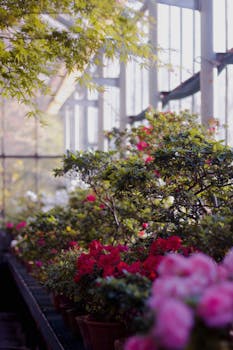
Embracing the beauty of nature within the confines of our homes has become increasingly popular, and one of the most delightful ways to achieve this is through flowering houseplants. These vibrant living decorations not only uplift our spirits with their colorful blooms but also infuse our indoor spaces with life and fragrance. Imagine a cozy nook filled with the sweet scent of blooming jasmine or a sunlit windowsill adorned with the bright colors of an African violet. Flowering houseplants offer a captivating display that can brighten even the dreariest of days, making them an essential addition to any indoor garden.
The allure of these plants goes beyond mere aesthetics; they are a testament to the changing seasons and the cyclical nature of life. With the right selection of flowering houseplants, you can enjoy a continuous display of blossoms throughout the year, creating a dynamic and ever-evolving landscape within your home. Whether you have a green thumb or are just starting your plant journey, there’s a rich variety of options waiting to be explored. Let’s delve into the world of blooming houseplants and discover how they can transform your living environment.
From the radiant petals of orchids to the cheerful blooms of geraniums, flowering houseplants bring an enchanting vibrancy to any space. They invite us to engage with our surroundings more deeply, fostering a sense of connection to nature that is often absent in our fast-paced urban lives. As we journey through this article, we will uncover the best flowering houseplants for your home, explore their care requirements, address common challenges, and offer stylish ideas for incorporating these botanical beauties into your decor.
Why Choose These Plants
Choosing flowering houseplants is not merely about adding color to a room; it is about enhancing your overall well-being and creating an inviting atmosphere. The presence of plants has been shown to improve air quality, reduce stress, and elevate mood, making them a perfect companion for any home. Flowering plants, with their vibrant hues and alluring fragrances, can turn a mundane space into a sanctuary of tranquility and joy.
Furthermore, these plants provide an opportunity for you to engage in a nurturing activity, promoting mindfulness as you care for their needs. Watching a plant flourish under your care offers a deep sense of satisfaction, particularly when you are rewarded with stunning blooms that seem to celebrate your efforts. Each flower is a testament to the bond you build with your plants, creating a sense of accomplishment and connection that resonates throughout your living space.
Additionally, the variety of flowering houseplants available means that you can customize your indoor garden to suit your personal style and preferences. From the classic elegance of a peace lily to the exotic charm of a hibiscus, there is a flowering plant that can match any aesthetic. The versatility of these plants allows you to create arrangements that reflect your personality while also bringing a touch of nature’s beauty indoors.
Top Picks for Your Home
As you embark on your journey to fill your home with flowering houseplants, there are several standout varieties that deserve special attention. Each has its unique characteristics, allowing you to curate a collection that resonates with your space and lifestyle.
One of the most beloved choices is the African violet, known for its delightful clusters of colorful blooms that can adorn your windowsill throughout the year. These charming plants are relatively easy to care for and come in an array of colors, from vibrant purples to soft pinks, making them a perfect addition to any indoor garden. Their velvety leaves provide a beautiful contrast to their flowers, creating a lush, inviting look.
If you seek a plant that combines beauty with fragrance, consider the jasmine plant. With its delicate white flowers and sweet scent, jasmine can transform your home into a fragrant oasis. It thrives in bright light and can be trained to climb or trail, adding a touch of elegance to your decor.
Another popular choice is the blooming kalanchoe, a succulent that produces clusters of tiny, colorful flowers. This hardy plant is perfect for beginners, as it requires minimal care and can thrive in various conditions. Its long-lasting blooms can provide a cheerful pop of color to any indoor space, making it an excellent option for those seeking low-maintenance beauty.
For those who prefer a more tropical vibe, the anthurium is a stunning choice. Its glossy, heart-shaped leaves and striking red or pink spathes create a dramatic focal point in any room. Anthuriums thrive in warm, humid conditions, making them ideal for bathrooms or kitchens where moisture levels are higher.
Lastly, consider the elegant orchid, a symbol of beauty and sophistication. Orchids come in countless varieties, each offering unique shapes and colors. While they may seem daunting to care for, many types are quite adaptable and can thrive indoors with the right conditions. Their exotic blooms make them a statement piece in any home, captivating all who behold them.
Care Essentials
Caring for flowering houseplants requires a blend of attention, knowledge, and a bit of love. Each plant comes with its unique requirements, but there are general care essentials that can help you keep your indoor garden flourishing.
Light is one of the most critical factors for the health of your flowering plants. Most varieties thrive in bright, indirect sunlight, so finding the right location in your home is essential. South-facing windows typically provide the most light, but be cautious of placing your plants directly in harsh sunlight, as this can scorch their leaves. Instead, aim for a spot where they can bask in filtered light, allowing them to bloom vibrantly without jeopardizing their health.
Watering is another crucial aspect of plant care. Overwatering is a common pitfall that can lead to root rot, while underwatering can cause your plants to wilt and suffer. It’s important to learn the specific water needs of each plant. As a general rule, allow the top inch of soil to dry out before watering again. This practice encourages strong root development and helps prevent common issues associated with over-saturation.
Fertilizing your flowering houseplants will also support their growth and blooming potential. During the growing season, typically spring and summer, using a balanced, water-soluble fertilizer can provide the necessary nutrients for robust foliage and stunning flowers. Always follow the recommended dosage to prevent fertilizer burn, which can harm your plants.
Humidity is another essential consideration, as many flowering houseplants thrive in environments with higher moisture levels. If your home is particularly dry, especially during winter months, consider misting your plants regularly or placing a humidity tray filled with water and pebbles beneath them. This will help create a microclimate that mimics their natural habitat, promoting healthy growth and vibrant blooms.
Finally, regular pruning and deadheading can encourage new growth and prolong the blooming period. As flowers fade, removing them can redirect the plant’s energy to producing new blooms, keeping your indoor garden vibrant and lively.
Common Challenges
While the journey of caring for flowering houseplants is rewarding, it’s not without its challenges. Being aware of potential issues can help you address them promptly, ensuring your plants continue to thrive.
One common challenge is pests, which can pose a risk to the health of your plants. Aphids, spider mites, and mealybugs are just a few of the pests that may invade your indoor garden. Regularly inspecting your plants for signs of infestation is crucial. If you notice any unwelcome visitors, act quickly to remove them using organic insecticidal soap or neem oil, which are gentle yet effective options.
Another issue to watch for is fungal diseases, which can thrive in overly humid conditions. Symptoms may include yellowing leaves or a white powdery substance on the foliage. Ensuring good air circulation around your plants and avoiding overhead watering can significantly reduce the risk of these diseases. If you do encounter an issue, removing affected leaves and applying a fungicide may be necessary.
Light conditions can also present challenges. If your plants are not blooming as expected, it may be a sign that they are not receiving enough light. Conversely, too much direct sunlight can lead to sunburned leaves. Assessing their placement and adjusting as needed will help you find the perfect balance for each plant.
Temperature fluctuations can affect flowering houseplants as well. Most prefer consistent temperatures between 65°F and 75°F. Sudden drafts or extreme temperature changes can stress your plants, causing them to drop buds or become unhealthy. Keeping a watchful eye on your home’s climate and making necessary adjustments will help your plants stay robust and thriving.
Lastly, patience is a virtue in the world of plant care. Some flowering houseplants take time to establish themselves and may not bloom immediately after being brought home. Understanding their growth cycles and providing consistent care will reward you with beautiful blooms in due time.
Styling Ideas
Incorporating flowering houseplants into your home decor is a fantastic way to express your personal style while bringing the beauty of nature indoors. There are countless creative ways to showcase these botanical treasures, allowing you to design stunning arrangements that enhance the overall aesthetic of your space.
One popular approach is to create a vibrant display on a windowsill. Arrange a collection of flowering plants in varying heights and colors to create an eye-catching tableau. By mixing plants with different bloom times, you can ensure that your windowsill remains colorful throughout the seasons. The play of light against their petals will create a dynamic visual effect, drawing the eye and brightening the room.
Another stylish idea is to use decorative pots that complement your interior design. Choose pots that reflect your style, whether they are sleek and modern or rustic and earthy. Coordinating the colors and textures of your pots with your home’s decor can create a cohesive look that elevates the overall ambiance of the space.
Hanging plants are also a fantastic way to add dimension to your decor. Consider using macramé hangers to suspend flowering plants from the ceiling or wall brackets. This not only saves space but also creates a unique focal point, allowing the plants to cascade gracefully. Choose trailing varieties, such as string of hearts or ivy, to beautifully complement the blooms of your flowering houseplants.
For a more structured look, consider creating a plant shelfie—a curated shelf filled with an array of plants. Mix and match flowering houseplants with foliage varieties to create visual interest. Be mindful of the height and shape of each plant, arranging them in a way that showcases their unique characteristics. This stylish display can become an inspiring focal point in your living room, bedroom, or home office.
Finally, don’t underestimate the power of grouping plants together. Cluster flower pots in varying heights to create a lush, garden-like feel. This technique works beautifully on coffee tables, dining tables, or even in corner nooks. The combination of colors, textures, and heights will breathe life into any area of your home, making it feel warm and welcoming.
Getting Started
Now that you’re inspired by the world of flowering houseplants, it’s time to embark on your journey to create a vibrant indoor garden. Begin by selecting plants that resonate with your personal style and lifestyle. Consider your available space, light conditions, and how much time you can dedicate to their care. It’s essential to choose plants that will thrive in your specific environment, ensuring long-lasting beauty.
Once you’ve chosen your flowering houseplants, gather the necessary supplies for their care. This includes pots with drainage holes, quality potting soil, and any tools you may need, such as watering cans, fertilizer, and pruning shears. Setting up a dedicated space for your plants will help you stay organized and make caring for them a more enjoyable experience.
As you welcome your new plants into your home, take the time to learn about their specific care requirements. Familiarize yourself with their light, water, and humidity needs, and create a care routine that fits your lifestyle. Keep a journal to track their growth and blooming patterns, which can help you understand their needs better over time.
Engage with your plants regularly, whether through watering, pruning, or simply enjoying their beauty. This connection will deepen your appreciation for the natural world and foster a sense of responsibility for their care.
In conclusion, flowering houseplants are a beautiful way to enhance your living space while nurturing your well-being. With the right selection, care, and styling, you can create a stunning indoor garden that brings joy and color to your home year-round. Embrace the beauty of these plants and allow them to transform your indoor environment into a vibrant sanctuary of life and color.
Safety Note: Always research the toxicity of plants before bringing them into homes with pets or small children.
Plants in this Collection
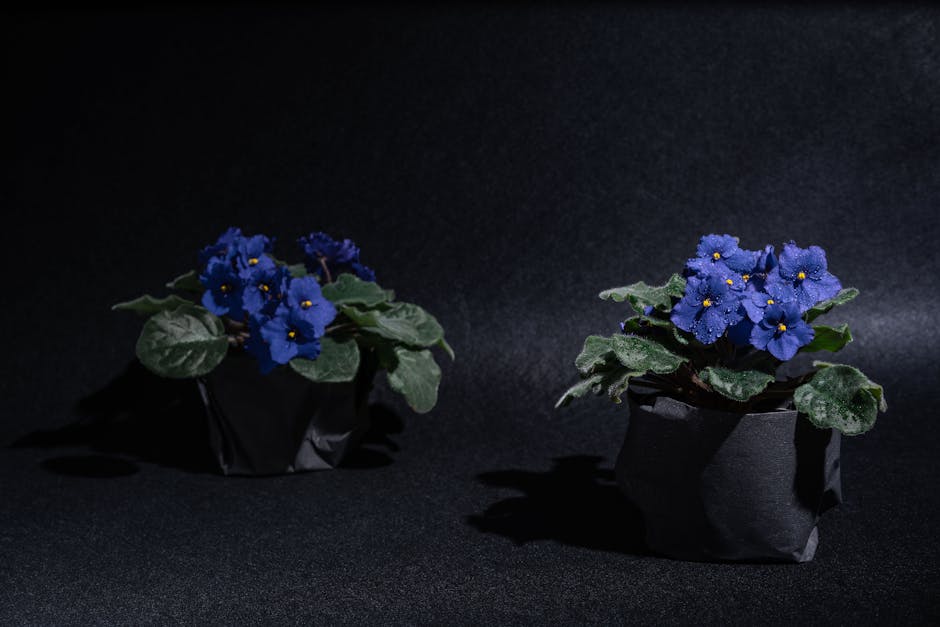
African Violet Care Guide: Complete Saintpaulia Instructions
Learn comprehensive African Violet (Saintpaulia) care including watering, light, humidity, flowering tips, and propagation for these popular flowering houseplants.
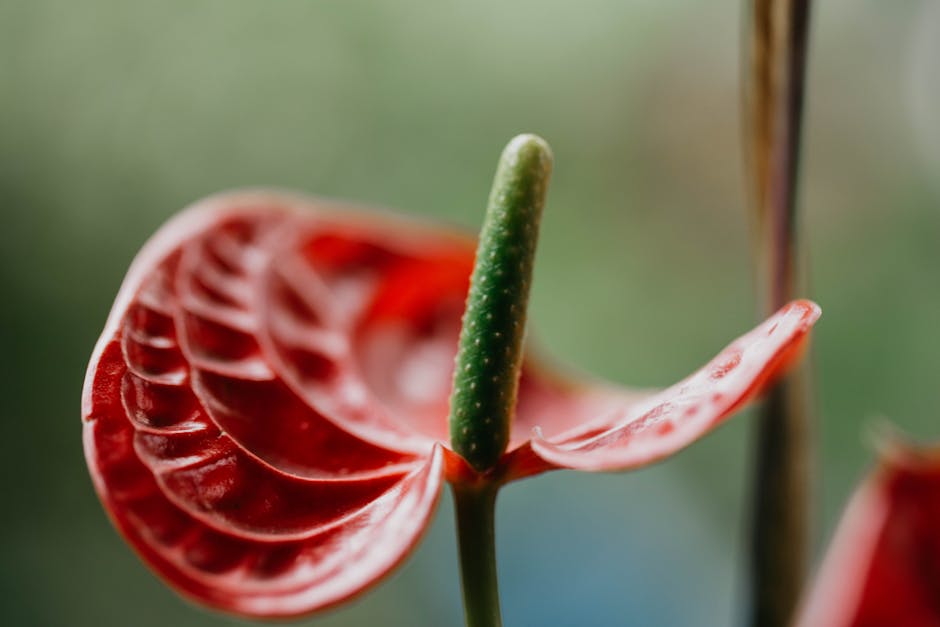
Anthurium Care Guide: Complete Flamingo Flower Instructions
Learn comprehensive Anthurium care including flowering tips, humidity requirements, watering, and maintaining these stunning Flamingo Flower houseplants.
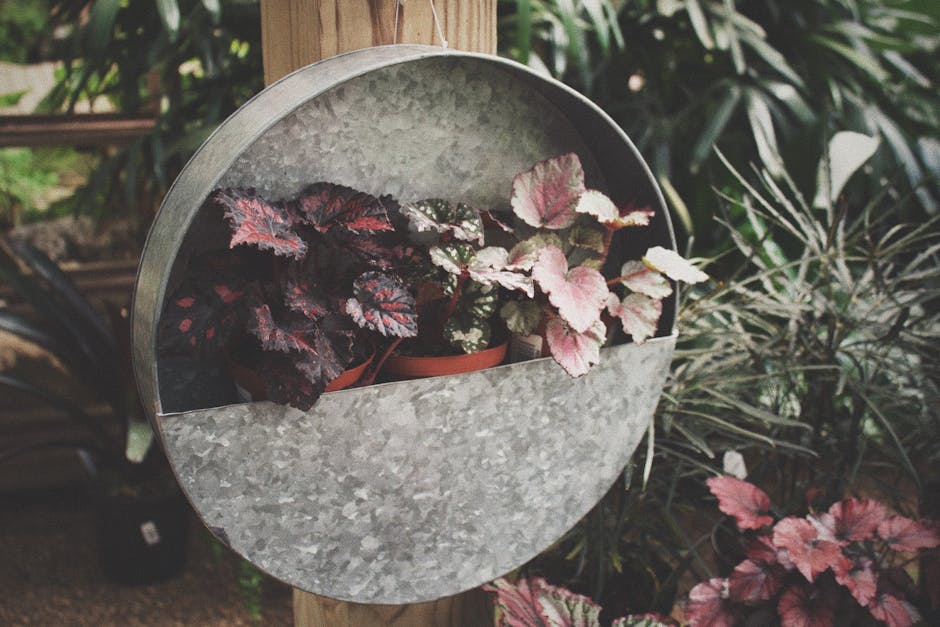
Begonia Care Guide: Complete Instructions for All Types
Learn comprehensive Begonia care including different types, flowering tips, humidity requirements, and propagation for these colorful flowering houseplants.
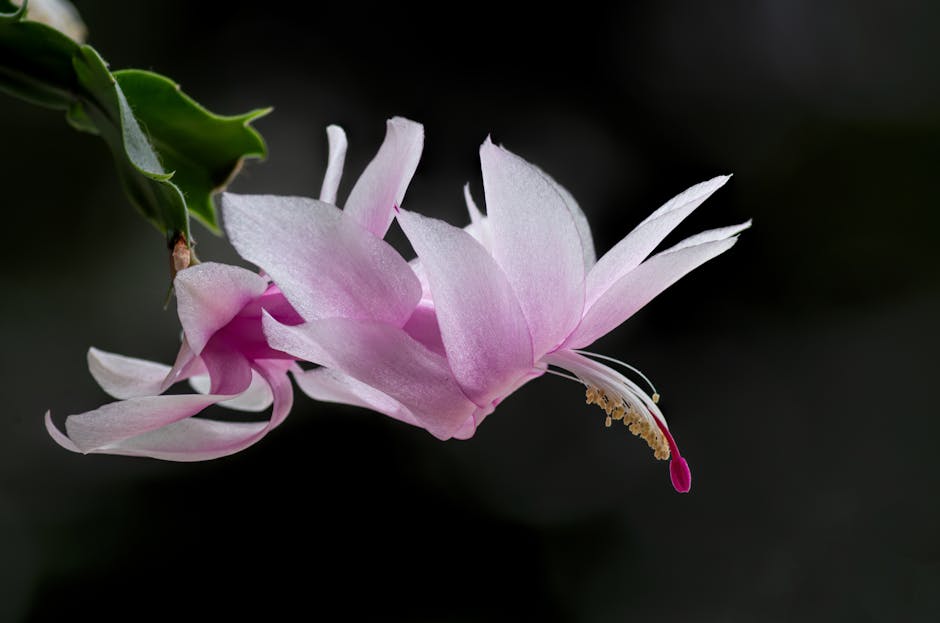
Christmas Cactus Care Guide: Complete Schlumbergera Instructions
Learn comprehensive Christmas Cactus care including blooming tips, watering, light requirements, and propagation for this popular holiday flowering plant.
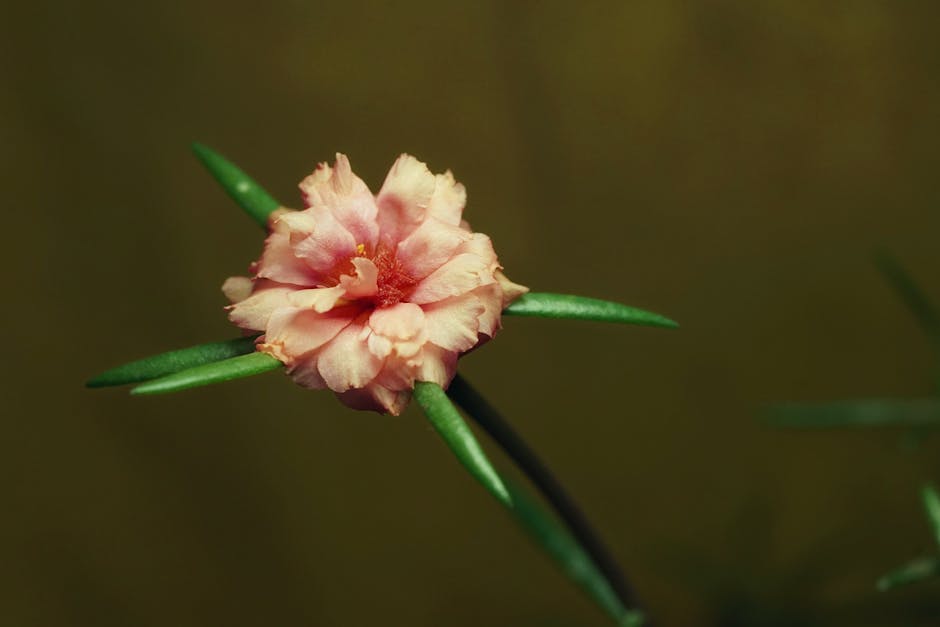
Hoya Care Guide: Complete Wax Plant Instructions
Learn comprehensive Hoya care including flowering tips, propagation, watering, and light requirements for these beautiful wax plants and porcelain flowers.
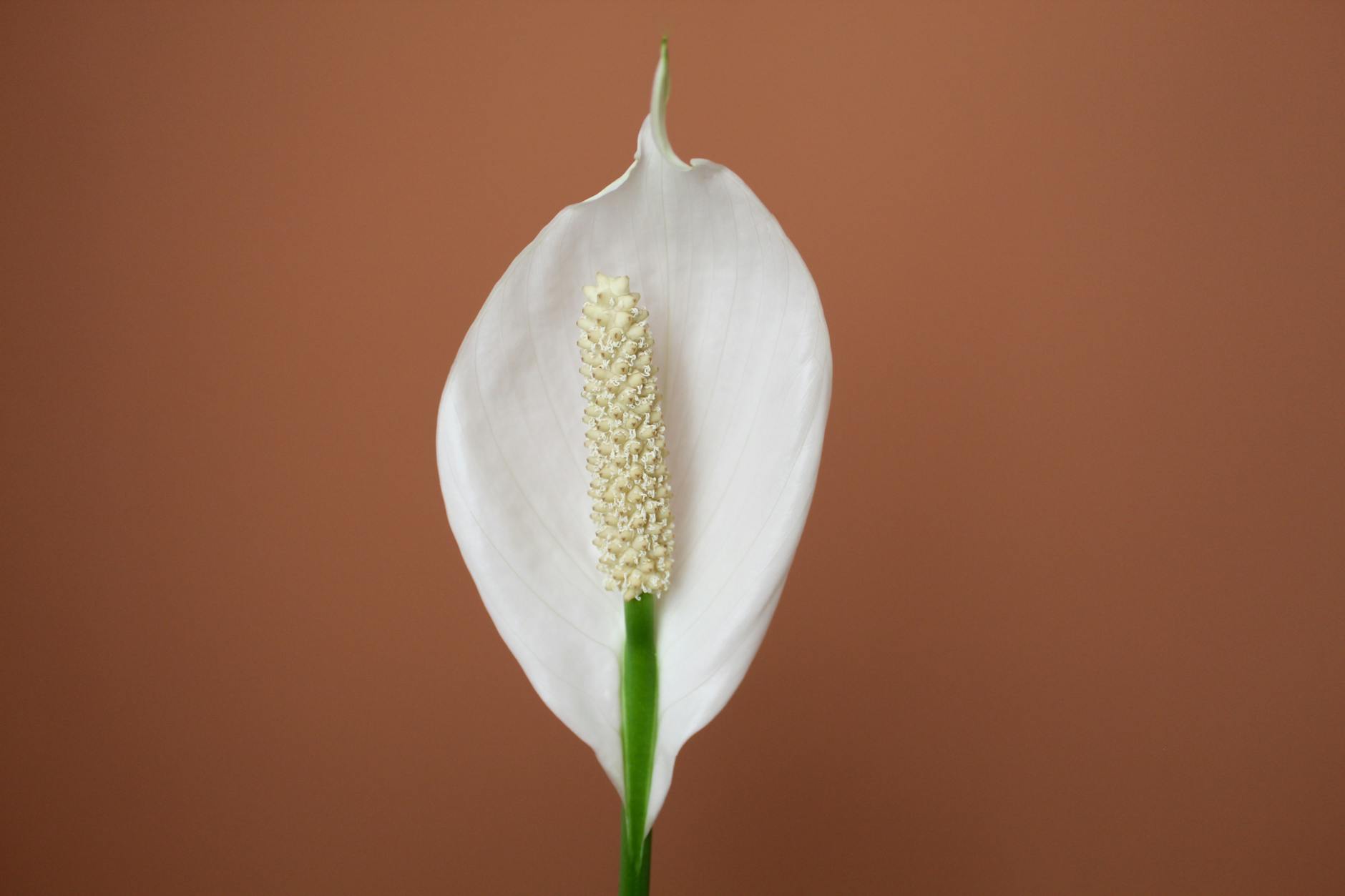
Peace Lily Care Guide: Complete Instructions for Spathiphyllum
Learn how to care for Peace Lilies with our comprehensive guide covering light, watering, flowering, and maintaining healthy growth indoors.