
Overwatering Plants Guide: Complete Recovery and Prevention for Waterlogged Houseplants
Learn how to identify, treat, and prevent overwatering in houseplants with our comprehensive guide covering symptoms, emergency treatment, and proper watering techniques.
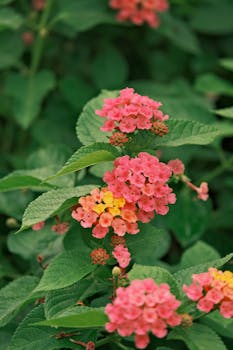
Houseplants have become cherished companions in our homes, infusing our spaces with life, freshness, and a touch of nature. Yet, amid the joys of nurturing these green friends lies a common pitfall that many plant parents face: overwatering. This often-unintentional act can lead to a cascade of problems, the most serious of which is root rot, a condition that can threaten the very existence of your beloved greenery. In this comprehensive guide, we will delve into the signs of overwatering, how to treat waterlogged plants, and most importantly, how to prevent it from happening in the first place.
By understanding the nuances of plant hydration, you can cultivate a thriving indoor garden that flourishes rather than falters. Whether you are a seasoned plant enthusiast or just starting your botanical journey, this guide will provide you with the knowledge and tools needed to ensure your plants remain healthy and vibrant.
Understanding the Problem
Overwatering is one of the most common challenges faced by houseplant owners, and it often stems from a well-meaning desire to care for plants. The notion that more water equates to healthier plants is a misconception that can lead to dire consequences. Plants, like all living organisms, have specific water requirements, and exceeding those needs can create an environment that fosters decay and disease.
When soil becomes excessively wet, it deprives the roots of essential oxygen. Just as humans need air to breathe, plants require oxygen for root respiration. Without this critical element, roots can begin to suffocate, leading to a decline in plant health. The onset of root rot can be insidious; often, the symptoms are not immediately apparent, allowing the problem to escalate if not caught early. Understanding the underlying issues associated with overwatering is crucial for any plant owner aiming to maintain a flourishing indoor garden.
Identifying the Signs
Recognizing the signs of overwatering is the first step in mitigating its impact on your plants. One of the most obvious indicators is the yellowing of leaves. When a plant receives too much water, it can no longer absorb nutrients effectively, leading to chlorosis and a lack of vigor. You might also notice that the soil emits a musty odor, a telltale sign that anaerobic bacteria are thriving in the overly wet environment.
Another sign to watch for is the presence of fungus gnats. These tiny pests are attracted to damp soil and can become a nuisance if left unchecked. Soft stems and wilting leaves, despite the soil being wet, are additional symptoms that suggest your plant is suffering from excess moisture. The roots may also begin to exhibit signs of decay, characterized by a mushy texture and a dark coloration. If you observe any mold growth on the soil surface, it’s a clear indication that your plant is in distress.
To accurately assess your plant’s moisture levels, it’s essential to check the soil frequently. Using your finger or a moisture meter can help determine whether it’s time to water or if your plant is already saturated. By familiarizing yourself with the signs of overwatering, you can act swiftly before irreversible damage occurs.
Common Causes
Understanding the common causes of overwatering can help you avoid this predicament in the future. One of the primary culprits is a lack of proper drainage. When plants are kept in pots without drainage holes, excess water has nowhere to escape, leading to waterlogged soil. Similarly, using heavy, compacted soil that retains moisture can exacerbate the issue. It is vital to select potting mixes that offer good aeration and drainage to promote healthy root growth.
Another frequent cause of overwatering stems from a misunderstanding of a plant’s specific needs. Different species have varying water requirements, influenced by factors such as their native habitat, size, and season. For instance, tropical plants may thrive in a more humid environment, while succulents prefer drier conditions. Additionally, seasonal changes can also affect watering needs. During the growing season, plants may require more water, whereas in the dormant winter months, their water intake decreases significantly.
Overzealous watering practices can also lead to problems. Many plant owners, eager to nurture their greenery, may water too frequently or in excessive amounts, believing it will encourage growth. However, this well-intentioned habit can quickly lead to waterlogged conditions. Understanding these common causes will empower you to adjust your care routine and avoid the pitfalls of overwatering.
How to Fix It
If you’ve determined that your plant is suffering from overwatering, the first step is to stop watering immediately. Allow the soil to dry out before considering any further actions. If the soil remains soggy, you may need to take more drastic measures. Check the drainage holes to ensure they are not blocked, as this can prevent water from escaping and lead to further issues.
In cases where the soil is excessively wet, carefully remove your plant from its pot. Gently shake off the soggy soil and inspect the roots. If you discover any roots that are brown, mushy, or have a foul odor, these are signs of root rot and should be pruned away. Using clean, sterilized scissors will help prevent any potential spread of disease.
Once the damaged roots have been removed, consider repotting your plant in fresh, well-draining soil. A mix designed for your specific plant type can make all the difference. When repotting, choose a pot with adequate drainage holes and avoid using a container that is too large, as this can lead to excess soil moisture retention.
Finally, improving air circulation around your plant can also aid in recovery. Placing your plant in a location with good airflow or using a fan can help the soil dry out more quickly. After these steps, keep an eye on your plant for signs of improvement, but be patient. Recovery may take time, especially if root rot was present.
Prevention Tips
Once you’ve navigated the challenges of overwatering, it’s essential to implement strategies to prevent recurrence. The most effective way to ensure your plants thrive is to develop a consistent watering routine tailored to their specific needs. Before watering, always check the moisture level in the soil. This simple practice can save your plants from the excesses of unintentional overwatering.
Utilizing well-draining soil is paramount. Choosing potting mixes that allow for good aeration and drainage will promote healthy root systems. You might also consider adding perlite or vermiculite to your soil to enhance its drainage properties further. Additionally, ensure that your pots have adequate drainage holes; this is a non-negotiable aspect of potted plant care.
Adjust your watering schedule according to the seasons. During warmer months, when plants are actively growing, they may require more frequent watering. Conversely, reduce the frequency during the colder months when many plants enter a state of dormancy. Remember that it’s better to err on the side of underwatering rather than overwatering; most plants can withstand a short period of dryness better than prolonged saturation.
Lastly, observe your plants regularly. Their leaves and overall appearance will provide valuable feedback regarding their health and hydration. By taking a proactive approach and learning to recognize the signs of distress early, you’ll be better equipped to care for your plants and keep them thriving for years to come.
When to Get Help
Sometimes, despite our best efforts, plants may still struggle with overwatering or other health issues. If you notice that your plant does not seem to be improving after you’ve taken corrective measures, it may be time to seek help. Consulting with a local nursery or a professional horticulturist can provide valuable insights and guidance tailored to your specific plant.
In addition, there are online communities and forums dedicated to plant care where you can share your experience and seek advice. Engaging with fellow plant enthusiasts can foster a sense of community and provide support as you navigate the challenges of plant care. Remember, every plant owner encounters hurdles along the way, and reaching out for assistance is a sign of a committed caretaker.
In conclusion, overwatering can pose significant challenges for houseplant enthusiasts, but with the right knowledge and proactive strategies, these challenges can be managed effectively. By understanding the signs, causes, and corrective measures associated with overwatering, you can ensure that your plants continue to thrive and bring joy to your home. Embrace the journey of plant care, and remember that each experience, whether a triumph or a setback, contributes to your growth as a caregiver.
Safety Note: Always research the toxicity of plants before bringing them into homes with pets or small children.
Frequently Asked Questions
How do I know if I'm overwatering my plants? ▼
Signs include yellowing leaves, musty soil odor, fungus gnats, soft stems, wilting despite wet soil, and mold growth. Check soil moisture and drainage regularly.
Can plants recover from overwatering? ▼
Yes, many plants can recover if caught early. Stop watering immediately, improve drainage, and check for root rot. Recovery depends on the severity of damage.
What should I do immediately if I've overwatered my plant? ▼
Stop watering, check drainage holes, remove plant from soggy soil if necessary, inspect roots for rot, and provide better air circulation around the plant.
How long does it take for an overwatered plant to recover? ▼
Recovery time varies from a few weeks to several months, depending on damage severity. Root rot cases may take longer and require repotting.
How can I prevent overwatering my plants? ▼
Check soil moisture before watering, ensure proper drainage, use well-draining soil, water deeply but less frequently, and adjust for seasonal changes.