
African Violet Care Guide: Complete Saintpaulia Instructions
Learn comprehensive African Violet (Saintpaulia) care including watering, light, humidity, flowering tips, and propagation for these popular flowering houseplants.
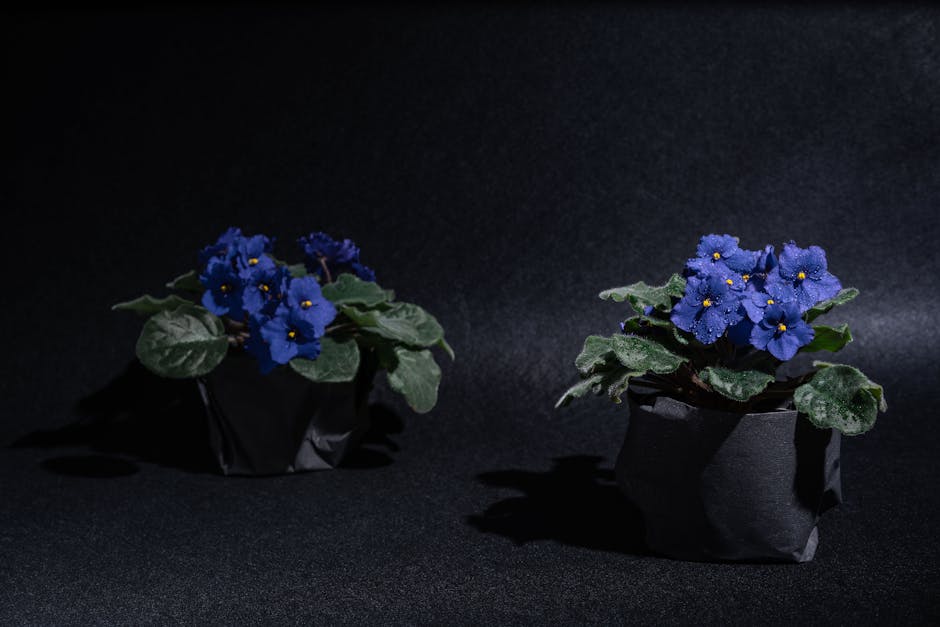
Quick Care Guide
Bright, indirect light (no direct sun)
Water when top inch of soil is dry (avoid leaves)
40-60% humidity preferred
65-75°F (18-24°C)
Well-draining, slightly acidic potting mix
Regular dilute feeding
Non-toxic to cats and dogs
African violets, scientifically known as Saintpaulia, are a beloved choice among houseplant enthusiasts due to their charming clusters of vibrant blooms and lush, velvety foliage. These compact plants, native to the tropical regions of East Africa, have captivated the hearts of many with their ability to thrive indoors, making them a quintessential addition to any living space. If you’re looking to cultivate beautiful African violets, this comprehensive care guide will equip you with all the essential knowledge you need to keep your plants healthy and flourishing.
Caring for African violets can be a rewarding experience, but it does require a bit of attention and understanding of their unique needs. From light and watering to soil conditions and humidity preferences, each aspect plays a crucial role in ensuring your plants thrive. Whether you are a seasoned horticulturist or a novice plant parent, this guide will walk you through the essentials of African violet care, offering insight into their specific requirements and troubleshooting common issues.
As we delve into the world of African violets, you’ll discover tips and techniques that will not only enhance your plant care skills but also deepen your appreciation for these stunning flowering houseplants. Let’s embark on this journey of nurturing and propagating one of nature’s most delightful creations.
Getting to Know Your Plant
African violets are charming little houseplants that come in a variety of colors, including shades of purple, pink, and white, often adorned with intricate patterns on their petals. The soft, fuzzy leaves are not just pleasing to the eye but also serve a functional purpose, helping the plant retain moisture in its native habitat. When you bring an African violet into your home, you’re inviting a piece of its tropical essence, along with the responsibility of providing the right care to encourage it to flourish.
Understanding the basic biology of your African violet is essential for successful cultivation. These plants typically grow to be about six to twelve inches in height and often produce an abundance of flowers, which can bloom year-round under the right conditions. African violets are considered medium-care plants, making them suitable for those who are ready to commit to a bit of attentiveness without overwhelming complexity. They thrive in environments that mimic their native habitat, namely warm, humid conditions with bright, indirect light.
Before you dive into the specifics of care, it’s vital to familiarize yourself with the key aspects of African violet maintenance. This includes understanding their light needs, watering schedule, soil preferences, temperature and humidity requirements, fertilization practices, and propagation methods. With this foundational knowledge, you’ll be well-equipped to embrace the joys of African violet cultivation.
Light Requirements
When it comes to light, African violets are particular yet forgiving. They thrive in bright, indirect light, which mimics the dappled sunlight they would receive in their native environment. Direct sunlight can scorch their delicate leaves, leading to unsightly brown spots and wilting. Therefore, positioning your African violet near a window that receives filtered light is ideal. East-facing windows are often the best choice, as they provide gentle morning sunlight without the harsh intensity of the afternoon rays.
If you find that your plant is not blooming, the first area to evaluate is its light exposure. Insufficient light can hinder flowering, leaving you with a lush plant but no blossoms to admire. On the other hand, if your African violet is receiving too much light, you may notice the edges of its leaves turning crispy or brown. A good rule of thumb is to observe your plant closely. If the leaves are a rich green and the plant appears to be stretching towards the light, it may be time to adjust its positioning.
During the shorter days of winter, you might consider using grow lights to supplement the natural light your plants receive. This can help maintain healthy growth and encourage blooming even during the dreary months when sunlight is scarce. Remember, the key to happy African violets lies in finding that perfect balance of bright, indirect light.
Watering Guidelines
Watering is perhaps one of the most crucial elements of African violet care. These plants prefer to be kept on the slightly moist side, but they do not appreciate sitting in waterlogged soil. The best practice is to check the top inch of the soil; when it feels dry, it’s time to water. This typically translates to a watering schedule of about every five to seven days, although factors such as temperature and humidity can influence this frequency.
When watering your African violet, always use room temperature water. Cold water can shock the plant’s roots, while excessively hot water can damage them. Aim to water from the bottom to avoid wetting the fuzzy leaves, which can lead to unsightly spots and potential rot. If you prefer to water from the top, use a watering can with a narrow spout to direct the flow of water straight to the soil without splashing the leaves.
For those who live in areas with hard tap water, it might be wise to consider using distilled or rainwater. Hard water contains salts and minerals that can accumulate in the soil over time, which may be detrimental to your plant’s health. If you notice crusty deposits on the soil surface or the edges of the leaves turning brown, it may be a sign that the water quality needs to be addressed.
Soil and Potting Requirements
Soil choice is paramount for the health of your African violets. These plants thrive in a well-draining, slightly acidic potting mix that allows air to circulate around the roots while retaining adequate moisture. A mix designed specifically for African violets is often the best choice, as it contains the right balance of organic materials to support healthy growth. If you prefer to create your own mix, consider combining equal parts potting soil, peat moss, and perlite for optimal drainage and aeration.
When potting your African violet, choose a container that is slightly smaller than the root ball, as these plants prefer to be somewhat root-bound. A pot that is too large can hold excess moisture, leading to root rot. Ensure that your pot has drainage holes to allow excess water to escape. If you notice water pooling in the saucer beneath the pot, it’s a good idea to empty it out to prevent the roots from soaking.
Repotting African violets should be done every year or two, depending on their growth rate. Signs that it’s time to repot include roots emerging from the drainage holes or the plant becoming top-heavy. When repotting, be gentle with the roots and avoid disturbing them too much. Once you’ve transferred your plant to a new pot with fresh soil, give it a good watering and allow it to settle into its new home.
Temperature and Humidity
African violets flourish in warm, humid environments, making them perfectly suited for indoor life, where temperatures can be easily controlled. Ideally, you should maintain a temperature range of 65 to 75 degrees Fahrenheit (18 to 24 degrees Celsius) for optimal growth. These plants are sensitive to cold drafts and sudden temperature fluctuations, so it’s essential to keep them away from air conditioning vents or drafty windows.
Humidity is another critical factor in the care of African violets. They prefer humidity levels between 40 and 60 percent, which can be challenging to achieve in many homes, especially during winter months when heating systems tend to dry out the air. To boost humidity around your plants, consider placing a humidity tray filled with water and pebbles beneath the pots. As the water evaporates, it will create a more humid microclimate for your African violets.
Alternatively, you might consider using a humidifier in the room where your plants are located. This can be particularly beneficial during dry spells or in drier climates. Just be cautious not to overdo it; excessive humidity can lead to fungal issues. Regularly monitoring the moisture levels around your plants will help you strike the right balance.
Fertilizing Schedule
To keep your African violets healthy and blooming, a regular fertilization schedule is essential. These plants benefit from a balanced, water-soluble fertilizer that is diluted to half-strength. Fertilizing every four to six weeks during the growing season, typically from spring through early fall, will provide the necessary nutrients to support vibrant foliage and abundant flowers.
Be mindful of the nitrogen content in your fertilizer, as too much nitrogen can lead to lush foliage at the expense of blooms. Look for fertilizers specifically formulated for African violets or flowering houseplants, which will provide a balanced ratio of nutrients suited for their needs.
During the fall and winter months, when plant growth tends to slow down, reduce fertilization to once every two months or stop altogether. This will allow your African violets to rest and prepare for the next growing season. Always follow the instructions on the fertilizer packaging and adjust as necessary based on your plant’s response.
Propagation Methods
Propagating African violets can be a delightful endeavor, allowing you to expand your collection or share your plants with friends. The most common method of propagation involves taking leaf cuttings. To do this, select a healthy leaf with a sturdy stem. Using a clean, sharp knife or scissors, cut the leaf at the base, making sure to include a bit of the stem.
You can propagate the leaf in either water or soil. If you choose to place the cutting in water, fill a glass with room temperature water and submerge the stem, ensuring that the leaf itself remains above the waterline. Place the glass in a warm, bright location, avoiding direct sunlight. Roots will typically begin to develop within a few weeks.
Alternatively, you can plant the leaf cutting directly into moist soil. Make a small hole in the soil with your finger or a pencil, insert the stem, and gently firm the soil around it. Water the soil lightly and cover the cutting with a plastic bag or a clear plastic dome to create a humid environment that encourages root growth. In both cases, new plants should begin to emerge from the base of the leaf within six to eight weeks.
Common Problems and Solutions
While African violets are generally resilient, they can encounter a few common issues that may hinder their growth or flowering. One of the most prevalent problems is leaf spotting, which often results from water getting on the leaves. To avoid this, always water from the bottom or direct the flow of water carefully to the soil. If you notice existing spots, remove the affected leaves to prevent any potential spread of disease.
Another common issue is a lack of blooming, which can stem from insufficient light or over-fertilization. If your plant is healthy in appearance but lacks flowers, reassess its light exposure and ensure that you’re not using a fertilizer too high in nitrogen. Adjusting these factors can help coax your plant back into bloom.
Pest infestations, such as aphids or mealybugs, can also pose a threat to your African violets. Regularly inspecting your plants for signs of pests will allow for early intervention. If you spot any unwanted visitors, gently wipe the leaves with a damp cloth or apply insecticidal soap to the affected areas.
Seasonal Care Adjustments
As seasons change, so too do the care requirements for your African violets. During the spring and summer months, these plants thrive in increased light and warmth, which typically encourages robust growth and blooming. This is the ideal time to keep up with regular watering, fertilizing, and humidity management.
As temperatures begin to drop in the fall and winter, it’s important to adjust your care routine accordingly. Reduce fertilization during the dormant months and monitor watering carefully, as the cooler temperatures can slow down evaporation and moisture loss from the soil. Additionally, it may be necessary to move your plants away from drafty windows or heating vents that could expose them to sudden temperature changes.
Keeping an eye on the humidity levels is especially crucial during winter, as indoor heating often dries out the air. Consider using a humidifier or moisture trays to help maintain the ideal humidity levels for your African violets during these colder months.
By understanding the seasonal needs of your African violets and adjusting your care practices accordingly, you’ll be well-prepared to support your plants through each stage of their growth cycle.
In conclusion, caring for African violets can be a gratifying and enriching experience. With their stunning blooms and soft foliage, these plants can brighten any space and bring joy to their caretakers. By adhering to the guidelines outlined in this comprehensive care guide, you’ll be well on your way to cultivating a thriving collection of these beloved houseplants. Embrace the journey of nurturing your African violets, and enjoy the beauty they bring into your life.
Safety Note: African Violet is considered non-toxic to cats and dogs, making it a pet-friendly choice for households with furry companions. However, ingesting any plant material may cause mild stomach upset, so it’s still best to discourage nibbling.
Frequently Asked Questions
How often should I water my African Violet? ▼
Water when the top inch of soil feels dry, typically every 5-7 days. Use room temperature water and avoid getting water on the fuzzy leaves.
Why won't my African Violet bloom? ▼
Lack of blooming usually indicates insufficient light, over-fertilizing with nitrogen, or the plant being too young. Provide bright, indirect light and proper nutrition.
Can I get water on African Violet leaves? ▼
Avoid getting water directly on the fuzzy leaves as it can cause spotting. Water from the bottom or use a watering can with a narrow spout.
Is African Violet safe for pets? ▼
Yes, African Violets are generally considered non-toxic to cats and dogs, making them safe for pet-owning households.
How do I propagate African Violets? ▼
Propagate from leaf cuttings by placing a healthy leaf with stem in water or moist soil. New plants will develop from the base in 6-8 weeks.
Explore Related Topics
Was this guide helpful?
Your input helps us improve our guides.
How can we improve this guide?
Similar Plants You Might Like

Norfolk Pine Care Guide: Complete Indoor Christmas Tree Instructions
Learn comprehensive Norfolk Pine care including light requirements, humidity needs, watering, and maintaining this popular indoor Christmas tree houseplant year-round.
Moderate
Alocasia Elephant Ear Care Guide: Complete Growing Instructions for Tropical Beauty
Learn how to care for Alocasia Elephant Ear plants with our comprehensive guide covering humidity, watering, light requirements, and troubleshooting for stunning tropical growth.
Moderate
Anthurium Care Guide: Complete Flamingo Flower Instructions
Learn comprehensive Anthurium care including flowering tips, humidity requirements, watering, and maintaining these stunning Flamingo Flower houseplants.
Moderate