
Houseplant Pest Identification Guide: Complete Visual Guide to Common Plant Pests
Learn to identify common houseplant pests with our comprehensive visual guide covering symptoms, life cycles, and treatment options for each pest type.
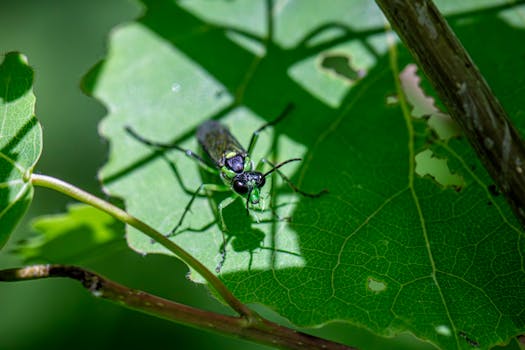
Houseplants bring life and vibrancy into our homes, enriching our spaces with their lush foliage and, in some cases, delightful blooms. However, the joy of nurturing these green companions can sometimes be overshadowed by the unwelcome presence of pests. Identifying and managing these pesky intruders is essential for maintaining the health of your plants. In this comprehensive guide, we’ll delve into the world of houseplant pests, equipping you with the knowledge to identify them, understand their life cycles, and implement effective treatment options. With our visual guide at your fingertips, you will be empowered to tackle pest problems head-on, ensuring your plants thrive in their indoor environment.
Pests can appear unexpectedly and wreak havoc on your beloved foliage. They can sap the vitality of your plants, leading to unsightly damage and even death if left unchecked. Identifying these pests early on is crucial, as many reproduce rapidly and can spread quickly from plant to plant. This guide aims to demystify the identification process, providing you with the tools to recognize the common culprits that threaten your houseplants. From spider mites to mealybugs, each pest has its own set of characteristics and symptoms that can help you pinpoint the issue before it escalates.
As we journey through this guide, you will learn how to observe your plants closely, identify the telltale signs of an infestation, understand the common causes of pest outbreaks, and explore effective treatment and prevention strategies. By the end, you will feel confident in your ability to protect your precious greenery from these unwanted visitors, ensuring they remain healthy and vibrant.
Understanding the Problem
Houseplant pests are more than just a nuisance; they are a reality that every plant enthusiast must confront at some point. Understanding the nature of these pests is essential for effective management. Pests can be broadly classified into two categories: soft-bodied insects and hard-bodied insects. Soft-bodied pests, such as aphids and spider mites, are particularly notorious for their rapid reproduction rates and the damage they inflict on plant tissues. Hard-bodied pests, like scale insects, can be more challenging to eradicate due to their protective shells.
The first step in addressing a pest problem is to recognize the symptoms that indicate an infestation. Some pests may be visible to the naked eye, while others, like spider mites, can be so small that they require a magnifying glass for proper identification. The damage caused by these pests can manifest in various ways, including yellowing leaves, stippling, webbing, or even the presence of sticky honeydew on leaves. Understanding these symptoms is crucial in diagnosing the issue and taking timely action.
In addition to direct damage to the plants, pests can also introduce diseases that further compromise plant health. Fungal infections, viral diseases, and bacterial issues can all result from the stress and injury caused by pest infestations. Thus, timely identification and intervention are paramount in protecting your houseplants from a myriad of threats.
Identifying the Signs
To successfully combat houseplant pests, you must first know how to identify the signs of their presence. One of the most common indicators of an infestation is the appearance of visible insects. Depending on the type of pest, you may notice small, moving creatures on the leaves and stems. For example, aphids are tiny and often cluster together on new growth, while whiteflies can be seen fluttering away when the plant is disturbed.
Other signs can include sticky residues on leaves, which is typically a result of honeydew secreted by pests such as aphids and mealybugs. This sticky substance can attract ants and lead to sooty mold, which further complicates the health of your plants. Spider mites, on the other hand, often leave behind fine webbing, particularly on the undersides of leaves, making it essential to inspect your plants from various angles.
In addition to visible signs of pests, the symptoms of plant distress can also provide valuable clues. Leaves may exhibit yellowing, stippling, or browning edges, which can indicate a pest problem or other environmental stressors. Small holes or unusual spots on the foliage may also point to insect activity. If you suspect the presence of tiny pests like spider mites, using a magnifying glass can be incredibly helpful in confirming their existence.
When investigating your plants for pests, it’s essential to be thorough and patient. Inspecting both the upper and lower surfaces of leaves, as well as the stems and soil, will give you a comprehensive view of any potential issues. Early detection is key, as it allows for prompt intervention and can often prevent a small problem from escalating into a full-blown infestation.
Common Causes
Understanding the common causes of pest infestations can help you anticipate and prevent issues before they arise. One of the primary contributors to pest problems in houseplants is environmental stress. Factors such as low humidity, improper watering, and inadequate light can weaken plants, making them more susceptible to pests. For instance, plants that are under-watered may become stressed, making them more appealing to sap-sucking insects like aphids and spider mites.
Another significant factor is the introduction of new plants into your home. Bringing in a new plant without properly inspecting it can inadvertently introduce pests to your existing collection. It’s always wise to quarantine new additions for a period to observe any signs of infestation before integrating them into your plant family. This practice can save you from the headache of dealing with a widespread outbreak.
Over-fertilization can also create an environment conducive to pests. Excessive nutrients can lead to lush growth that is attractive to various insects. Additionally, certain pests thrive in specific conditions, such as high humidity levels for fungus gnats or dry conditions for spider mites. Understanding the preferences of these pests can help you create an environment that discourages their presence.
Lastly, neglecting regular maintenance can lead to pest issues. Failing to clean leaves, allowing dust to accumulate, or not monitoring plant health can make it challenging to catch problems early. By keeping a close eye on your plants and their growing conditions, you can greatly reduce the likelihood of pest infestations.
How to Fix It
Once you’ve identified the presence of pests and the potential causes, the next step is to implement effective treatment strategies. The approach you take will depend on the type of pest you are dealing with, as different pests require different treatments. For soft-bodied pests like aphids and mealybugs, insecticidal soap or neem oil can be highly effective. These treatments work by suffocating the insects or disrupting their life cycles, ultimately leading to their demise.
For hard-bodied pests like scale insects, you may need to use oil-based treatments or systemic insecticides. These methods penetrate the protective shells of the pests and ensure that they are effectively managed. It’s crucial to read the labels and follow the instructions carefully, as some treatments may not be suitable for all plant types.
In addition to chemical treatments, you can also explore organic solutions. Introducing beneficial insects, such as ladybugs or predatory mites, can create a natural balance in your indoor garden. These allies will help keep pest populations in check without resorting to chemical interventions. However, always ensure that any introduced organisms are compatible with your existing plants and environment.
Another effective method is to physically remove pests from your plants. For larger pests, such as aphids, simply rinsing the leaves with water can dislodge them. For smaller pests, a cotton swab dipped in alcohol can effectively remove mealybugs or scale insects. Regularly inspecting and cleaning your plants can help keep pest populations under control.
It’s essential to remember that early intervention is critical. Acting quickly at the first signs of an infestation will increase the likelihood of successful treatment and prevent the spread of pests to other plants. The longer you wait, the more entrenched the problem may become, making it exponentially harder to manage.
Prevention Tips
Prevention is always the best strategy when it comes to managing houseplant pests. Creating an environment that is less hospitable to pests will significantly reduce the likelihood of infestations. Start by choosing the right plants for your space, considering factors like light, humidity, and temperature. Healthy plants are more resilient to pest attacks, so investing in their proper care should be a priority.
Regular maintenance is crucial in your prevention strategy. Make it a habit to inspect your plants frequently for signs of distress or pests. Keeping leaves clean by gently wiping them with a damp cloth can help remove dust and potential pest eggs. Additionally, providing adequate airflow around your plants can reduce humidity and discourage pests like fungus gnats and spider mites.
It’s also beneficial to maintain a balanced watering schedule. Over-watering can lead to root rot and attract pests, while under-watering can weaken plants. Always check the moisture level of the soil before watering and ensure that your pots have good drainage.
Moreover, consider introducing companion plants that can deter pests naturally. Certain plants, such as marigolds, are known to repel aphids and other nuisances. Integrating these companions into your indoor garden can provide an extra layer of protection against infestations.
Lastly, be cautious when introducing new plants into your home. Always inspect them thoroughly and consider treating them with a preventative insecticide before bringing them into close proximity with your existing plants. This simple step can save you considerable trouble down the line.
When to Get Help
Despite your best efforts, there may come a time when the pest problem becomes overwhelming. If you find yourself facing a severe infestation that you cannot manage, it may be time to seek professional help. Local nurseries or horticultural services can provide expert advice and tailored solutions for your specific situation.
If you notice that your plants are showing signs of significant distress despite your interventions, it may be a sign that the infestation is too advanced for DIY methods. In these cases, professionals can assess the situation and recommend effective treatments that may not be available to the average home gardener.
Additionally, if you are unsure about the type of pest you are dealing with or the appropriate treatment methods, consulting an expert can provide clarity and peace of mind. They can offer insights into the life cycles of pests and suggest integrated pest management strategies that align with your gardening philosophy.
Ultimately, the goal is to maintain the health and beauty of your houseplants. While pests may be an inevitable part of indoor gardening, your knowledge and proactive approach can make all the difference in keeping them at bay. With the right tools and information, you can successfully navigate the challenges of houseplant pests and enjoy the many rewards of nurturing your green companions.
Safety Note: Always research the toxicity of plants before bringing them into homes with pets or small children.
Frequently Asked Questions
How do I know if my plant has pests? ▼
Look for visible insects, sticky honeydew, webbing, stippled or yellowing leaves, small holes, or unusual spots. Use a magnifying glass for tiny pests like spider mites.
What are the most common houseplant pests? ▼
The most common are spider mites, aphids, mealybugs, scale insects, whiteflies, thrips, and fungus gnats. Each has distinctive signs and requires different treatments.
Can I use the same treatment for all plant pests? ▼
No, different pests require different treatments. Soft-bodied pests respond to insecticidal soap, while scale insects need oil-based treatments or systemic insecticides.
How quickly do I need to treat plant pests? ▼
Treat as soon as possible. Most pests reproduce rapidly and can quickly spread to other plants. Early intervention is much more effective than treating severe infestations.
Are plant pests dangerous to humans or pets? ▼
Plant pests themselves are generally not dangerous to humans or pets, but some treatments can be. Always read labels and keep treated plants away from children and pets.