
Alocasia Elephant Ear Care Guide: Complete Growing Instructions for Tropical Beauty
Learn how to care for Alocasia Elephant Ear plants with our comprehensive guide covering humidity, watering, light requirements, and troubleshooting for stunning tropical growth.

Quick Care Guide
Bright, indirect light
Keep soil consistently moist but not soggy
60-80% humidity essential
65-80°F (18-27°C)
Well-draining, moisture-retentive potting mix
Monthly during growing season
Keep away from cats, dogs, and children
Alocasia plants, commonly known as Elephant Ear due to their strikingly large, heart-shaped leaves, have captured the hearts of plant enthusiasts and interior decorators alike. With their lush foliage and tropical flair, these plants can transform any indoor space into a verdant oasis. However, their beauty comes with specific care requirements that, if met, will ensure that your Alocasia thrives and dazzles with its stunning growth.
The allure of the Alocasia lies not only in its dramatic appearance but also in its unique character. Native to the tropical regions of Southeast Asia, these plants are accustomed to high humidity and warmth, making them ideal for those who can replicate their natural environment. As we delve deeper into the nuances of Alocasia care, you will discover how to nurture this tropical beauty, ensuring it remains healthy and vibrant throughout the year.
In this comprehensive guide, we will explore the essential aspects of Alocasia care, including light requirements, watering guidelines, soil needs, and more. Whether you are a seasoned plant parent or new to the world of houseplants, understanding these key factors will help you cultivate a flourishing Alocasia that is sure to impress.
Getting to Know Your Plant
Alocasia plants, which belong to the family Araceae, are distinguished by their dramatic foliage and unique growth patterns. With varieties ranging from the striking Alocasia Polly to the magnificent Alocasia Zebrina, there is an Alocasia for every plant lover. The leaves can grow quite large, often reaching impressive sizes, making them a focal point in any room. Their striking appearance is complemented by their vibrant green hue, which can display intriguing patterns and textures.
These tropical beauties thrive in conditions that mimic their natural habitat, which means they require a bit more attention than some of their hardier counterparts. Understanding the specific needs of your Alocasia is crucial for its well-being. The care you provide will determine not only the health of the plant but also its overall aesthetic appeal. As you embark on this journey of Alocasia care, remember that patience and observation will be your best allies.
Light Requirements
When it comes to light, Alocasia plants are quite particular. They thrive in bright, indirect light, which naturally mimics the dappled sunlight filtering through the tall trees of their native tropical forests. Placing your Alocasia near a window with filtered sunlight is ideal; however, direct sunlight can scorch their delicate leaves, leading to unsightly brown patches. If you notice your Alocasia stretching or becoming leggy, it is a clear indication that it is not receiving enough light.
In contrast, low light conditions can inhibit growth and result in smaller leaves, making them more susceptible to pests and diseases. If you find yourself in a dimly lit space, consider supplementing with grow lights to ensure your Alocasia receives the brightness it craves. Observing your plant’s response to its environment will guide you in making necessary adjustments to its light exposure, ultimately fostering a healthy and robust specimen.
Watering Guidelines
Watering is an integral part of Alocasia care, as it directly influences the plant’s overall health. These humidity-loving plants prefer their soil to be consistently moist but not waterlogged. It’s essential to strike a balance; overwatering can lead to root rot, while underwatering can cause the leaves to droop and become crispy at the edges. To achieve the perfect moisture level, water your Alocasia when the top inch of soil feels dry to the touch.
When watering, ensure that the excess water drains out of the pot’s drainage holes, preventing the roots from sitting in water. During the growing season, which typically spans spring and summer, your Alocasia may require more frequent watering as it actively absorbs moisture and nutrients. Conversely, during the fall and winter months, you may notice a decrease in water needs as the plant enters a period of dormancy. Keeping a close eye on the soil’s moisture levels will help you maintain the delicate equilibrium that Alocasia requires.
Soil and Potting Requirements
Choosing the right soil mix for your Alocasia is critical to its success. A well-draining, moisture-retentive potting mix is ideal, allowing for adequate aeration while retaining enough moisture to keep the roots happy. A combination of peat moss, perlite, and orchid bark works wonders, providing the perfect environment for your plant to thrive. The aim is to create a medium that encourages healthy root development while preventing water from pooling at the bottom of the pot.
When potting your Alocasia, select a container that allows for proper drainage. Terracotta pots are a great option as they are porous and help regulate moisture levels. Ensure that the pot has drainage holes to prevent excess water buildup, which can lead to root rot. As your Alocasia grows, it may become root-bound, indicating that it’s time for a larger pot. Repotting not only provides more space for growth but also refreshes the soil, giving your plant a nutrient boost.
Temperature and Humidity
Temperature and humidity play vital roles in the overall health of your Alocasia. These tropical plants flourish in temperatures ranging from 65 to 80°F (18 to 27°C), making them well-suited for indoor environments. However, they are sensitive to extreme temperature fluctuations. Avoid placing your Alocasia near drafty windows, air conditioning vents, or heaters, as sudden changes in temperature can stress the plant and hinder its growth.
Humidity is equally important for Alocasia, as these plants thrive in environments with 60 to 80 percent humidity. If you live in a dry climate or have indoor heating that lowers humidity levels, consider using a humidifier to maintain the necessary moisture in the air. Alternatively, you can create a humid microclimate by placing a pebble tray filled with water beneath the pot or grouping your Alocasia with other humidity-loving plants. The key is to monitor the humidity levels and make adjustments as needed, ensuring that your Alocasia remains content and healthy.
Fertilizing Schedule
To keep your Alocasia thriving, a consistent fertilizing schedule is essential. During the growing season, which typically runs from spring through summer, feed your plant with a balanced, water-soluble fertilizer every month. This will provide the necessary nutrients to support its growth and vibrant foliage. Look for a fertilizer that is high in nitrogen, as this nutrient promotes lush leaf development, which is a hallmark of healthy Alocasia plants.
As the seasons change and your Alocasia enters its dormancy phase in the fall and winter, reduce the frequency of fertilization. During this time, the plant’s growth slows down, and it requires fewer nutrients. Over-fertilizing during dormancy can lead to nutrient buildup in the soil, potentially harming the roots. By adjusting your fertilizing schedule according to the seasons, you ensure that your Alocasia receives the right amount of nourishment at the right time.
Propagation Methods
For those looking to expand their Alocasia collection or share their love for these plants with friends, propagation can be a rewarding endeavor. The most common method of propagating Alocasia is through division. This process involves carefully removing the plant from its pot and gently separating the tubers or offsets from the main root ball. Each division should have a few healthy roots and ideally some foliage to ensure successful growth.
Once you’ve divided your Alocasia, replant the sections in fresh potting mix, ensuring that they are in pots with drainage holes. Water them thoroughly after planting and place them in a warm, humid environment to encourage root development. Keep an eye on the new plants, as they may require extra care during this initial growth phase. With patience and attention, your newly propagated Alocasia will soon flourish, adding to your indoor jungle.
Common Problems and Solutions
Despite your best efforts, Alocasia plants can sometimes encounter issues that may hinder their growth or overall appearance. One common problem that many Alocasia owners face is yellowing leaves. While some yellowing can be normal during dormancy or stress, excessive yellowing may indicate overwatering, underwatering, or low humidity levels. To address this, carefully assess your watering routine and humidity conditions, making adjustments as necessary.
Pests can also pose a threat to your Alocasia’s health. Spider mites, aphids, and mealybugs are some of the common pests that may invade your plant. Regularly inspect your Alocasia for any signs of infestation, such as webbing or tiny insects. If you spot pests, treat them promptly with insecticidal soap or neem oil. Maintaining proper humidity levels can also help deter pests, as many thrive in dry conditions.
Another issue to be mindful of is leaf burn, which can result from excessive direct sunlight. If you notice brown edges or scorched patches on the leaves, it may be time to reposition your plant to a location with bright, indirect light. By being vigilant and responsive to your Alocasia’s needs, you can tackle these common problems and keep your plant thriving.
Seasonal Care Adjustments
As the seasons change, so too do the care requirements for your Alocasia. During the growing season, your plant will appreciate the additional attention and higher humidity levels. This is the time to provide consistent watering, regular fertilization, and optimal light conditions to support its vigorous growth. Keep in mind that as temperatures rise, your Alocasia may also need more frequent watering to compensate for increased evaporation.
As winter approaches, your Alocasia may enter a state of dormancy. This is a natural process where the plant conserves energy and may lose some leaves. During this time, reduce your watering frequency and halt fertilization to allow the plant to rest. While it may seem alarming to see your Alocasia lose its leaves, rest assured that this is a normal part of its life cycle. Maintain adequate humidity and monitor the soil moisture to prevent the roots from drying out completely during the dormancy period.
With each seasonal transition, staying attuned to your Alocasia’s needs will enable you to provide the best care possible. By making the necessary adjustments in light, watering, and humidity, you can help your plant thrive, ensuring that it bursts back into life with vigor when the growing season returns.
In conclusion, caring for an Alocasia Elephant Ear plant is a rewarding venture that invites you to embrace the beauty of tropical plants within your home. By understanding their unique needs and providing the right conditions, you can cultivate a stunning specimen that not only enhances your living space but also brings a touch of nature indoors. Whether you are a novice or a seasoned plant enthusiast, the journey of nurturing your Alocasia promises to be filled with joy and discovery.
Safety Note: Alocasia Elephant Ear contains compounds that are toxic to cats, dogs, and humans if ingested. Keep plants out of reach of curious pets and small children. Contact a veterinarian or poison control center if ingestion occurs.
Frequently Asked Questions
Why do Alocasia leaves turn yellow and drop? ▼
Yellow leaves are normal during dormancy or stress. However, excessive yellowing may indicate overwatering, underwatering, low humidity, or seasonal dormancy. Adjust care accordingly.
How much humidity do Alocasia plants need? ▼
Alocasia requires 60-80% humidity to thrive. Use humidifiers, pebble trays, or group plants together to maintain adequate moisture levels.
Do Alocasia plants go dormant indoors? ▼
Yes, many Alocasia varieties enter dormancy during winter, losing leaves and storing energy in tubers. Reduce watering but don't stop completely during this period.
Can I grow Alocasia in low light? ▼
No, Alocasia needs bright, indirect light to maintain healthy growth. Low light conditions cause leggy growth, smaller leaves, and increased susceptibility to problems.
Is Alocasia toxic to pets? ▼
Yes, all Alocasia species are highly toxic to pets and children due to calcium oxalate crystals. Keep away from pets and seek immediate medical attention if ingested.
Explore Related Topics
Was this guide helpful?
Your input helps us improve our guides.
How can we improve this guide?
Similar Plants You Might Like

Aglaonema Silver Bay Care Guide: Complete Instructions for Chinese Evergreen Beauty
Learn how to care for Aglaonema Silver Bay with our comprehensive guide covering light, watering, humidity, and maintaining stunning silver variegation in this easy-care houseplant.
Easy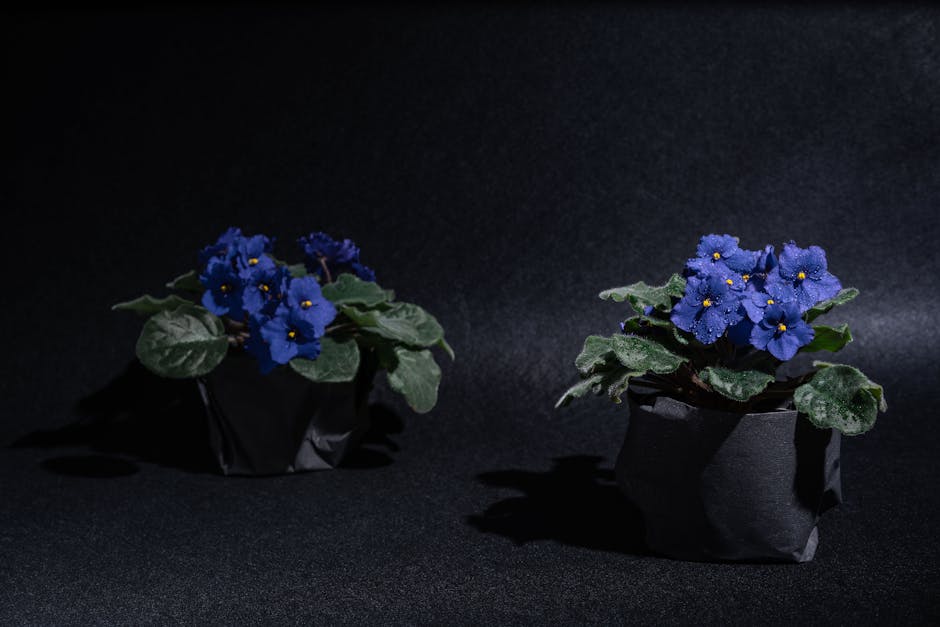
African Violet Care Guide: Complete Saintpaulia Instructions
Learn comprehensive African Violet (Saintpaulia) care including watering, light, humidity, flowering tips, and propagation for these popular flowering houseplants.
Moderate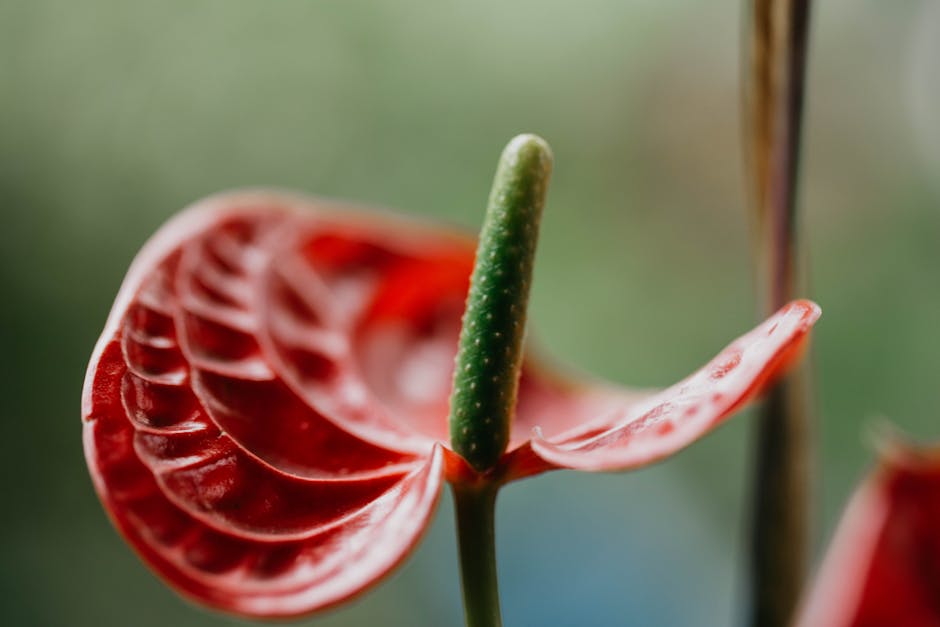
Anthurium Care Guide: Complete Flamingo Flower Instructions
Learn comprehensive Anthurium care including flowering tips, humidity requirements, watering, and maintaining these stunning Flamingo Flower houseplants.
Moderate