
Norfolk Pine Care Guide: Complete Indoor Christmas Tree Instructions
Learn comprehensive Norfolk Pine care including light requirements, humidity needs, watering, and maintaining this popular indoor Christmas tree houseplant year-round.

Quick Care Guide
Bright, indirect light with some direct sun
Keep soil consistently moist but not waterlogged
50%+ humidity essential
65-70°F (18-21°C)
Well-draining, slightly acidic potting mix
Monthly during growing season
Keep away from cats, dogs, and children
The Norfolk Pine, known scientifically as Araucaria heterophylla, is a stunning evergreen that has found a special place in the hearts of plant lovers, especially during the festive season. Its symmetrical branches and lush, soft needles create a natural beauty that makes it a popular choice for indoor Christmas trees. However, its appeal does not wane post-holidays; this tree can thrive as a houseplant year-round, provided it receives the right care. In this comprehensive guide, we will dive into every aspect of Norfolk Pine care, ensuring that you have the knowledge needed to keep this delightful tree healthy and vibrant throughout the seasons.
As an indoor plant, the Norfolk Pine requires a moderate level of care, making it suitable for both novice and experienced gardeners alike. Its unique aesthetic, reminiscent of a miniature forest, brings a refreshing touch of nature indoors, while its evergreen nature ensures that it provides greenery all year long. Whether you’re drawn to it for its holiday charm or its year-round elegance, understanding its specific needs will help you cultivate a lush, thriving Norfolk Pine.
To truly appreciate the beauty of the Norfolk Pine, it’s essential to understand its characteristics and requirements. By familiarizing yourself with this plant’s preferences for light, humidity, watering, and soil, you can create an ideal environment that will allow your Norfolk Pine to flourish.
Getting to Know Your Plant
The Norfolk Pine is native to the Norfolk Islands in the South Pacific, where it grows tall and majestic in its natural habitat. This tree can reach impressive heights, often exceeding 200 feet outdoors, but when grown indoors, it typically remains much smaller, making it an ideal candidate for home decor. Its needle-like leaves are soft to the touch, arranged in whorls around the branches, giving it an elegant appearance that complements any room.
One of the unique traits of the Norfolk Pine is its growth pattern. Unlike many houseplants that tend to grow bushily, the Norfolk Pine maintains a more upright, conical shape. This characteristic makes it particularly appealing as a living holiday tree. However, be aware that while it can live indoors year-round, it requires specific conditions to thrive.
Light Requirements
When it comes to light, the Norfolk Pine prefers bright, indirect sunlight, which mimics its natural habitat’s dappled sunlight. An east or south-facing window is ideal, where it can enjoy some direct morning sun without being scorched by the harsh afternoon rays. If you notice your Norfolk Pine stretching toward the light or exhibiting sparse growth, it may be a sign that it is not receiving enough illumination.
While the Norfolk Pine is adaptable, too much direct sunlight can lead to needle scorch, leading to a decline in the plant’s health. If you find that your plant is situated in a spot where it receives intense light, consider moving it to a location that provides the necessary brightness while safeguarding it from the strongest rays.
Watering Guidelines
Watering is one of the most critical aspects of Norfolk Pine care. This plant thrives in consistently moist soil, but it is essential to avoid waterlogging, as excessive moisture can lead to root rot. The key is to strike a balance. Water your Norfolk Pine thoroughly, allowing the water to drain from the bottom of the pot, and then wait until the top inch of soil has dried out before watering again.
During the growing season, typically spring and summer, your Norfolk Pine may require more frequent watering as it actively takes in moisture to support its growth. Conversely, in the colder months, the plant’s water needs may decrease slightly, so keep an eye on the soil’s moisture level. If you notice the needles turning brown or dropping off, it could indicate either underwatering or overwatering—both of which can be detrimental to your plant’s health.
Soil and Potting Requirements
Choosing the right soil is crucial for the Norfolk Pine’s overall health. This tree thrives in a well-draining, slightly acidic potting mix. Look for a mix that contains peat moss, pine bark, and perlite to ensure good aeration and drainage. If you prefer a DIY approach, you can create your own mix by combining standard potting soil with equal parts of perlite and pine bark.
When it comes to potting, it is essential to select a container that allows for adequate drainage. A pot with a drainage hole at the bottom will help prevent water from accumulating at the roots, reducing the risk of rot. Additionally, repotting every couple of years will allow the roots to spread and provide the plant with fresh nutrients. When repotting, be gentle with the roots and try to disturb the root ball as little as possible to minimize stress on the plant.
Temperature and Humidity
Temperature and humidity are vital components of Norfolk Pine care. This tree prefers a comfortable indoor environment, thriving best in temperatures ranging from 65 to 70°F (18 to 21°C). It is essential to keep your Norfolk Pine away from drafts, heating vents, and air conditioning units, which can create fluctuations that may stress the plant.
Humidity is another critical factor; Norfolk Pines require humidity levels of at least 50% or higher to thrive. This can be a challenge in typical indoor environments, especially during winter months when heating systems tend to dry out the air. To increase humidity, consider using a humidifier, grouping your Norfolk Pine with other plants, or placing it on a pebble tray filled with water. If possible, placing it in a naturally humid room, such as a bathroom with ample light, can also help create a suitable microclimate.
Fertilizing Schedule
To maintain optimal health and encourage growth, a regular fertilizing schedule is essential for your Norfolk Pine. During the growing season, which typically spans from spring to early fall, feeding your plant monthly with a balanced, water-soluble fertilizer will provide it with the necessary nutrients. Look for a fertilizer that is specifically designed for evergreen trees or general houseplants, ensuring that it contains a balanced ratio of nitrogen, phosphorus, and potassium.
In the fall and winter months, when the plant’s growth slows down, you can reduce or even cease fertilization. This allows the plant to rest and conserve energy. If you notice your Norfolk Pine becoming leggy or exhibiting slow growth, it may be a sign that it needs more nutrients, prompting you to revisit your fertilization schedule.
Propagation Methods
While the Norfolk Pine is typically grown from seeds, propagation through cuttings can be a more challenging endeavor. Seeds can be sown in a well-draining mix and kept in a warm, humid environment until they germinate. However, patience is key, as germination can take several weeks.
If you are keen on propagation through cuttings, it’s important to take healthy cuttings from a mature plant during the growing season. Place the cut ends in a moist potting mix and cover with a plastic bag to retain humidity. While this method can be less reliable, it’s worth a try if you’re feeling adventurous.
Common Problems and Solutions
As with any plant, your Norfolk Pine may encounter some common issues that require attention. One of the most prevalent problems is branch drop, which can be attributed to low humidity, insufficient watering, or inadequate light. If you notice branches dropping, assess the environmental conditions and make necessary adjustments.
Another concern is browning needles. This can occur due to several factors, such as overwatering, underwatering, or exposure to cold drafts. If your Norfolk Pine exhibits browning, take a moment to check the soil moisture and ensure it is not sitting in water. Additionally, reposition the plant away from cold drafts and ensure that it is receiving the right amount of light.
If you have pets at home, it’s essential to note that while Norfolk Pine is mildly toxic to cats and dogs if ingested, it is not highly dangerous. Nevertheless, it’s best to keep your plant out of reach of curious pets to avoid any potential issues.
Seasonal Care Adjustments
As the seasons change, so too do the care requirements for your Norfolk Pine. In spring and summer, when the tree is actively growing, focus on providing bright indirect light, consistent moisture, and regular feeding. This is the ideal time for repotting if you notice that your plant has outgrown its pot.
As autumn approaches and temperatures begin to drop, gradually reduce your watering frequency and cease fertilization. Keep an eye on humidity levels, ensuring that your Norfolk Pine remains in a comfortable environment. During winter, it’s crucial to monitor your plant closely, as indoor heating can cause dry air that may stress the tree.
With the right care, your Norfolk Pine can thrive as a beautiful indoor houseplant, providing joy and greenery throughout the year. By understanding its specific needs and making necessary adjustments, you can enjoy this charming evergreen long after the holiday season has passed. Whether you are a seasoned plant enthusiast or a newcomer, the Norfolk Pine will undoubtedly bring a touch of the outdoors inside, creating a serene and inviting atmosphere in your home.
Safety Note: Norfolk Pine contains compounds that are toxic to cats, dogs, and humans if ingested. Keep plants out of reach of curious pets and small children. Contact a veterinarian or poison control center if ingestion occurs.
Frequently Asked Questions
Can Norfolk Pine live indoors year-round? ▼
Yes, Norfolk Pine can live indoors permanently with proper care including bright light, high humidity, and consistent watering.
How much light does Norfolk Pine need? ▼
Norfolk Pine needs bright, indirect light. An east or south-facing window with some direct morning sun is ideal.
Why are my Norfolk Pine branches dropping? ▼
Branch drop usually indicates low humidity, underwatering, or insufficient light. Norfolk Pines need high humidity and consistent moisture.
Is Norfolk Pine safe for pets? ▼
Norfolk Pine is mildly toxic to cats and dogs if ingested. While not highly dangerous, it's best to keep out of reach of pets.
How do I increase humidity for my Norfolk Pine? ▼
Use a large pebble tray, group with other plants, use a humidifier, or place in a naturally humid room like a bathroom with good light.
Explore Related Topics
Was this guide helpful?
Your input helps us improve our guides.
How can we improve this guide?
Similar Plants You Might Like
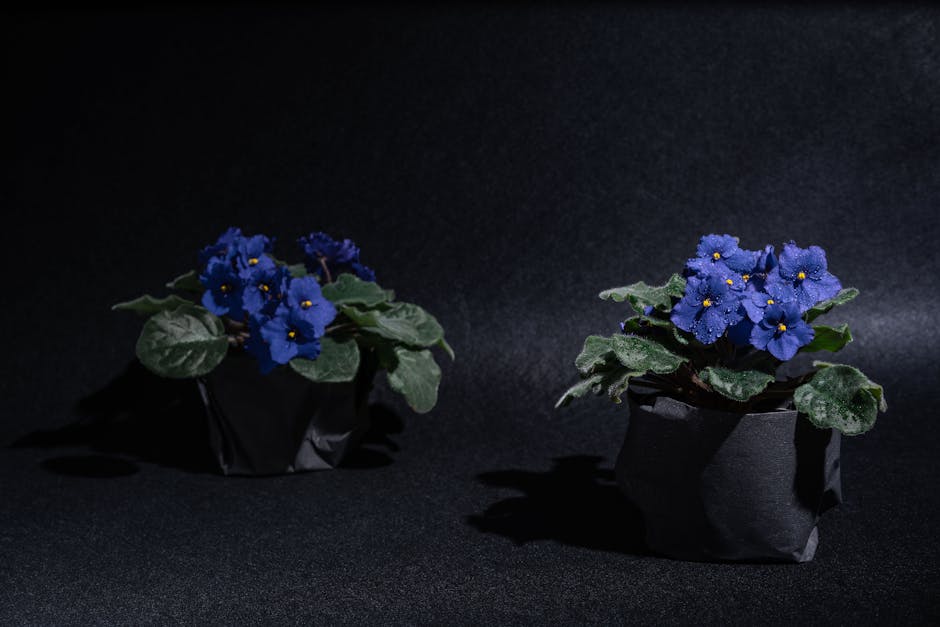
African Violet Care Guide: Complete Saintpaulia Instructions
Learn comprehensive African Violet (Saintpaulia) care including watering, light, humidity, flowering tips, and propagation for these popular flowering houseplants.
Moderate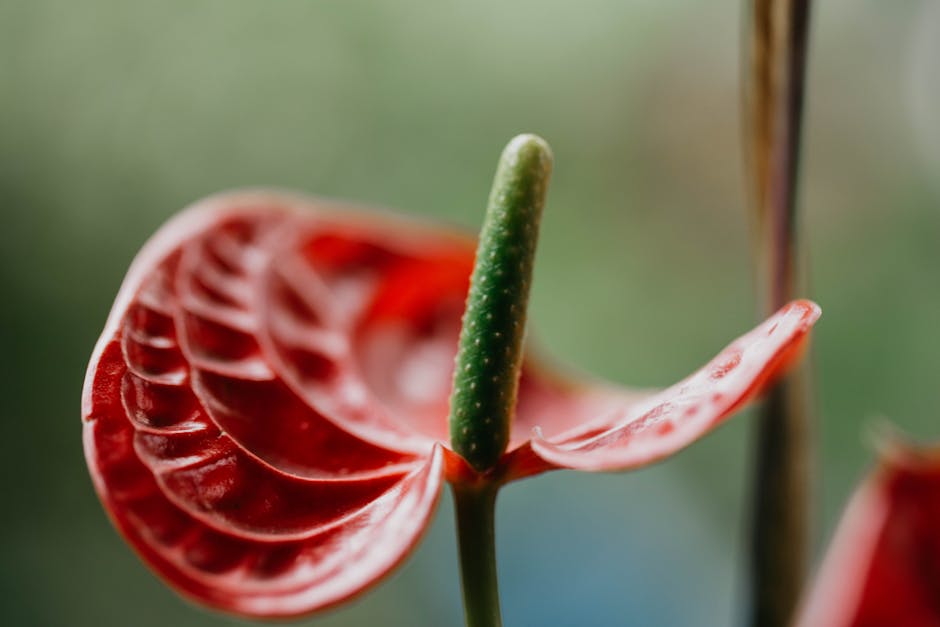
Anthurium Care Guide: Complete Flamingo Flower Instructions
Learn comprehensive Anthurium care including flowering tips, humidity requirements, watering, and maintaining these stunning Flamingo Flower houseplants.
Moderate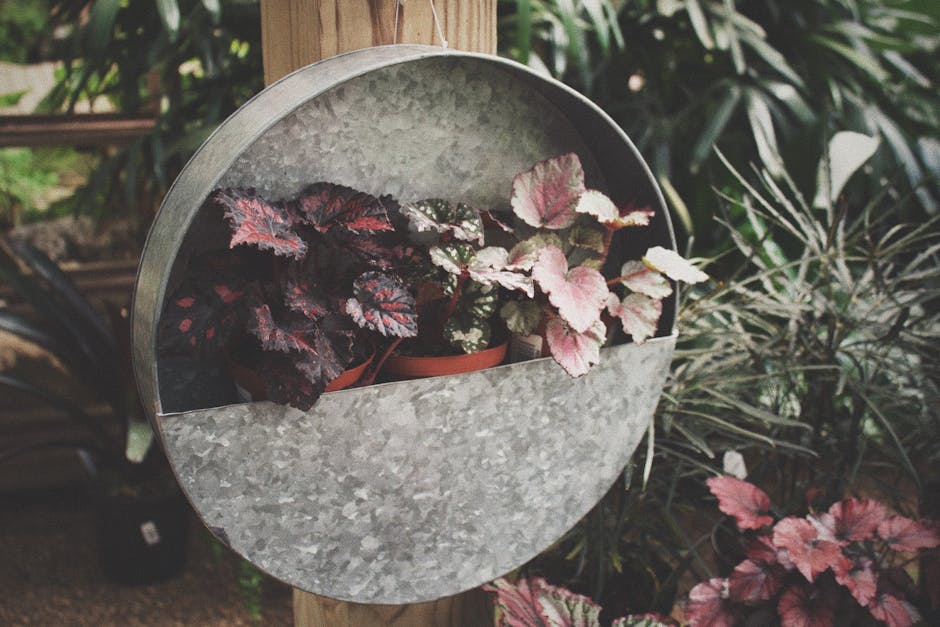
Begonia Care Guide: Complete Instructions for All Types
Learn comprehensive Begonia care including different types, flowering tips, humidity requirements, and propagation for these colorful flowering houseplants.
Moderate