
Anthurium Care Guide: Complete Flamingo Flower Instructions
Learn comprehensive Anthurium care including flowering tips, humidity requirements, watering, and maintaining these stunning Flamingo Flower houseplants.
Quick Care Guide
Bright, indirect light
Water when top inch of soil is dry
60-80% humidity essential
70-85°F (21-29°C)
Well-draining, chunky aroid mix
Monthly with balanced fertilizer
Keep away from cats, dogs, and children
Anthuriums, often referred to as Flamingo Flowers, are a captivating addition to any indoor garden. With their glossy, heart-shaped leaves and vibrant, waxy blooms, these tropical wonders are not just visually stunning; they also bring an air of exotic elegance to any space. While they have moderate care requirements, the reward for your efforts is well worth it. In this comprehensive guide, we will explore everything you need to know to cultivate healthy, thriving Anthuriums, from their light and humidity needs to watering and fertilizing tips.
Understanding the specific care requirements of your Anthurium will enhance your experience as a plant parent. These plants hail from the tropical rainforests of Central and South America, thriving in environments that mimic their native habitat. With the right conditions, your Flamingo Flower will not only survive but flourish, rewarding you with striking blooms that can last for months. Whether you’re a seasoned plant enthusiast or a newcomer to the world of houseplants, this guide is designed to help you bring out the best in your Anthurium.
As we delve into the specifics of Anthurium care, keep in mind that patience and observation are key. Every plant is unique, and understanding how yours responds to its environment will help you provide the best care. So, let’s embark on this journey to discover the ins and outs of Anthurium care.
Getting to Know Your Plant
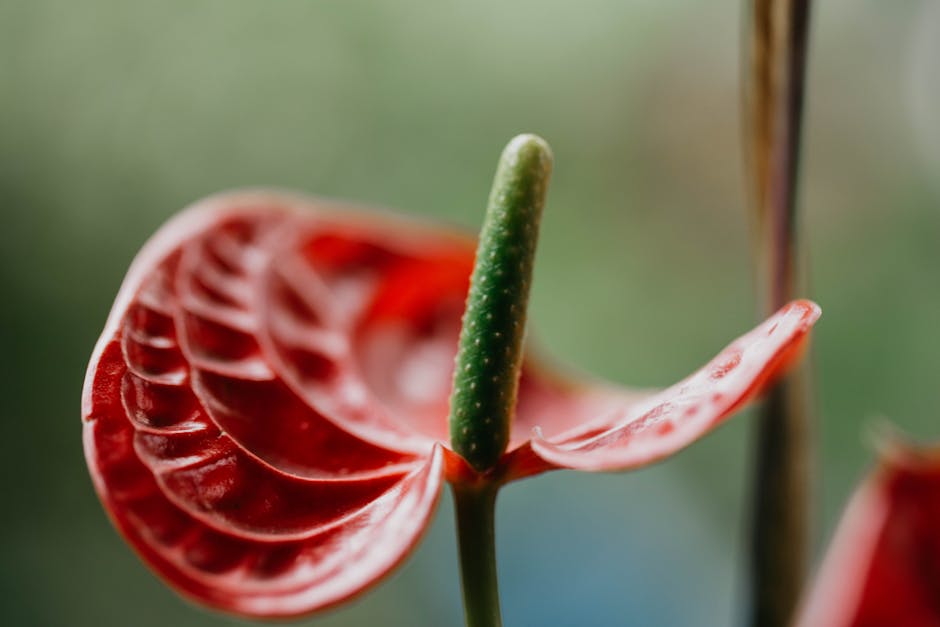
Before we dive into the particulars of care, it’s essential to familiarize yourself with the Anthurium’s characteristics and needs. This plant belongs to the Araceae family and is known for its striking inflorescence, which consists of a spadix surrounded by a colorful spathe. The blooms can range in color from deep red to pink, white, or even green, adding a burst of color that can brighten any room. Anthuriums also boast lush, dark green foliage that complements their vibrant flowers beautifully, making them an excellent choice for indoor decoration.
Anthuriums are considered medium-care plants, meaning they require a bit more attention than low-maintenance varieties but are still manageable for most plant lovers. They thrive in bright, indirect light and prefer high humidity, reflecting their tropical origins. Understanding these needs will lay the foundation for successful care, ensuring your Anthurium continues to flourish and produce stunning flowers.
Light Requirements
One of the most crucial aspects of Anthurium care is providing the right lighting conditions. These plants thrive in bright, indirect light, mimicking the dappled sunlight they would receive in their natural rainforest habitat. Placing your Anthurium near a north or east-facing window is often ideal, as these positions allow for ample light without the harshness of direct sun, which can scorch the delicate leaves.
If you notice your Anthurium stretching toward the light or its leaves becoming leggy, it may be a sign that it’s not receiving enough illumination. Conversely, if the leaves are developing brown tips or your blooms are fading, you might need to reassess its light exposure. Consider rotating your plant occasionally to ensure even growth and exposure to light on all sides. If natural light is limited in your home, you might also explore the use of grow lights, which can supplement the necessary brightness and help your Anthurium thrive.
Watering Guidelines
Watering is another vital component of Anthurium care. These plants prefer consistent moisture but are sensitive to overwatering, which can lead to root rot. To strike the right balance, it’s best to water your Anthurium when the top inch of soil feels dry to the touch. This typically means watering every five to seven days, but various factors such as temperature, humidity, and pot size can influence the frequency.
When watering, ensure that you do so thoroughly, allowing excess water to drain from the bottom of the pot. This practice helps prevent stagnant water from accumulating, which can be detrimental to the roots. During the growing season, from spring to early fall, your Anthurium may require more frequent watering as it actively grows and flourishes. In contrast, during the dormant winter months, you can reduce watering slightly, allowing the soil to dry out a bit more between waterings.
Soil and Potting Requirements
Choosing the right potting mix is essential for the health of your Anthurium. These plants thrive in well-draining, chunky aroid mixes that provide both support and aeration to the roots. A mix that combines peat moss, perlite, and orchid bark is often ideal, as it mimics the natural conditions where Anthuriums grow in the wild.
When potting your Anthurium, ensure that you select a container with adequate drainage holes. This will allow excess moisture to escape, preventing waterlogged soil and reducing the risk of root rot. As your Anthurium grows, you may need to repot it every couple of years to refresh the soil and provide additional space for root development. When repotting, handle the roots gently to avoid damage, and be sure to choose a pot that is only slightly larger than the current one, as an overly large pot can lead to excess moisture retention.
Temperature and Humidity
Anthuriums are true tropical plants, thriving in warm, humid environments. They prefer temperatures between 70 and 85 degrees Fahrenheit (21 to 29 degrees Celsius), making them well-suited for indoor living where temperatures are stable. It’s important to avoid exposing your Anthurium to cold drafts or sudden temperature fluctuations, as these can stress the plant and inhibit its growth.
Equally crucial is humidity, which should be maintained between 60 and 80 percent for optimal growth and flowering. To achieve the ideal humidity levels, consider using a humidifier, placing a pebble tray filled with water beneath the pot, or grouping your Anthurium with other humidity-loving plants. These methods create a microclimate that encourages healthy growth and blooming. If you notice the leaf edges browning or curling, it may be a sign that the humidity levels are too low, and adjustments are necessary.
Fertilizing Schedule
To keep your Anthurium thriving, a regular fertilizing schedule is essential. During the growing season, typically from spring through early fall, you should feed your plant monthly with a balanced fertilizer. A liquid fertilizer diluted to half strength is usually effective, as it provides the necessary nutrients without overwhelming the plant.
When applying fertilizer, be sure to water your Anthurium first to avoid burning the roots. This practice ensures that the nutrients are absorbed effectively, promoting healthy growth and vibrant blooms. As your plant enters its dormant phase in the winter, you can reduce or eliminate fertilization, allowing it to rest and recover before the next growing season.
Propagation Methods
If you’re looking to expand your Anthurium collection or share the joy of these beautiful plants with friends, propagation is a rewarding endeavor. The most common method for propagating Anthuriums is through division. This process involves carefully separating the plant into sections during repotting, ensuring that each section has a healthy root system.
When dividing your Anthurium, choose a time when the plant is actively growing, preferably in spring. Gently remove the plant from its pot and carefully separate the roots, ensuring each section has at least one healthy leaf and a portion of the root system. Once separated, repot the new sections in their own containers with fresh, well-draining soil. Water them thoroughly and place them in a warm, humid environment to encourage root development.
Another propagation method involves stem cuttings, though this is less common with Anthuriums. If you choose to go this route, select a healthy stem with a leaf attached, cut it below a node, and allow it to callous over before placing it in moist soil. This method requires patience, as it can take some time for roots to develop.
Common Problems and Solutions
Even with the best care, Anthuriums can encounter various problems. One common issue is lack of blooms or faded flower color. To encourage your Anthurium to bloom, ensure it receives adequate bright, indirect light, maintain high humidity levels, and provide proper nutrition. If your plant is not flowering, it may be stressed due to insufficient light, inadequate humidity, or nutrient deficiencies. Deadheading spent flowers can also encourage new blooms, keeping your plant looking vibrant.
Another concern is pests, such as spider mites, aphids, or mealybugs, which can damage the foliage. Regularly inspect your plant for any signs of infestation, such as webbing or sticky residue. If you notice any pests, treat your Anthurium with insecticidal soap or neem oil, ensuring you cover both the tops and undersides of the leaves.
Finally, leaf browning or curling can indicate environmental stress, often related to low humidity or inconsistent watering. Adjusting the humidity levels, ensuring proper watering practices, and maintaining stable temperatures can help rectify these issues and keep your Anthurium healthy.
Seasonal Care Adjustments
As seasons change, so do the care requirements for your Anthurium. During the growing season, focus on providing optimal light, consistent moisture, and regular feeding to support active growth and blooming. This is the time to enjoy watching your plant thrive, as it will likely produce new foliage and vibrant flowers.
As winter approaches, the focus shifts to maintenance and care adjustments. Lower light levels and cooler temperatures may necessitate reducing watering and halting fertilization. Ensure your Anthurium is placed in a location that remains warm and free from drafts. During this dormant phase, continue to monitor humidity levels, as indoor heating can often lead to lower humidity, which is detrimental to your plant’s health.
By adjusting your care practices with the changing seasons, you can help your Anthurium navigate the annual cycle of growth and rest, ensuring it remains a stunning focal point in your home year after year.
In conclusion, caring for an Anthurium can be a fulfilling journey that rewards you with breathtaking blooms and lush foliage. By understanding their unique needs and making adjustments as required through the seasons, you can cultivate a thriving Flamingo Flower that will bring joy and beauty to your space for many years to come. Whether you’re a seasoned plant enthusiast or just beginning your plant journey, the Anthurium is a remarkable choice that embodies the allure of tropical plants, making it a cherished addition to any indoor garden.
Safety Note: Anthurium contains compounds that are toxic to cats, dogs, and humans if ingested. Keep plants out of reach of curious pets and small children. Contact a veterinarian or poison control center if ingestion occurs.
Frequently Asked Questions
How do I get my Anthurium to bloom? ▼
Provide bright, indirect light, maintain high humidity (60%+), consistent warmth, and proper nutrition. Mature plants bloom regularly with optimal care.
How much humidity does Anthurium need? ▼
Anthuriums need 60-80% humidity for best growth and flowering. Use humidifiers, pebble trays, or group plants to increase humidity.
How often should I water my Anthurium? ▼
Water when the top inch of soil feels dry, typically every 5-7 days. Keep soil consistently moist but never waterlogged.
Is Anthurium safe for pets? ▼
No, Anthuriums are toxic to cats and dogs if ingested. Keep out of reach of pets and children as all parts contain calcium oxalate crystals.
Why aren't my Anthurium flowers bright red? ▼
Flower color can fade with age, insufficient light, or stress. Provide optimal growing conditions and deadhead spent flowers to encourage new, vibrant blooms.
Explore Related Topics
Was this guide helpful?
Your input helps us improve our guides.
How can we improve this guide?
Similar Plants You Might Like

Norfolk Pine Care Guide: Complete Indoor Christmas Tree Instructions
Learn comprehensive Norfolk Pine care including light requirements, humidity needs, watering, and maintaining this popular indoor Christmas tree houseplant year-round.
Moderate
Aglaonema Silver Bay Care Guide: Complete Instructions for Chinese Evergreen Beauty
Learn how to care for Aglaonema Silver Bay with our comprehensive guide covering light, watering, humidity, and maintaining stunning silver variegation in this easy-care houseplant.
Easy
Alocasia Elephant Ear Care Guide: Complete Growing Instructions for Tropical Beauty
Learn how to care for Alocasia Elephant Ear plants with our comprehensive guide covering humidity, watering, light requirements, and troubleshooting for stunning tropical growth.
Moderate