
Spider Plant Care
Fast-growing, baby-producing plant that's perfect for hanging baskets and beginners.
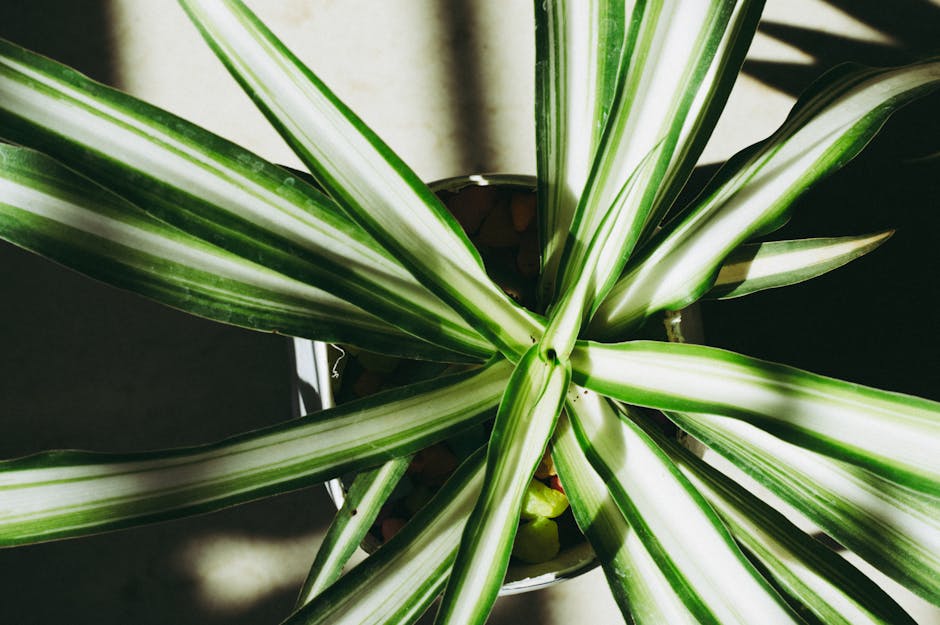
Spider Plants are the ultimate beginner houseplant and propagation gateway drug. They’re nearly indestructible and generous with their baby plantlets.
Basic Care
Light: Bright, indirect light produces the best growth and babies. Can tolerate lower light.
Water: Keep soil evenly moist but not soggy. Water when top inch feels dry.
Babies: Mature plants produce long stems with baby plantlets that can be propagated.
Pet Safety: One of the few plants that’s completely safe for curious cats and dogs.
Why Spider Plants Are Perfect for Beginners
- Extremely forgiving of care mistakes
- Fast-growing and rewarding
- Produces free baby plants
- Safe around pets and children
- Excellent air purifier
- Thrives in various conditions
Propagation Made Easy
Spider plant babies are incredibly easy to propagate:
- Water method: Place baby in water until roots develop (1-2 weeks)
- Soil method: Plant baby directly in moist soil
- Attached method: Place pot under baby while still connected to parent
Air Purification Benefits
NASA studies show spider plants remove:
- Formaldehyde
- Xylene
- Toluene
They’re especially effective in bedrooms and home offices.
Varieties to Try
- Vittatum: Classic green and white striped
- Variegatum: White edges with green centers
- Bonnie: Curly, ribbon-like leaves
- Solid Green: All-green variety, very hardy
Historical Note
Spider plants became popular houseplants in the Victorian era and have remained favorites for over 200 years due to their reliability and easy propagation.
Frequently Asked Questions
When will my spider plant produce babies? ▼
Mature plants (1-2 years old) produce babies when they're slightly rootbound and receiving adequate light.
Are spider plants safe for pets? ▼
Yes! Spider plants are non-toxic to cats and dogs, making them perfect for pet households.
Should I cut off the baby plants? ▼
You can leave them attached or propagate them. Babies can be rooted in water or soil.
Explore Related Topics
Was this guide helpful?
Your input helps us improve our guides.
How can we improve this guide?
Similar Plants You Might Like
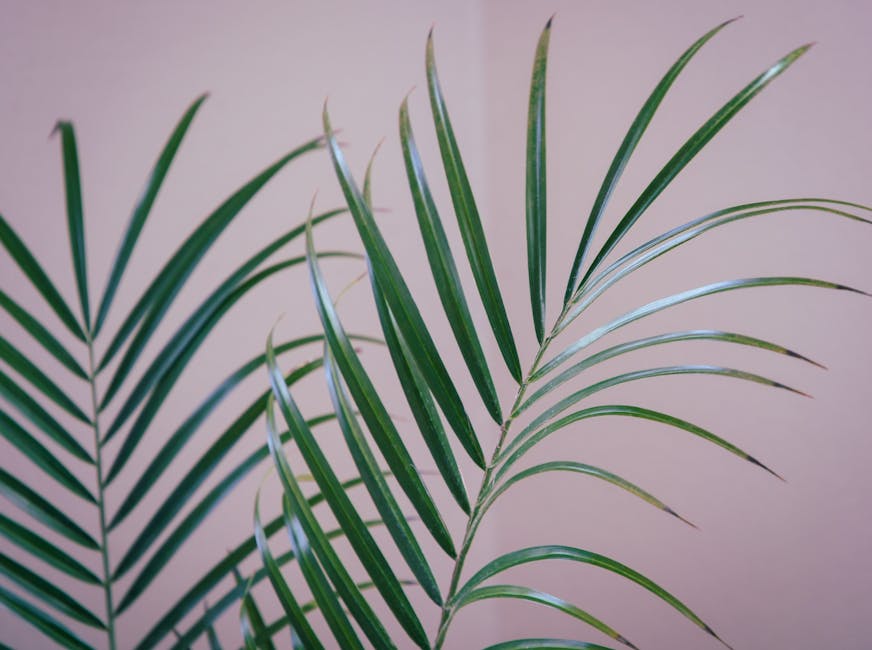
Parlor Palm Care Guide: Complete Chamaedorea elegans Instructions
Learn comprehensive Parlor Palm (Chamaedorea elegans) care including watering, light, humidity, and troubleshooting for this elegant pet-safe palm.
Easy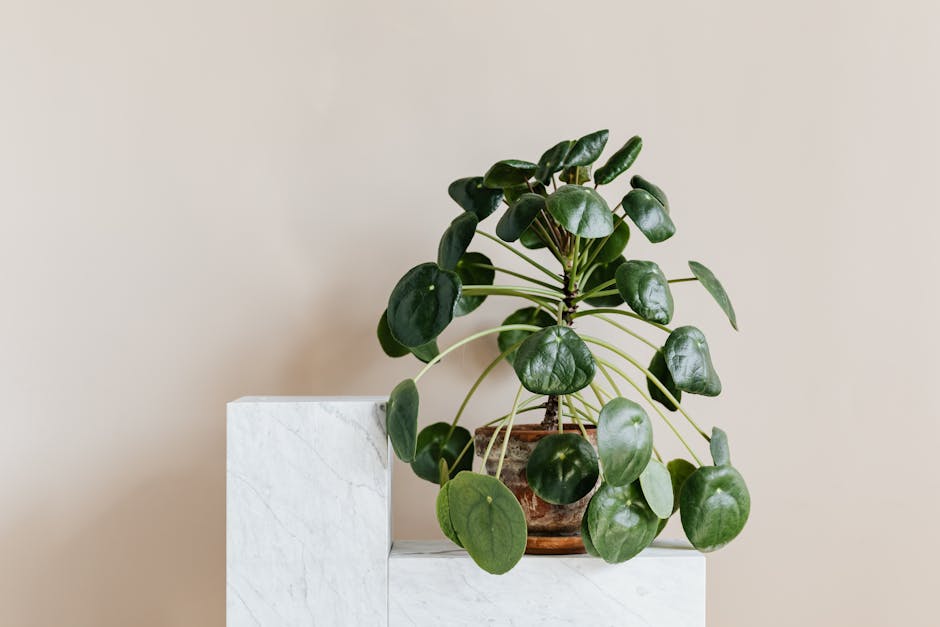
Pilea Care Guide: Complete Chinese Money Plant Instructions
Learn comprehensive Pilea peperomioides care including watering, light, propagation, and troubleshooting for this popular Chinese Money Plant.
Easy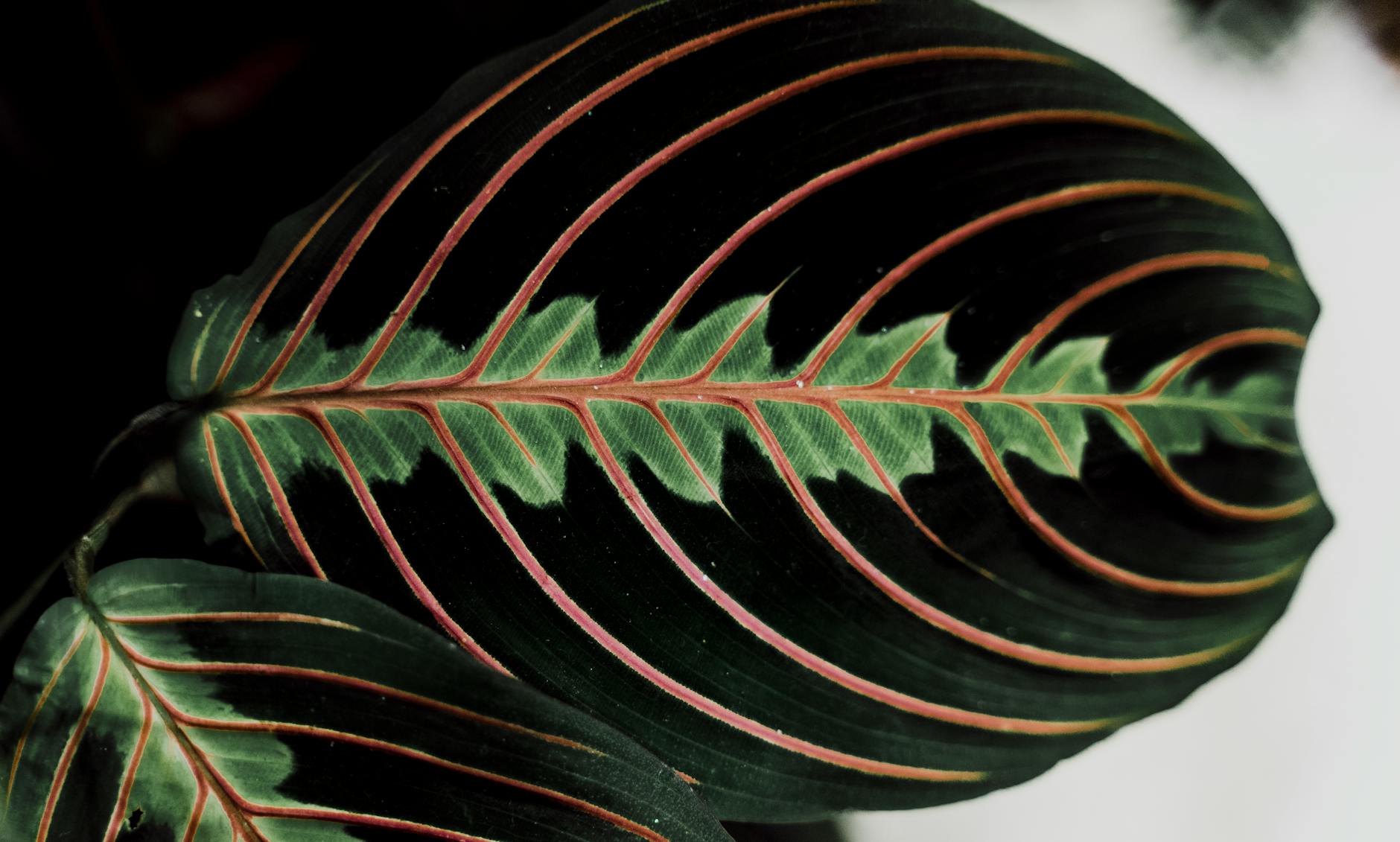
Prayer Plant Care Guide: Complete Instructions for Maranta Leuconeura
Learn how to care for Prayer Plants with our comprehensive guide covering humidity, watering, light requirements, and understanding their fascinating leaf movements.
Moderate