
Pilea Care Guide: Complete Chinese Money Plant Instructions
Learn comprehensive Pilea peperomioides care including watering, light, propagation, and troubleshooting for this popular Chinese Money Plant.
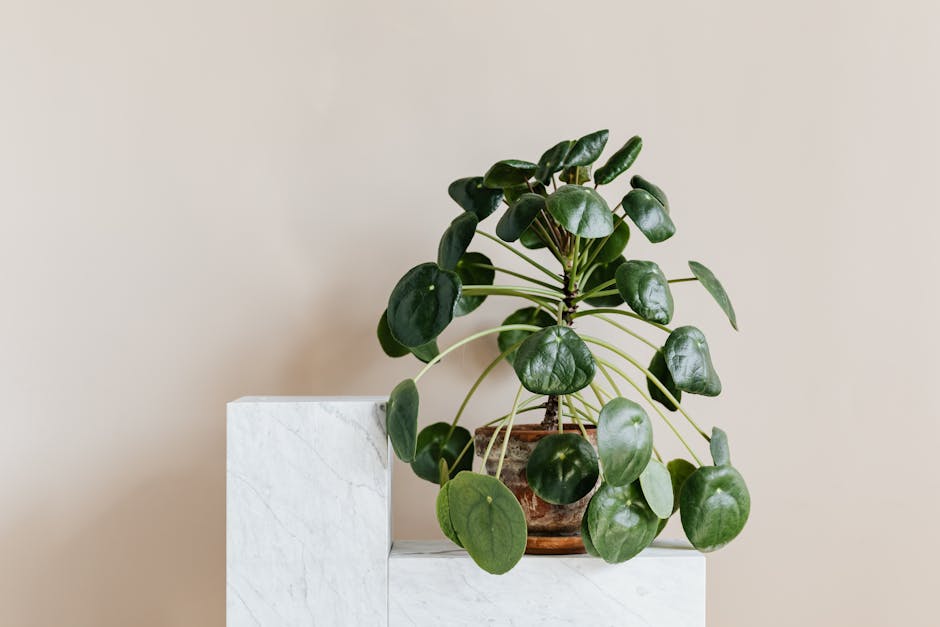
Quick Care Guide
Bright, indirect light
Water when top inch of soil is dry
Average household humidity
65-75°F (18-24°C)
Well-draining potting mix
Monthly during growing season
Non-toxic to cats and dogs
The Pilea peperomioides, affectionately known as the Chinese Money Plant, has captured the hearts of plant enthusiasts and casual gardeners alike. With its charming round leaves and unique growth habit, this delightful houseplant has become a staple in modern homes. Not only does it add a touch of greenery to any space, but it is also celebrated for its ease of care. This makes the Pilea an ideal choice for beginners and seasoned plant parents who want to expand their indoor jungle.
As you embark on your journey with this enchanting plant, you’ll discover that the Pilea is not just a pretty face. It comes with its own set of care requirements, each contributing to its overall health and vitality. Understanding these needs will help you cultivate a flourishing Pilea that thrives in your home, all while showering you with its delightful pups, or “babies,” as they are often called. Whether you’re seeking to propagate your own plant or troubleshoot common issues, this comprehensive guide is your go-to resource for all things Pilea.
Let’s dive deeper into the world of the Chinese Money Plant, exploring its characteristics, care requirements, and the joy it brings as it grows and multiplies in your living space.
Getting to Know Your Plant
Pilea peperomioides is a unique plant with an intriguing backstory. Native to the mountainous regions of southwestern China, it was first discovered by botanist A.F. Møller in the 1940s. Since then, it has gained popularity across the globe, largely due to its stunning appearance and low maintenance needs. The Chinese Money Plant is characterized by its thick, glossy leaves that grow in a circular shape, emerging on long, slender stems. This distinctive foliage creates a striking silhouette, making it a favorite among modern décor enthusiasts.
One of the most captivating aspects of the Pilea is its ability to produce offsets, or pups, which can be propagated to create new plants. This delightful feature adds to the plant’s appeal, as it allows for easy sharing among friends and family. The Pilea is also regarded as a symbol of good fortune and prosperity, which contributes to its common name, the Chinese Money Plant. As you nurture your Pilea, you not only enhance your living space but also invite a little luck into your home.
Light Requirements
The Pilea peperomioides thrives in bright, indirect light, making it an excellent choice for various indoor locations. When selecting a spot for your plant, consider placing it near a window that receives filtered sunlight. Direct sunlight can scorch the leaves, leading to unattractive brown patches and curling. Instead, aim for a location where the sunlight is softened by sheer curtains or blinds.
If you find that your Pilea is not growing as vigorously as you’d like, it may be a sign that it is not receiving enough light. In such cases, you can gently rotate the plant every few weeks to ensure all sides receive equal exposure to sunlight. This practice encourages balanced growth and helps maintain that delightful, bushy shape that makes the Pilea so appealing. If your plant begins to lean towards the light, it’s an indication that it is stretching for more illumination. Simply adjusting its position or providing additional light can rectify the situation.
Watering Guidelines
Watering is one of the most crucial aspects of Pilea care, and it can often be a source of confusion for new plant owners. The key to successfully watering your Pilea lies in understanding when to do it. The general rule of thumb is to water your plant when the top inch of soil feels dry to the touch. This typically translates to a watering schedule of every 7 to 10 days, depending on the environmental conditions in your home.
It’s essential to avoid overwatering, as Pileas are sensitive to soggy soil. A well-draining potting mix will help prevent root rot, a common issue for many houseplants. When you do water, be sure to do so thoroughly, allowing excess water to drain from the pot’s bottom. This ensures that the roots receive adequate hydration while preventing water from pooling at the base. Pay attention to the leaves as well; if they begin to curl or droop, it may be a sign that your plant is either underwatered or suffering from low humidity.
Soil and Potting Requirements
Choosing the right soil for your Pilea is essential for its growth and overall health. A well-draining potting mix is ideal, as it allows excess moisture to escape while retaining enough water for the roots to absorb. You can create your own blend by mixing regular potting soil with perlite or coarse sand to enhance drainage. This combination will provide your Pilea with the perfect environment to thrive.
When it comes to potting, select a container with drainage holes to prevent water from accumulating at the bottom, which can lead to root rot. A pot that is slightly larger than the root ball is ideal, as it allows for growth without overwhelming the plant. As your Pilea matures, you may notice it becoming slightly pot-bound, which can encourage the production of pups. Generally, repotting every couple of years is sufficient to ensure your plant has enough room to grow.
Temperature and Humidity
Pilea peperomioides enjoys a comfortable indoor environment, thriving in temperatures ranging from 65 to 75°F (18 to 24°C). Keeping your plant within this temperature range will promote healthy growth and prevent stress. Avoid placing your Pilea in drafty areas or near heating vents, as sudden temperature fluctuations can negatively impact the plant’s health.
Humidity is another important factor to consider. Pileas prefer average household humidity, which is typically sufficient for their needs. However, if you notice your plant’s leaves curling or developing brown edges, it may be a sign that the humidity levels are too low. In such cases, consider placing a small humidifier nearby or grouping your Pilea with other plants to create a microclimate with higher humidity. Remember that humidity levels can fluctuate throughout the year, particularly during the dry winter months, so keeping an eye on your plant’s condition is essential.
Fertilizing Schedule
To keep your Pilea healthy and thriving, a regular fertilizing schedule is essential during the growing season, typically spring and summer. Applying a balanced, water-soluble fertilizer once a month will provide your plant with the necessary nutrients to support its growth. When fertilizing, be sure to dilute the fertilizer to half strength, as Pileas can be sensitive to over-fertilization. Excessive nutrients can lead to leggy growth and may even hinder the production of pups.
As autumn approaches and the days grow shorter, your Pilea will naturally enter a period of dormancy. During this time, you can reduce or completely halt fertilization, allowing the plant to rest until the growing season returns. Observing your plant’s growth patterns will guide you in determining the best fertilizing routine for your specific environment.
Propagation Methods
One of the most rewarding aspects of caring for a Pilea is the opportunity to propagate its pups. These adorable little offshoots can be separated from the mother plant when they have developed a few roots of their own, typically when the pups are at least 2-3 inches tall. To propagate your Pilea, gently remove the pup from the main plant, taking care not to damage its roots. You can then pot the pup in fresh, well-draining soil.
Alternatively, you can choose to propagate your Pilea pups in water. Simply place the pup in a glass of water, ensuring that the roots are submerged while the leaves remain above the waterline. Change the water every few days to keep it fresh, and in a few weeks, you’ll begin to see new root growth. Once the roots are a few inches long, you can transfer the pup to soil for continued growth.
If your Pilea isn’t producing pups, it may be a sign that the plant is not yet mature enough, or it may need to be slightly pot-bound. Ensure that your plant is receiving adequate light and avoid over-fertilizing, as these factors can influence the production of new growth.
Common Problems and Solutions
Caring for a Pilea is generally straightforward, but like all plants, it can encounter a few challenges along the way. One common issue is curling leaves, which can be attributed to underwatering, low humidity, or excessive direct sunlight. To rectify this, check the soil moisture and adjust your watering schedule as needed. If the lighting conditions are too harsh, consider relocating your Pilea to a spot with brighter, indirect light.
Another concern that many plant parents face is yellowing leaves. This can indicate overwatering or nutrient deficiencies. If you notice yellowing, take a closer look at your watering habits and ensure that your plant is not sitting in soggy soil. If the soil appears drenched, allow it to dry out before watering again. Additionally, consider whether your plant might benefit from a balanced fertilizer during the growing season.
Finally, keep an eye out for pests, such as spider mites or mealybugs. These unwelcome visitors can harm your Pilea if not addressed promptly. Regularly inspecting the undersides of the leaves and wiping them clean with a damp cloth can help prevent infestations. If you notice any pests, treat them immediately with insecticidal soap or a mixture of water and dish soap.
Seasonal Care Adjustments
As the seasons change, so too do the care requirements of your Pilea. During the spring and summer months, your plant will thrive with increased light and warmth. This is the time to focus on regular watering, fertilization, and encouraging new growth. As the days grow longer, you may notice an increase in pup production, which is always an exciting development.
As autumn approaches, your Pilea will begin to slow down. This is a natural part of its growth cycle, and you’ll want to adjust your care routine accordingly. Reduce the frequency of watering as the plant enters dormancy, and consider halting fertilization altogether. This rest period is essential for the health of your plant, allowing it to conserve energy and prepare for the next growing season.
When winter arrives, ensure that your Pilea is not exposed to cold drafts or extreme temperature fluctuations. Indoor heating can create dry air, so keep an eye on humidity levels. If necessary, consider using a humidifier or misting the leaves occasionally to maintain a comfortable environment for your plant.
In conclusion, nurturing a Pilea peperomioides is a rewarding experience, marked by the joy of watching your plant thrive and multiply. By understanding its care requirements and making seasonal adjustments, you can create a flourishing environment for your Chinese Money Plant. Embrace the journey, and enjoy the beauty and charm that this delightful plant brings to your home.
Safety Note: Pilea is considered non-toxic to cats and dogs, making it a pet-friendly choice for households with furry companions. However, ingesting any plant material may cause mild stomach upset, so it’s still best to discourage nibbling.
Frequently Asked Questions
How often should I water my Pilea? ▼
Water when the top inch of soil feels dry, typically every 7-10 days. Pileas prefer to dry out slightly between waterings.
Why isn't my Pilea producing babies? ▼
Pileas typically produce pups when they're mature (6-12 months old) and slightly pot-bound. Ensure adequate light and avoid over-fertilizing.
How do I propagate Pilea babies? ▼
Gently separate pups with roots from the mother plant and pot in fresh soil, or water propagate cuttings until roots develop.
Is Pilea safe for pets? ▼
Yes, Pilea peperomioides is generally considered non-toxic to cats and dogs, making it safe for pet owners.
Why are my Pilea leaves curling? ▼
Curling leaves usually indicate underwatering, low humidity, or too much direct sunlight. Check soil moisture and adjust lighting.
Explore Related Topics
Was this guide helpful?
Your input helps us improve our guides.
How can we improve this guide?
Similar Plants You Might Like

Aglaonema Silver Bay Care Guide: Complete Instructions for Chinese Evergreen Beauty
Learn how to care for Aglaonema Silver Bay with our comprehensive guide covering light, watering, humidity, and maintaining stunning silver variegation in this easy-care houseplant.
Easy
Aloe Vera Care Guide: Complete Instructions for Aloe Barbadensis Miller
Learn how to care for Aloe Vera plants with our comprehensive guide covering light, watering, harvesting gel, and propagating pups for healthy growth.
Easy
Chinese Evergreen Care Guide: Complete Aglaonema Instructions
Learn comprehensive Chinese Evergreen (Aglaonema) care including light tolerance, watering, colorful varieties, and troubleshooting for this adaptable houseplant.
Easy