
Calathea Orbifolia Care
Stunning prayer plant with large, round leaves featuring silver stripes that fold up at night.

Calathea Orbifolia is one of the most stunning prayer plants with large, round leaves featuring beautiful silver-green stripes. While gorgeous, it requires specific care conditions to thrive.
Basic Care
Light: Bright, indirect light. Direct sun will fade the beautiful patterns and burn leaves.
Water: Keep soil consistently moist but not soggy. Use filtered or distilled water.
Humidity: This is crucial - needs 60-80% humidity to prevent brown edges.
Movement: Leaves fold up at night and open during the day (prayer plant behavior).
The Challenge of Calatheas
Why they’re considered difficult:
- Very specific humidity requirements
- Sensitive to water quality
- Prone to brown leaf edges
- Susceptible to spider mites
- Slow to recover from stress
Rewards for success:
- Absolutely stunning foliage
- Fascinating daily leaf movement
- Safe around pets and children
- Impressive size when mature
- Symbol of accomplished plant parenting
Humidity: The Key to Success
Creating the right environment:
- Use a humidifier for consistent moisture
- Group with other humidity-loving plants
- Place on large humidity trays
- Consider a terrarium or plant cabinet for stable conditions
Signs of insufficient humidity:
- Brown, crispy leaf edges
- Curling leaves
- Spider mite infestations
- Overall plant stress
Water Quality Matters
Best water choices:
- Distilled water
- Filtered water
- Rainwater
- Reverse osmosis water
Avoid:
- Tap water high in fluoride
- Softened water (high in sodium)
- Cold water (use room temperature)
Watering technique:
- Water when top inch feels dry
- Water thoroughly until drainage occurs
- Empty saucers after 30 minutes
- Maintain consistent moisture
Light Requirements
Perfect lighting:
- East-facing windows with morning sun
- North-facing windows with bright light
- 3-4 feet from south-facing windows
- Filtered light through sheer curtains
Signs of lighting issues:
- Too much light: Faded patterns, brown patches
- Too little light: Small leaves, poor pattern development
- Direct sun: Scorched, brown leaves
Prayer Plant Behavior
Daily movement cycle:
- Leaves open flat during day
- Fold upward at night
- Movement follows circadian rhythms
- Normal and healthy behavior
What affects movement:
- Light changes trigger movement
- Consistent light schedule helps
- Stress can disrupt normal patterns
- Age and health influence movement
Propagation Through Division
Best time: Spring during repotting
Process:
- Remove plant from pot carefully
- Locate natural divisions in rhizome
- Separate with clean, sharp knife
- Each section needs roots and growing points
- Plant in fresh, well-draining soil
- Keep humid and warm until established
Common Problems and Solutions
Brown Leaf Edges
Primary cause: Low humidity Solutions:
- Increase humidity immediately
- Use humidifier consistently
- Check water quality
- Improve air circulation
Spider Mites
Prevention:
- Maintain high humidity
- Regular leaf cleaning
- Good air circulation
- Early detection through inspection
Treatment:
- Increase humidity
- Rinse leaves thoroughly
- Use insecticidal soap
- Isolate from other plants
Leaf Curling
Causes and solutions:
- Underwatering: Increase watering frequency
- Low humidity: Use humidifier
- Temperature stress: Maintain 18-24°C
- Root bound: Consider repotting
Creating the Perfect Environment
Ideal setup:
- Plant cabinet with humidifier
- Grouped with other tropical plants
- Consistent temperature (no drafts)
- Bright, filtered light source
Budget alternatives:
- Large humidity trays with pebbles
- Regular misting (morning only)
- Bathroom with bright window
- Grouping multiple humidity-loving plants
Seasonal Adjustments
Winter challenges:
- Indoor heating reduces humidity
- Less natural light available
- Slower growth rate
- Increased pest susceptibility
Summer care:
- Higher humidity easier to maintain
- Avoid air conditioning drafts
- May need more frequent watering
- Active growing season
Signs of a Happy Calathea
Healthy indicators:
- Daily leaf movement
- Vibrant pattern colors
- New growth appearing
- No brown leaf edges
- Upright, sturdy growth
Recovery signs:
- New leaves emerge healthy
- Existing leaves stop declining
- Normal daily movement resumes
- Overall plant vigor improves
Is Calathea Orbifolia Right for You?
Consider this plant if you:
- Can provide consistent high humidity
- Have experience with tropical plants
- Enjoy challenging plant care
- Have bright, indirect light available
- Can use filtered water consistently
Choose easier alternatives if you:
- Are new to houseplants
- Have low humidity environments
- Prefer low-maintenance plants
- Have only low-light spaces
- Want immediate gratification
Calathea Orbifolia is a rewarding but demanding plant that showcases your plant care skills when you get the conditions right.
Frequently Asked Questions
Why do calathea leaves fold up at night? ▼
This is natural behavior called nyctinasty. Leaves fold up to conserve moisture and protect themselves.
Why are my calathea leaves brown and crispy? ▼
Almost always due to low humidity. Calatheas need 60-80% humidity to prevent brown edges.
Can I use tap water for calatheas? ▼
It's better to use filtered or distilled water. Fluoride and chlorine in tap water can cause brown leaf tips.
Explore Related Topics
Was this guide helpful?
Your input helps us improve our guides.
How can we improve this guide?
Similar Plants You Might Like

Alocasia Elephant Ear Care Guide: Complete Growing Instructions for Tropical Beauty
Learn how to care for Alocasia Elephant Ear plants with our comprehensive guide covering humidity, watering, light requirements, and troubleshooting for stunning tropical growth.
Moderate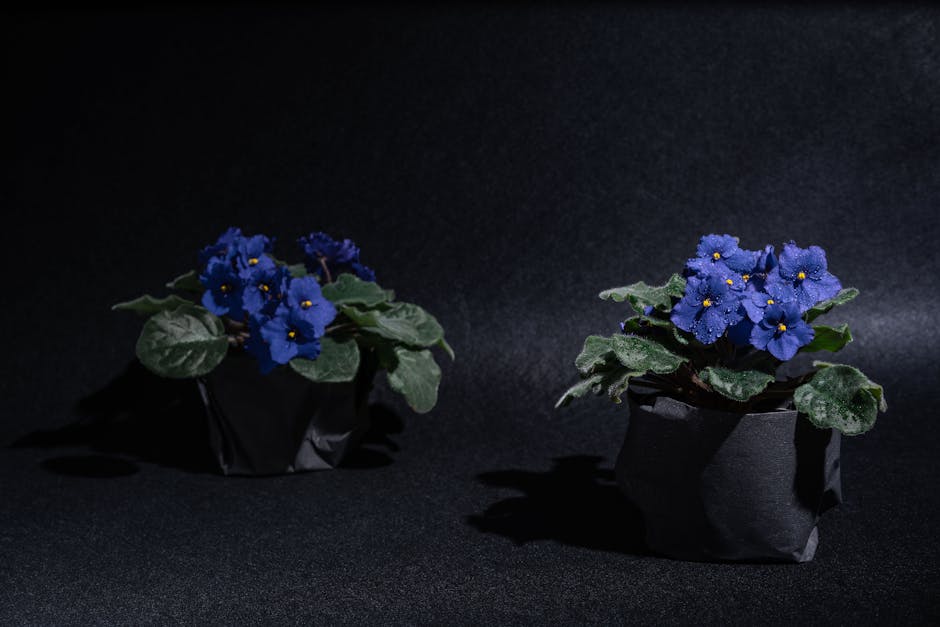
African Violet Care Guide: Complete Saintpaulia Instructions
Learn comprehensive African Violet (Saintpaulia) care including watering, light, humidity, flowering tips, and propagation for these popular flowering houseplants.
Moderate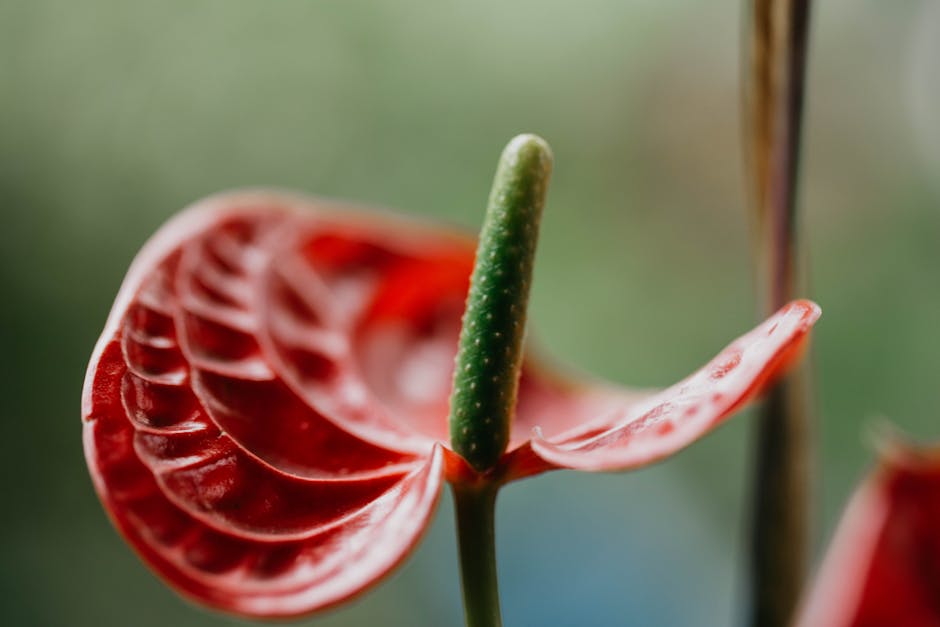
Anthurium Care Guide: Complete Flamingo Flower Instructions
Learn comprehensive Anthurium care including flowering tips, humidity requirements, watering, and maintaining these stunning Flamingo Flower houseplants.
Moderate