
Boston Fern Care
Classic hanging fern with feathery fronds that loves humidity and indirect light.
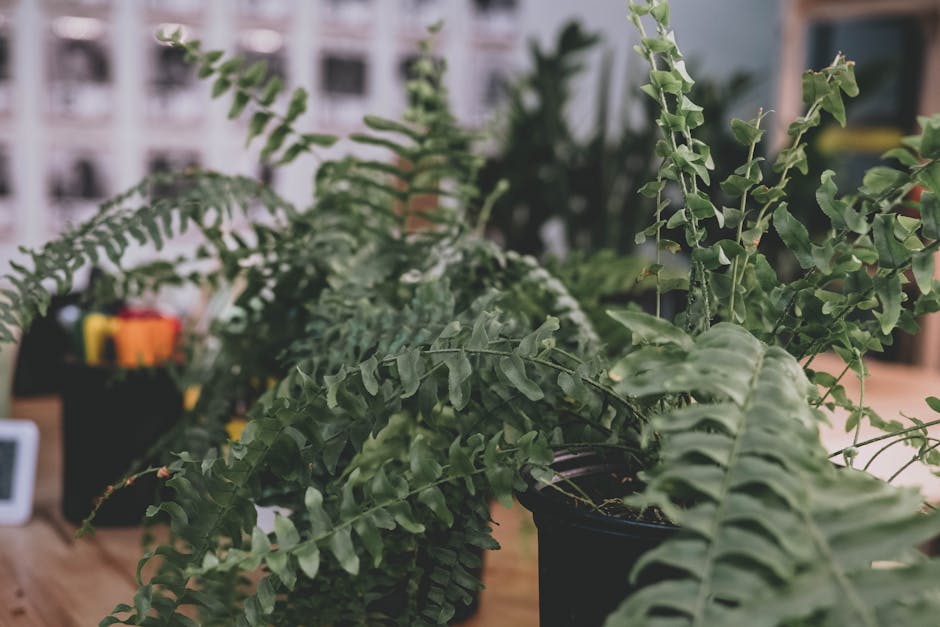
Boston Ferns are classic houseplants with graceful, arching fronds that add elegance to any space. While beautiful, they do require consistent care and high humidity to thrive.
Basic Care
Light: Bright, indirect light is best. Direct sun will scorch the delicate fronds.
Water: Keep soil consistently moist but not waterlogged. Never let it completely dry out.
Humidity: This is the key to success. Boston ferns need 50-80% humidity.
Temperature: Prefer cool to moderate temperatures. Avoid hot, dry conditions.
Humidity Solutions
Boston ferns are native to tropical environments with naturally high humidity. Here’s how to recreate that:
Humidity trays:
- Fill saucers with pebbles and water
- Place pot on pebbles above water level
- Evaporation increases local humidity
Grouping plants:
- Place near other humidity-loving plants
- Creates a microclimate with higher moisture
- All plants benefit from transpiration
Regular misting:
- Mist fronds daily with filtered water
- Best done in morning so fronds dry by evening
- Use fine mist to avoid water spots
Bathroom placement:
- Ideal location if it has adequate light
- Shower steam naturally increases humidity
- Keep away from direct hot water spray
Seasonal Care
Summer care:
- Increase watering frequency
- Mist daily or twice daily
- Move to shadier outdoor spots if outside
- Watch for heat stress
Winter challenges:
- Indoor heating reduces humidity dramatically
- May need humidifier during heating season
- Reduce watering but maintain soil moisture
- Expect some frond loss (normal dormancy)
Common Varieties
- Classic Boston Fern: Traditional arching fronds
- Fluffy Ruffles: Compact with ruffled leaflets
- Dallas Fern: More tolerant of dry air
- Kimberly Queen: Upright growth, more drought tolerant
Troubleshooting Guide
Brown, crispy tips:
- Increase humidity immediately
- Check watering consistency
- Move away from heat sources
Yellowing fronds:
- Usually overwatering
- Check drainage and soil moisture
- Reduce watering frequency
Bare spots in center:
- Normal aging process
- Remove old fronds to encourage new growth
- May indicate time to divide plant
Propagation Success
Division method:
- Remove plant from pot during repotting
- Gently separate root clumps
- Each section needs roots and growing points
- Plant in fresh, moisture-retaining soil
- Keep very humid until established
Boston ferns reward consistent care with lush, graceful growth that can last for decades.
Frequently Asked Questions
Why do Boston fern fronds turn brown and crispy? ▼
This is almost always due to low humidity. Boston ferns need 50-80% humidity to thrive indoors.
Can Boston ferns live in bathrooms? ▼
Yes! Bathrooms with windows are ideal due to the higher humidity from showers.
How do I increase humidity for my Boston fern? ▼
Use humidity trays, group with other plants, mist regularly, or use a humidifier. Bathrooms and kitchens naturally have higher humidity.
Explore Related Topics
Was this guide helpful?
Your input helps us improve our guides.
How can we improve this guide?
Similar Plants You Might Like

Alocasia Elephant Ear Care Guide: Complete Growing Instructions for Tropical Beauty
Learn how to care for Alocasia Elephant Ear plants with our comprehensive guide covering humidity, watering, light requirements, and troubleshooting for stunning tropical growth.
Moderate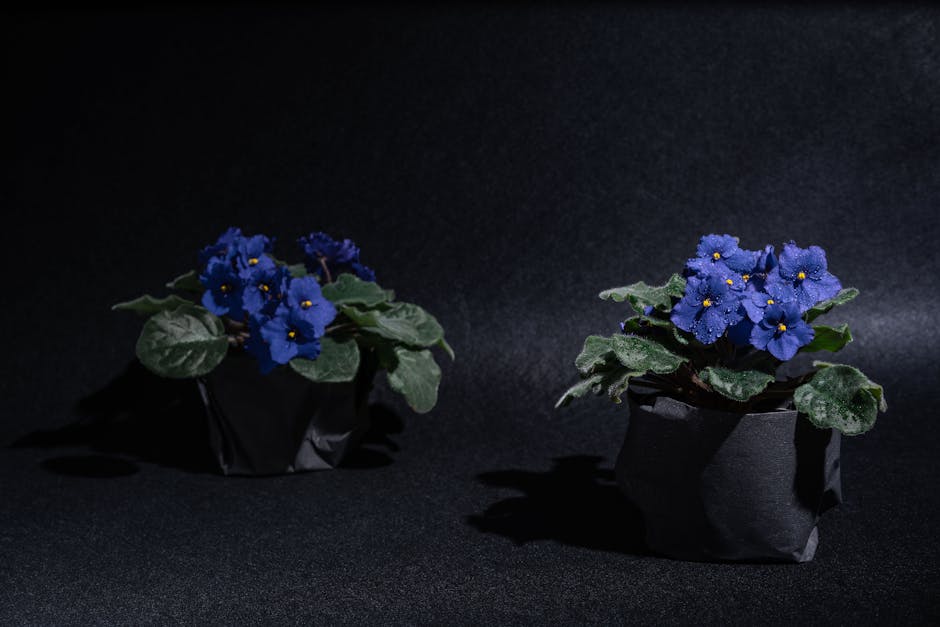
African Violet Care Guide: Complete Saintpaulia Instructions
Learn comprehensive African Violet (Saintpaulia) care including watering, light, humidity, flowering tips, and propagation for these popular flowering houseplants.
Moderate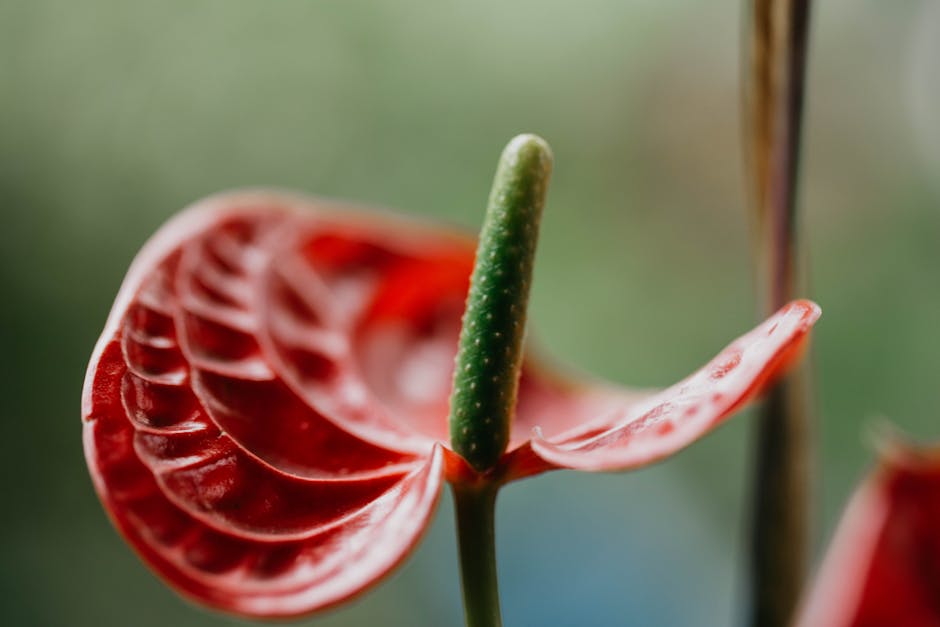
Anthurium Care Guide: Complete Flamingo Flower Instructions
Learn comprehensive Anthurium care including flowering tips, humidity requirements, watering, and maintaining these stunning Flamingo Flower houseplants.
Moderate