
Hoya Care Guide: Complete Wax Plant Instructions
Learn comprehensive Hoya care including flowering tips, propagation, watering, and light requirements for these beautiful wax plants and porcelain flowers.
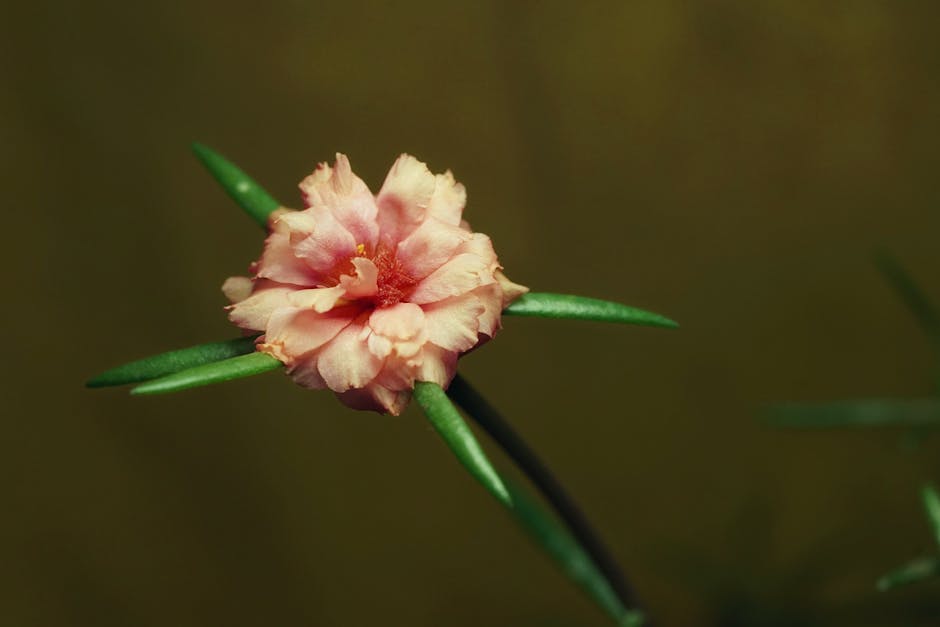
Quick Care Guide
Bright, indirect light
Water when soil is dry 1-2 inches down
40-60% humidity preferred
65-80°F (18-27°C)
Well-draining, chunky potting mix
Monthly during growing season
Non-toxic to cats and dogs
The Hoya plant, commonly known as the wax plant or porcelain flower, has captured the hearts of plant enthusiasts worldwide with its striking foliage and delightful blooms. These climbing plants belong to the Apocynaceae family and are renowned for their succulent-like leaves that store water, making them relatively low-maintenance yet rewarding members of your indoor garden. With their charming clusters of star-shaped flowers, Hoyas have become a beloved choice among both novice and experienced horticulturists.
While these plants are often praised for their resilience, understanding their specific care requirements can make the difference between a thriving Hoya and a struggling one. Whether you’re drawn to them for their aesthetic appeal or their intriguing growth habits, this comprehensive guide will provide you with everything you need to cultivate a healthy, blooming Hoya plant.
As you embark on your journey to master Hoya care, you’ll discover the essential elements that contribute to their well-being, including light preferences, watering routines, and even propagation techniques. With this knowledge, you’ll be empowered to create a flourishing environment for these beautiful plants, ensuring they not only survive but thrive in your home.
Getting to Know Your Plant
The Hoya plant is a tropical vine that is native to regions of Asia and Australia, thriving in warm climates with humidity levels that mimic its natural habitat. Often recognized for its waxy leaves and fragrant flowers, the Hoya is a climbing plant that can reach impressive lengths when given the right conditions. Its growth habit is not only visually appealing but also functional, as it provides a natural way for the plant to access light in its native environment.
Hoyas come in various species, each with its own unique characteristics and care needs, but they all share the common traits of requiring bright, indirect light and a well-draining soil mix. As you delve into the intricacies of Hoya care, you will find that they offer a delightful challenge, especially when it comes to coaxing them into bloom. Most Hoyas take their time and may need a couple of years to mature before they flower, but the effort is well worth it when you finally witness the stunning clusters of blossoms.
Understanding your Hoya’s growth pattern is essential for providing the right care. These plants are often slow growers, and patience is a vital component of successful Hoya cultivation. As you delve deeper into their needs, you will uncover the nuances of their care, paving the way for a vibrant and healthy plant.
Light Requirements
When it comes to light, Hoyas have specific preferences that play a significant role in their growth and flowering. These plants thrive best in bright, indirect light. Direct sunlight can scorch their delicate leaves, leading to unsightly damage and hindering their overall growth. Ideally, you should place your Hoya near a window where it can receive ample light without being exposed to harsh rays.
If you notice that your Hoya is stretching or becoming leggy, it may be a sign that it is not receiving enough light. On the other hand, if the leaves are turning yellow or showing signs of sunburn, you may need to adjust its position to provide more shade. Consider rotating the plant occasionally to ensure even light distribution on all sides, promoting balanced growth and preventing it from leaning towards the light source.
In a typical indoor environment, a south-facing window is often ideal for Hoyas, but east or west-facing windows can also work well, especially if the light is filtered through sheer curtains. During the shorter days of winter, you may need to supplement natural light with grow lights to maintain optimal growth conditions. By carefully managing the light exposure, you can create a favorable environment that encourages your Hoya to flourish.
Watering Guidelines
Watering is one of the most critical aspects of Hoya care, and getting it right can be the key to ensuring your plant remains healthy and vibrant. These plants prefer to dry out between waterings, thanks to their succulent-like leaves that retain moisture. The general rule of thumb is to water your Hoya when the top 1-2 inches of soil feel dry to the touch. Depending on the environmental conditions in your home, this typically amounts to watering every 7 to 14 days.
Overwatering is a common mistake among plant enthusiasts, and it can lead to root rot, a condition that can be detrimental to your Hoya’s health. Always ensure that your pot has adequate drainage holes and that excess water can escape easily. When watering, it’s best to give the plant a thorough soak, allowing water to flow through the drainage holes. This ensures that the roots receive the moisture they need without sitting in stagnant water.
During the growing season, which typically spans from spring to summer, you may find that your Hoya requires more frequent watering as it actively absorbs nutrients and grows. Conversely, in the fall and winter months, the plant’s growth slows down, and you can reduce the frequency of watering to prevent over-saturation. By staying attuned to your Hoya’s watering needs, you can promote healthy growth and vibrant foliage.
Soil and Potting Requirements
The right soil mix is crucial for the health of your Hoya, as it helps maintain proper drainage and aeration while providing essential nutrients. Hoyas thrive in a well-draining, chunky potting mix that allows excess water to escape quickly. A blend designed for orchids or a mix of potting soil, perlite, and bark can work wonders in mimicking the plant’s natural growing conditions.
When potting your Hoya, consider using a container that allows for some room for growth but is not excessively large, as Hoyas prefer to be slightly pot-bound. This encourages the plant to focus on growth and flowering rather than simply expanding its root system. If you notice roots coming out of the drainage holes or if your plant seems to be outgrowing its pot, it may be time for a repotting session.
Repotting is best done in the spring when the plant is actively growing. Gently remove the plant from its current pot, taking care not to disturb the roots too much, and place it in fresh soil. This is also an opportune time to inspect the roots for any signs of rot or disease, allowing you to address potential issues before they escalate. By providing a suitable potting mix and repotting when necessary, you can create an environment where your Hoya can thrive.
Temperature and Humidity
Temperature and humidity are essential factors that contribute to the well-being of your Hoya plant. Ideally, these tropical beauties prefer a temperature range of 65-80°F (18-27°C), making them well-suited for typical indoor environments. If temperatures drop below 50°F (10°C), your Hoya may suffer from stress, leading to slowed growth or even damage.
In addition to temperature, humidity plays a significant role in Hoya care. These plants thrive in humidity levels of 40-60%, which can be challenging to maintain in many homes, especially during the dry winter months. To boost humidity, consider placing a humidity tray filled with water and pebbles beneath your plant or using a room humidifier. Grouping plants together can also create a microclimate that increases humidity around your Hoya.
If you notice that the leaves are curling or becoming crispy at the edges, it may be a sign that the humidity levels are too low. Conversely, excessive moisture can lead to fungal issues, so striking a balance is vital. By monitoring both temperature and humidity, you can create a nurturing environment that encourages your Hoya to flourish and bloom.
Fertilizing Schedule
Fertilization is an important aspect of Hoya care, particularly during the growing season when the plant is actively developing new growth and blooming. A balanced, water-soluble fertilizer applied monthly can provide the nutrients your Hoya needs to thrive. Look for a fertilizer with a balanced N-P-K ratio (nitrogen, phosphorus, potassium), which supports both foliage and flower development.
It’s crucial to dilute the fertilizer to half the recommended strength, as Hoyas can be sensitive to over-fertilization. Too much fertilizer can lead to salt buildup in the soil, which can damage the roots and stunt growth. During the fall and winter months, as the plant enters its dormant phase, you should reduce or eliminate fertilization altogether, giving the plant a chance to rest.
As you fertilize your Hoya, pay attention to its response. If the leaves are vibrant and healthy, and if you notice new growth, you’re likely providing the right amount of nutrients. However, if the leaves appear yellowed or if growth seems stagnant, it may be time to reassess your fertilizing routine. By maintaining a consistent and appropriate fertilization schedule, you can help your Hoya reach its full potential and encourage beautiful blooms.
Propagation Methods
One of the most rewarding aspects of caring for Hoyas is the ability to propagate them, allowing you to expand your collection or share the joy of these beautiful plants with others. The most common method of propagation is through stem cuttings, which can be done at any time of the year, although spring is often the most favorable.
To propagate, select a healthy stem with at least two or three leaves, and make a clean cut just below a node. Nodes are the small bumps on the stem where leaves emerge, and they are essential for root development. Place the cutting in a glass of water, ensuring that the node is submerged while the leaves remain above the waterline. After a few weeks, you should start to see roots forming. Once the roots are a few inches long, you can transplant the cutting into a well-draining potting mix.
Alternatively, Hoyas can also be propagated directly in soil. Take your cutting and dip the cut end in rooting hormone to encourage faster root growth, then plant it in a small pot filled with moist, well-draining soil. Covering the pot with a plastic bag or a humidity dome can help retain moisture and create a greenhouse effect, promoting root development.
Regardless of the method you choose, patience is key. It can take several weeks for roots to establish, and some Hoyas may take longer than others. By monitoring the moisture levels and providing a warm, humid environment, you can increase your chances of successful propagation and enjoy watching your new plants grow.
Common Problems and Solutions
Despite their generally hardy nature, Hoyas can still encounter a few common problems that may require your attention. One of the most frequent issues is related to watering practices. As mentioned earlier, Hoyas prefer to dry out between waterings, and overwatering can lead to root rot. If you notice yellowing leaves or a mushy stem, you may need to reduce your watering frequency and assess the drainage of your pot.
Another issue that may arise is pest infestations. Hoyas can attract common houseplant pests such as mealybugs, aphids, and spider mites. Regularly inspecting your plant for signs of pests is crucial, as early detection can make treatment much easier. If you spot any unwanted visitors, you can wipe them off with a damp cloth or use insecticidal soap to treat the infestation. Maintaining good air circulation around your plant can also help deter pests.
If your Hoya is not blooming, it may be due to insufficient light, inadequate age, or stress from environmental changes. Most Hoyas need to be at least 2-3 years old before they are ready to flower. To encourage blooming, ensure that your plant receives bright, indirect light and that it is slightly pot-bound. Consistent care is essential, so be patient as you wait for those beautiful flowers to appear.
By staying vigilant and addressing any issues promptly, you can keep your Hoya healthy and thriving, enjoying the beauty it brings to your home.
Seasonal Care Adjustments
As the seasons change, so do the care requirements for your Hoya. In spring and summer, when the plant is actively growing, you can expect to water more frequently and increase your fertilization schedule. This is also the best time to propagate your Hoyas, as they respond well to the warmer temperatures and increased light availability.
In the fall, as daylight hours decrease and temperatures start to cool, you should begin to reduce watering and fertilization. The plant will enter a dormant phase, and it’s essential to give it the rest it needs to prepare for the following growing season. During this time, it’s a good idea to monitor humidity levels, as indoor air can become dry with heating systems running.
Winter can be a challenging time for indoor plants, including Hoyas. It’s crucial to provide adequate light, possibly supplementing with grow lights, and to be cautious with watering. The cooler temperatures and low light conditions can slow down growth significantly, which is perfectly normal. Keep an eye on your Hoya, and be patient as it navigates through this slower phase.
With each changing season, your attentiveness and adaptability will ensure that your Hoya remains healthy and vibrant, ready to delight you with its beauty for years to come.
In conclusion, caring for a Hoya plant can be a fulfilling endeavor that rewards you with stunning foliage and captivating flowers. By understanding its specific needs and being proactive in your care, you can create an environment that allows your Hoya to thrive. Embrace the journey of nurturing this beautiful plant, and enjoy the joy it brings to your life.
Safety Note: Hoya is considered non-toxic to cats and dogs, making it a pet-friendly choice for households with furry companions. However, ingesting any plant material may cause mild stomach upset, so it’s still best to discourage nibbling.
Frequently Asked Questions
How do I get my Hoya to bloom? ▼
Provide bright, indirect light, allow plant to become slightly pot-bound, maintain consistent care, and be patient. Most Hoyas need to be 2-3 years old before flowering.
How often should I water my Hoya? ▼
Water when soil feels dry 1-2 inches down, typically every 7-14 days. Hoyas prefer to dry out between waterings due to their succulent-like leaves.
Should I remove Hoya flowers after they fade? ▼
Never remove the flower stalks (peduncles) as Hoyas bloom from the same spots repeatedly. Only remove the individual flowers if desired.
Is Hoya safe for pets? ▼
Most Hoyas are considered non-toxic to cats and dogs, but it's best to keep them out of reach as individual sensitivities can vary.
Why isn't my Hoya growing? ▼
Hoyas are naturally slow growers. Ensure adequate light, proper watering, and don't over-fertilize. Some varieties grow much slower than others.
Explore Related Topics
Was this guide helpful?
Your input helps us improve our guides.
How can we improve this guide?
Similar Plants You Might Like

Norfolk Pine Care Guide: Complete Indoor Christmas Tree Instructions
Learn comprehensive Norfolk Pine care including light requirements, humidity needs, watering, and maintaining this popular indoor Christmas tree houseplant year-round.
Moderate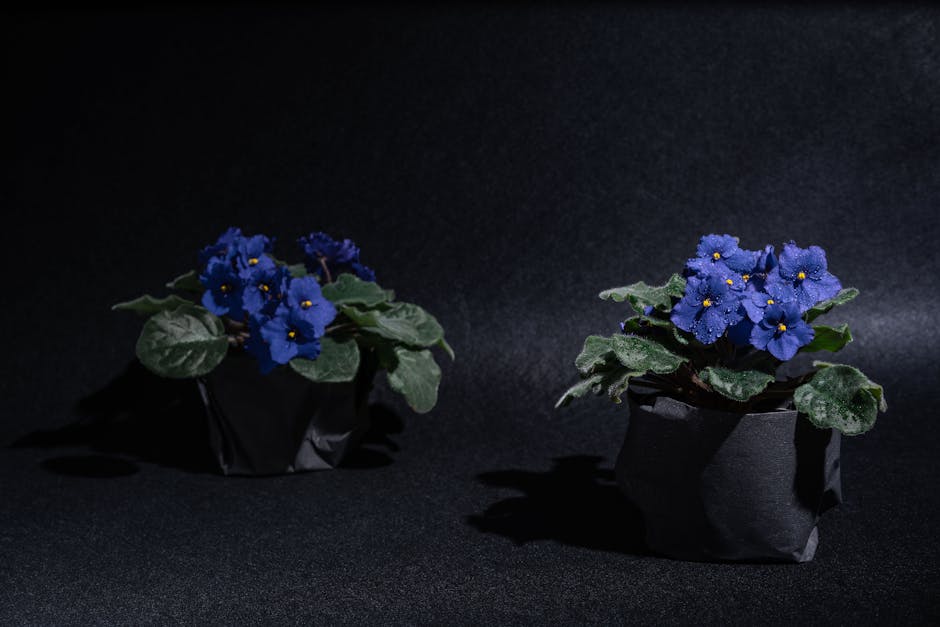
African Violet Care Guide: Complete Saintpaulia Instructions
Learn comprehensive African Violet (Saintpaulia) care including watering, light, humidity, flowering tips, and propagation for these popular flowering houseplants.
Moderate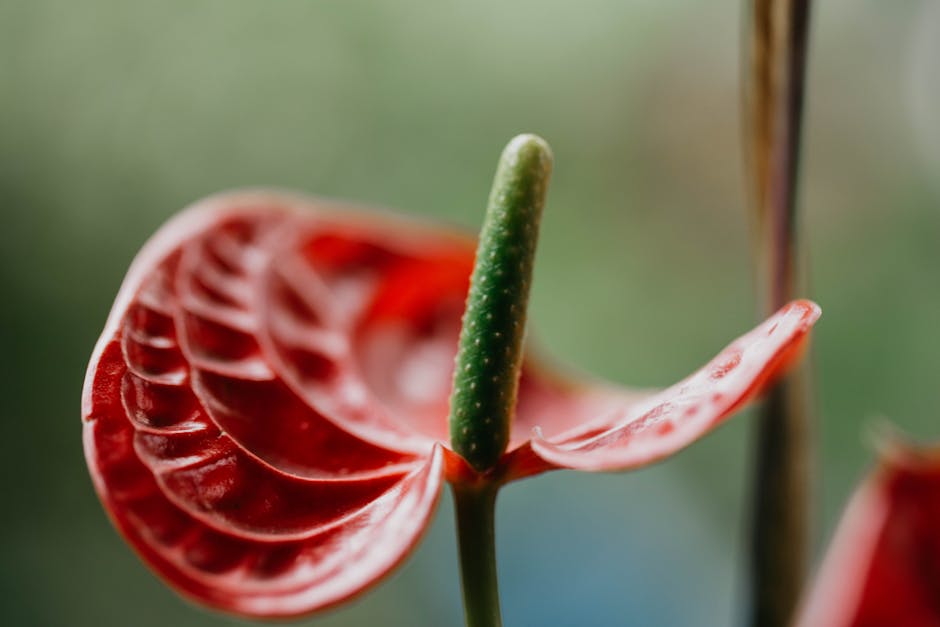
Anthurium Care Guide: Complete Flamingo Flower Instructions
Learn comprehensive Anthurium care including flowering tips, humidity requirements, watering, and maintaining these stunning Flamingo Flower houseplants.
Moderate