
Christmas Cactus Care Guide: Complete Schlumbergera Instructions
Learn comprehensive Christmas Cactus care including blooming tips, watering, light requirements, and propagation for this popular holiday flowering plant.
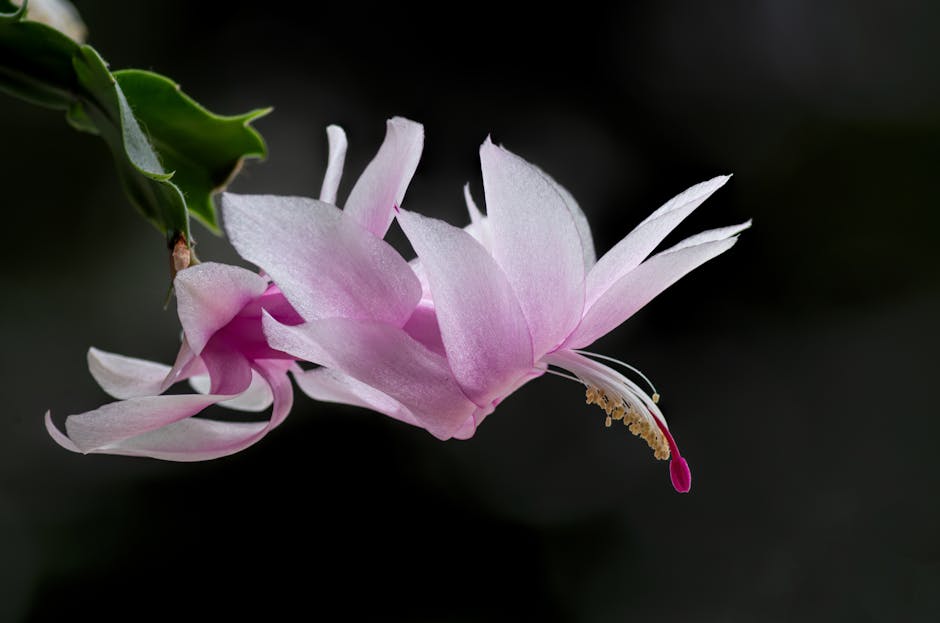
Quick Care Guide
Bright, indirect light
Water when top inch of soil is dry
40-50% humidity preferred
65-70°F (18-21°C) normally, 50-65°F (10-18°C) for blooming
Well-draining, slightly acidic potting mix
Monthly during growing season
Non-toxic to cats and dogs
The Christmas Cactus, scientifically known as Schlumbergera, is more than just a festive decoration; it embodies the spirit of the holiday season with its vibrant blooms and easy-care nature. Originating from the tropical rainforests of Brazil, this succulent plant flourishes in conditions that mimic its native habitat while also bringing joy to homes across the world during the winter months. With its flat, segmented leaves and stunning flowers that can range from pink to white or even red, the Christmas Cactus has earned its place as a cherished holiday plant.
Caring for this unique succulent is relatively simple, making it an excellent choice for both novice and experienced gardeners alike. With the right attention to light, water, and temperature, your Christmas Cactus can thrive and reward you with breathtaking blooms that brighten up any room. Understanding its specific care requirements will ensure that your plant remains healthy and vibrant throughout the year, especially during the holiday season when it is most appreciated.
In this guide, we will delve into every aspect of Christmas Cactus care, from its light and watering needs to propagation tips and common problems you may encounter. With these comprehensive instructions, you can cultivate a healthy Christmas Cactus that not only enhances your holiday decor but also becomes a long-lasting companion in your home.
Getting to Know Your Plant
Before diving into care specifics, it’s essential to understand the Christmas Cactus’s unique characteristics. Unlike many other cacti, which are often adapted to arid environments, the Christmas Cactus thrives in humid, tropical conditions. Its segments, akin to flattened leaves, store moisture and nutrients, allowing it to survive in its native habitat. This unusual structure and its vibrant blooms have led to its popularity as a holiday plant, often gifted during the festive season.
Additionally, the Christmas Cactus is considered a non-toxic plant, making it a safe choice for households with pets. Its easy-care nature and ability to bloom with minimal fuss make it a beloved addition to many homes. As we explore the various aspects of caring for this plant, you’ll discover that with a little attention and understanding, your Christmas Cactus can become a stunning centerpiece during the holidays and beyond.
Light Requirements
When it comes to light, the Christmas Cactus prefers bright, indirect sunlight. While it thrives in well-lit environments, direct sunlight can scorch its delicate leaves, leading to unsightly damage and hindered growth. A south or east-facing window where it can receive filtered sunlight is ideal for this plant. If you notice your Christmas Cactus stretching toward the light, it may be a sign that it requires more brightness. However, be cautious about sudden changes in light exposure, as this can stress the plant.
During the blooming period, which typically begins in late fall and lasts into winter, the Christmas Cactus benefits from a slight reduction in light. Providing approximately 12 to 14 hours of darkness daily for six to eight weeks will encourage the formation of flower buds. This period of darkness can be achieved by placing the plant in a dimly lit room or covering it with a cloth during the evening hours. This method mimics the natural conditions of its native habitat, where longer nights stimulate blooming.
Watering Guidelines
Watering is one of the most crucial aspects of Christmas Cactus care. This plant prefers a slightly dry environment, so it’s essential to avoid overwatering, which can lead to root rot. The best approach is to water when the top inch of the soil feels dry. Typically, this translates to watering every 7 to 10 days, but the frequency can vary based on factors such as temperature, humidity, and the size of the pot.
To water your Christmas Cactus, do so thoroughly until water drains from the bottom of the pot. This ensures that moisture reaches the roots while preventing water from accumulating in the bottom, which can be detrimental to the plant’s health. During the blooming period, you may want to reduce watering slightly, allowing the soil to dry out a bit more between waterings. Conversely, in the spring and summer months when the plant is actively growing, it may require more frequent watering.
It’s also worth noting that if you notice wrinkled segments on your Christmas Cactus, this is usually an indication of underwatering or potential root problems. Checking the soil moisture and the health of the roots can help you adjust your watering schedule accordingly.
Soil and Potting Requirements
Choosing the right soil and potting mix is vital for the health of your Christmas Cactus. This plant thrives in well-draining, slightly acidic potting mixes that mimic its natural habitat. A combination of standard potting soil with added perlite or sand can create an ideal mix that allows for proper drainage while retaining enough moisture for the plant’s needs.
When potting your Christmas Cactus, select a container with drainage holes to prevent excess water from accumulating at the bottom. This is particularly important since the roots are susceptible to rot if left in soggy conditions. Repotting can be done every couple of years or when you notice that the plant has outgrown its container. Spring is the best time to repot, as it aligns with the plant’s growing season.
When repotting, gently remove the plant from its existing pot, taking care not to damage the roots. Inspect the root system for any signs of rot or disease, and prune back any unhealthy roots before placing the plant in its new pot. Fill in around the roots with fresh potting mix, ensuring that the plant is stable and properly positioned.
Temperature and Humidity
Temperature and humidity are essential components of creating the ideal environment for your Christmas Cactus. This plant thrives in temperatures ranging from 65 to 70°F (18 to 21°C) during the day. However, for optimal blooming, it prefers slightly cooler temperatures of 50 to 65°F (10 to 18°C) at night. As the holiday season approaches, providing these cooler nighttime conditions can help trigger the blooming process, ensuring that your plant is in full flower by the time the festivities arrive.
Humidity levels also play a significant role in the health of your Christmas Cactus. Ideally, this plant prefers humidity between 40% and 50%. In drier indoor environments, particularly during the winter months when heating systems can lower humidity levels, you may want to increase humidity around your Christmas Cactus. This can be achieved by placing a humidifier nearby, grouping it with other plants, or setting the pot on a tray filled with pebbles and water. Just ensure that the pot is not sitting directly in water, as this can lead to root rot.
Fertilizing Schedule
Fertilizing your Christmas Cactus is an important part of its care routine, particularly during the active growing season, which typically runs from spring through early fall. A balanced, water-soluble fertilizer can be applied monthly during this period to provide essential nutrients for growth and blooming. When choosing a fertilizer, look for one with a higher phosphorus content, as this nutrient promotes flowering.
As you approach the blooming season, you may want to reduce fertilization to allow the plant to conserve energy for flower production. After the blooming period has ended, you can resume your regular fertilization schedule during the growing season. Remember to follow the manufacturer’s instructions for dilution and frequency, as over-fertilizing can harm the plant.
Propagation Methods
One of the joys of the Christmas Cactus is its ease of propagation. If you want to expand your collection or share this beautiful plant with friends, you can easily propagate it from stem segments. To do this, take 2 to 3 healthy segments from the plant, ensuring that each cutting contains at least two to three segments. Allow the cuttings to dry for a day or two to callous over before planting them in either moist soil or water.
If you choose to propagate in soil, use a well-draining potting mix and keep the soil lightly moist until roots develop. If you prefer to root the cuttings in water, place them in a glass container and ensure that only the cut ends are submerged. Change the water every few days to keep it fresh. Within a few weeks, you should see roots forming, at which point you can transplant the new growth into a pot with soil.
Propagation is best done during the spring or summer months when the plant is actively growing. This timing allows the new cuttings to establish strong roots and thrive in their new environment.
Common Problems and Solutions
As with any plant, the Christmas Cactus may encounter a few common problems. One of the most frequent issues is overwatering, which can lead to root rot. If you notice yellowing leaves or a mushy stem, it’s crucial to check the soil moisture and adjust your watering schedule accordingly. Allow the soil to dry out and, if necessary, repot the plant to improve drainage.
Another issue that may arise is the plant’s reluctance to bloom. If your Christmas Cactus is not producing flowers, consider its light and temperature conditions. Ensure it receives adequate darkness and cooler temperatures for several weeks leading up to the holiday season. Adjusting these factors can often stimulate blooming.
Pests, while not overly common, can occasionally affect the Christmas Cactus. Watch for signs of mealybugs or spider mites, which can be treated with insecticidal soap or neem oil. Regularly inspecting your plant for pests can help catch any infestations early, allowing you to take swift action.
Seasonal Care Adjustments
As the seasons change, so too should your care routine for the Christmas Cactus. During the spring and summer months, when the plant is actively growing, increase watering and fertilization to support its growth. This is also a great time to consider repotting if your plant has outgrown its container.
As fall approaches, adjust your light exposure to encourage blooming. Providing the necessary darkness and cooler temperatures can help stimulate flower production, leading to a stunning display during the holiday season.
In winter, when the plant is in bloom, maintain moderate temperatures and humidity levels to support its flowering. Continue to water carefully, allowing the soil to dry slightly between waterings, and refrain from fertilizing until the blooming period is over.
In conclusion, with the right care and attention, your Christmas Cactus can thrive and bring joy to your home year after year. By understanding its specific needs regarding light, water, temperature, and humidity, you can cultivate a beautiful, flourishing plant that will enhance your holiday celebrations and beyond. Happy gardening!
Safety Note: Christmas Cactus is considered non-toxic to cats and dogs, making it a pet-friendly choice for households with furry companions. However, ingesting any plant material may cause mild stomach upset, so it’s still best to discourage nibbling.
Frequently Asked Questions
How do I get my Christmas Cactus to bloom? ▼
Provide 12-14 hours of darkness daily for 6-8 weeks starting in October, maintain cooler temperatures (50-65°F), and reduce watering to trigger blooming.
Why are my Christmas Cactus leaves wrinkled? ▼
Wrinkled segments usually indicate underwatering or root problems. Check soil moisture and root health, and adjust watering schedule accordingly.
Can I propagate Christmas Cactus? ▼
Yes, Christmas Cactus propagates easily from stem segments. Take 2-3 segment cuttings and root in water or moist soil during spring or summer.
Is Christmas Cactus safe for pets? ▼
Yes, Christmas Cactus is generally considered non-toxic to cats and dogs, making it safe for pet-owning households.
How often should I water my Christmas Cactus? ▼
Water when top inch of soil feels dry, typically every 7-10 days. Allow soil to dry slightly between waterings but don't let it become completely dry.
Explore Related Topics
Was this guide helpful?
Your input helps us improve our guides.
How can we improve this guide?
Similar Plants You Might Like

Norfolk Pine Care Guide: Complete Indoor Christmas Tree Instructions
Learn comprehensive Norfolk Pine care including light requirements, humidity needs, watering, and maintaining this popular indoor Christmas tree houseplant year-round.
Moderate
Aglaonema Silver Bay Care Guide: Complete Instructions for Chinese Evergreen Beauty
Learn how to care for Aglaonema Silver Bay with our comprehensive guide covering light, watering, humidity, and maintaining stunning silver variegation in this easy-care houseplant.
Easy
African Violet Care Guide: Complete Saintpaulia Instructions
Learn comprehensive African Violet (Saintpaulia) care including watering, light, humidity, flowering tips, and propagation for these popular flowering houseplants.
Moderate