
Best Air Purifying Plants: NASA-Approved Indoor Air Cleaners
Discover the best air purifying houseplants based on NASA research. Learn which plants remove toxins, improve air quality, and create healthier indoor environments.
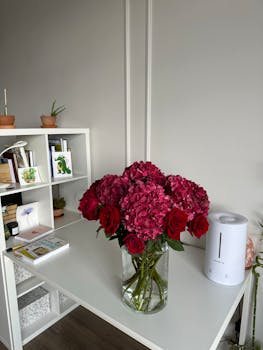
In an age where the importance of clean air is paramount, the quest for healthier indoor environments has never been more relevant. Many homeowners and apartment dwellers are searching for effective, natural solutions to improve air quality within their living spaces. Enter the remarkable world of air-purifying plants, specifically those that have been recognized and endorsed by NASA’s Clean Air Study. This research has unveiled a variety of plants that not only enhance the aesthetic appeal of your home but also serve as powerful allies in the battle against indoor air pollutants.
Imagine transforming your living space into a sanctuary of fresh air, where the very plants that adorn your shelves and windowsills are actively working to remove toxins from the atmosphere. From the vibrant green leaves of the Peace Lily to the striking silhouettes of the Snake Plant, these botanical wonders are more than mere decorations; they are vital components for a healthier lifestyle. With their ability to filter out harmful substances, these NASA-approved indoor air cleaners can help you breathe easier and feel better.
As we delve deeper into the best air-purifying plants, you’ll discover not just their air-cleaning capabilities but also the joy they bring to your home. Whether you’re a seasoned plant enthusiast or a newcomer to indoor gardening, these plants offer a myriad of benefits that extend beyond air purification. Let’s explore why these plants deserve a prominent place in your home and how you can care for them to maximize their potential.
Why Choose These Plants
Selecting air-purifying plants is not merely a matter of aesthetics; it’s a conscious choice to improve your indoor environment. NASA’s research highlighted several species that excel in removing volatile organic compounds (VOCs) such as formaldehyde, benzene, and trichloroethylene from the air. These harmful toxins can emanate from everyday household items, including paints, cleaning products, and furniture. By integrating these plants into your living spaces, you harness nature’s own filtration system, which works tirelessly to cleanse the air around you.
In addition to their purifying capabilities, these plants bring an array of health benefits that can enhance your overall well-being. Studies have shown that indoor plants can improve mood, increase productivity, and even reduce stress levels. The simple act of caring for plants can foster a sense of responsibility and connection to nature, which is often lost in our fast-paced, technology-driven lives. Moreover, the presence of greenery has been linked to improved concentration and mental clarity, making these plants not only a beautiful addition to your home but a catalyst for a healthier lifestyle.
Choosing NASA-approved air-purifying plants can also contribute to a more sustainable living environment. With the increasing emphasis on eco-friendly practices, these plants serve as a reminder of the harmony that can exist between humans and nature. By opting for natural air purification methods, you reduce the need for chemical-laden air fresheners and purifiers, making a conscious effort towards a greener planet.
Top Picks for Your Home
When it comes to selecting the best air-purifying plants, there are several standout species that have earned their place in the spotlight. One of the most popular choices is the Peace Lily, known for its elegant white flowers and glossy green leaves. This plant is particularly effective at removing formaldehyde and other common pollutants. Additionally, the Peace Lily thrives in low-light conditions, making it an ideal choice for apartments and homes with limited natural light.
Another exceptional option is the Snake Plant, also known as Mother-in-Law’s Tongue. Its striking, upright leaves not only add a modern touch to your decor but also work wonders in filtering out toxins. One of the unique features of the Snake Plant is its ability to convert carbon dioxide into oxygen at night, setting it apart from many other plants that typically perform this function during the day. This characteristic makes it a fantastic addition to bedrooms, promoting a restful night’s sleep.
The Spider Plant is another excellent candidate for air purification and is particularly known for its ability to absorb carbon monoxide and other harmful substances. With its arching leaves and charming baby plant offshoots, it brings a lively touch to any space. This resilient plant is easy to care for, making it perfect for both novice and experienced plant lovers alike.
The Boston Fern, with its lush, feathery fronds, not only adds a tropical feel to your home but is also a champion at removing formaldehyde and other toxins from the air. Its ability to thrive in humid environments makes it an excellent choice for kitchens and bathrooms, where moisture levels are higher.
Lastly, the Bamboo Palm is a beautiful addition to your indoor garden. Its tall, graceful stems can grow quite large, making it a statement piece in any room. The Bamboo Palm is particularly effective at filtering out benzene and formaldehyde, and it thrives in low light, making it a versatile option for various settings.
Care Essentials
Caring for air-purifying plants is a rewarding endeavor that can enhance your connection to nature, as well as contribute to your indoor air quality. Each plant species has its own unique set of requirements, but there are some general care essentials that can help you create a thriving environment for your green companions.
First and foremost, understanding the light conditions in your home is crucial. While some plants, like the Snake Plant, can tolerate low light, others, such as the Peace Lily, prefer bright, indirect sunlight. It is essential to place your plants in locations where they can receive the appropriate amount of light while avoiding direct, harsh sunlight that can scorch their leaves.
Watering is another critical aspect of plant care. Overwatering is a common mistake that can lead to root rot, while underwatering can cause wilting and stress. Most air-purifying plants prefer their soil to dry out slightly between waterings. To determine when to water, check the top inch of soil; if it feels dry, it’s time to give your plant a drink. Using pots with drainage holes is also important, as this prevents excess water from sitting in the bottom and potentially harming the roots.
Humidity is another factor to consider, especially for plants like the Boston Fern, which thrive in more humid environments. If you live in a dry climate or during the winter months when indoor heating can reduce humidity, consider misting your plants or placing a humidifier nearby. Grouping plants together can also create a microenvironment that retains moisture, benefiting all your green companions.
Fertilization is a way to boost growth and vitality, particularly during the growing season in spring and summer. A balanced, water-soluble fertilizer can provide essential nutrients, but be careful not to over-fertilize, as this can lead to salt buildup in the soil. Following the instructions on the fertilizer label can help you maintain a healthy balance.
Finally, regular pruning and cleaning of leaves not only keep your plants looking their best but also enhance their ability to purify the air. Dust can accumulate on leaves, blocking light and reducing photosynthesis. Wiping leaves with a damp cloth or giving them a gentle shower can help keep them clean and efficient.
Common Challenges
While air-purifying plants offer numerous benefits, they are not without their challenges. Understanding these potential issues can help you better manage your indoor garden and ensure your plants thrive. One common challenge is pest infestations. Aphids, spider mites, and mealybugs are a few pests that can affect indoor plants. Regularly inspecting your plants for any signs of pests is essential, as early detection can prevent larger infestations. If you notice any unwelcome guests, there are various natural remedies, such as insecticidal soap or neem oil, that can help control pests without resorting to harsh chemicals.
Another issue that might arise is leaf discoloration or browning. This can be a sign of several factors, including overwatering, underwatering, or inadequate light conditions. If you notice yellowing leaves, it’s important to assess your watering schedule and light exposure. On the other hand, brown leaf tips can indicate low humidity or inconsistent watering patterns. Adjusting these factors can often remedy the situation.
Fungal infections can also be a concern, particularly in humid environments. Overwatering or poor air circulation can contribute to the development of mold or mildew on the soil or leaves. Ensuring adequate drainage and spacing between plants can help mitigate this issue. If you do encounter mold, gently removing the affected soil and replacing it with fresh, dry soil can help restore your plant’s health.
Lastly, seasonal changes can impact your plants. During the winter months, shorter days and drier air can stress your plants, leading to slower growth or leaf drop. Adjusting your care routine by providing supplemental light or increasing humidity can help your plants navigate these seasonal challenges more successfully.
Styling Ideas
Incorporating air-purifying plants into your home decor is an opportunity to express your creativity and add life to your space. The versatility of these plants allows them to fit seamlessly into various design styles, whether you prefer a minimalist aesthetic, bohemian vibe, or modern touch.
One popular styling idea is to create a plant shelfie, where you arrange an assortment of air-purifying plants on a shelf or bookcase. Mixing different heights, leaf shapes, and colors can create a visually appealing display that draws the eye. Consider pairing the tall, striking Snake Plant with the cascading vines of a Pothos to create dynamic visual interest.
Another option is to use plants as natural dividers in open spaces. A row of Bamboo Palms can serve as a beautiful screen between living areas, providing privacy while enhancing air quality. Alternatively, placing larger plants in corners can soften the lines of a room and create a cozy atmosphere.
Hanging planters are an excellent way to utilize vertical space and add dimension to your decor. A collection of trailing plants like the Spider Plant or Pothos can create a stunning visual display when suspended from the ceiling. This not only maximizes your space but also draws the eye upward, making the room feel larger.
For those who appreciate a more formal approach, consider using decorative pots or planters that complement your interior design. Choose materials and colors that align with your overall aesthetic, whether it be sleek ceramic, rustic terracotta, or chic metal. The right pots can elevate your plants from simple housemates to statement pieces that enhance your home’s style.
Finally, don’t underestimate the power of grouping plants together. A carefully curated cluster of various air-purifying plants can create a lush, vibrant display. Mixing different textures, colors, and sizes not only provides visual interest but also creates a mini indoor garden that enhances the air quality in your home.
Getting Started
Embarking on a journey with air-purifying plants is an exciting venture that promises both aesthetic pleasure and health benefits. To get started, begin by researching which plants resonate most with you and your living conditions. Consider factors such as light availability, humidity levels, and your personal preferences in terms of plant care.
Once you’ve selected your plants, choose suitable pots and soil that provide adequate drainage and nutrients. Many local nurseries offer a variety of air-purifying plants, allowing you to inspect them for health and vitality before bringing them home. Online retailers also offer a wide selection, often with helpful care guides that can assist you in your plant-parenting journey.
As you introduce your new green companions into your home, take the time to familiarize yourself with their unique needs. Keep a journal to track their growth, watering schedules, and any changes you notice. This practice can deepen your connection to your plants and enhance your understanding of their care.
Incorporating air-purifying plants into your life can be immensely rewarding. Not only do they beautify your space, but they also contribute to a healthier, more vibrant indoor environment. As you watch your plants grow and flourish, you’ll find that they become not just decor, but cherished members of your household.
With the knowledge and excitement you’ve gained from this exploration of air-purifying plants, you are well-equipped to create a greener, healthier home. Embrace the journey and let nature’s wonders enrich your daily life.
Safety Note: Always research the toxicity of plants before bringing them into homes with pets or small children.
Plants in this Collection
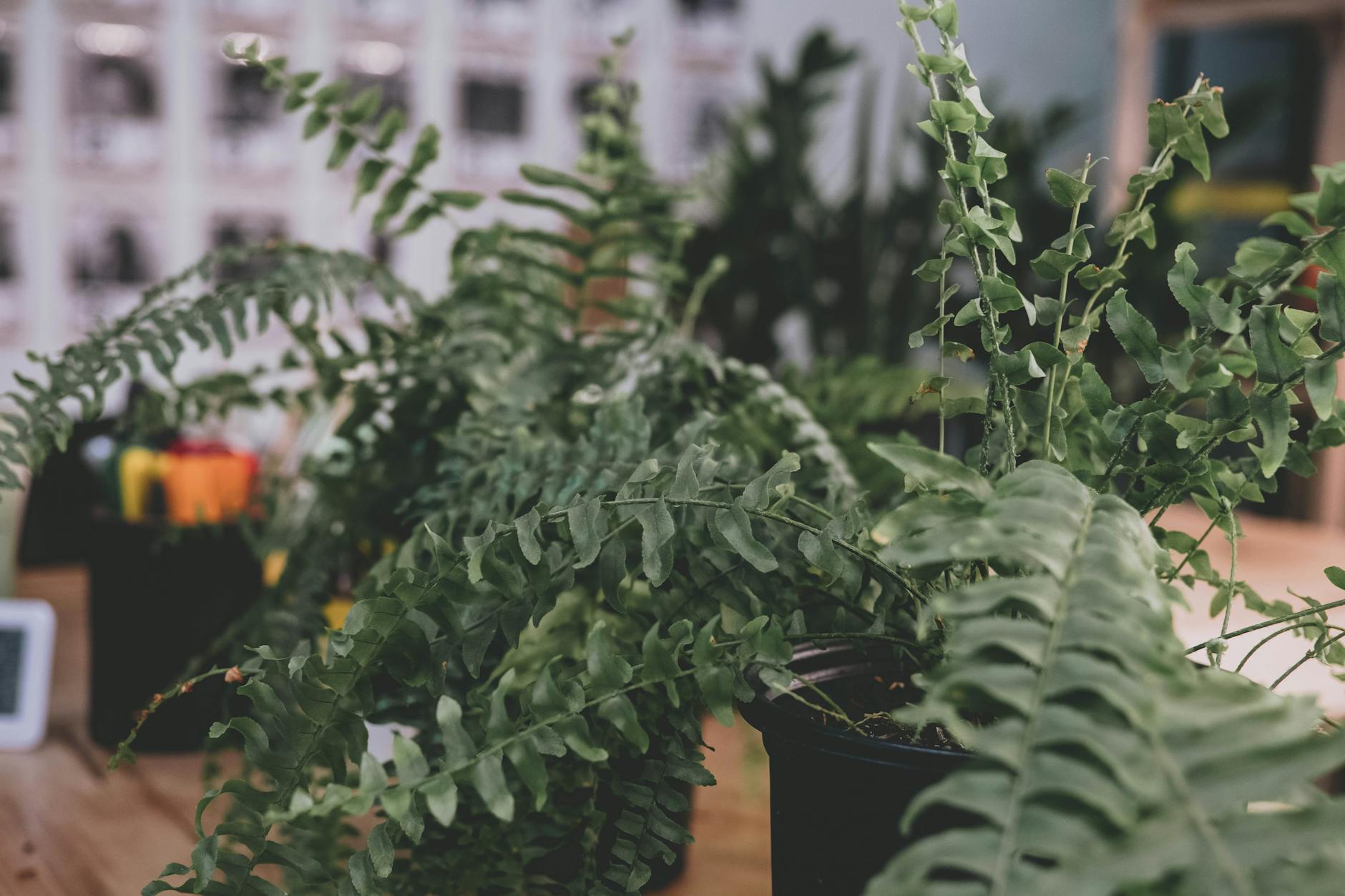
Boston Fern Care Guide: Complete Instructions for Nephrolepis Exaltata
Learn how to care for Boston Ferns with our comprehensive guide covering humidity, watering, light requirements, and maintaining lush, cascading fronds indoors.
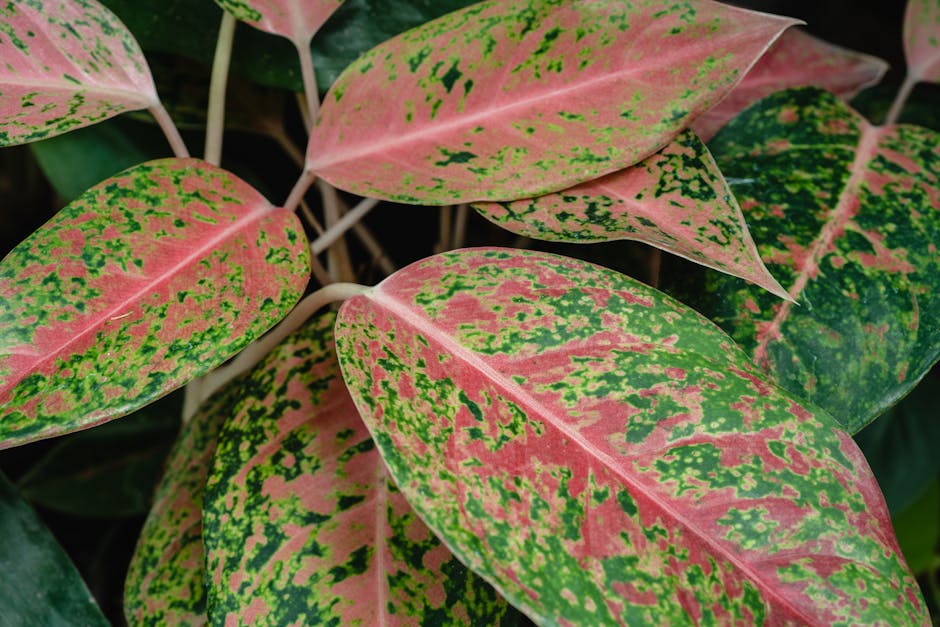
Chinese Evergreen Care Guide: Complete Aglaonema Instructions
Learn comprehensive Chinese Evergreen (Aglaonema) care including light tolerance, watering, colorful varieties, and troubleshooting for this adaptable houseplant.
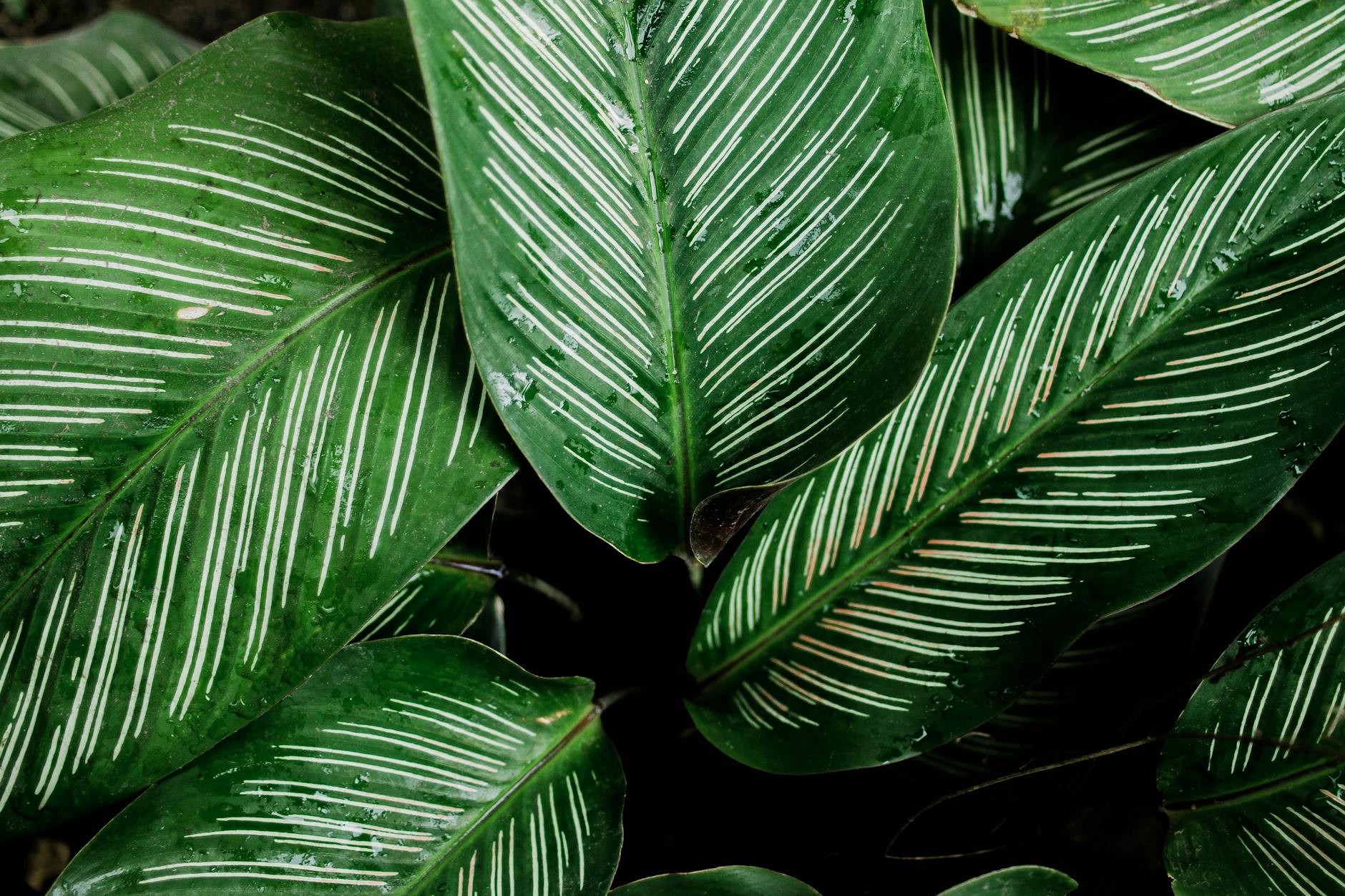
Calathea Care Guide: Complete Instructions for Prayer Plants
Learn how to care for Calathea plants with our comprehensive guide covering humidity, watering, light requirements, and maintaining beautiful patterned foliage.

Dracaena Marginata Care Guide: Complete Instructions for Dragon Tree
Learn how to care for Dracaena Marginata (Dragon Tree) with our comprehensive guide covering light, watering, pruning, and maintaining healthy growth indoors.
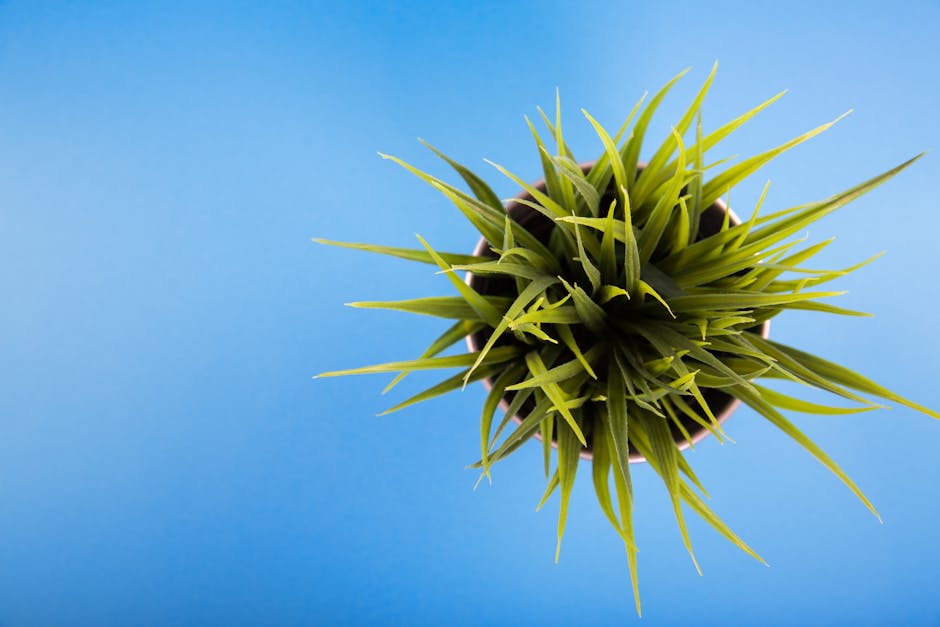
Dracaena Care Guide: Complete Dragon Tree Instructions
Learn comprehensive Dracaena care including watering, light, pruning, and varieties. Perfect guide for Dragon Tree, Corn Plant, and other Dracaena species.

English Ivy Care Guide: Complete Instructions for Hedera Helix
Learn how to care for English Ivy with our comprehensive guide covering light, watering, propagation, and maintaining healthy trailing growth indoors.