
Best Low Light Plants: Houseplants That Thrive in Dim Conditions
Discover the best low light houseplants for dark rooms, windowless offices, and dimly lit spaces. These plants thrive with minimal natural light.

In a world where the allure of greenery often competes with the constraints of our living spaces, the quest for houseplants that thrive in low light conditions becomes paramount. Whether you reside in a cozy apartment with minimal sunlight filtering through or find yourself navigating the sterile environment of a windowless office, there are remarkable plants that can easily adapt and flourish. These resilient companions not only purify the air but also bring a touch of nature’s tranquility into our dimly lit corners.
Imagine an inviting atmosphere where vibrant greens break the monotony of gray walls, where the air feels fresher and your spirit is lifted by the presence of life. Low light plants are not merely survivors in challenging conditions; they are thriving examples of nature’s resilience, capable of transforming your environment and enhancing your well-being. With a little knowledge and care, you can cultivate your very own indoor oasis, regardless of the amount of sunlight available.
Let’s delve into the world of low light plants, exploring why they are the ideal choice for dimly lit spaces and uncovering the best selections to breathe life into your home or office.
Why Choose These Plants
Selecting low light plants is not merely a matter of practicality; it is an invitation to embrace the beauty that nature can bring into our lives, even in less-than-ideal conditions. These plants are uniquely suited to thrive on minimal light, making them perfect companions for those who may feel daunted by the idea of maintaining more demanding species. The appeal of low light plants extends beyond their resilience; they offer a versatility that allows them to be tucked into nooks, placed atop shelves, or positioned strategically in corners where light struggles to reach.
Moreover, the psychological benefits of having greenery around cannot be overstated. Studies have shown that indoor plants can reduce stress, improve focus, and enhance overall mental well-being. In a world that often feels overwhelming, these low light champions provide a soothing presence, reminding us of the simplicity and beauty of nature. They invite us to slow down, appreciate our surroundings, and foster a connection with the living world, no matter where we are.
Additionally, these easy-care plants are perfect for those who may not have a green thumb or the time to dedicate to intricate gardening practices. Their forgiving nature allows even the busiest individuals to enjoy the beauty and benefits of indoor plants without the constant worry of upkeep.
Top Picks for Your Home
When it comes to choosing low light plants, the options are as varied as they are captivating. One of the most popular choices is the Snake Plant, also known as Sansevieria. This striking plant features tall, sword-like leaves that stand erect, often variegated with shades of green and yellow. Not only does the Snake Plant survive in low light, but it also boasts air-purifying qualities, making it an excellent addition to any space.
Another fantastic option is the Pothos, a trailing vine that adds a delightful cascade of green to your home. Its heart-shaped leaves can thrive in a range of lighting conditions, and it requires minimal watering. The Pothos is perfect for those who wish to create a lush, hanging display or simply drape it over a bookshelf, allowing its natural beauty to steal the spotlight.
The ZZ Plant, with its glossy, dark green leaves, is another low light superstar. It is not just stunning but also incredibly durable, making it suitable for even the most neglectful plant owners. This plant can thrive on a meager amount of light and water, allowing it to flourish in the dimmest of conditions while still making a statement.
For a touch of tropical charm, consider the Cast Iron Plant. True to its name, this hardworking plant can withstand neglect, drought, and low light with ease. Its lush, arching leaves create a vibrant focal point that can brighten up any dark corner of your home.
Finally, the Peace Lily is an elegant choice that not only thrives in low light but also produces beautiful white blooms. This plant has the unique ability to filter out harmful toxins from the air, providing both beauty and health benefits. With its striking flowers and lush foliage, the Peace Lily serves as a reminder that even in the shadows, beauty can bloom.
Care Essentials
While low light plants are generally low-maintenance, they still require some essential care to thrive. Understanding the specific light, water, and humidity needs of each species is crucial to ensuring their longevity and vibrancy. Most low light plants prefer indirect light, which means placing them near a window with filtered sunlight or in a room that receives ambient light throughout the day. It is important to observe your plants and adjust their positioning as needed, as even low light plants can become stressed if subjected to extreme changes in their environment.
Watering is another key aspect of plant care. Overwatering is a common pitfall for many plant owners. The beauty of low light plants is their ability to tolerate drier conditions, which means it’s often better to err on the side of caution. Always check the top inch of the soil; if it feels dry to the touch, it’s time to water. Allowing the plant to dry out a bit between waterings can help prevent root rot and other moisture-related issues.
Humidity levels are also important, particularly for tropical plants like the Peace Lily. While most low light plants can adapt to average indoor humidity, a little extra moisture can go a long way in promoting healthy growth. Consider misting your plants occasionally or placing a small humidifier nearby, especially during dry winter months.
Lastly, remember that while low light plants are forgiving, they still appreciate a little attention. Dust can accumulate on their leaves, hindering their ability to photosynthesize. Periodically wiping the leaves with a damp cloth will help keep them clean and vibrant, allowing them to continue thriving in their dimly lit spaces.
Common Challenges
Even the most resilient low light plants can face challenges, particularly in less-than-ideal conditions. One of the most common issues is leggy growth, which occurs when a plant stretches toward a light source. This can lead to sparse foliage and an unbalanced appearance. To combat this, consider rotating your plants regularly to ensure even growth or supplementing with artificial grow lights to provide additional illumination.
Another challenge is the risk of pests, which can thrive in indoor environments. While low light plants are generally less susceptible to infestations, it is still important to remain vigilant. Regularly inspecting your plants for signs of pests, such as discolored leaves or webbing, can help you catch any issues early. If you do encounter pests, natural remedies like neem oil or insecticidal soap can be effective treatments without harming your plants.
Additionally, low light conditions can sometimes lead to slower growth rates. While this may be expected, it’s important to remember that patience is key. Some plants may take longer to adjust to their environment, and it is essential to provide them with consistent care and attention.
Lastly, if you notice your plants developing yellowing leaves or a wilted appearance, it may be a sign of overwatering or poor drainage. Ensuring that your pots have adequate drainage holes and using well-draining soil can help mitigate these issues and keep your plants healthy.
Styling Ideas
Incorporating low light plants into your home decor can be a transformative experience. They provide not only aesthetic appeal but also a sense of calm and tranquility. One popular styling technique is to create a plant corner, where you group several plants of varying heights and textures. This creates a lush, cohesive look that draws the eye and adds depth to your space. You can mix and match different species, such as combining a Snake Plant with a cascading Pothos and a tall ZZ Plant, creating a dynamic visual display.
If you have limited floor space, consider vertical gardening. Wall-mounted planters or shelves can be an excellent way to showcase your low light plants while saving valuable square footage. Hanging pots can also add dimension to your decor, allowing trailing plants like the Pothos to gracefully drape down, creating a stunning visual effect.
For a touch of elegance, consider placing a Peace Lily on a side table or a console, allowing its beautiful blooms to serve as a focal point. The contrast of its dark green leaves against the bright white flowers can create a striking centerpiece for any room.
In an office setting, low light plants can enhance productivity and well-being. Positioning a few Snake Plants or ZZ Plants on your desk can create a more inviting workspace, helping to reduce stress and improve concentration. Additionally, incorporating plants into communal areas, such as break rooms or conference rooms, fosters a more relaxed atmosphere for everyone.
Finally, don’t shy away from using decorative pots that reflect your personal style. Terracotta, ceramic, or even metallic finishes can complement your low light plants beautifully, adding an extra layer of personality to your indoor garden. The right pot can elevate the entire look, making your green companions not just plants, but integral design elements in your home.
Getting Started
Embarking on the journey of indoor gardening with low light plants is both exciting and rewarding. Start by assessing your space and determining the areas that receive the least amount of natural light. Once you identify these dimly lit spots, you can begin selecting the plants that will thrive in those conditions. Visiting a local nursery or exploring online plant shops can be a delightful experience, allowing you to discover the diverse array of low light plants available.
As you bring these plants into your home, take the time to familiarize yourself with their specific care requirements. Each plant has its own personality, and understanding their needs will help you create an environment where they can flourish. Remember that patience is essential; it may take time for your plants to adjust to their new home, and that’s perfectly okay.
Incorporating low light plants into your living or working space can significantly enhance your environment, bringing warmth, beauty, and a breath of fresh air. These plants are not just a solution for dim conditions; they are a celebration of life and resilience, reminding us that even in the shadows, growth is possible. With the right care and attention, your low light plants will thrive, transforming your space into a vibrant sanctuary that nurtures both body and spirit.
So go ahead, embrace the low light, and let your indoor garden flourish. Your journey into the world of low light plants awaits, and it promises to be filled with joy, discovery, and a renewed appreciation for the wonders of nature.
Safety Note: Always research the toxicity of plants before bringing them into homes with pets or small children.
Plants in this Collection

Aglaonema Silver Bay Care Guide: Complete Instructions for Chinese Evergreen Beauty
Learn how to care for Aglaonema Silver Bay with our comprehensive guide covering light, watering, humidity, and maintaining stunning silver variegation in this easy-care houseplant.
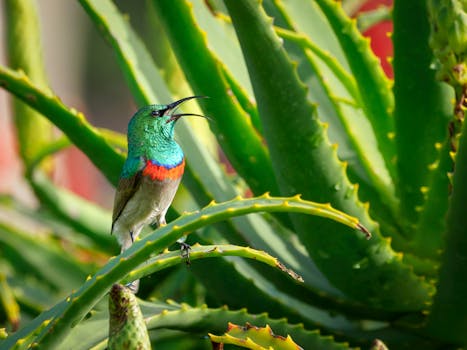
Aloe Vera Care Guide: Complete Instructions for Aloe Barbadensis Miller
Learn how to care for Aloe Vera plants with our comprehensive guide covering light, watering, harvesting gel, and propagating pups for healthy growth.
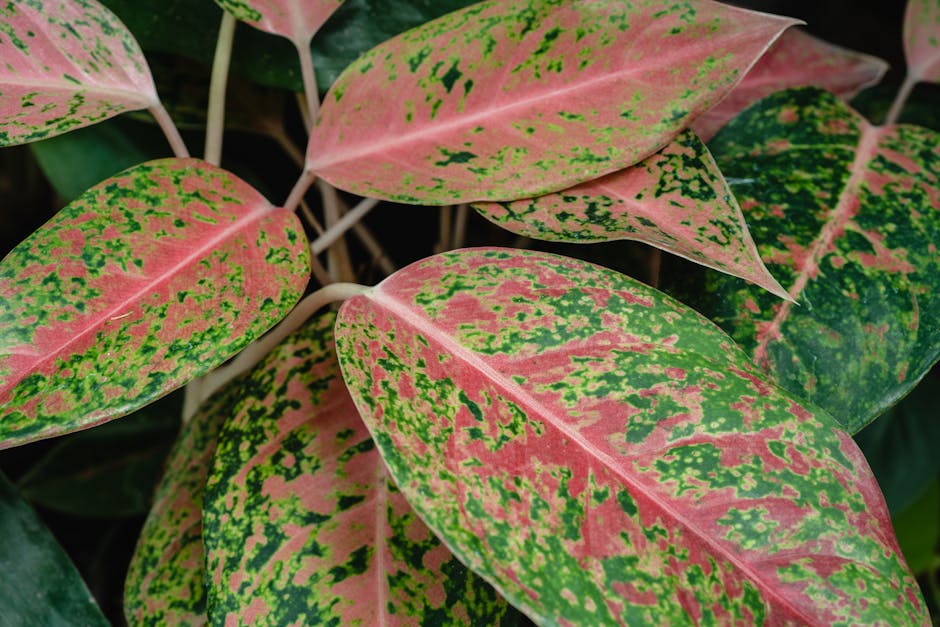
Chinese Evergreen Care Guide: Complete Aglaonema Instructions
Learn comprehensive Chinese Evergreen (Aglaonema) care including light tolerance, watering, colorful varieties, and troubleshooting for this adaptable houseplant.
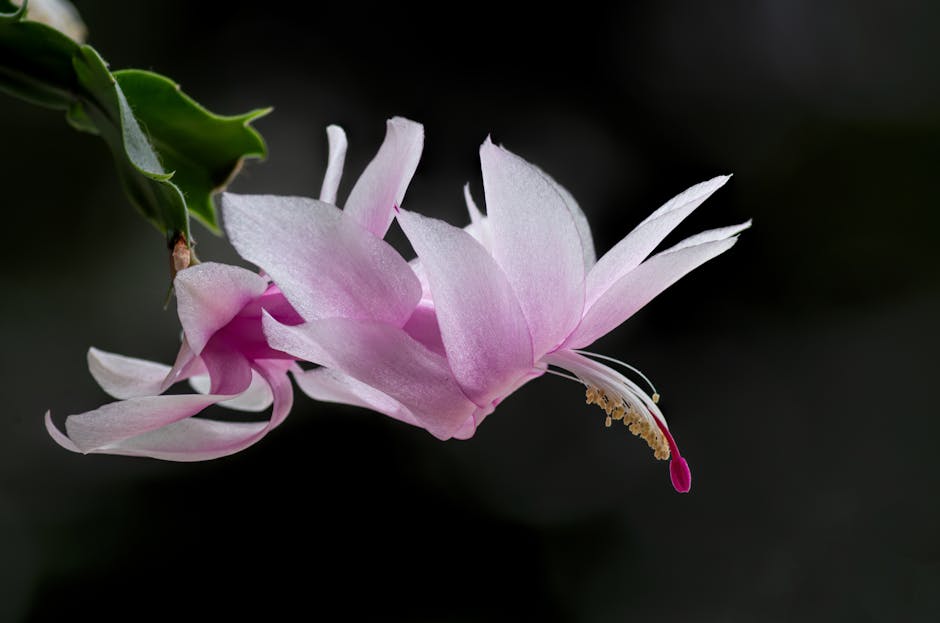
Christmas Cactus Care Guide: Complete Schlumbergera Instructions
Learn comprehensive Christmas Cactus care including blooming tips, watering, light requirements, and propagation for this popular holiday flowering plant.
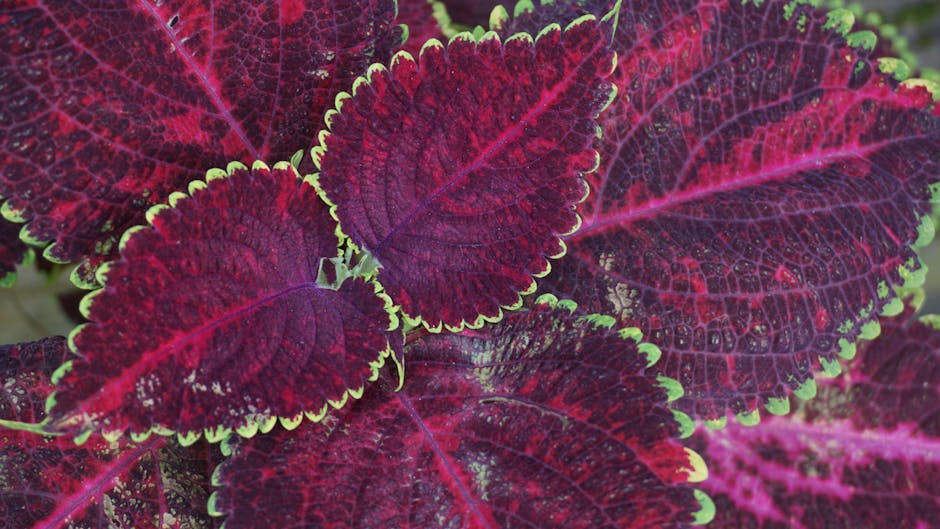
Coleus Care Guide: Complete Solenostemon Instructions
Learn comprehensive Coleus care including light, watering, pinching, and maintaining vibrant foliage colors in this popular colorful houseplant.
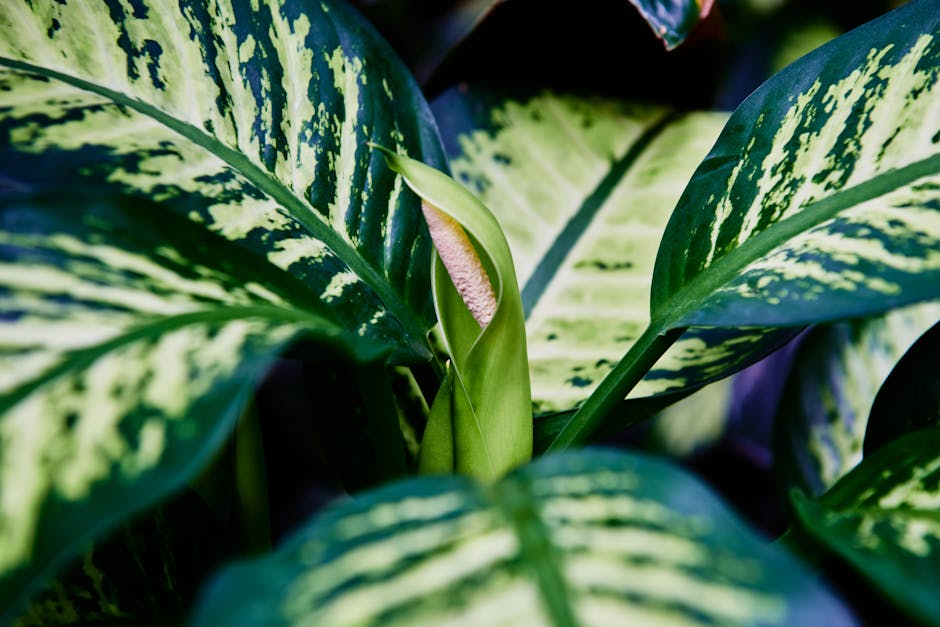
Dieffenbachia Care Guide: Complete Dumb Cane Instructions
Learn comprehensive Dieffenbachia care including light requirements, watering, humidity needs, and safety precautions for this popular Dumb Cane houseplant.