
Peace Lily Care
Elegant flowering plant that thrives in low light and tells you when it needs water.

Peace Lilies are perfect for beginners who want a flowering houseplant. They’re very communicative - drooping dramatically when thirsty and perking up quickly after watering.
Basic Care
Light: Tolerates low light but blooms better in bright, indirect light. Avoid direct sun.
Water: Keep soil consistently moist. Peace lilies will droop when thirsty, making it easy to know when to water.
Humidity: Loves high humidity. Brown tips often indicate dry air.
Flowers: White spathes appear throughout the year in proper conditions.
Why Peace Lilies Are Great for Beginners
- Very clear watering signals (dramatic drooping)
- Tolerates low light conditions
- Beautiful white flowers
- Excellent air purifier
- Fast recovery from care mistakes
Flowering Tips
Peace lilies bloom best when:
- Receiving bright, indirect light
- Kept consistently moist
- Given monthly fertilizer in growing season
- Plant is mature (2+ years old)
Air Purification
NASA studies show peace lilies remove:
- Ammonia
- Benzene
- Formaldehyde
- Trichloroethylene
This makes them excellent for bedrooms and offices.
Common Varieties
- Spathiphyllum wallisii: Classic variety, 12-16 inches
- Mauna Loa: Larger variety, can reach 3-4 feet
- Domino: Variegated leaves with white markings
- Sensation: Giant variety, up to 6 feet tall
Frequently Asked Questions
Why won't my peace lily bloom? ▼
Peace lilies need bright, indirect light to flower. Young plants may take time to mature before blooming.
How often should I water my peace lily? ▼
Keep soil consistently moist but not soggy. Water when top inch feels dry.
Are peace lily flowers actually flowers? ▼
The white 'flower' is actually a modified leaf called a spathe. The real flowers are tiny and on the spadix inside.
Explore Related Topics
Was this guide helpful?
Your input helps us improve our guides.
How can we improve this guide?
Similar Plants You Might Like

Aglaonema Silver Bay Care Guide: Complete Instructions for Chinese Evergreen Beauty
Learn how to care for Aglaonema Silver Bay with our comprehensive guide covering light, watering, humidity, and maintaining stunning silver variegation in this easy-care houseplant.
Easy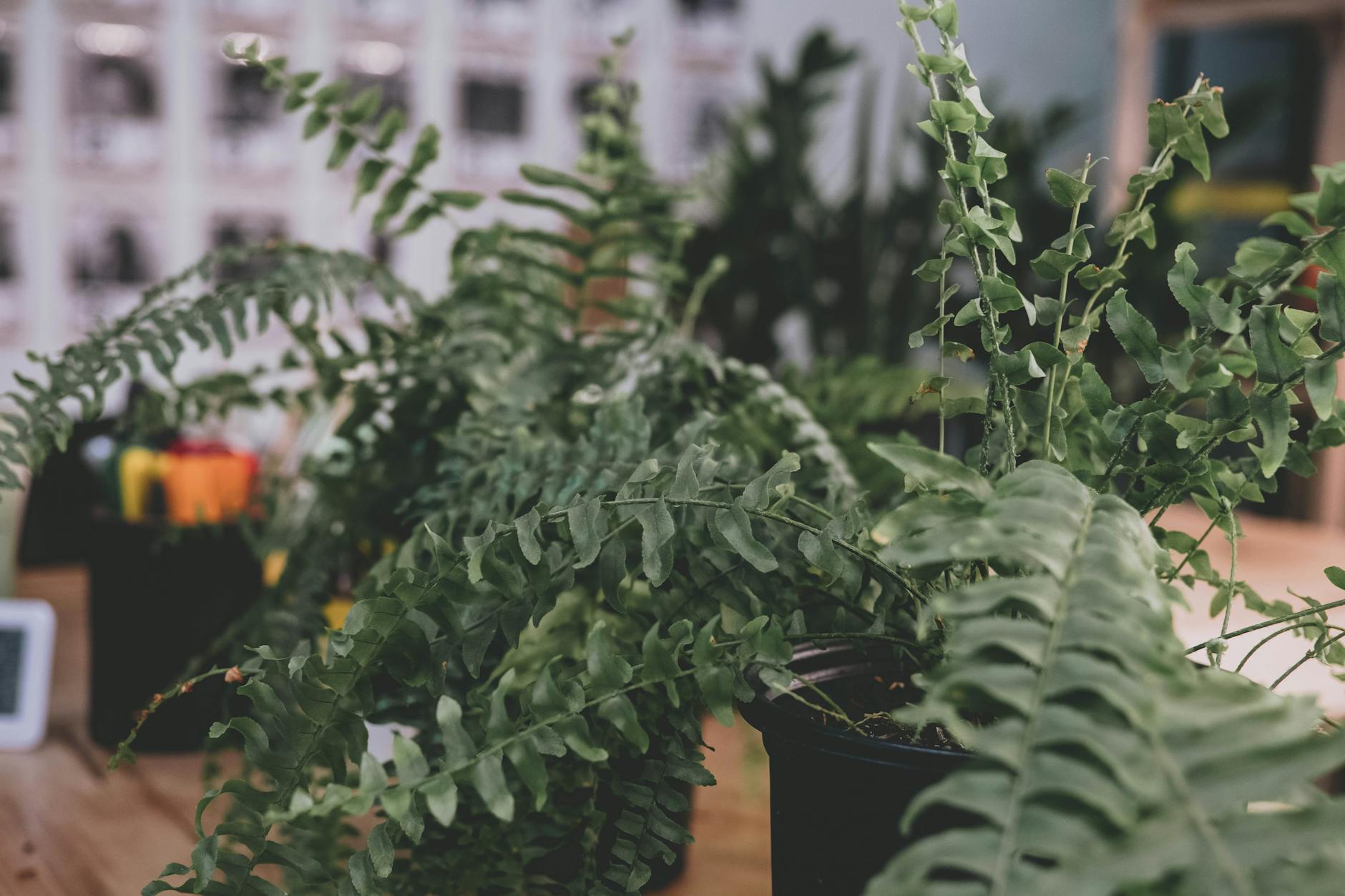
Boston Fern Care Guide: Complete Instructions for Nephrolepis Exaltata
Learn how to care for Boston Ferns with our comprehensive guide covering humidity, watering, light requirements, and maintaining lush, cascading fronds indoors.
Moderate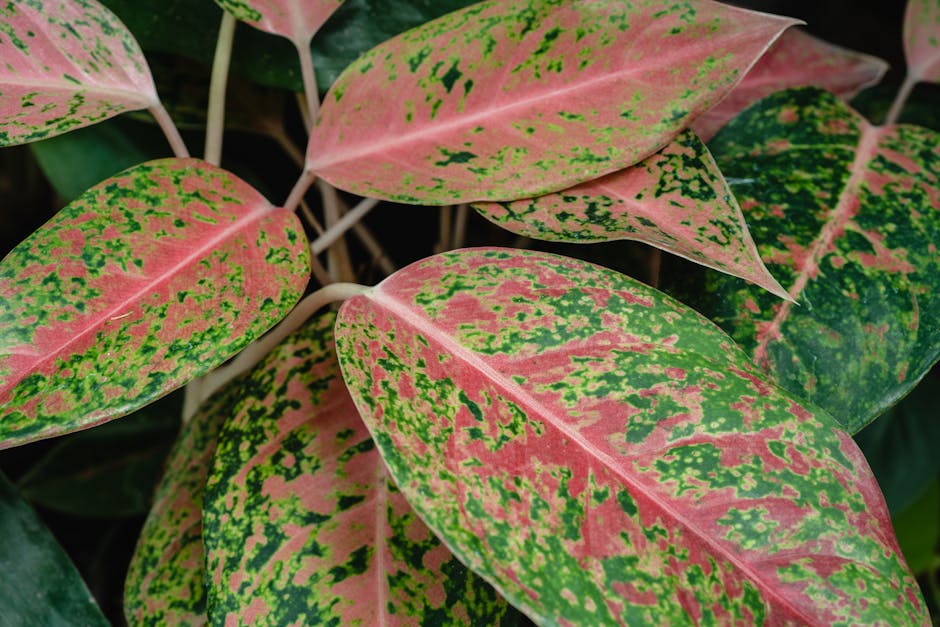
Chinese Evergreen Care Guide: Complete Aglaonema Instructions
Learn comprehensive Chinese Evergreen (Aglaonema) care including light tolerance, watering, colorful varieties, and troubleshooting for this adaptable houseplant.
Easy