
Parlor Palm Care
Elegant, pet-safe palm that tolerates low light and adds tropical flair to any room.
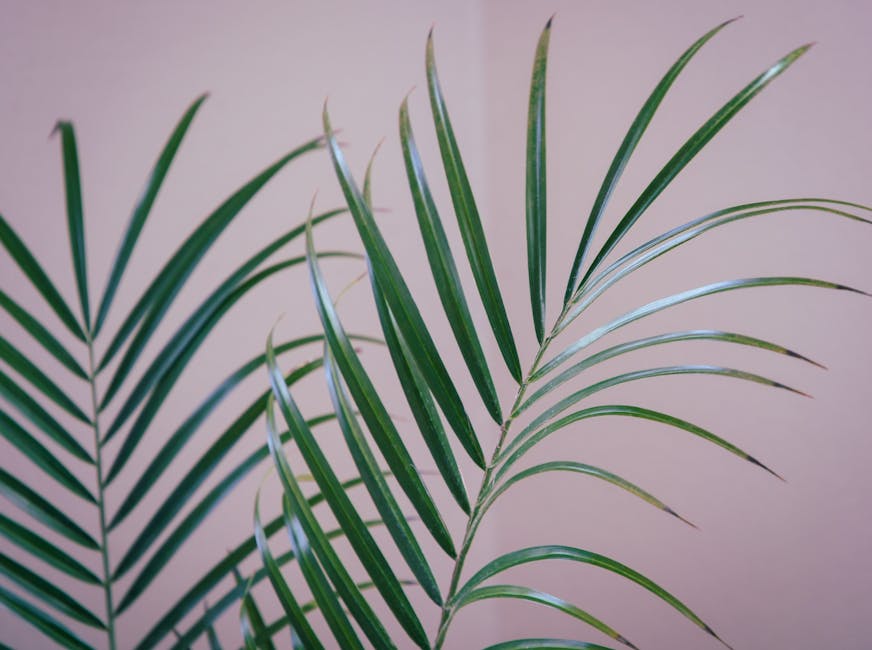
Parlor Palms are classic houseplants that bring tropical elegance to any space. They’re perfect for beginners and pet owners, tolerating low light and requiring minimal care.
Basic Care
Light: Thrives in low to medium indirect light. Direct sun will scorch the delicate fronds.
Water: Keep soil evenly moist but not soggy. Allow top inch to dry between waterings.
Growth: Very slow-growing, reaching 3-4 feet indoors over many years.
Pet Safety: Completely non-toxic to cats and dogs, making them ideal for pet households.
Why Parlor Palms Are Perfect Houseplants
Low maintenance requirements:
- Tolerates low light conditions
- Forgives occasional watering mistakes
- Rarely needs repotting
- Natural air purifier
Aesthetic appeal:
- Classic tropical appearance
- Fits any decor style
- Perfect size for tabletops or floors
- Elegant, arching fronds
Practical benefits:
- Safe around children and pets
- Improves indoor air quality
- Long-lived with proper care
- Adds humidity to dry indoor air
Historical Significance
Parlor palms earned their name in the Victorian era when they were popular in formal parlors and sitting rooms. They were prized for:
- Tolerance of gas lamp fumes
- Ability to thrive in dim, indoor light
- Elegant appearance in formal settings
- Symbol of exotic tropical luxury
Care Through the Seasons
Spring and summer:
- Resume regular fertilizing
- Increase watering as growth resumes
- Check for new growth emerging from soil
- May benefit from outdoor shade placement
Fall and winter:
- Reduce watering frequency
- Stop fertilizing until spring
- Watch for spider mites in dry indoor air
- Maintain humidity with humidifier or trays
Common Issues and Solutions
Brown Frond Tips
Most common problem with parlor palms:
Causes:
- Fluoride in tap water
- Low humidity
- Over-fertilizing
- Underwatering
Solutions:
- Switch to filtered or distilled water
- Increase humidity around plant
- Reduce fertilizer concentration
- Maintain consistent soil moisture
Spider Mites
Prevention is key:
- Maintain humidity above 40%
- Rinse fronds regularly
- Ensure good air circulation
- Inspect regularly during dry periods
Slow Growth
This is normal! Parlor palms are naturally very slow growers:
- May only produce 1-2 new fronds per year
- Don’t expect dramatic size increases
- Focus on maintaining healthy existing fronds
- Patience is essential with these plants
Styling and Placement
Perfect locations:
- Office desks and tables
- Bathroom corners with windows
- Living room side tables
- Bedroom decoration
- Kitchen counters away from appliances
Decorative ideas:
- Group multiple palms of different sizes
- Pair with other tropical plants
- Use decorative pots to match decor
- Create mini tropical scenes
Air Purification Benefits
NASA studies show parlor palms help remove:
- Formaldehyde from furniture and carpets
- Ammonia from cleaning products
- Benzene from synthetic materials
They also increase humidity through transpiration, helping combat dry indoor air.
Propagation Notes
Seed propagation:
- Very slow process (months to germinate)
- Requires fresh seeds
- Warm, humid conditions needed
- Patience essential
Division:
- Only possible with multi-stem plants
- Carefully separate during repotting
- Each section needs its own root system
- Not common in houseplant cultivation
Long-term Care
Parlor palms can live for decades with proper care:
- May eventually outgrow their space
- Older plants become more tolerant
- Rarely need repotting (every 3-4 years)
- Can become family heirlooms
Signs of a healthy parlor palm:
- Deep green fronds
- Steady (slow) growth
- No brown tips or yellowing
- Upright, sturdy growth habit
With minimal care, parlor palms provide years of tropical beauty and are perfect for anyone wanting to start their plant journey with a virtually foolproof species.
Frequently Asked Questions
Are parlor palms safe for pets? ▼
Yes! Parlor palms are non-toxic to cats and dogs, making them perfect for pet households.
How big do parlor palms get indoors? ▼
Indoor parlor palms typically reach 3-4 feet tall and grow very slowly, making them perfect for small spaces.
Why do parlor palm leaves turn brown? ▼
Usually from low humidity, fluoride in tap water, or natural aging. Use filtered water and increase humidity.
Explore Related Topics
Was this guide helpful?
Your input helps us improve our guides.
How can we improve this guide?
Similar Plants You Might Like

Aglaonema Silver Bay Care Guide: Complete Instructions for Chinese Evergreen Beauty
Learn how to care for Aglaonema Silver Bay with our comprehensive guide covering light, watering, humidity, and maintaining stunning silver variegation in this easy-care houseplant.
Easy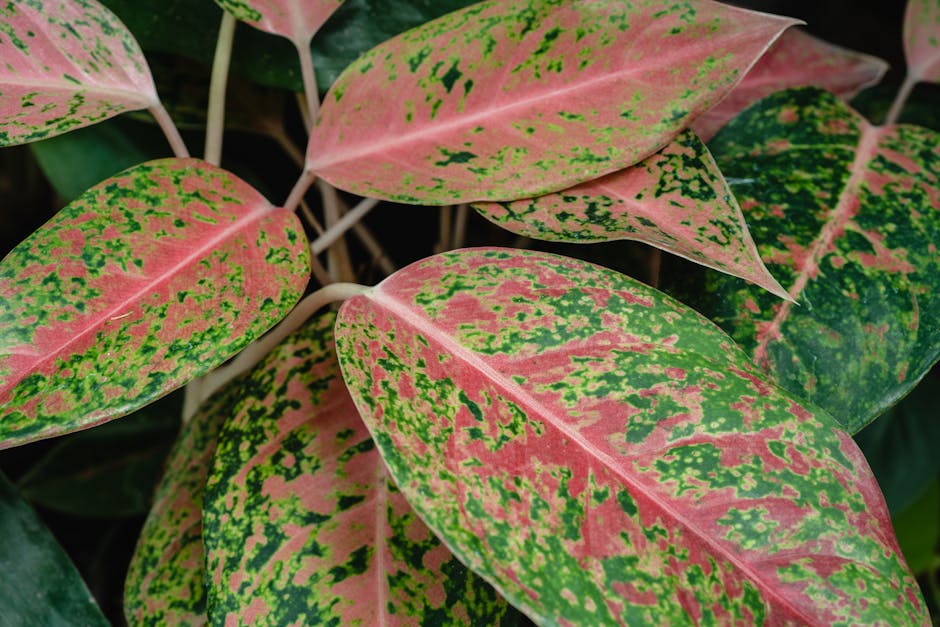
Chinese Evergreen Care Guide: Complete Aglaonema Instructions
Learn comprehensive Chinese Evergreen (Aglaonema) care including light tolerance, watering, colorful varieties, and troubleshooting for this adaptable houseplant.
Easy
Dracaena Marginata Care Guide: Complete Instructions for Dragon Tree
Learn how to care for Dracaena Marginata (Dragon Tree) with our comprehensive guide covering light, watering, pruning, and maintaining healthy growth indoors.
Easy