
Dracaena Marginata Care Guide: Complete Instructions for Dragon Tree
Learn how to care for Dracaena Marginata (Dragon Tree) with our comprehensive guide covering light, watering, pruning, and maintaining healthy growth indoors.

Quick Care Guide
Bright, indirect light to low light (very adaptable)
When top 1-2 inches of soil dry (every 1-2 weeks)
30-50% preferred, tolerates dry air
65-80°F (18-27°C)
Well-draining potting mix
Every 2-4 weeks during growing season
Keep away from cats, dogs, and children
Dracaena Marginata, commonly known as the Dragon Tree, is a stunning and resilient houseplant that has captured the hearts of many indoor gardening enthusiasts. With its striking, slender trunk and long, arching leaves adorned with vibrant green and reddish edges, this plant not only enhances the aesthetic of any space but also contributes to improved air quality. As we delve into the essential care instructions for Dracaena Marginata, you will discover that maintaining this beautiful plant is not only rewarding but also relatively easy, making it an excellent choice for both novice and seasoned plant parents alike.
The allure of Dracaena Marginata extends beyond its visual appeal; it is also known for its adaptability. This plant can thrive in a range of lighting conditions, from bright and indirect light to the more subdued tones of low light, which makes it perfect for homes and offices alike. Moreover, the Dragon Tree is recognized for its air-purifying qualities, as it helps to filter harmful toxins from the air, contributing to a healthier indoor environment. In this comprehensive care guide, you will learn the ins and outs of nurturing your Dracaena Marginata, ensuring it remains a vibrant centerpiece in your home for years to come.
Let us embark on this journey of discovery, exploring the various aspects of Dracaena Marginata care, from lighting and watering to soil and humidity needs. By the end of this guide, you will be well-equipped with the knowledge necessary to cultivate a healthy and thriving Dragon Tree.
Getting to Know Your Plant
Dracaena Marginata, more affectionately known as the Dragon Tree, is native to the island of Madagascar. It is a member of the Asparagaceae family, which encompasses a variety of other striking houseplants. This particular species can grow up to 10 feet tall in its natural habitat, but when cultivated indoors, it typically reaches a more manageable height of 4 to 6 feet. The elongated, sword-like leaves can grow up to 3 feet long and are often green with a reddish or purple edge, adding a dramatic flair to its appearance.
The Dragon Tree is often favored not just for its beauty but also for its ease of care. It is a slow-growing plant, which means that it does not demand constant attention or frequent repotting. This makes it a perfect candidate for busy individuals who may not have the time to dedicate to high-maintenance plants. Understanding the specific needs of Dracaena Marginata will enhance your ability to cultivate a healthy specimen that can thrive in your indoor space.
Light Requirements
One of the most appealing aspects of Dracaena Marginata is its adaptability when it comes to lighting conditions. While this plant can tolerate low light, it truly flourishes in bright, indirect light. Ideally, placing your Dragon Tree in a location where it receives filtered sunlight will promote the best growth and vibrant leaf coloration. However, if you find yourself in a space with limited natural light, fear not; this resilient plant can still survive and even thrive with minimal illumination.
When exposed to direct sunlight, the leaves may scorch, leading to unsightly brown patches. Therefore, it’s essential to monitor your plant’s position and adjust accordingly if you notice any signs of stress. A common practice is to rotate your Dracaena Marginata every few weeks to ensure that all sides receive equal light exposure, promoting balanced growth. If you notice that the leaves are becoming elongated or leggy, it may be a sign that your plant is reaching for more light, and relocating it to a brighter spot could remedy the situation.
Watering Guidelines
Watering is a critical aspect of plant care, and for Dracaena Marginata, finding the right balance is key. This plant prefers a consistent moisture level; however, it is quite tolerant of occasional drying out. The best practice is to water your Dragon Tree when the top 1 to 2 inches of soil feel dry to the touch. Generally, this translates to a watering schedule of every 1 to 2 weeks, depending on the humidity levels and temperature of your environment.
When watering, ensure that you thoroughly saturate the soil until water drains from the bottom of the pot, as this encourages healthy root development. Be cautious of overwatering, as Dracaena Marginata is susceptible to root rot if left sitting in excessively moist soil. If you notice yellowing leaves or a mushy stem, these may be indicators of overwatering, and you should adjust your watering routine accordingly. Conversely, if your plant begins to droop or display dry leaf tips, it may be a sign that it requires more frequent watering.
Soil and Potting Requirements
The choice of soil for your Dracaena Marginata plays an integral role in its overall health and growth. A well-draining potting mix is essential for preventing water retention that can lead to root rot. Look for a high-quality potting mix that contains elements such as peat, perlite, and pine bark, which promote aeration and drainage while retaining just the right amount of moisture.
When it comes to potting, choose a container that allows for adequate drainage, as stagnant water can quickly turn problematic for the roots. You may need to repot your Dragon Tree every couple of years, particularly if it begins to outgrow its container. Signs that your plant needs repotting include roots growing out of the drainage holes or stunted growth. When repotting, gently loosen any tightly bound roots and provide fresh soil to encourage healthy growth.
Temperature and Humidity
Dracaena Marginata thrives in temperatures ranging from 65 to 80°F (18 to 27°C). It is important to keep your Dragon Tree away from drafts, sudden temperature changes, and extreme heat sources, as these conditions can stress the plant and affect its overall health. If you are growing your Dragon Tree in a space with air conditioning or heating, consider using a humidity gauge to monitor the environment and make adjustments if necessary.
While Dracaena Marginata prefers humidity levels between 30 to 50%, it is surprisingly tolerant of drier air. This resilience means that it can adapt well to typical household humidity levels, making it an ideal indoor plant. However, if you notice browning leaf tips, it may be an indication that the air is too dry. To address this, consider misting the leaves occasionally or placing a humidifier nearby to maintain a more suitable humidity level.
Fertilizing Schedule
To ensure your Dracaena Marginata flourishes, a regular fertilizing schedule is essential during its growing season, which typically spans from spring through early fall. Using a balanced, water-soluble fertilizer once every 2 to 4 weeks will provide the necessary nutrients to support robust growth and vibrant foliage. Dilute the fertilizer to half the recommended strength to avoid the risk of over-fertilizing, which can lead to leaf burn and other complications.
As fall approaches and the plant enters its dormant period, it is advisable to reduce or stop fertilization altogether. During this time, the Dragon Tree will focus on maintaining its existing foliage and may not require the additional nutrients. By allowing your plant to rest, you are setting it up for a strong comeback in the following growing season.
Propagation Methods
For those looking to expand their collection or share the beauty of Dracaena Marginata with friends, propagation can be an exciting endeavor. This plant can be propagated through stem cuttings or air layering, both of which are relatively straightforward. When propagating through stem cuttings, select a healthy stem with several nodes and cut it into sections of about 6 inches in length. Place the cuttings in water or moist soil and provide a warm, bright area to encourage root development.
Alternatively, air layering is another effective method for propagation. To do this, you will need to make a small incision on the stem of a healthy plant, wrapping the exposed area in moist sphagnum moss and sealing it with plastic. Over time, roots will develop from the incision, at which point you can cut the new plant away from the parent and pot it in fresh soil. Whichever method you choose, patience is key, as it may take several weeks for roots to establish.
Common Problems and Solutions
While Dracaena Marginata is generally a hardy plant, it is not immune to common issues that may arise during its care. One frequent concern is brown leaf tips, which can be indicative of several factors, such as low humidity, fluoride in tap water, or over-fertilizing. To mitigate this issue, consider using filtered or distilled water, as tap water often contains chemicals that can harm the plant. Additionally, monitoring humidity and adjusting your care routine can help prevent this problem from recurring.
Another common issue is yellowing leaves, which may signal overwatering. Ensure that your watering routine aligns with the plant’s needs, allowing the top layers of soil to dry out between waterings. Conversely, if you notice that the leaves are drooping or developing a leggy appearance, it may be time to reassess the lighting conditions and consider relocating your Dracaena Marginata to a brighter spot.
Seasonal Care Adjustments
As the seasons change, so too will the care requirements for your Dracaena Marginata. During the growing season in spring and summer, you will want to maintain a consistent watering and fertilizing schedule to support healthy growth. Pay close attention to any signs of pests, such as spider mites or mealybugs, which can thrive in warm weather. Regularly inspect the leaves and stems for any signs of infestation, and address issues promptly to prevent further damage.
As the cooler months of fall and winter approach, it is essential to adjust your care routine accordingly. Reduce watering frequency, as the plant will require less moisture during its dormant period. Additionally, cease fertilizing during this time, allowing the plant to conserve energy. Keep your Dragon Tree away from cold drafts and sources of heat, as extreme temperature fluctuations can stress the plant.
In conclusion, Dracaena Marginata, or the Dragon Tree, is a versatile and attractive addition to any indoor garden. With its relatively easy care requirements and adaptability to various conditions, it is an excellent choice for anyone looking to enhance their living space with vibrant, air-purifying greenery. By following the guidelines outlined in this comprehensive care guide, you will be well on your way to cultivating a beautiful and thriving Dragon Tree that brings joy and life into your home.
Safety Note: Dracaena Marginata contains compounds that are toxic to cats, dogs, and humans if ingested. Keep plants out of reach of curious pets and small children. Contact a veterinarian or poison control center if ingestion occurs.
Frequently Asked Questions
How often should I water my Dracaena Marginata? ▼
Water when the top 1-2 inches of soil feel dry, typically every 1-2 weeks. Dracaenas prefer consistent moisture but are tolerant of occasional drying out.
Can Dracaena Marginata tolerate low light? ▼
Yes, Dragon Trees are very tolerant of low light conditions, making them excellent office plants. However, they prefer bright, indirect light for optimal growth.
Why are the leaf tips of my Dracaena turning brown? ▼
Brown leaf tips usually indicate low humidity, fluoride in tap water, or overfertilizing. Use filtered water and maintain moderate humidity to prevent this.
How do I propagate my Dracaena Marginata? ▼
Dracaenas can be propagated through stem cuttings or air layering. Cut healthy stems into sections with nodes and root in water or moist soil.
Are Dracaena Marginata safe for pets? ▼
No, all Dracaena species are toxic to cats and dogs. They contain compounds that can cause vomiting, drooling, and loss of appetite in pets.
Was this guide helpful?
Your input helps us improve our guides.
How can we improve this guide?
Similar Plants You Might Like

Aglaonema Silver Bay Care Guide: Complete Instructions for Chinese Evergreen Beauty
Learn how to care for Aglaonema Silver Bay with our comprehensive guide covering light, watering, humidity, and maintaining stunning silver variegation in this easy-care houseplant.
Easy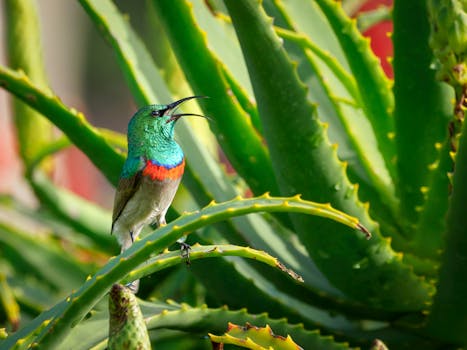
Aloe Vera Care Guide: Complete Instructions for Aloe Barbadensis Miller
Learn how to care for Aloe Vera plants with our comprehensive guide covering light, watering, harvesting gel, and propagating pups for healthy growth.
Easy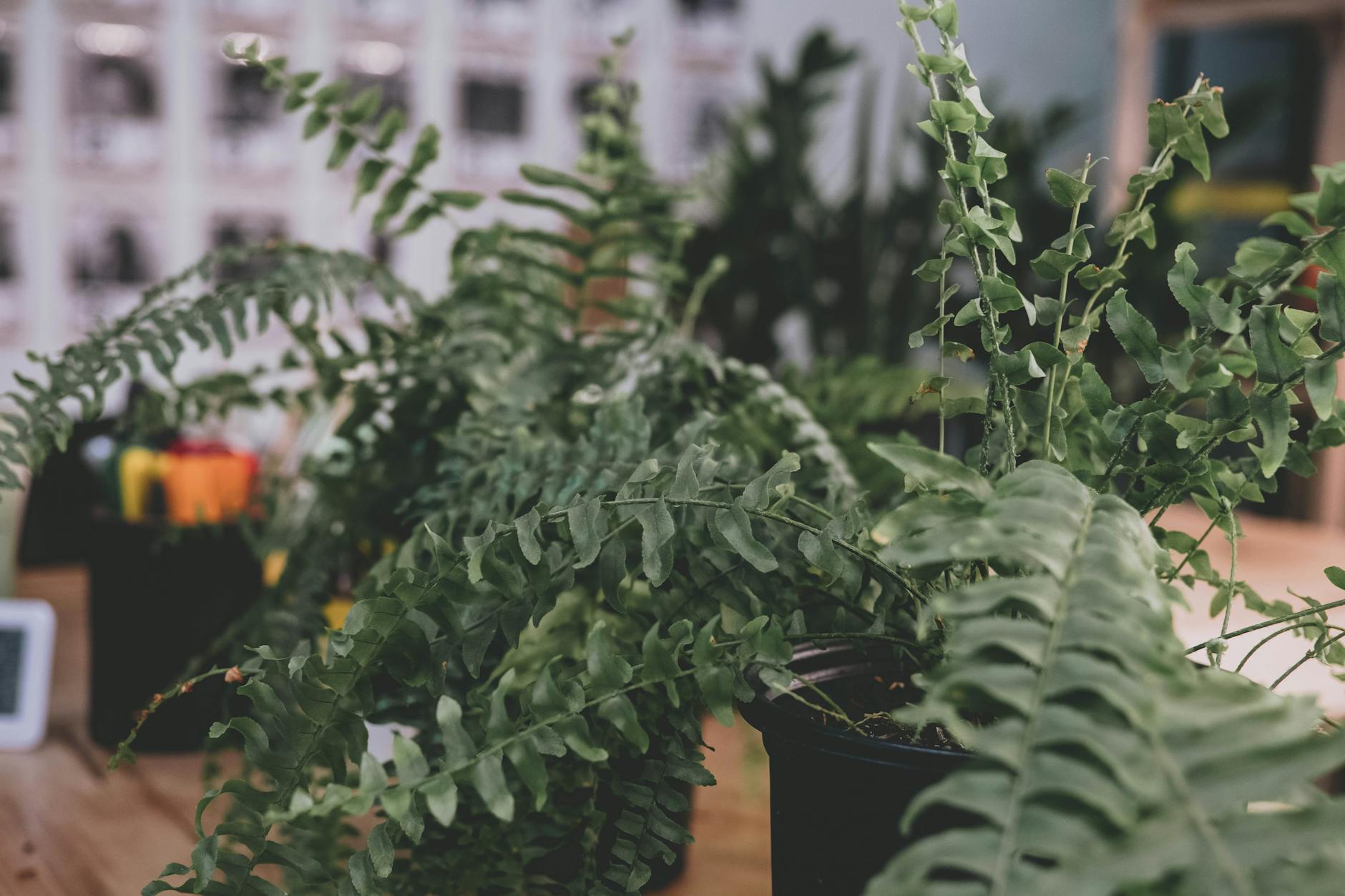
Boston Fern Care Guide: Complete Instructions for Nephrolepis Exaltata
Learn how to care for Boston Ferns with our comprehensive guide covering humidity, watering, light requirements, and maintaining lush, cascading fronds indoors.
Moderate