
Bird of Paradise Care Guide: Complete Growing Instructions for Strelitzia
Learn how to care for Bird of Paradise (Strelitzia) with our comprehensive guide covering light, watering, humidity, pruning, and troubleshooting for stunning tropical growth.
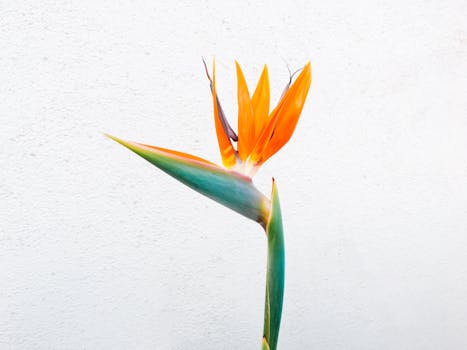
Quick Care Guide
Very bright, indirect light with some direct sun
Water when top 1-2 inches of soil dry
60-80% humidity preferred
70-80°F (21-27°C)
Well-draining, rich potting mix
Monthly during growing season
Keep away from cats, dogs, and children
The Bird of Paradise, scientifically known as Strelitzia, is a plant that evokes the essence of a tropical paradise with its striking foliage and vibrant flowers. Native to South Africa, this stunning plant has captured the hearts of horticulturists and plant enthusiasts alike. With its large, banana-like leaves and exotic blooms, Bird of Paradise can transform any indoor space into a lush retreat. However, this beauty comes with specific care requirements that must be met to keep it thriving and to encourage those coveted blooms.
Whether you’re a seasoned gardener or a beginner venturing into the world of houseplants, understanding the essential aspects of Bird of Paradise care is crucial. From selecting the right location to mastering watering techniques, each detail plays a significant role in nurturing this magnificent plant. In this comprehensive guide, we will cover every aspect of Strelitzia care, empowering you to cultivate a healthy, vibrant Bird of Paradise that can be the centerpiece of your home.
Getting to Know Your Plant
Before diving into the specifics of care, it’s important to familiarize yourself with the Bird of Paradise and its unique characteristics. This majestic plant is known for its bold, paddle-shaped leaves that can grow up to 18 inches long and its stunning flowers that resemble a colorful bird in flight. The blooms, typically orange and blue, emerge from a large, banana-like inflorescence, making it a striking addition to any plant collection. While the plant can grow quite large, often reaching heights of up to 6 feet indoors, it is essential to understand that it requires particular growing conditions to reach its full potential.
Bird of Paradise is often considered a moderate-care plant, meaning it does require some attention but is not overly demanding. This makes it an excellent choice for those who have some experience with houseplants but are still looking for a rewarding challenge. The plant is adaptable but thrives best in environments that mimic its natural habitat, which is characterized by warm temperatures, high humidity, and plenty of light. As we explore the various care requirements, you will discover how to create the ideal conditions for your Strelitzia to flourish.
Light Requirements
The lighting conditions for your Bird of Paradise are paramount in ensuring its health and vibrancy. This plant thrives in very bright, indirect light, requiring around 6 to 8 hours of exposure daily. Ideally, a south-facing window is the best location, where it can bask in the sun’s warmth while being shielded from the harsh afternoon rays. While some direct morning sunlight is acceptable, too much direct exposure can scorch the leaves, leading to unsightly brown patches.
If you notice your Bird of Paradise stretching towards the light or producing smaller leaves, it may be a sign that it is not receiving enough brightness. Conversely, if the leaves start to yellow or develop brown tips, it could be receiving too much direct sunlight. It’s essential to strike a balance, ensuring the plant gets the light it craves while protecting it from extremes. If natural light is limited, consider supplementing with grow lights to create an optimal indoor environment.
Watering Guidelines
Watering your Bird of Paradise correctly is crucial for its overall health and the prevention of common issues. The general rule of thumb is to water the plant when the top 1 to 2 inches of soil feels dry to the touch. This typically translates to watering every one to two weeks, depending on the season and humidity levels in your home. During the warmer months, when the plant is actively growing, it may require more frequent watering, while in the winter months, you should reduce the frequency.
Overwatering is a common mistake made by many, as Bird of Paradise prefers to dry out between watering sessions. Ensure that your pot has adequate drainage holes, allowing excess water to escape and preventing soggy soil, which can lead to root rot. If you do accidentally overwater, keep an eye out for yellowing leaves or a musty smell, which may indicate that the roots are suffering. Conversely, underwatering can also lead to problems, such as wilting leaves or browning tips. Understanding your plant’s specific needs will help you find the right balance in your watering routine.
Soil and Potting Requirements
The choice of soil for your Bird of Paradise is just as important as the watering schedule. This plant thrives in well-draining, rich potting mix that retains some moisture without becoming soggy. A high-quality potting mix designed for tropical plants is an excellent choice, as it often contains the right balance of organic matter, perlite, and peat moss to promote healthy root growth.
When potting your Bird of Paradise, ensure that the container you choose has adequate drainage holes. This will allow excess water to escape, preventing the roots from sitting in water, which can lead to root rot. As your plant grows, it may become necessary to repot it every couple of years to refresh the soil and provide it with more room to expand. When repotting, choose a pot that is only slightly larger than the current one, as too much extra space can lead to overwatering issues.
While Bird of Paradise can tolerate a range of soil types, avoiding compacted or overly heavy soils is crucial. Heavy soils can hinder drainage and lead to root problems. Instead, aim for a mix that promotes aeration and allows the roots to breathe, which is vital for their overall health and vitality.
Temperature and Humidity
Bird of Paradise is a tropical plant that flourishes in warm temperatures and high humidity. Ideally, it prefers temperatures between 70 to 80°F (21 to 27°C) during the day and slightly cooler at night. Extreme temperature fluctuations can stress the plant, so it’s best to keep it away from drafty windows or air conditioning vents.
Humidity is another critical factor in the care of your Bird of Paradise. This plant thrives in humidity levels of 60 to 80 percent. In many homes, especially during the winter months when heating systems are in use, humidity levels can drop significantly. To help maintain the required humidity, consider placing a humidifier nearby or grouping your plant with other humidity-loving plants. Alternatively, you can create a pebble tray filled with water beneath the pot, ensuring that the bottom of the pot does not sit directly in water, which could lead to root rot.
If you notice that the leaves are browning or curling at the edges, this could be a sign that the humidity is too low. Increasing humidity can help restore your plant’s health and encourage it to thrive.
Fertilizing Schedule
Fertilizing your Bird of Paradise is essential during its growing season, which typically spans from spring to early fall. During this time, you should apply a balanced, water-soluble fertilizer every month to provide the necessary nutrients for growth. Look for a fertilizer that contains equal parts nitrogen, phosphorus, and potassium, as these nutrients are vital for foliage development and overall plant vitality.
As winter approaches and the plant enters a period of dormancy, it’s advisable to reduce or even halt fertilization altogether. This allows the plant to rest and rejuvenate, conserving energy for the upcoming growing season. If you continue to fertilize during this time, you may risk overfeeding, which can lead to nutrient burn and hinder growth.
When applying fertilizer, be sure to follow the manufacturer’s instructions carefully, as too much fertilizer can lead to salt buildup in the soil, which can be detrimental to your plant’s health. If you notice any signs of nutrient deficiencies, such as yellowing leaves or stunted growth, you may need to adjust your fertilization routine accordingly.
Propagation Methods
Propagating your Bird of Paradise can be a rewarding endeavor, allowing you to expand your collection or share this beautiful plant with friends. The most common propagation method for Strelitzia is through division. This technique involves carefully separating the rhizomes of a mature plant during repotting.
To propagate by division, begin by removing the plant from its pot and gently shaking off excess soil to expose the roots. Identify healthy sections of the rhizome that have at least one or two leaves attached. Using a sterile knife, carefully cut the rhizome into sections, ensuring that each division has a good root system. Afterward, replant each section into its own pot filled with well-draining soil.
Another propagation method, though less common, is through seeds. However, growing Bird of Paradise from seeds requires patience, as germination can take several weeks to months. If you choose this route, soak the seeds in water for 24 hours before planting them in a seed-starting mix. Keep the soil consistently moist and provide warmth and bright light to encourage germination.
Regardless of the propagation method you choose, be sure to provide the newly planted divisions or seeds with the appropriate care, including light and humidity, to help them establish strong roots and grow into healthy plants.
Common Problems and Solutions
Even the most experienced plant parents can encounter challenges while caring for their Bird of Paradise. One common issue is leaf splitting, which can occur naturally as the plant matures. In its native habitat, this feature helps prevent wind damage. However, excessive leaf splitting may indicate underlying problems such as low humidity or underwatering. If you notice this happening, consider increasing humidity levels or adjusting your watering schedule accordingly.
Another concern may be yellowing leaves, which can be a sign of overwatering, nutrient deficiencies, or insufficient light. If the leaves are yellowing, first check the soil moisture to determine if you’re overwatering. If the soil is too wet, allow it to dry out before watering again. Additionally, consider whether the plant is receiving enough light, as inadequate light can hinder its ability to photosynthesize effectively.
Pest infestations can also plague your Bird of Paradise. Common pests include spider mites, mealybugs, and aphids. Regularly inspect the leaves for any signs of pests and treat any infestations promptly using insecticidal soap or neem oil. Keeping your plant clean by wiping the leaves with a damp cloth can help reduce the risk of pests.
Seasonal Care Adjustments
As the seasons change, so too do the care requirements for your Bird of Paradise. In the spring and summer, when the plant is actively growing, it will need more frequent watering, higher humidity, and regular fertilization to support its growth. You may also want to consider repotting during this time if the plant has outgrown its container.
As autumn approaches and temperatures begin to drop, it’s essential to transition your plant accordingly. Gradually reduce watering frequency, allowing the soil to dry out more between sessions. If your home tends to be dry in the winter, be sure to monitor humidity levels closely and take steps to increase humidity if needed.
During the winter months, your Bird of Paradise will enter a period of dormancy, and it will require less attention. Cut back on fertilization and maintain a consistent watering routine, allowing the plant to rest and rejuvenate for the upcoming growing season.
With the right care and attention throughout the seasons, your Bird of Paradise can thrive, bringing a touch of tropical beauty to your home. As you embark on your journey with this magnificent plant, remember that patience and observation are key. Each Bird of Paradise is unique, and understanding its specific needs will lead to a rewarding gardening experience filled with lush growth and, with luck, breathtaking blooms.
Safety Note: Bird of Paradise contains compounds that are toxic to cats, dogs, and humans if ingested. Keep plants out of reach of curious pets and small children. Contact a veterinarian or poison control center if ingestion occurs.
Frequently Asked Questions
How much light does a Bird of Paradise need indoors? ▼
Bird of Paradise requires very bright, indirect light for 6-8 hours daily. South-facing windows are ideal, with some direct morning sun acceptable.
Why are my Bird of Paradise leaves splitting? ▼
Leaf splitting is natural and helps prevent wind damage in nature. However, excessive splitting may indicate low humidity, underwatering, or physical damage.
Will my indoor Bird of Paradise bloom? ▼
Indoor blooming is rare and typically only occurs in mature plants (5+ years) with optimal conditions including very bright light and proper care.
How often should I water my Bird of Paradise? ▼
Water when the top 1-2 inches of soil feels dry, typically every 1-2 weeks depending on season and humidity. Reduce frequency in winter.
Is Bird of Paradise safe for pets? ▼
No, Bird of Paradise is toxic to cats and dogs if ingested. The seeds and flowers are particularly dangerous. Keep away from pets and children.
Explore Related Topics
Was this guide helpful?
Your input helps us improve our guides.
How can we improve this guide?
Similar Plants You Might Like

Aglaonema Silver Bay Care Guide: Complete Instructions for Chinese Evergreen Beauty
Learn how to care for Aglaonema Silver Bay with our comprehensive guide covering light, watering, humidity, and maintaining stunning silver variegation in this easy-care houseplant.
Easy
Alocasia Elephant Ear Care Guide: Complete Growing Instructions for Tropical Beauty
Learn how to care for Alocasia Elephant Ear plants with our comprehensive guide covering humidity, watering, light requirements, and troubleshooting for stunning tropical growth.
Moderate
Aloe Vera Care Guide: Complete Instructions for Aloe Barbadensis Miller
Learn how to care for Aloe Vera plants with our comprehensive guide covering light, watering, harvesting gel, and propagating pups for healthy growth.
Easy