
Coleus Care Guide: Complete Solenostemon Instructions
Learn comprehensive Coleus care including light, watering, pinching, and maintaining vibrant foliage colors in this popular colorful houseplant.
Quick Care Guide
Bright, indirect to partial direct light
Keep consistently moist but not waterlogged
Moderate humidity preferred (40-50%)
65-75°F (18-24°C)
Well-draining, organic-rich potting mix
Regular feeding during growing season
Keep away from cats, dogs, and children
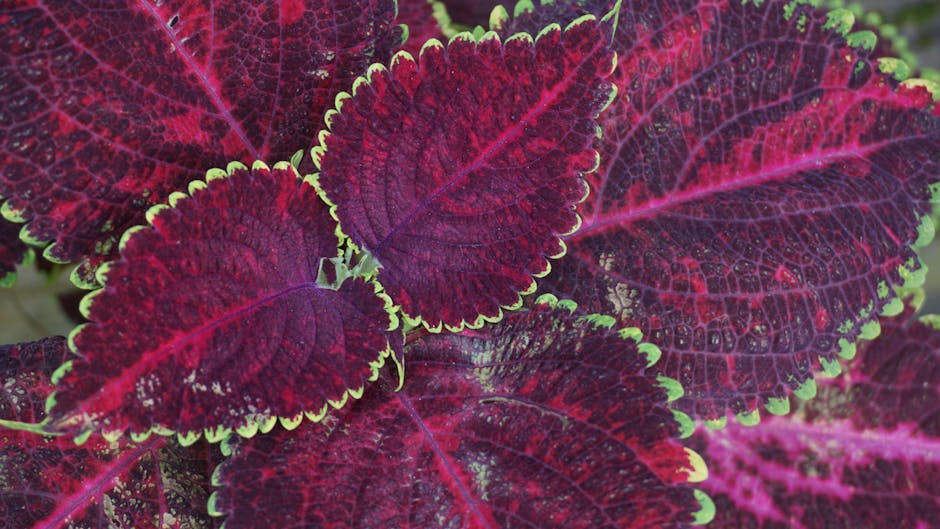
Coleus, with its vibrant and diverse foliage, has captured the hearts of plant enthusiasts and casual gardeners alike. This easy-care plant not only brightens up indoor spaces but can also add splashes of color to outdoor gardens during the warmer months. Often admired for its striking leaf patterns and hues that range from deep burgundy to bright chartreuse, the Coleus (Solenostemon) has become a staple in both homes and landscape designs. With the right care, Coleus can flourish, providing a stunning visual feast year-round.
In this comprehensive care guide, we will delve into the various aspects of nurturing your Coleus, from understanding its light needs to ensuring it thrives with the appropriate watering and humidity levels. Whether you are new to plant care or a seasoned horticulturist, this guide aims to equip you with the knowledge needed to maintain the vibrant foliage that makes Coleus so appealing.
Coleus is not only a delightful houseplant, but it also serves as an excellent choice for outdoor gardens in warmer climates. Its adaptability and ease of care make it an ideal candidate for anyone looking to add a touch of color to their plant collection. As we explore this guide, you’ll discover how to keep your Coleus healthy and thriving, ensuring that its brilliant colors remain captivating throughout its life cycle.
Getting to Know Your Plant
To fully appreciate the beauty of Coleus, it’s essential to understand its origins and characteristics. Native to tropical regions of Africa and Asia, the Coleus is a member of the mint family, Lamiaceae. This plant is known for its foliage rather than its flowers, which often take a backseat to the stunning leaf colors. The leaves can exhibit a wide array of patterns, including variegated designs and various shapes, making each variety unique.
Coleus thrives in a variety of environments, but it particularly enjoys bright, indirect light. While it can tolerate partial direct sunlight, too much exposure can scorch its delicate leaves. Understanding these nuances will help you provide the best conditions for your Coleus, ensuring it remains healthy and vibrant.
Light Requirements
Light is one of the most crucial factors in maintaining the health and vibrancy of your Coleus. These plants prefer bright, indirect light, which allows their colorful foliage to thrive without the risk of sunburn. Placing your Coleus near a window that receives filtered sunlight is ideal, as this setup mimics its natural habitat in the understory of tropical forests.
While some varieties of Coleus can tolerate partial direct sunlight, it is essential to monitor their response to ensure that the leaves do not begin to wilt or discolor. If you notice any signs of stress, it may be time to move your plant to a location with less direct exposure. Conversely, if your Coleus appears leggy or its colors are fading, it might be a sign that it requires more light.
Understanding how to balance light exposure is key to keeping your Coleus looking its best. When the seasons change, so too does the light available in your home. During the shorter days of winter, consider rotating your plant or using grow lights to supplement its light needs. This will help maintain the vibrant colors that are the hallmark of this beloved houseplant.
Watering Guidelines
Watering is another critical aspect of Coleus care. These plants enjoy consistently moist soil, but it is imperative to avoid overwatering, as this can lead to root rot. The general rule of thumb is to water your Coleus when the top inch of the soil feels dry to the touch. When you do water, make sure to do so thoroughly, allowing excess water to drain from the bottom of the pot. This not only ensures that the roots receive ample moisture but also prevents water from pooling in the pot, which can create a breeding ground for fungi and pests.
During the warmer months when your Coleus is actively growing, you may find that it requires more frequent watering. Conversely, in the cooler months, you can reduce the frequency as the plant’s growth slows down. Always keep an eye on the leaves; if they begin to droop or curl, it could be a sign that your plant is either thirsty or overwatered.
Humidity is also a factor to consider when watering your Coleus. These tropical plants thrive in moderate humidity levels, ideally between 40-50%. If your home is particularly dry, especially during winter months when heating systems are in use, you might want to consider misting your plant or placing a humidifier nearby. This added moisture can help your Coleus maintain its lush, vibrant foliage.
Soil and Potting Requirements
Choosing the right soil is vital for the health of your Coleus. A well-draining, organic-rich potting mix is ideal, as it allows for proper aeration and moisture retention. You can create your own mix by combining standard potting soil with perlite or vermiculite to enhance drainage. This will help prevent water from accumulating around the roots, which can lead to rot.
When it comes to potting, select a container with drainage holes to ensure that excess water can escape. Repotting is often necessary as your Coleus grows, typically every year or two, to refresh the soil and provide ample room for root expansion. When repotting, gently remove the plant from its current pot, taking care not to damage the roots, and place it in a slightly larger container filled with fresh potting mix.
As you pot your Coleus, consider the aesthetic appeal as well. With their stunning foliage, these plants can be a focal point in your home or garden. Choose pots that complement their vibrant colors, allowing your Coleus to shine as the centerpiece of your plant collection.
Temperature and Humidity
The ideal temperature range for Coleus is between 65-75°F (18-24°C). These plants are sensitive to extreme temperature fluctuations, and they do not fare well in cold drafts or overly hot environments. If you notice that the temperature in your home drops significantly, especially during winter, ensure that your Coleus is kept away from drafty windows and doors.
Humidity plays an equally important role in maintaining the health of your Coleus. These tropical plants thrive in moderate humidity, so if the air in your home is particularly dry, consider increasing humidity levels through misting or using a pebble tray filled with water beneath the pot. This will create a microenvironment that mimics their native habitat, allowing your Coleus to flourish.
For those who live in regions with high humidity, Coleus can thrive outdoors during the warmer months, provided they are protected from harsh sunlight. If you choose to move your plant outside, gradually acclimate it to the new environment to prevent shock. Keep an eye on the weather, as sudden temperature drops can be detrimental to your plant’s health.
Fertilizing Schedule
Feeding your Coleus regularly during the growing season is essential for maintaining its vibrant colors and overall health. A balanced, water-soluble fertilizer diluted to half strength is a good choice for these plants. Apply the fertilizer every four to six weeks from spring through late summer, when your Coleus is actively growing.
During the fall and winter months, as growth slows, you can reduce or even eliminate fertilization. Over-fertilizing can lead to lush foliage at the expense of color vibrancy, so it’s important to find the right balance. Observing your plant’s growth patterns can help you adjust your fertilizing schedule to meet its specific needs.
Remember that the nutritional requirements of your Coleus can change based on its environment and growth stage. If you notice that your plant seems to be losing its vibrant color or becoming leggy, it might be time to reassess your fertilizing routine and ensure that it is receiving the nutrients it needs.
Propagation Methods
One of the most rewarding aspects of growing Coleus is the ease of propagation. If you wish to multiply your collection, this plant can be easily propagated from stem cuttings. To do so, select a healthy stem from your existing plant and cut it just below a node. Place the cutting in water or directly into a pot filled with moist potting mix.
If you choose to propagate in water, ensure that the node is submerged while allowing the leaves to remain above the waterline. Within about two weeks, you should see roots developing. Once the roots are a few inches long, you can transplant the cutting into soil. If you opt for soil propagation, keep the cutting moist and in a location with bright, indirect light until it establishes roots.
Propagation not only allows you to expand your plant collection but also gives you the opportunity to explore different varieties of Coleus. As you experiment with different colors and patterns, you can create a stunning display that showcases the incredible diversity of this beloved plant.
Common Problems and Solutions
Despite its ease of care, Coleus can encounter a few common issues that may require attention. One of the primary challenges is leaf discoloration, which often occurs due to inadequate light. If your Coleus is losing its vibrant colors or developing brown edges, it may need more light exposure. Adjusting its placement or using supplemental lighting can help revive its color.
Pest infestations can also pose a threat to your Coleus. Aphids, spider mites, and mealybugs are a few common pests that may target your plant. Regularly inspecting your Coleus for signs of pests and promptly addressing any infestations will help keep your plant healthy. A gentle rinse with water or an insecticidal soap can be effective in managing these pests.
Another issue to be mindful of is overwatering, which can lead to root rot. If you notice yellowing leaves or a wilting plant despite consistent watering, it may be time to reassess your watering schedule. Allow the soil to dry out slightly between waterings to maintain a healthy balance.
Seasonal Care Adjustments
As seasons change, so do the care requirements for your Coleus. During the growing season in spring and summer, your plant will require more frequent watering, fertilizing, and potentially even more light. Pay attention to its growth patterns and adjust your care routine accordingly.
When fall arrives, consider reducing watering and fertilization as the plant’s growth slows. Additionally, if you have been growing your Coleus outdoors, it may be time to bring it indoors before the first frost. Acclimate your plant gradually to the indoor environment to prevent shock.
In winter, maintain a consistent temperature and humidity level for your Coleus. Keep it away from drafts and heating vents, as these can cause stress. Continue to monitor the soil moisture, ensuring that it remains slightly moist but never waterlogged.
By understanding the seasonal care adjustments necessary for your Coleus, you can ensure its health and vibrancy throughout the year. With a little attention and care, your Coleus will continue to thrive, adding a burst of color to your home or garden for years to come.
In conclusion, caring for your Coleus can be a fulfilling experience, bringing joy and beauty to your living space. With the right light, watering, and attention to temperature and humidity, you can maintain this colorful plant in all its glory. By following the guidelines laid out in this comprehensive care guide, you are well on your way to nurturing a healthy and vibrant Coleus that will delight you and your visitors alike.
Safety Note: Coleus contains compounds that are toxic to cats, dogs, and humans if ingested. Keep plants out of reach of curious pets and small children. Contact a veterinarian or poison control center if ingestion occurs.
Frequently Asked Questions
How do I keep my Coleus colorful? ▼
Provide bright, indirect light and pinch flower spikes to maintain vibrant foliage colors. Some varieties need direct sun for best color.
Should I pinch Coleus flowers? ▼
Yes, pinch off flower spikes as they appear to keep energy focused on colorful foliage rather than flowering.
Can Coleus grow indoors year-round? ▼
Yes, Coleus makes excellent houseplants and can grow indoors year-round with proper light and care.
Is Coleus safe for pets? ▼
No, Coleus is toxic to cats and dogs if ingested. Keep out of reach of pets and children.
How do I propagate Coleus? ▼
Coleus propagates easily from stem cuttings in water or soil. Cuttings root quickly, usually within 2 weeks.
Explore Related Topics
Was this guide helpful?
Your input helps us improve our guides.
How can we improve this guide?
Similar Plants You Might Like

Aglaonema Silver Bay Care Guide: Complete Instructions for Chinese Evergreen Beauty
Learn how to care for Aglaonema Silver Bay with our comprehensive guide covering light, watering, humidity, and maintaining stunning silver variegation in this easy-care houseplant.
Easy
Aloe Vera Care Guide: Complete Instructions for Aloe Barbadensis Miller
Learn how to care for Aloe Vera plants with our comprehensive guide covering light, watering, harvesting gel, and propagating pups for healthy growth.
Easy
Begonia Care Guide: Complete Instructions for All Types
Learn comprehensive Begonia care including different types, flowering tips, humidity requirements, and propagation for these colorful flowering houseplants.
Moderate