
Kitchen Plants Collection: Best Culinary Herbs and Food-Safe Plants for Kitchen Growing
Discover the best plants for kitchens including culinary herbs, air-purifying plants, and food-safe varieties that thrive in kitchen conditions while enhancing cooking.
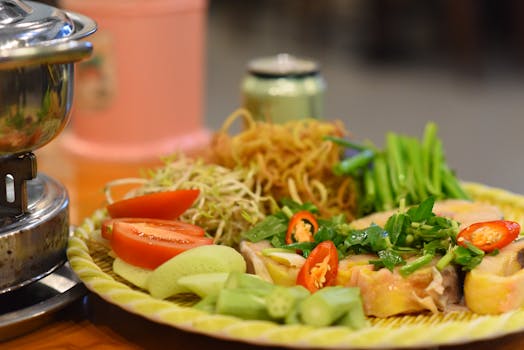
The heart of any home often lies in the kitchen, a space where flavors meld and memories are created. Imagine stepping into your kitchen and being greeted by vibrant plants that not only beautify the space but also serve a purpose in your culinary adventures. Kitchen plants, especially culinary herbs and food-safe varieties, have the unique ability to transform your cooking experience, bringing fresh, aromatic elements right at your fingertips. These plants not only enhance the flavor of your dishes but also contribute to a healthier environment by purifying the air within your home.
Cultivating a collection of kitchen plants creates a delightful synergy between nature and culinary creativity. Whether you are a seasoned chef or just starting your journey in the kitchen, having fresh herbs and plants can elevate your meals to new heights. From the invigorating scent of basil to the soothing presence of a peace lily, the right plants can inspire you to explore new recipes, foster a sense of well-being, and even improve your kitchen’s aesthetic appeal. In this article, we will explore some of the best culinary herbs and food-safe plants that thrive in kitchen conditions, providing you with the knowledge you need to cultivate your own kitchen oasis.
Why Choose These Plants
Choosing the right plants for your kitchen is more than just a matter of aesthetics; it’s about bringing life into a space where nourishment is created. Culinary herbs are particularly special because they offer a direct connection to the food you prepare and consume. Imagine snipping fresh thyme or rosemary from your windowsill to enhance a roasted dish or adding a handful of cilantro to a vibrant salsa. These herbs are not only flavorful but also packed with nutrients, adding a healthy boost to your meals while reducing your reliance on pre-packaged, processed ingredients.
Moreover, many kitchen plants serve a dual purpose. For instance, several culinary herbs also possess air-purifying qualities, making them ideal companions in a space where food is prepared. Plants such as basil, mint, and oregano help to cleanse the air, providing a refreshing atmosphere as you cook. The act of nurturing these plants also brings a sense of tranquility and connection to nature, which can be especially beneficial in the bustling environment of the kitchen. By choosing to incorporate culinary herbs and food-safe plants into your kitchen, you are embracing a lifestyle that values health, sustainability, and creativity.
Top Picks for Your Home
When it comes to selecting the best plants for your kitchen, there are several standout options that thrive in indoor environments while enriching your cooking. Basil is often hailed as the quintessential culinary herb, beloved for its aromatic leaves that can elevate a variety of dishes, from pasta to salads. Its bright green foliage adds a pop of color to any kitchen, and with proper care, it can flourish in a sunny windowsill.
Another favorite is rosemary, an evergreen herb that not only boasts a distinctive flavor but also adds a lovely fragrance to your kitchen. It is versatile enough to complement roasted meats, vegetables, and even bread. Thyme, with its delicate leaves and earthy scent, is another essential herb that can be seamlessly incorporated into countless recipes.
For those interested in adding a touch of sweetness to their culinary endeavors, mint is an excellent choice. Its refreshing aroma invigorates the senses and can be used in teas, salads, and desserts. On the other hand, cilantro, with its vibrant green leaves, is a staple in many cuisines, particularly in Latin and Asian dishes. Its unique flavor profile can brighten up salsas, curries, and salads alike.
Beyond culinary herbs, consider incorporating food-safe plants such as the spider plant or peace lily. While not directly used in cooking, these plants contribute to a healthier kitchen environment by purifying the air and improving indoor air quality. They are also easy to care for, making them perfect companions for the busy home cook.
Care Essentials
Caring for your kitchen plants is essential to ensure their health and productivity. Each type of plant has its own specific requirements, but there are some general guidelines that will help you create an ideal environment for your culinary herbs and food-safe plants. First and foremost, light is a crucial factor. Most herbs thrive in bright, indirect sunlight, so placing them near a south or west-facing window is ideal. However, be mindful of intense direct sunlight, which can scorch delicate leaves.
Watering practices also play a significant role in plant health. It’s essential to strike a balance between keeping the soil consistently moist and avoiding waterlogged conditions. A good rule of thumb is to water your herbs when the top inch of soil feels dry to the touch. Always ensure that your pots have drainage holes to prevent excess water from accumulating, as this can lead to root rot.
Fertilization is another key component of plant care. While culinary herbs generally do not require heavy feeding, a balanced liquid fertilizer every few weeks during the growing season can provide the necessary nutrients for robust growth. Additionally, regular pruning is essential for many herbs to encourage bushy growth and prevent them from becoming leggy. Snipping off the tops of the plants promotes new growth and allows you to enjoy fresh herbs in your cooking.
Lastly, monitor your plants for any signs of pests or diseases. Aphids and spider mites can sometimes become issues in indoor environments, but early detection and treatment can help keep your plants thriving. By dedicating a little time each week to care for your kitchen plants, you’ll be rewarded with a bountiful harvest and a lively kitchen atmosphere.
Common Challenges
While growing kitchen plants can be a rewarding experience, there are common challenges that many gardeners face. One of the most prevalent issues is the struggle to maintain the right balance of light. Insufficient lighting can lead to leggy growth or slow development, while too much direct sunlight can cause leaves to scorch. Understanding the specific lighting needs of your chosen herbs is crucial to their success.
Another challenge is pest management. Indoor plants can attract unwanted visitors like aphids, thrips, and spider mites, which can damage the leaves and hinder plant growth. Regularly inspecting your plants for signs of pests and employing organic treatments, such as insecticidal soap or neem oil, can help keep these nuisances at bay.
Overwatering is a common mistake among novice plant growers. Many people assume that more water equals healthier plants, but in reality, too much moisture can suffocate roots and promote fungal diseases. It is essential to learn the watering needs of each plant and adjust your routine accordingly. Conversely, underwatering can lead to wilting and stress, so finding the right balance is key.
Lastly, temperature fluctuations can affect your kitchen plants. Most culinary herbs prefer a stable environment, ideally between 65°F and 75°F (18°C to 24°C). Avoid placing your plants near drafts, heating vents, or air conditioning units, as these conditions can cause stress and hinder growth.
Styling Ideas
Once you have cultivated your kitchen plants, it’s time to think about how to style them to create an inviting and functional space. The arrangement of your plants can play a significant role in enhancing the overall aesthetic of your kitchen. Consider using a tiered plant stand to create visual interest, allowing you to display herbs of varying heights. This not only maximizes your space but also makes it easy to access your fresh ingredients.
Hanging planters can also add a unique touch to your kitchen. By suspending herbs like trailing mint or cascading cilantro from the ceiling or wall, you can create a whimsical and lush atmosphere. Additionally, consider using decorative pots that complement your kitchen’s color scheme and design. Terracotta pots offer a rustic charm, while ceramic or glass containers can bring a modern flair.
For those with limited counter space, using a windowsill herb garden is an excellent option. Choose a variety of small pots and group them together, creating a mini herb garden that is both functional and visually appealing. The natural light streaming through the window will help your herbs thrive while also brightening the space.
Incorporating your kitchen plants into your cooking routine can elevate both the style and functionality of your kitchen. Displaying your freshly harvested herbs on a beautiful cutting board or in a glass vase can create an inviting atmosphere, encouraging you to experiment with new recipes and flavors.
Getting Started
Embarking on your journey to cultivate a thriving kitchen garden is an exciting endeavor that can greatly enhance both your culinary skills and your overall enjoyment of the kitchen. Begin by selecting the herbs and plants that resonate with your cooking style and flavor preferences. Consider starting with easy-to-grow varieties like basil, mint, and rosemary, which can provide an immediate sense of accomplishment and satisfaction.
Once you have chosen your plants, gather the necessary supplies, including pots with adequate drainage, quality potting soil, and organic fertilizer. Set up your plants in a location that receives adequate light, and create a watering schedule that suits their needs. Remember, observing your plants closely will help you understand their requirements and allow you to adjust your care routine as needed.
As your plants begin to flourish, don’t hesitate to experiment with them in your cooking. The thrill of snipping fresh herbs and incorporating them into your dishes will not only enhance the flavor but also deepen your connection to the food you prepare. Share your culinary creations with family and friends, and inspire others to embrace the joys of growing their own kitchen plants.
In conclusion, cultivating a collection of kitchen plants, particularly culinary herbs and food-safe varieties, is a rewarding venture that enriches both your cooking and your living space. By understanding the care essentials, overcoming common challenges, and employing creative styling ideas, you can transform your kitchen into a vibrant sanctuary of growth and flavor. So, roll up your sleeves, embrace the joys of gardening, and watch your culinary dreams blossom right in your kitchen.
Safety Note: Always research the toxicity of plants before bringing them into homes with pets or small children.
Plants in this Collection
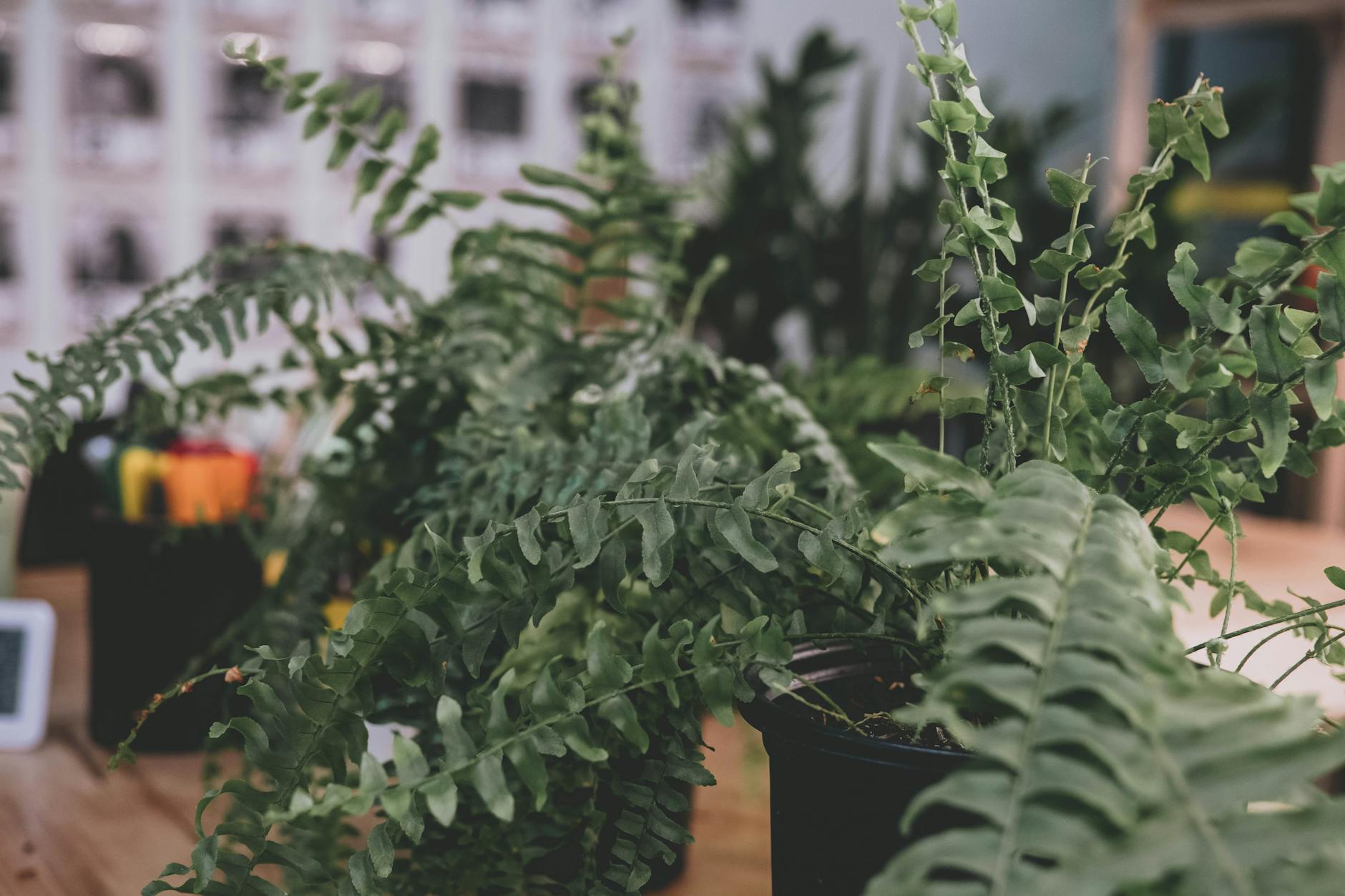
Boston Fern Care Guide: Complete Instructions for Nephrolepis Exaltata
Learn how to care for Boston Ferns with our comprehensive guide covering humidity, watering, light requirements, and maintaining lush, cascading fronds indoors.
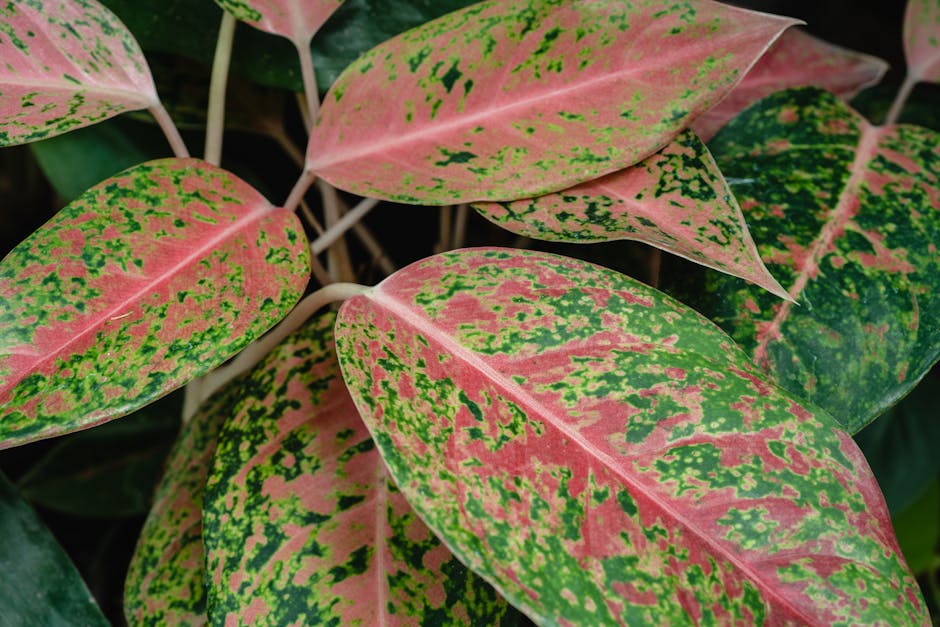
Chinese Evergreen Care Guide: Complete Aglaonema Instructions
Learn comprehensive Chinese Evergreen (Aglaonema) care including light tolerance, watering, colorful varieties, and troubleshooting for this adaptable houseplant.
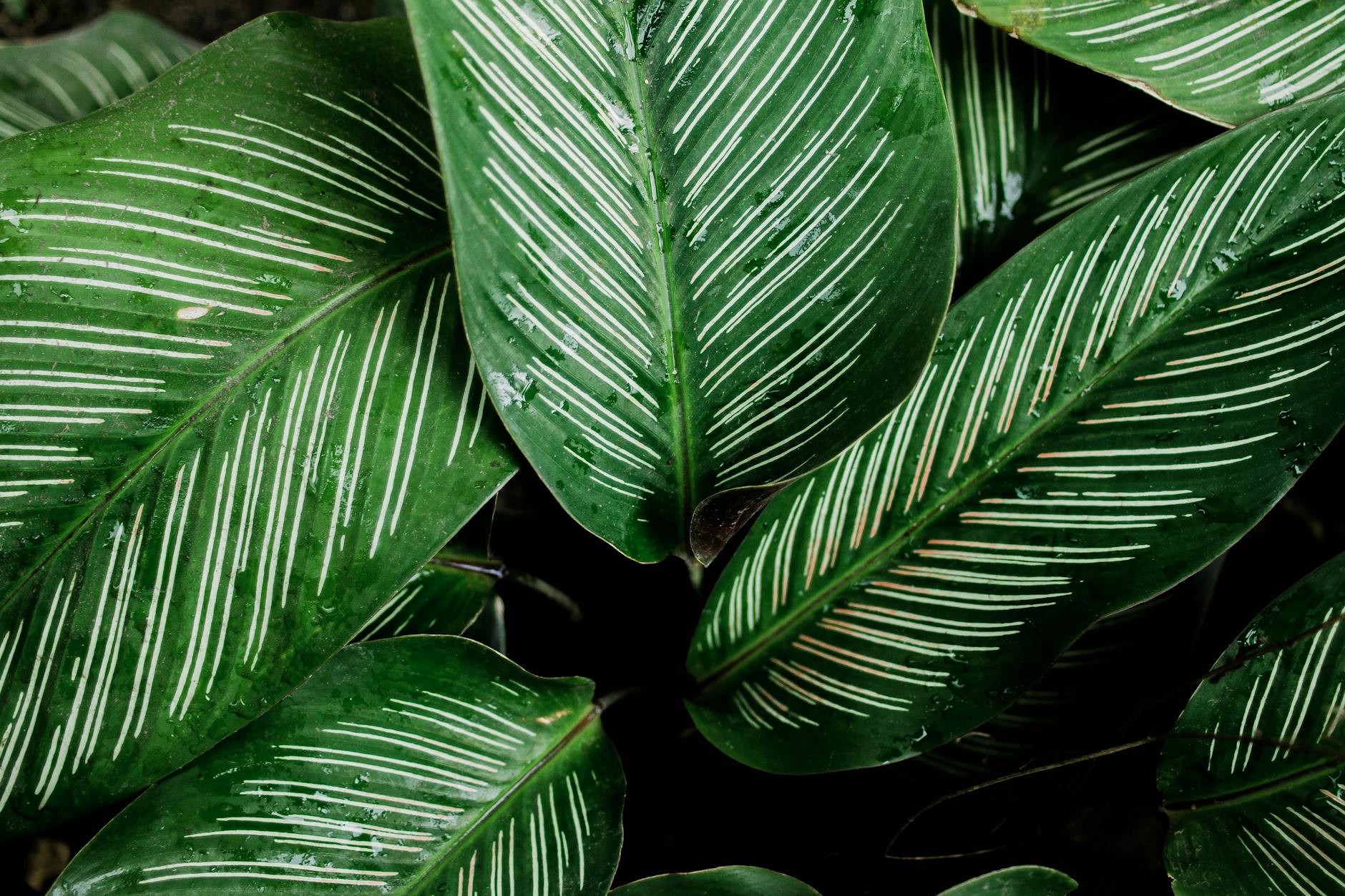
Calathea Care Guide: Complete Instructions for Prayer Plants
Learn how to care for Calathea plants with our comprehensive guide covering humidity, watering, light requirements, and maintaining beautiful patterned foliage.

Dracaena Marginata Care Guide: Complete Instructions for Dragon Tree
Learn how to care for Dracaena Marginata (Dragon Tree) with our comprehensive guide covering light, watering, pruning, and maintaining healthy growth indoors.
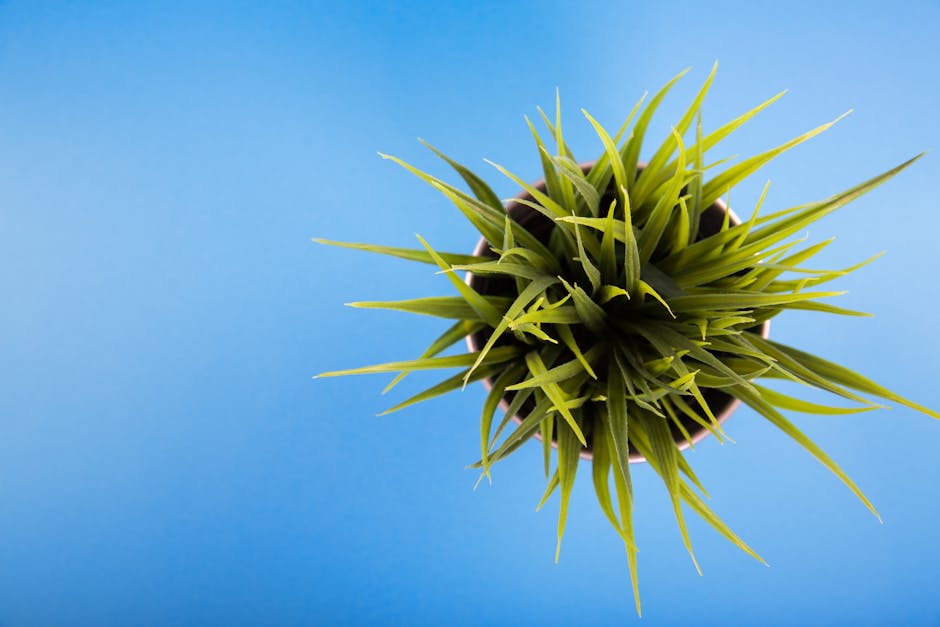
Dracaena Care Guide: Complete Dragon Tree Instructions
Learn comprehensive Dracaena care including watering, light, pruning, and varieties. Perfect guide for Dragon Tree, Corn Plant, and other Dracaena species.

English Ivy Care Guide: Complete Instructions for Hedera Helix
Learn how to care for English Ivy with our comprehensive guide covering light, watering, propagation, and maintaining healthy trailing growth indoors.