
Golden Pothos Care Guide: Complete Devil's Ivy Instructions
Learn comprehensive care for Golden Pothos (Epipremnum aureum) including watering, light, propagation, and troubleshooting for this popular trailing plant.
Quick Care Guide
Low to bright, indirect light
Water when top inch of soil is dry
Average household humidity (30-50%)
65-85°F (18-29°C)
Well-draining potting mix
Monthly during growing season
Keep away from cats, dogs, and children
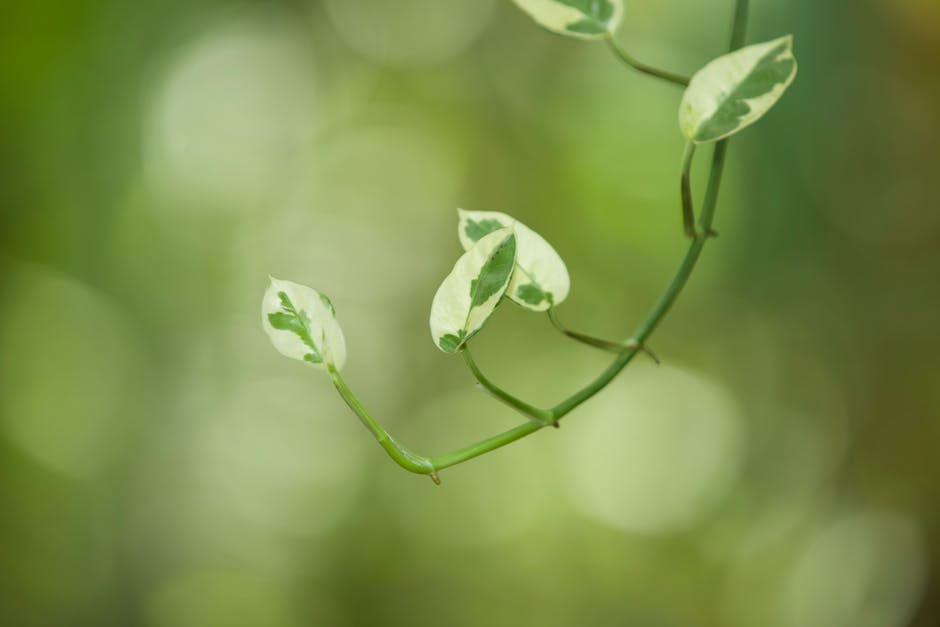
Golden Pothos, often referred to as Devil’s Ivy, is a beloved houseplant that has captured the hearts of plant enthusiasts and casual gardeners alike. Its vibrant, heart-shaped leaves, which display beautiful variegation of deep green and bright gold, are not only visually appealing but also incredibly easy to care for. This resilient plant is celebrated for its ability to thrive in various conditions, making it ideal for both novice and experienced plant parents. Whether you’re looking to add a touch of greenery to your home or seeking a low-maintenance companion for your workspace, Golden Pothos is a fantastic choice.
In addition to its aesthetic charm, the Golden Pothos serves a practical purpose as an air-purifying plant, helping to improve indoor air quality by filtering out toxins. With its forgiving nature, it can adapt to a range of light conditions, making it perfect for those spots in your home that may not receive direct sunlight. This comprehensive care guide will equip you with all the knowledge you need to cultivate a thriving Golden Pothos, from watering and light preferences to propagation techniques and troubleshooting common issues.
Let’s dive into the essential aspects of caring for your Golden Pothos, ensuring it remains a vibrant and healthy addition to your living space.
Getting to Know Your Plant
Golden Pothos is scientifically known as Epipremnum aureum, and it belongs to the Araceae family. This perennial vine is native to the Solomon Islands and is characterized by its trailing growth habit, making it a popular choice for hanging baskets and shelves. The glossy leaves can reach lengths of up to 8 inches and are adorned with striking golden-yellow variegation that can vary widely between individual plants. Its ability to thrive in a variety of conditions has made it a staple in homes, offices, and even in some landscaping projects.
One of the most appealing features of Golden Pothos is its resilience. It can tolerate a range of neglect, from sporadic watering to less-than-ideal lighting conditions, which is why it’s often recommended for beginners. Additionally, it has been recognized for its air-purifying capabilities, as it can effectively remove indoor pollutants such as formaldehyde, benzene, and xylene. This makes the Golden Pothos not just a beautiful decorative element but also a beneficial one for your environment.
Light Requirements
When it comes to light, Golden Pothos is remarkably adaptable. It can thrive in low to bright, indirect light, which contributes to its popularity among houseplant aficionados. While it can survive in dimly lit corners, the plant will flourish and display its vibrant variegation best when placed in bright, indirect sunlight. Direct sunlight can scorch the leaves, leading to unsightly brown patches, so it’s essential to find a balance. Ideally, a spot near a north or east-facing window is perfect, where it can receive filtered light without being subjected to harsh sunrays.
In situations where your Golden Pothos is not receiving adequate light, you may notice a decline in the vibrancy of its leaves. The beautiful golden markings may fade, and the plant may become leggy as it stretches toward the light source. If this occurs, consider relocating your plant to a brighter area of your home. However, remember that too much direct sunlight can be detrimental, so always ensure that the light is indirect. Adjusting the position of your Golden Pothos according to the seasons can also help maintain its health and vibrancy.
Watering Guidelines
Watering is one of the most crucial aspects of Golden Pothos care, and getting it right can make all the difference. This plant prefers to dry out slightly between waterings, so it’s best to check the soil moisture regularly. A good rule of thumb is to water your Golden Pothos when the top inch of soil feels dry to the touch. Typically, this translates to watering every 7 to 10 days, but factors such as temperature, humidity, and pot size can influence this frequency.
When watering, ensure that you provide enough water to allow it to drain freely from the bottom of the pot. This promotes healthy root growth and prevents the risk of root rot, which is a common issue with overwatering. If you notice yellowing leaves, it may be a sign of overwatering, while brown, crispy leaf tips can indicate underwatering. Striking the right balance is key to keeping your Golden Pothos healthy and thriving.
During the winter months, when the plant enters a period of dormancy, you may find that it requires less frequent watering. The cooler temperatures and lower light levels mean that the plant consumes less water, so adjusting your watering schedule accordingly will help you avoid any potential water-related issues.
Soil and Potting Requirements
The choice of soil is paramount for the health of your Golden Pothos. A well-draining potting mix is essential, as it allows excess moisture to escape while retaining enough water for the roots. A standard houseplant potting mix is often suitable, but you can enhance it with additional materials such as perlite or orchid bark to improve drainage and aeration. This is particularly important, as Golden Pothos is susceptible to root rot if left in soggy soil.
When potting your Golden Pothos, consider using a container with drainage holes to ensure that excess water can escape. The size of the pot also plays a role in the plant’s health; if you notice that your Pothos has outgrown its container, with roots emerging from the drainage holes or circling the bottom, it may be time to repot. Generally, repotting should be done every couple of years, or when the plant appears to be root-bound. When you do repot, select a pot that is slightly larger than the current one to allow room for growth.
If you’re looking to encourage a bushier appearance, you can also pinch back the stems during the growing season. This encourages the plant to produce more lateral growth, resulting in a fuller appearance. Always handle the plant gently during repotting to avoid damaging the roots, and give it a few weeks to adjust to its new home.
Temperature and Humidity
Golden Pothos thrives in average household temperatures, making it highly adaptable to indoor environments. The ideal temperature range for this plant is between 65 and 85°F (18 to 29°C). It’s important to keep your Pothos away from drafts, heating vents, or air conditioning units, as sudden temperature fluctuations can stress the plant and lead to leaf drop.
In terms of humidity, Golden Pothos is quite forgiving. It can tolerate average household humidity levels of 30 to 50 percent. However, if you want to promote lush growth and vibrant foliage, consider providing a bit of extra humidity. This can be achieved by misting the leaves occasionally, grouping your plants together, or placing a humidifier nearby. During the drier winter months, when indoor air can become particularly arid due to heating, you may want to be more attentive to the humidity levels.
If the leaves start to exhibit browning edges or tips, it may be a sign that the air is too dry. Increasing humidity can help alleviate this issue, leading to healthier foliage. On the other hand, if your Pothos is exposed to excessively high humidity levels, it can lead to fungal issues, so finding the right balance is key to ensuring your plant’s well-being.
Fertilizing Schedule
Fertilizing your Golden Pothos is an important part of its care regimen, especially during the growing season, which typically spans from spring to early fall. During this time, the plant benefits from monthly feeding with a balanced, water-soluble houseplant fertilizer diluted to half strength. This provides the essential nutrients needed for healthy growth and vibrant foliage.
As the plant enters its dormant phase in late fall and winter, it’s advisable to reduce or even cease fertilization altogether. This rest period allows the plant to conserve energy and prepare for the next growing season. When you resume fertilizing in spring, you may notice a surge in growth and a burst of new leaves.
While over-fertilization can lead to leaf burn and other issues, under-fertilization may result in slow growth and a lack of vibrancy. Keeping an eye on your plant’s health and adjusting your fertilizing schedule accordingly will help ensure that your Golden Pothos remains lush and vigorous throughout the year.
Propagation Methods
One of the most rewarding aspects of caring for Golden Pothos is the opportunity to propagate this beautiful plant. Propagation can be done easily through stem cuttings, which is not only a cost-effective way to expand your plant collection but also a great way to share your love for this green beauty with friends and family.
To propagate, simply take a cutting of about 4 to 6 inches in length, ensuring that it includes at least one node—the small bump on the stem where leaves emerge. This node is crucial, as it is where new roots will develop. Place the cutting in a glass of water, ensuring that the node is submerged while the leaves remain above the waterline. Within 1 to 2 weeks, you should see roots beginning to form, and when they reach about 2 inches long, you can transfer the cutting to soil.
Alternatively, Golden Pothos can also be propagated directly in soil. To do this, insert the cutting into a pot filled with moist potting mix, ensuring that the node is buried. Water lightly and keep the soil consistently moist while the cutting establishes itself. Whichever method you choose, ensure that the cutting is placed in a warm area with indirect light to encourage rooting and growth.
Propagation not only provides you with new plants but also allows you to rejuvenate your existing Pothos. If a stem becomes long and leggy, cutting it back can promote bushier growth and provide you with cuttings that can be propagated.
Common Problems and Solutions
Even though Golden Pothos is relatively low-maintenance, it can occasionally encounter issues that may require your attention. One of the most common problems is yellowing leaves, which can be caused by overwatering, underwatering, or insufficient light. If you notice yellowing, assess your watering routine and light conditions. Ensure that the plant is not sitting in soggy soil and adjust its location if necessary.
Another frequent concern is the loss of variegation in the leaves. This often indicates that your Pothos is not receiving enough light. If the golden markings begin to fade, consider moving your plant to a brighter spot with indirect sunlight. Conversely, if the leaves develop brown spots or crispy edges, it may be a sign of too much direct sunlight or low humidity.
Pests can also pose a threat to your Golden Pothos. Common culprits include spider mites, mealybugs, and scale insects. Regularly inspecting your plant for any signs of infestation can help you catch these issues early. If you do notice pests, you can often remove them by wiping the leaves with a damp cloth or spraying the plant with insecticidal soap. Keeping your Pothos healthy and stress-free through proper care will also help it resist potential pest problems.
Seasonal Care Adjustments
As the seasons change, so too do the care requirements for your Golden Pothos. During the spring and summer months, when the plant is actively growing, it will require more frequent watering and fertilization to support its growth. This is the ideal time to propagate cuttings and encourage bushier growth through pruning.
As fall approaches and temperatures begin to drop, you may notice a slowdown in growth. This is a natural part of the plant’s cycle, and you should adjust your watering and feeding schedule accordingly. Reduce watering frequency and discontinue fertilization, allowing the plant to rest for the winter.
In the colder months, it’s also a good idea to keep an eye on humidity levels, as indoor air can become dry due to heating. If necessary, increase humidity to help your Golden Pothos thrive during winter.
Understanding the seasonal adjustments needed for your Golden Pothos can help you maintain a healthy and vibrant plant throughout the year. By paying attention to the specific needs of your plant as the seasons change, you can ensure that it remains a stunning focal point in your home or office.
In conclusion, caring for a Golden Pothos is a rewarding experience that can bring a touch of nature into your life. With proper attention to light, watering, soil, temperature, humidity, fertilization, and seasonal adjustments, you can enjoy the beauty of this remarkable plant for years to come. Whether you’re a seasoned plant enthusiast or a beginner, the Golden Pothos stands ready to thrive under your care, offering both beauty and air-purifying benefits in return.
Safety Note: Golden Pothos contains compounds that are toxic to cats, dogs, and humans if ingested. Keep plants out of reach of curious pets and small children. Contact a veterinarian or poison control center if ingestion occurs.
Frequently Asked Questions
How often should I water my Golden Pothos? ▼
Water when the top inch of soil feels dry, typically every 7-10 days. Pothos prefer to dry out slightly between waterings.
Can Golden Pothos grow in low light? ▼
Yes, Golden Pothos tolerates low light better than most plants, though it grows faster and maintains better variegation in bright, indirect light.
How do I propagate Golden Pothos? ▼
Cut a 4-6 inch stem with at least one node and place in water. Roots develop in 1-2 weeks, then plant in soil when roots are 2 inches long.
Is Golden Pothos toxic to pets? ▼
Yes, Golden Pothos is toxic to cats and dogs if ingested. It contains calcium oxalate crystals that can cause mouth irritation and digestive upset.
Why is my Golden Pothos losing its variegation? ▼
Loss of variegation usually indicates insufficient light. Move to a brighter location with indirect light to restore the golden markings.
Was this guide helpful?
Your input helps us improve our guides.
How can we improve this guide?
Similar Plants You Might Like

Aglaonema Silver Bay Care Guide: Complete Instructions for Chinese Evergreen Beauty
Learn how to care for Aglaonema Silver Bay with our comprehensive guide covering light, watering, humidity, and maintaining stunning silver variegation in this easy-care houseplant.
Easy
Aloe Vera Care Guide: Complete Instructions for Aloe Barbadensis Miller
Learn how to care for Aloe Vera plants with our comprehensive guide covering light, watering, harvesting gel, and propagating pups for healthy growth.
Easy
Boston Fern Care Guide: Complete Instructions for Nephrolepis Exaltata
Learn how to care for Boston Ferns with our comprehensive guide covering humidity, watering, light requirements, and maintaining lush, cascading fronds indoors.
Moderate