
Collection
Easy Houseplants: What Each One Forgives, and the Mistake It Won't
All 28 plants rated Easy on their care pages, sorted by the light they need, with the one mistake that still kills each: usually soil that never dries.
- easy care
- beginner plants
- low maintenance
- houseplants
- resilient plants
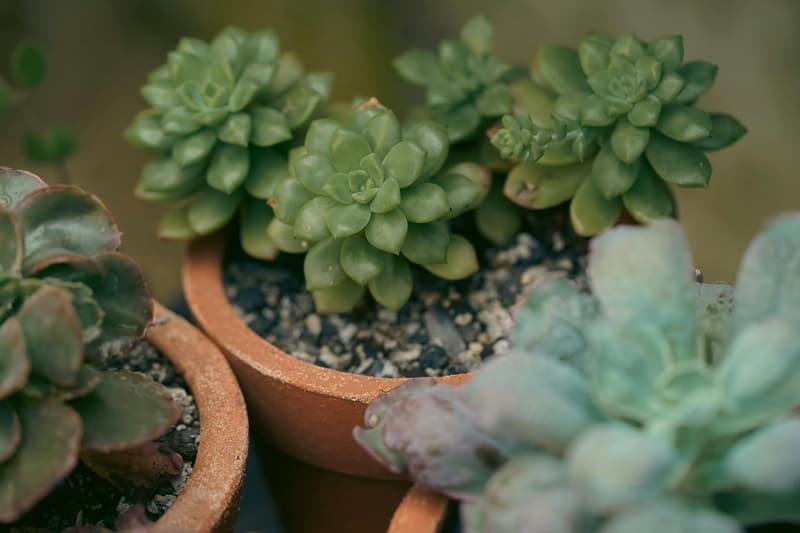
These are the 28 plants rated Easy on their care cards. Each one forgives at least one of the two things beginners get wrong most: forgetting to water, and putting the plant somewhere darker than it wants. None of them forgives everything. For most, the mistake that still kills them is the same: soil that stays wet. Find your light below first, then pick the plant whose weak spot your habits are least likely to hit.
The groups follow the light each care page asks for. Use the hand-shadow test in the light requirements guide to tell which group your spot is in.
Low light: no clear shadow at midday
These survive a dim spot. They grow slowly there and use little water, so the mix stays wet longer.
| Plant | Water when | The mistake that still kills it | Pets |
|---|---|---|---|
| Golden pothos | Top third is dry | A pot that stays wet for weeks; cold near freezing | Toxic |
| Heartleaf philodendron | Top of the mix has dried | Overly wet mix, which leads to root rot | Toxic |
| Snake plant | Dry throughout | Watering before it is dry, above all in winter (every 1-2 months is enough) | Toxic |
| ZZ plant | Dry throughout | Watering on a schedule; the rhizomes rot | Toxic |
| Parlor palm | Top 2-3 cm is dry | Overwatering, often after moving it into a much bigger pot | Non-toxic |
| Dracaena | Top 2-3 cm is dry | Frequent watering in slow-draining soil (root rot) | Toxic |
| Dracaena marginata | Top half is dry | A pot far bigger than the roots, which stays wet | Toxic |
| Aglaonema ‘Silver Bay’ | Top 2-3 cm is dry | Cold below 55°F (13°C), e.g. a winter windowsill | Toxic |
| Chinese evergreen | Top 2-3 cm is dry | Cold: some cultivars scar after 24 hours at 55°F (13°C); pink and red types fade in dim light | Toxic |
NC State notes that pothos “survives for long periods in low light” (NC State Extension); UF/IFAS documents the Aglaonema chilling injury (UF/IFAS EDIS) and says a ZZ can survive 3 to 4 months without water (UF/IFAS EDIS).
Medium light: a faint shadow
| Plant | Water when | The mistake that still kills it | Pets |
|---|---|---|---|
| Pothos | Top third is dry | Putting a white cultivar (Marble Queen, N’Joy) in a dim room, where it stalls; wet mix | Toxic |
| Peace lily | Top 2-3 cm is dry | Cold below 60°F (16°C); repeated full wilts also leave brown tips | Toxic |
| Peperomia | Top few cm almost dry | Watering it like a fern; nearly every dead one was overwatered | Non-toxic |
| Spider plant | Top 2-3 cm is dry | Little kills it; brown tips come mostly from fluoride in tap water | Non-toxic |
| Dieffenbachia | Top 2-3 cm is dry | Overwatering, which rots the roots and cane base quickly | Toxic |
Dieffenbachia is easy to keep alive but has the most irritating sap of common houseplants; wear gloves and keep it away from children and pets.
Bright indirect: a soft, clear shadow, little or no direct sun
| Plant | Water when | The mistake that still kills it | Pets |
|---|---|---|---|
| Neon pothos | Top third is dry | Wet mix; a dim room dulls the chartreuse to dark green | Toxic |
| Philodendron Brasil | Top of the mix has dried | Wet mix; low light and unpruned green stems lose the stripe | Toxic |
| Monstera adansonii | Top quarter is dry | Drying out fully or sitting by a radiator; thin leaves crisp | Toxic |
| Syngonium | Lightly moist, never waterlogged | Waterlogged mix (soft rot); full sun bleaches it | Toxic |
| Pilea | Top 2-3 cm is dry | A pot too large that stays wet (root rot) | Non-toxic |
| Schefflera | Top few cm dry, then soak | Soil too wet or too dry, both of which drop leaves; a dim spot makes it leggy | Toxic |
| Christmas cactus | Top 2-3 cm is dry | Being treated as a desert cactus, or left sitting in water | Non-toxic |
| Coleus | Keep evenly moist | Frost or cold drafts; poor drainage rots the stems | Toxic |
| Tradescantia | Top 2-3 cm is dry | Soggy soil, which rots stems at the soil line | Toxic |
| Wandering dude | Top 2-3 cm is dry | Soggy soil; without a spring cut-back the crown goes bald | Toxic |
| String of hearts | Soil dry right through | Overwatering; it is easily killed that way | Not rated |
| Sansevieria cylindrica | Dry throughout | Cold and wet soil together; bring it in below 55°F (13°C) | Toxic |
Wisconsin Extension says string of hearts “is easily killed by overwatering” (UW-Madison Extension). Its care page explains why it isn’t marked pet-safe.
Direct sun: four or more hours
| Plant | Water when | The mistake that still kills it | Pets |
|---|---|---|---|
| Aloe vera | Pot fully dry | Wet soil, a saucer of standing water, and too little light | Toxic |
| Jade plant | Soil dry; much less from fall to winter | Summer-rate watering through autumn and winter | Toxic |
Pick by the way you’ll actually treat it
- You will forget to water. Snake plant or ZZ in a dim room; aloe, jade or Sansevieria cylindrica in a bright one. All store water. String of hearts also rides out a missed watering on its tubers.
- You will water too often. Avoid the water-storers above and peperomia. A pothos or peace lily droops visibly when it is actually thirsty, which trains you out of watering on reflex.
- You have a cat or dog. Parlor palm for a dim spot, spider plant or peperomia for medium light, pilea or Christmas cactus for bright. The pothos-type vines are the usual beginner recommendation, but they are all toxic. For more choices, see pet-safe plants.
- Your home is cold in winter. Skip Aglaonema, Chinese evergreen, peace lily and the cylindrical snake plant unless nights stay above 55-60°F (13-16°C). Aloe (nights above 50°F, 10°C) and Christmas cactus, which sets buds with cool autumn nights, handle cooler rooms better.
The one check that prevents most deaths
Before every watering:
- Push a finger, or for a deep pot a wooden skewer, into the mix.
- Compare it with the “water when” column above. The first knuckle of a finger is about 2-3 cm; for “top third”, “top half” or “dry throughout”, use the skewer.
- If it is still damp at that depth, wait and check again in a few days.
- When you water, water until it runs out of the drainage hole, then empty the saucer.
A pot without a drainage hole defeats all four steps. If leaves are yellowing and the soil smells sour, read the overwatering guide before you add any more water. For when, how much and with what water, see watering 101.
“Tolerates low light” means it survives there, not that it grows well. A plant in a dark corner uses so little water that the mix stays wet, so low light and overwatering often kill together. And move up only one pot size at a time: a much larger pot holds water the roots can’t reach.
Frequently asked questions
What is the hardest houseplant to kill?
Golden pothos, heartleaf philodendron, snake plant and ZZ plant come closest. All four survive long spells of low light, and the snake plant and ZZ store enough water to go weeks without it. What still kills them is a pot that stays wet for weeks.
Why do easy houseplants still die?
Mostly from too much water, not too little. Many plants on this list store water in leaves, stems, rhizomes or tubers, so a missed watering does little harm while soil that never dries rots the roots. Cold is the other killer: Aglaonema is damaged below about 55°F (13°C) and peace lily below 60°F (16°C).
Which easy houseplants are safe for cats and dogs?
Five of the 28 are non-toxic according to the ASPCA: Christmas cactus, parlor palm, peperomia, pilea and spider plant. String of hearts has no ASPCA entry, so it isn't confirmed safe. The rest, including every pothos, philodendron, dracaena and snake plant here, are toxic.
Which easy plant should I buy for a dark room?
One from the low-light group: golden pothos, heartleaf philodendron, snake plant, ZZ, parlor palm, a dracaena or a green Aglaonema. They survive there but grow slowly and use little water, so check the soil before every watering.
Should beginners water on a fixed schedule?
No. Check the soil instead: push a finger or a wooden skewer into the mix and water only when it is dry to the depth the plant's care page gives. The same plant can need water weekly in a bright summer room and monthly in a cool winter one.
Plants in this collection
28 plants that are rated Easy on their care card.
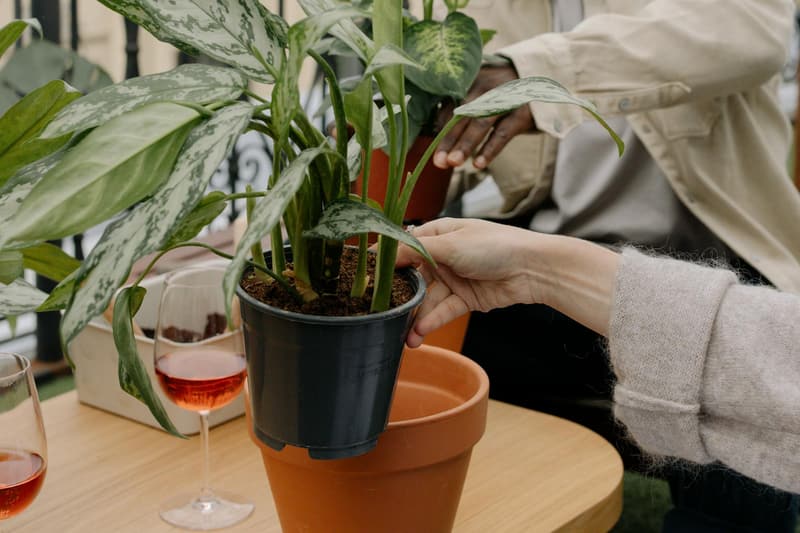
Aglaonema 'Silver Bay' Care
'Silver Bay' suckers heavily and takes lower light than most Aglaonema. Placement, dividing the clump, and the leaf details that separate it from 'Silver Queen'.
Care guide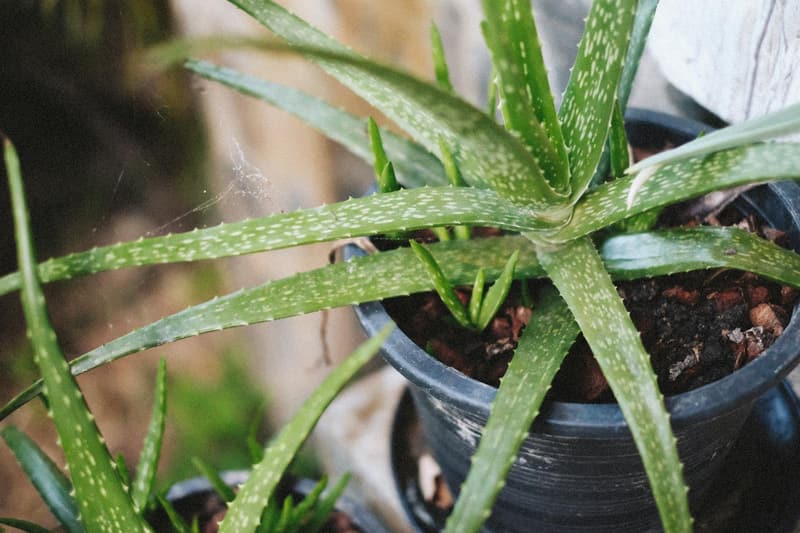
Aloe Vera Care
Red or bronze aloe leaves in strong sun are stress colour, not decline. Telling that apart from rot, firming up floppy stretched leaves and potting up the pups.
Care guide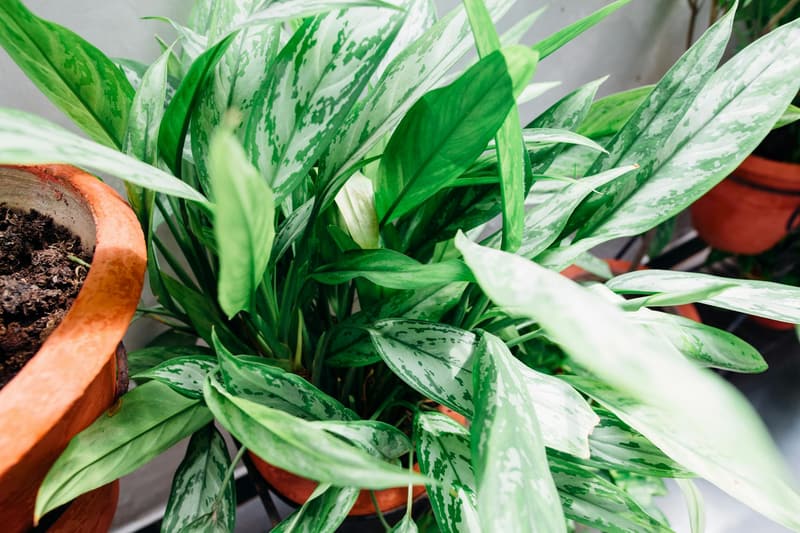
Chinese Evergreen Care
Green and silver Aglaonema cope with a dim corner; pink and red hybrids need more light. Below 55°F (13°C), some cultivars scar within a week.
Care guide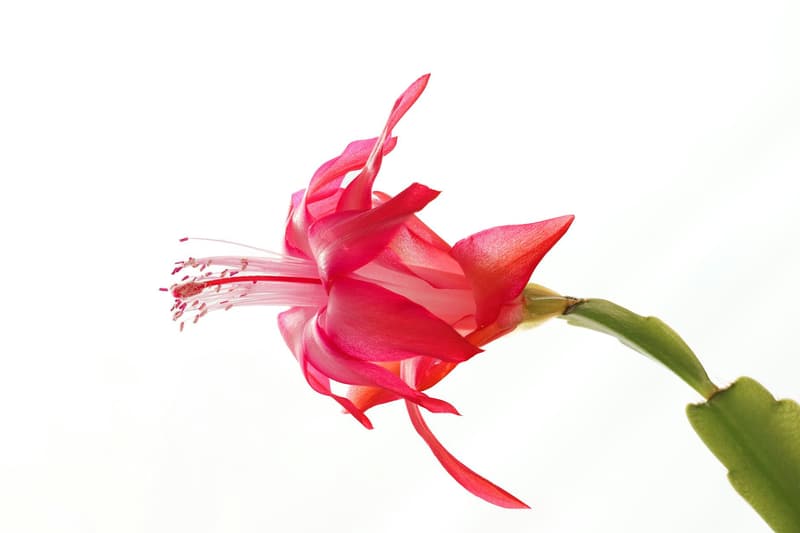
Christmas Cactus Care
Six to eight weeks of 13-hour nights or cool 50-55°F evenings sets Christmas cactus buds. Timing, what makes buds drop, and how to tell it from Thanksgiving cactus.
Care guide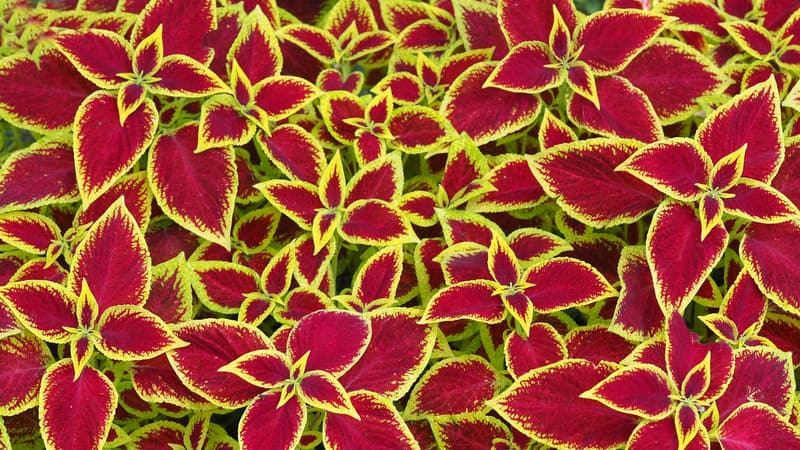
Coleus Care
Coleus dies at the first frost outside, but a jar of cuttings on a windowsill keeps it for years. Pinching flowers, matching light to leaf colour, and pet safety.
Care guide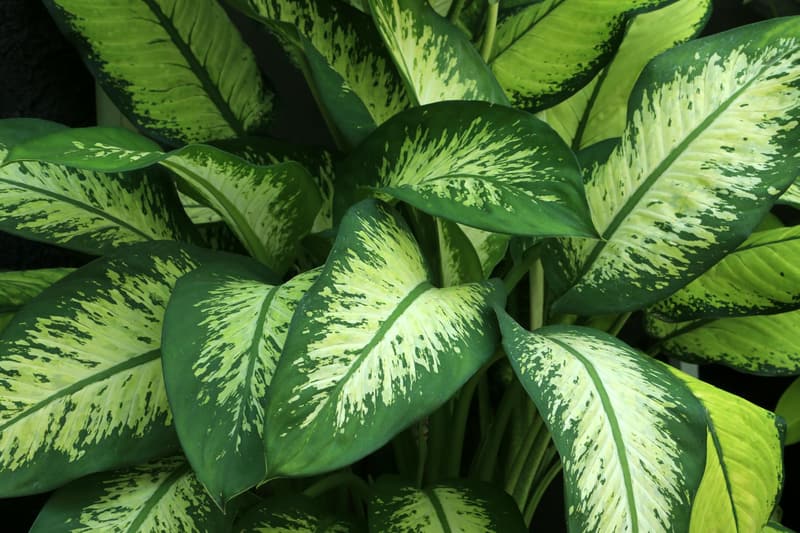
Dieffenbachia Care
Chewing a dumb cane leaf drives needle-like crystals into the mouth and throat. Safe handling, plus how to cut a bare cane back and grow three plants from it.
Care guide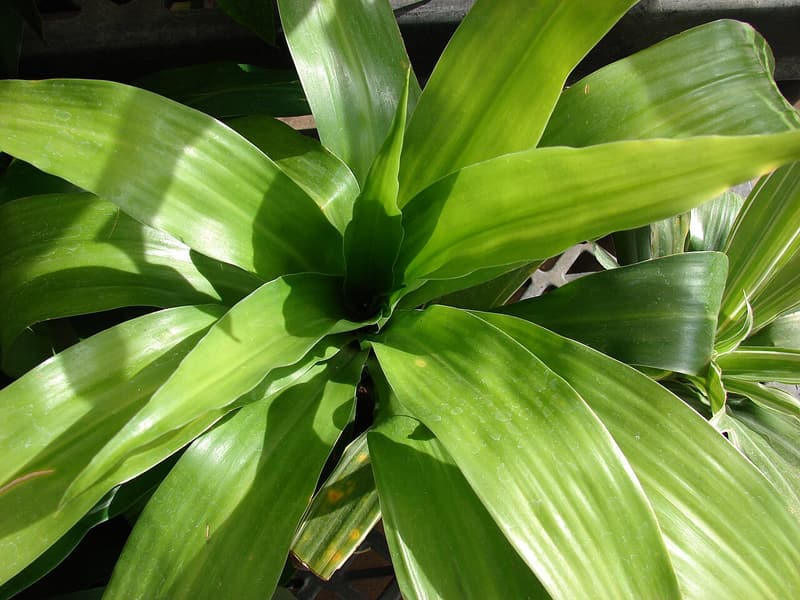
Dracaena Care
Corn plant, 'Janet Craig' and 'Warneckii' are all Dracaena fragrans, and all are sensitive to fluoride. Which brown tips are fluoride, and how to cut a cane.
Care guide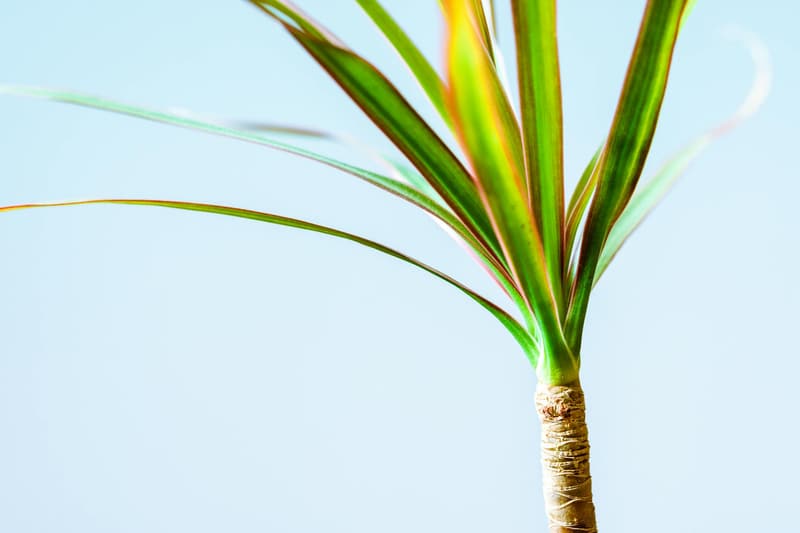
Dracaena Marginata Care
Cut a dragon tree stem and two or more branches usually sprout below the cut. Where to cut, how to stagger heights, and why the narrow leaves brown at the tips.
Care guide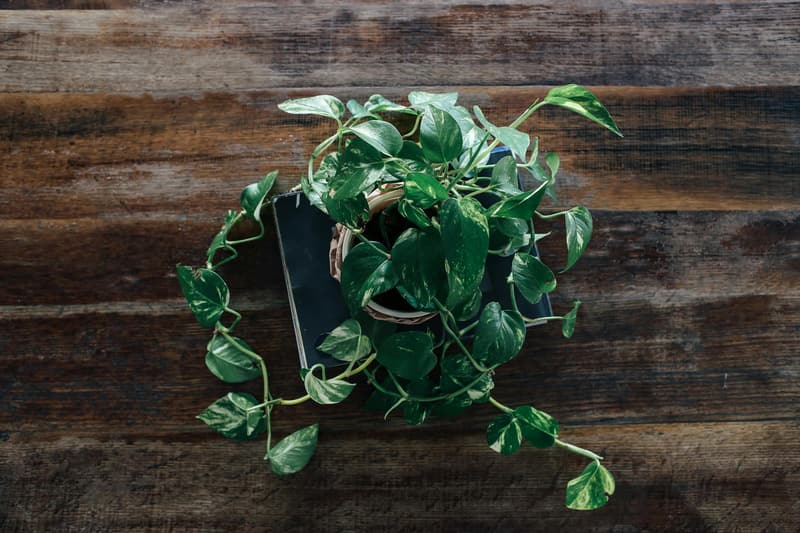
Golden Pothos Care
Gold streaks fading to plain green? On Golden pothos that is usually light, not reversion. How to tell, and how a moss pole turns palm-sized leaves into giant ones.
Care guide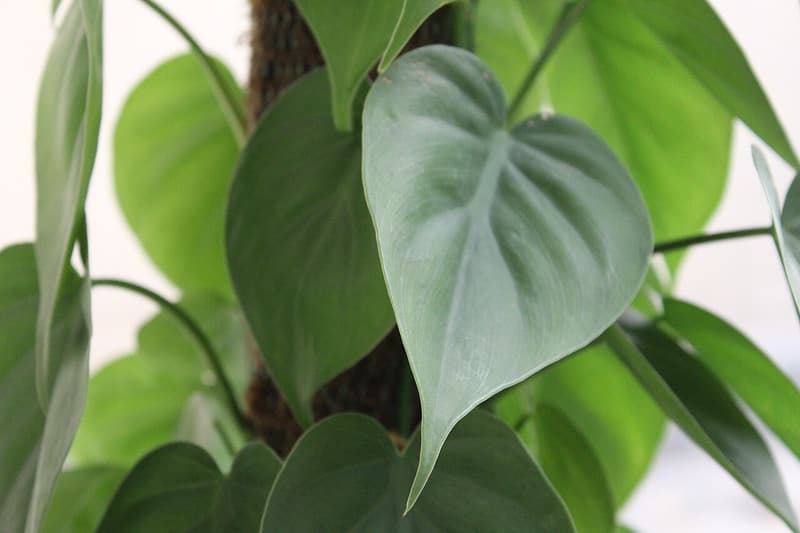
Heartleaf Philodendron Care
Heartleaf philodendron survives dim rooms better than most vines, but dim light makes it leggy. Where to cut, how to root the pieces, and how to tell it from pothos.
Care guide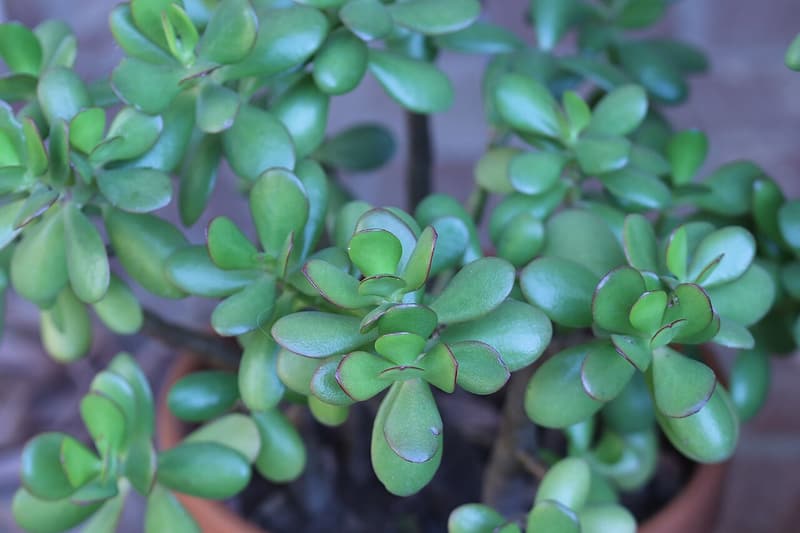
Jade Plant Care
Wrinkled jade leaves mean thirst; soft, yellow ones mean rot. Tell them apart, prune a leggy jade into a tree, and choose leaf or stem cuttings.
Care guide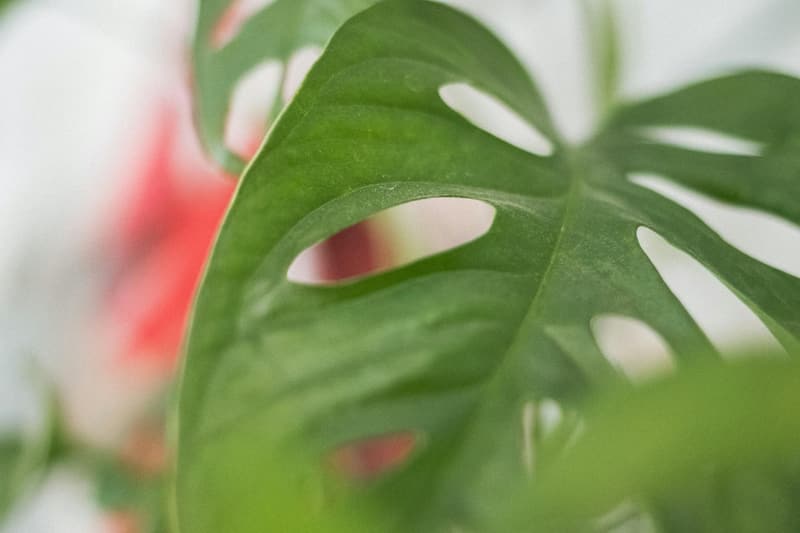
Monstera Adansonii Care
Unlike its big cousin, Monstera adansonii has holes even on small leaves. The real problems are bare stems, crispy thin leaves and mites. A fix for each.
Care guide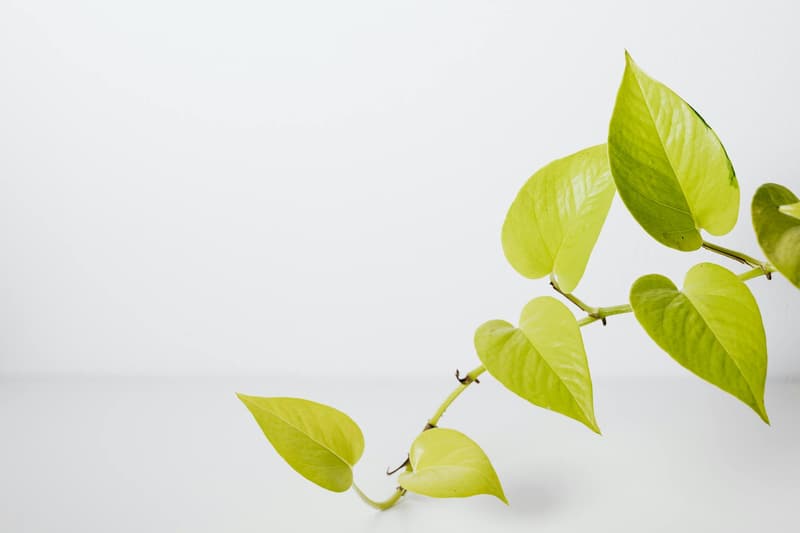
Neon Pothos Care
Neon pothos has no variegation to lose, but its colour still tracks light: dim rooms dull it, hot sun bleaches it. Placement, look-alikes and fixes.
Care guide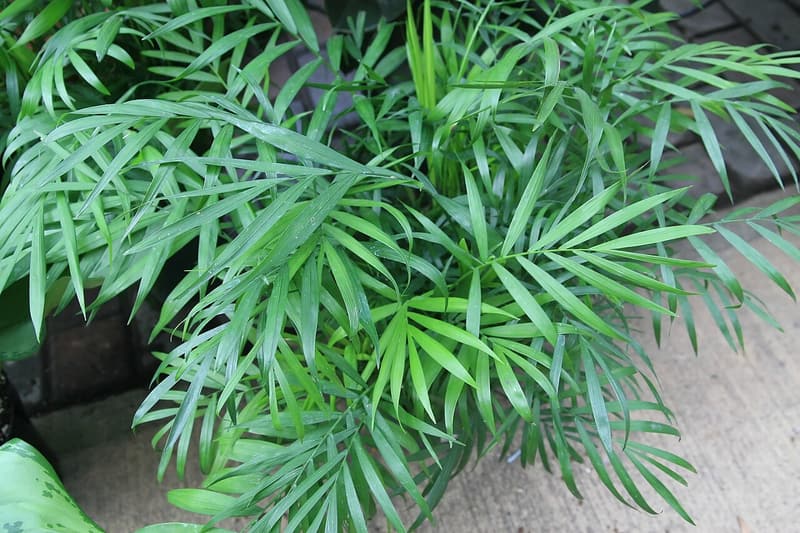
Parlor Palm Care
Each parlor palm stem has a single growing tip that never regrows if cut, and nursery pots hold several competing plants. What that means for pruning and repotting.
Care guide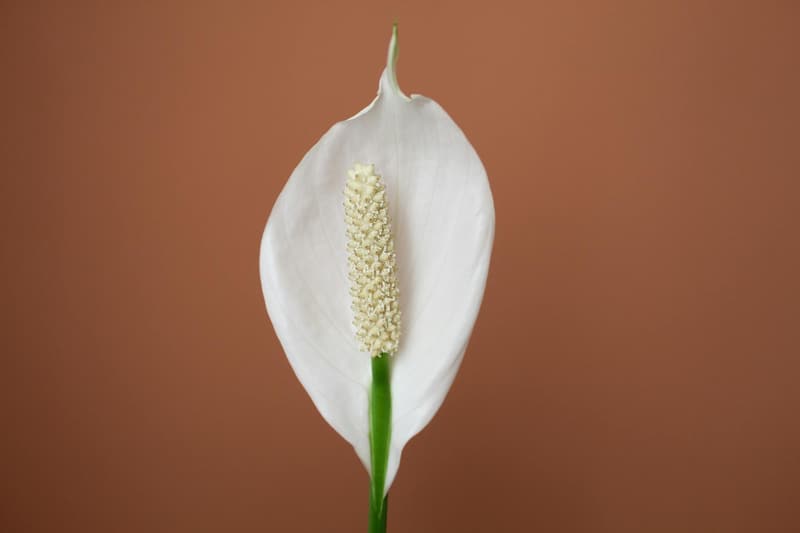
Peace Lily Care
A peace lily that collapses from thirst stands back up within hours, but every collapse costs leaf tips. Why shop plants stop flowering, and what restarts them.
Care guide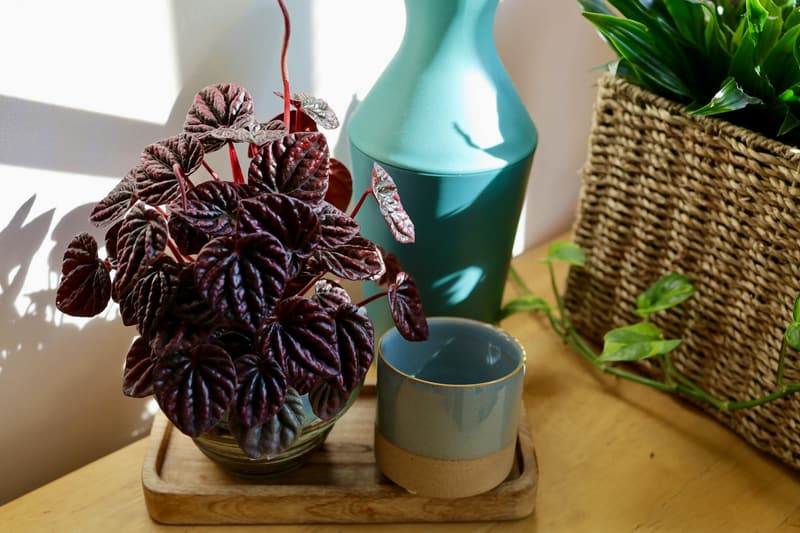
Peperomia Care
Peperomias store water in thick leaves, so most die from wet soil, not drought. A species table for baby rubber plant, ripple, watermelon and string of turtles.
Care guide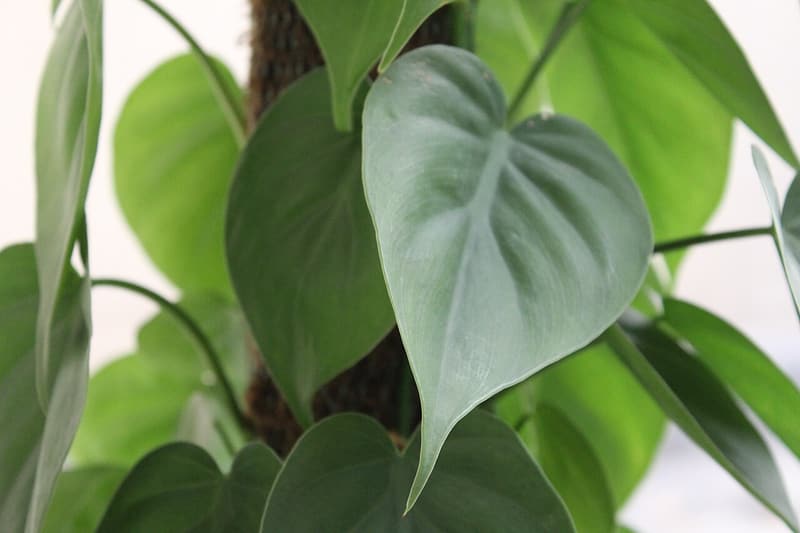
Philodendron Brasil Care
Brasil's lime stripe is unstable: vines can go plain green or nearly all yellow. Which node to cut to, how much light holds the stripe, and Brasil vs Rio.
Care guide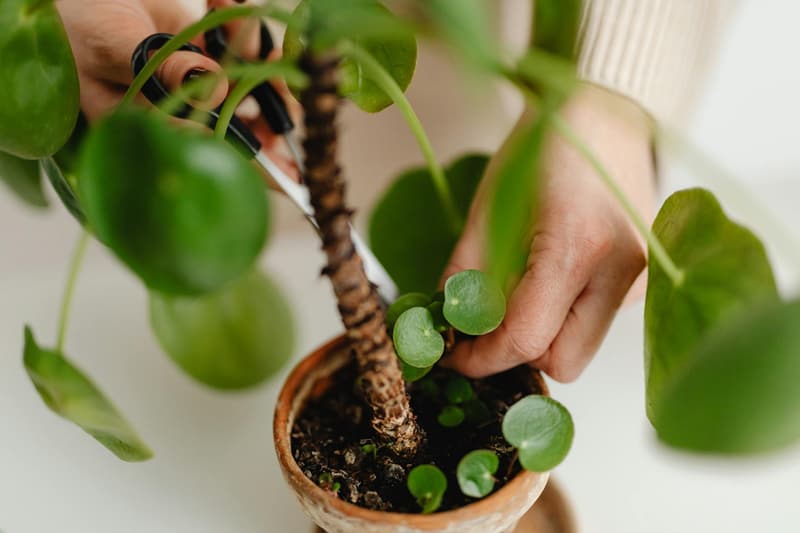
Pilea Care
A Chinese money plant leans and lopsides toward its window within weeks. Turning schedule, when and how to cut pups, and what to check when the leaves cup or dome.
Care guide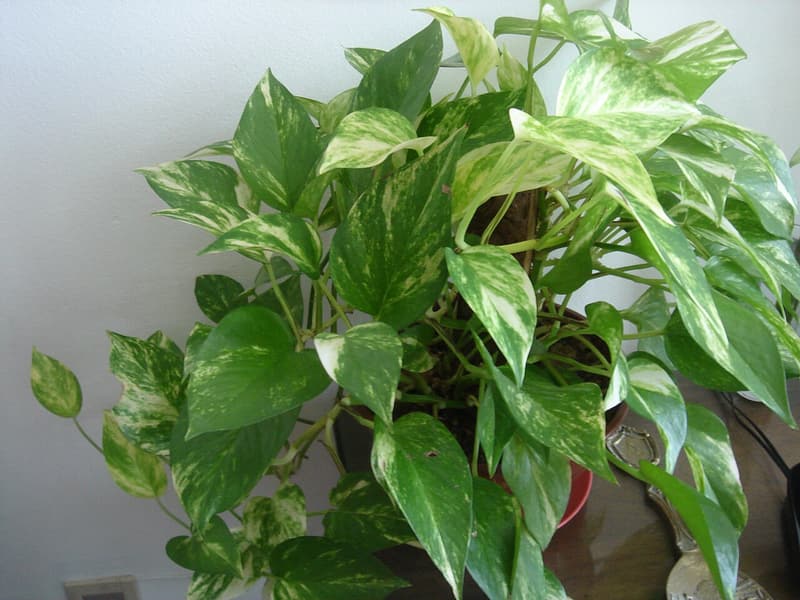
Pothos Care
Golden, Marble Queen, Neon, N'Joy, Manjula: how much white or yellow a pothos carries decides its light needs and speed. Plus a 3-point philodendron check.
Care guide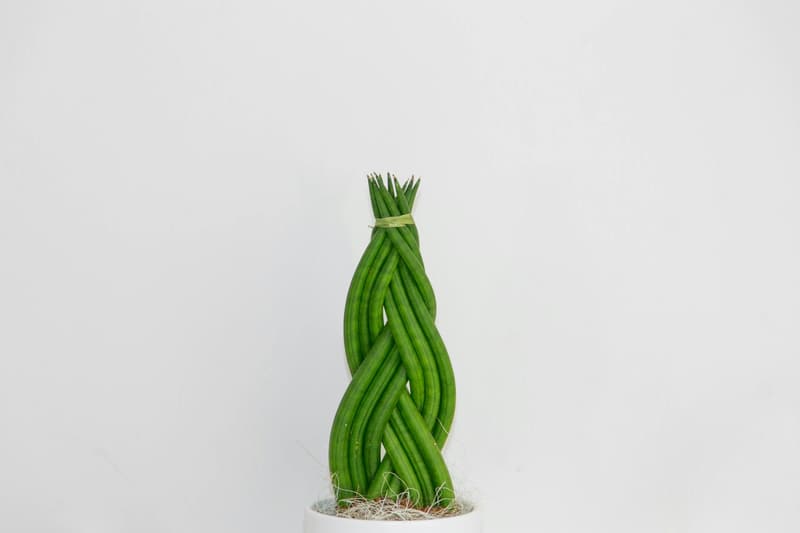
Sansevieria Cylindrica Care
The cylindrical snake plant, now Dracaena angolensis, is often sold as braided leaf cuttings with no growing point. What that means and how to get new spears.
Care guide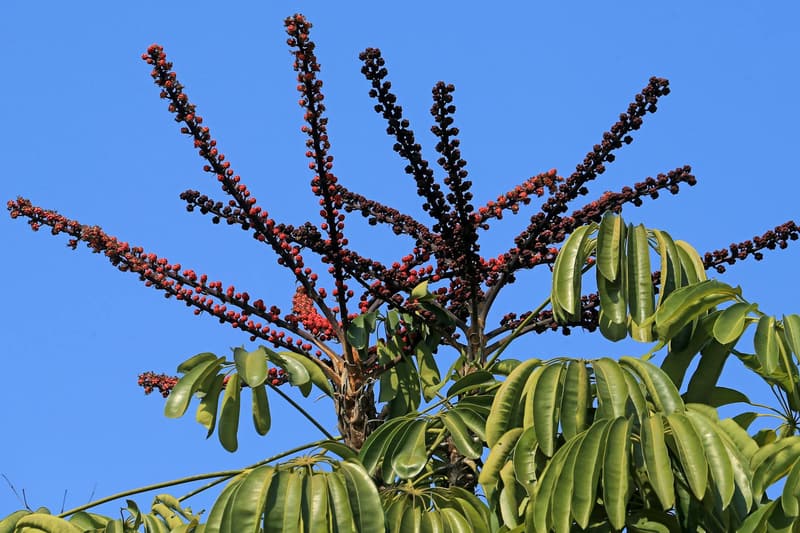
Schefflera Care
Two plants share the name schefflera: an umbrella tree with 5–18 leaflets and a dwarf with 7–9. Telling them apart, cutting back a leggy one and stopping leaf drop.
Care guide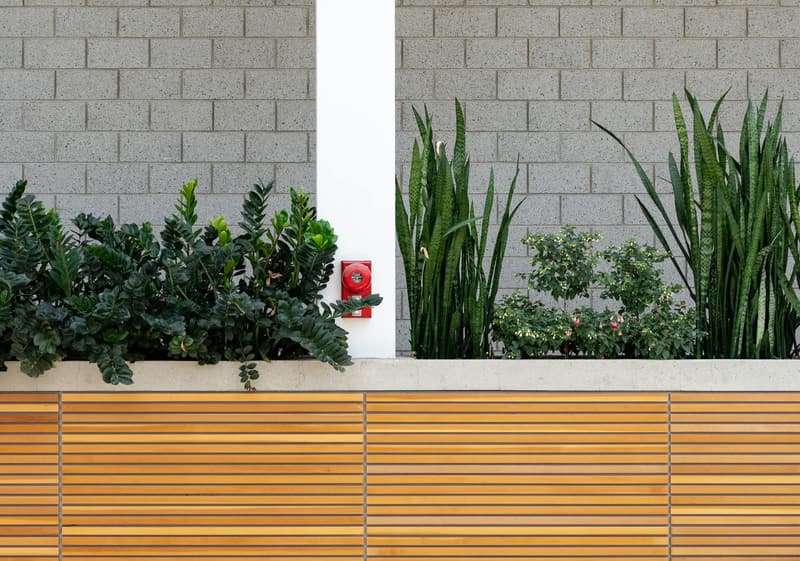
Snake Plant Care
Rot from wet soil kills more snake plants than anything else. Plus why a 'Laurentii' leaf cutting grows back plain green, and how to keep the yellow edge.
Care guide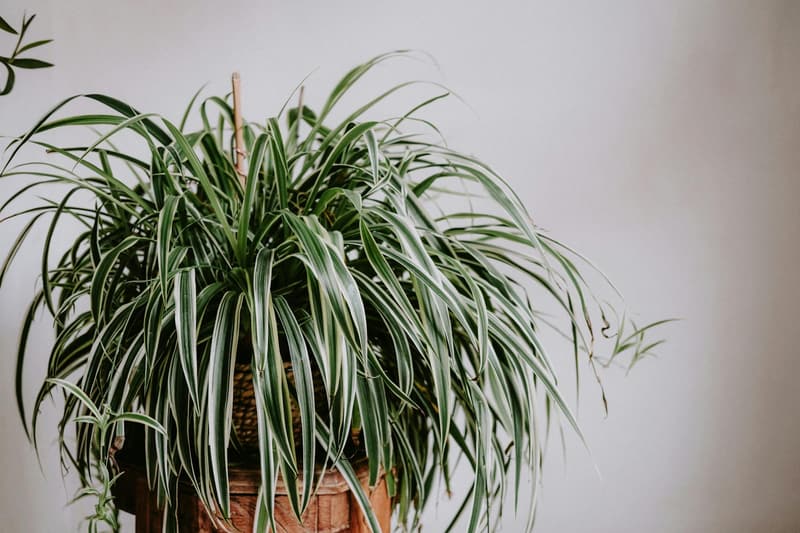
Spider Plant Care
Brown spider plant tips usually come from fluoride building up in the leaves. Which water to switch to, when to cut off the pups, and what a chewing cat means.
Care guide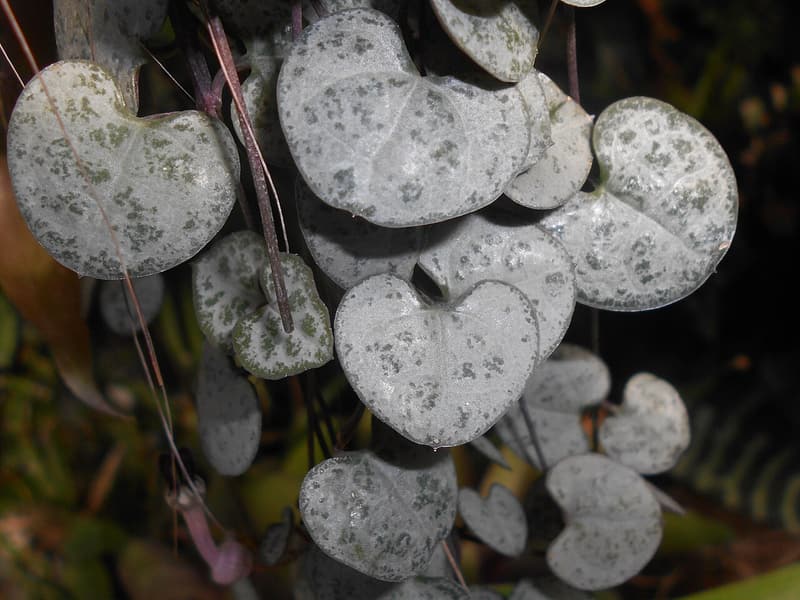
String of Hearts Care
String of hearts stores water in tubers, so it is killed by kindness more than neglect. Fix thin, gappy vines, root new plants from the beads, and rest it in winter.
Care guide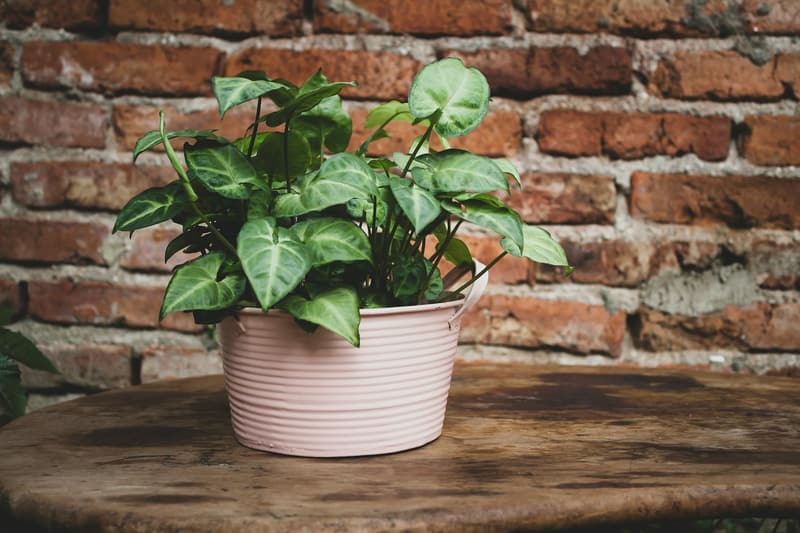
Syngonium Care
Arrowhead plants change leaf shape as they climb, from arrows to lobes to 5–11 leaflets. Keeping the compact juvenile form, or growing the adult one on a pole.
Care guide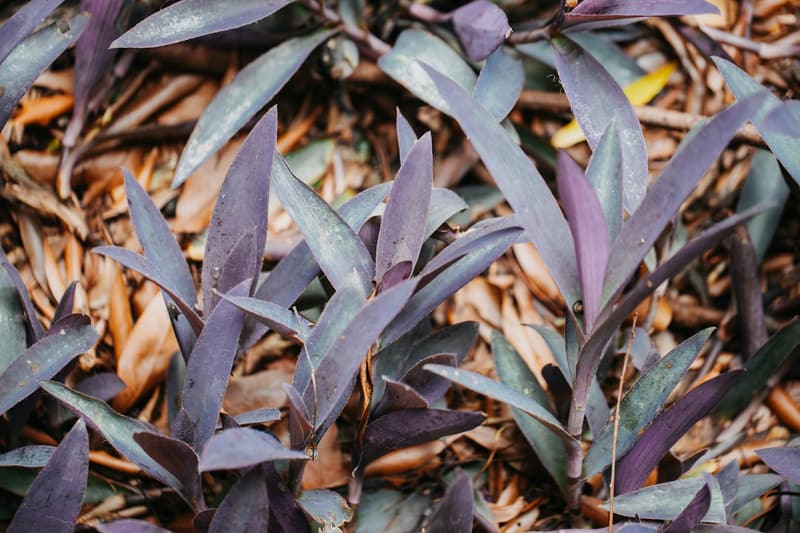
Tradescantia Care
Zebrina, fluminensis, 'Nanouk', pallida or spathacea? A species table, why pots go bald at the top, and the replant trick that keeps them full.
Care guide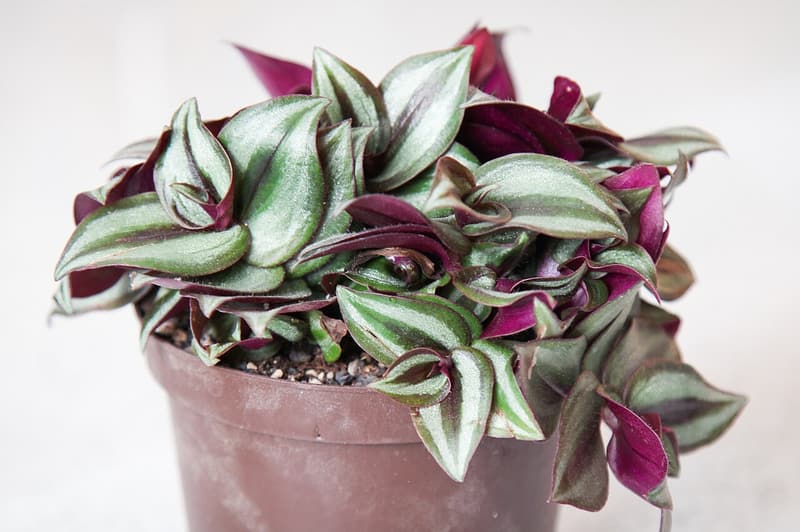
Wandering Dude Care
Wandering dude is Tradescantia zebrina, not Callisia repens. Bright light keeps its silver stripes; a spring cut-back stops a hanging basket going stringy.
Care guide
ZZ Plant Care
A ZZ plant can go 3-4 months without water because its potato-like rhizomes store it. Check the rhizomes and pot weight before watering, never the date.
Care guideRelated collections
Indoor Succulents
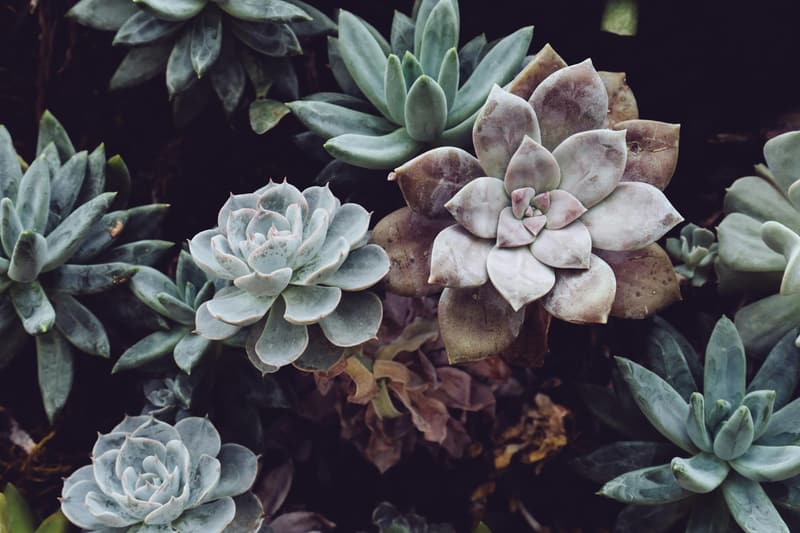
Aloe, jade, two snake plants, ZZ, peperomia, string of hearts and string of pearls: eight water-storing plants and how to tell when each needs water.
Read
Office Plants
ZZ, snake plant, pothos and other plants that put up with office light, dry air and long weekends without water, picked for toughness over air-purifying claims.
Read
Air-Purifying Plants
Houseplants tested in NASA's 1989 Clean Air Study, what that research did and didn't show for real homes, and how to care for each one.
Read
Bathroom Plants
Ferns, calatheas, anthuriums and other humidity lovers for a bathroom, picked for the light a small or frosted window gives, each linked to its full care guide.
Read