
Collection
Office Plants: Surviving Weekends, Ceiling Lights and Holiday Shutdowns
ZZ, snake plant, pothos and other plants that put up with office light, dry air and long weekends without water, picked for toughness over air-purifying claims.
- plant collections
- office plants
- low maintenance
- desk plants

An office plant has to survive three things a home plant usually doesn’t: no water from Friday afternoon to Monday morning, lights that go off at night and at weekends, and the occasional one- or two-week shutdown when the heating is turned down. Every plant here does well in low or medium light and is rated Easy on its care page; the list updates from those pages. The cylindrical snake plant isn’t on it because it wants bright light and some sun, which few office desks get. If your desk is away from a window, start with the light requirements guide: most offices are “low light” for a plant, however bright they feel to you.
The plants compared
| Plant | Light it needs | Copes with missed water | Typical office problem |
|---|---|---|---|
| ZZ plant | Low to bright indirect | Weeks: stores water in rhizomes | Rots if several people water it |
| Snake plant | Low to bright | Weeks: every 1–2 months in winter | Rots in wet soil; slow in dim light |
| Chinese evergreen | Low to medium (pink and red types more) | Top 2–3 cm dry | Damage below 13°C (55°F) in a cold shutdown |
| Aglaonema ‘Silver Bay’ | Low to medium | Top 2–3 cm dry | Same cold sensitivity |
| Dracaena | Medium to bright; tolerates low | Top 2–3 cm dry | Brown tips from fluoride in tap water |
| Dracaena marginata | Bright indirect; tolerates medium to low | Top half of the mix dry | Drops many leaves after a cold draft or a move |
| Parlor palm | Medium to bright; tolerates low | Top 2–3 cm dry | Brown tips near heaters and air-con |
| Heartleaf philodendron | Medium; tolerates low | Top of the mix dry | Long bare stems in dim light |
| Golden pothos | Low to bright | Top third of the mix dry | Gold fades under ceiling lights |
| Pothos (other cultivars) | Medium to bright | Top third of the mix dry | White types stall without a window |
| Peace lily | Medium to bright | Wilts when dry | Collapses over long weekends |
| Dieffenbachia | Bright indirect; tolerates medium | Top 2–3 cm dry | Irritating sap: wear gloves to prune; keep away from children and pets |
| Peperomia | Bright indirect; a north or east window | Better than most: thick leaves hold water; top few cm nearly dry | Rots when watered on a schedule |
| Spider plant | Medium to bright indirect | Top 2–3 cm dry | Brown tips from fluoride in tap water |
None of these will measurably clean office air; the research behind that claim is explained on the air-purifying plants page.
Choosing for your desk
- No window within about 3 m: ZZ plant, snake plant or a green or silver Chinese evergreen. University of Missouri Extension notes that a single fluorescent tube without other light gives only enough for low-light plants, and that plants with no window light need 16–18 hours of light a day. Office lights rarely run that long, so expect slow growth, or put a small LED grow light on a plug-in timer.
- A window desk: anything in the table. This is the only spot where pothos cultivars with a lot of white, peperomia and Dieffenbachia keep their full pattern and shape.
- You’re in the office two or three days a week: ZZ, snake plant or peperomia. Skip the peace lily.
- A small desk: peperomia or spider plant. A spider plant also hangs well from a shelf or filing cabinet, out of the way of papers.
- You want something trailing off a shelf: golden pothos or heartleaf philodendron. Both get stringy in poor light; cut them back and root the pieces in water.
- A floor-standing plant: dracaena, Dracaena marginata or parlor palm, which tolerate lower light than most tall plants. Dieffenbachia also grows tall, but give it the brighter spot.
Weekends, holidays and other office hazards
The Friday check. Look at each plant before you leave on Friday. Water the ones that are nearly due; three days in a dim office won’t dry them out. Don’t water everything “to be safe”: a pot that is still damp on Friday will still be wet on Monday.
Holiday shutdowns. Before a two-week break, water the medium-drought plants (Chinese evergreens, dracaenas, Dieffenbachia, pothos, philodendron, parlor palm, spider plant) on your last day, and leave ZZ, snake plant and peperomia alone unless they are already dry. Move pots away from windows if the heating will be turned down: cold glass is where Chinese evergreens, peace lilies and Dracaena marginata get chilled. Self-watering pots and wicks are covered in keeping plants watered while you’re away.
Too many waterers. In a shared office, the most common cause of death is three people each watering “just a little”. Put one name on each plant.
Vents and heaters. Air from heating and cooling vents dries leaf tips. Keep dracaenas, parlor palms, spider plants and peace lilies out of the direct airflow. Brown tips on dracaenas and spider plants are more often fluoride than dry air; the brown leaf tips guide tells the two apart.
Things that aren’t water. Cold coffee and tea poured into pots keep the soil wet. If a plant suddenly declines, check the soil smell before anything else; sour or rotten means root rot.
Frequently asked questions
Can a plant survive on office ceiling lights alone?
A few can, slowly. University of Missouri Extension says a single fluorescent tube on its own gives only enough light for low-light plants, and plants with no window light need 16 to 18 hours of light a day. Office lights are usually off at night and at weekends, so choose ZZ, snake plant or Chinese evergreen, or add a small grow light on a timer.
Which office plant can be left over a two-week holiday?
ZZ plant and snake plant. Both store water and should be left with dry-ish soil rather than a deep soak just before you go. A peace lily is likely to wilt before you're back.
How often should I water my office plant?
Not on a fixed day. Check the soil every Monday and Friday: water a ZZ or snake plant only when the mix is dry all the way down, and most of the others when the top 2 to 3 cm is dry. Dim offices dry pots slowly, so overwatering is the more common mistake.
Why are the leaf tips on my office dracaena brown?
Usually fluoride in tap water, sometimes dry air from heating or air conditioning. Dracaena fragrans types such as corn plant and 'Janet Craig' are sensitive to fluoride; try rain or distilled water and keep the plant away from vents.
Plants in this collection
14 plants that do well in low or medium light and are rated Easy.
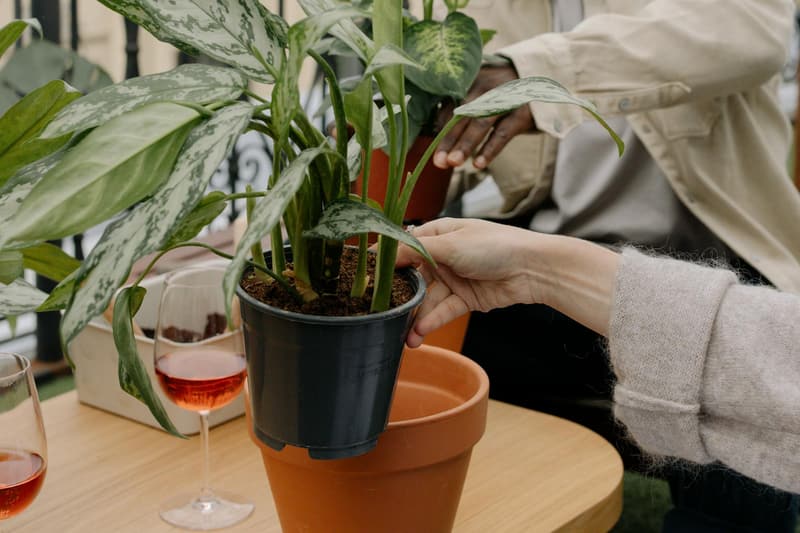
Aglaonema 'Silver Bay' Care
'Silver Bay' suckers heavily and takes lower light than most Aglaonema. Placement, dividing the clump, and the leaf details that separate it from 'Silver Queen'.
Care guide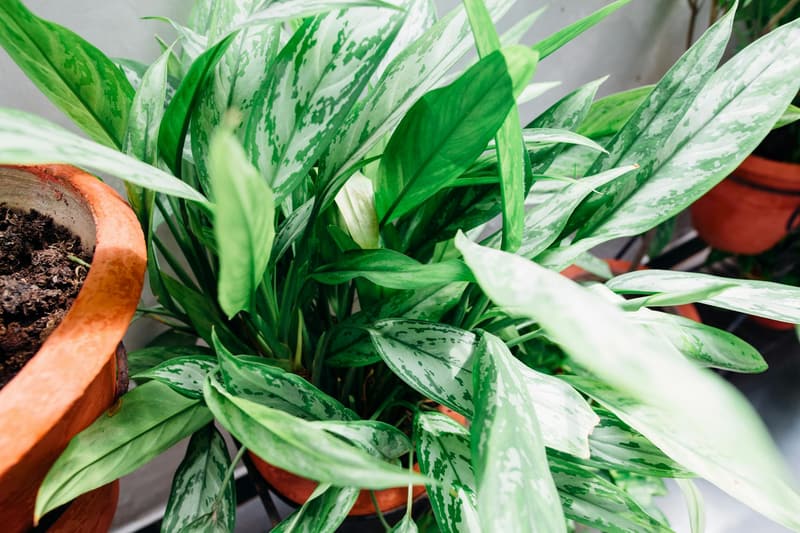
Chinese Evergreen Care
Green and silver Aglaonema cope with a dim corner; pink and red hybrids need more light. Below 55°F (13°C), some cultivars scar within a week.
Care guide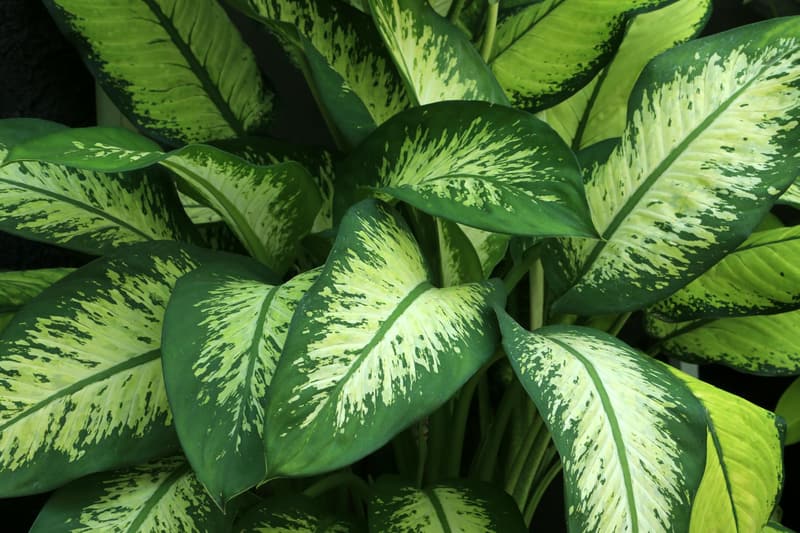
Dieffenbachia Care
Chewing a dumb cane leaf drives needle-like crystals into the mouth and throat. Safe handling, plus how to cut a bare cane back and grow three plants from it.
Care guide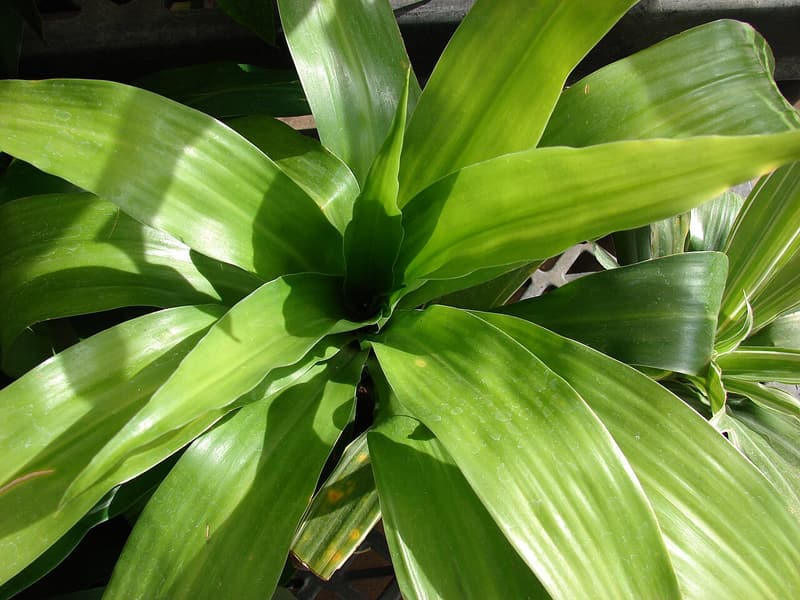
Dracaena Care
Corn plant, 'Janet Craig' and 'Warneckii' are all Dracaena fragrans, and all are sensitive to fluoride. Which brown tips are fluoride, and how to cut a cane.
Care guide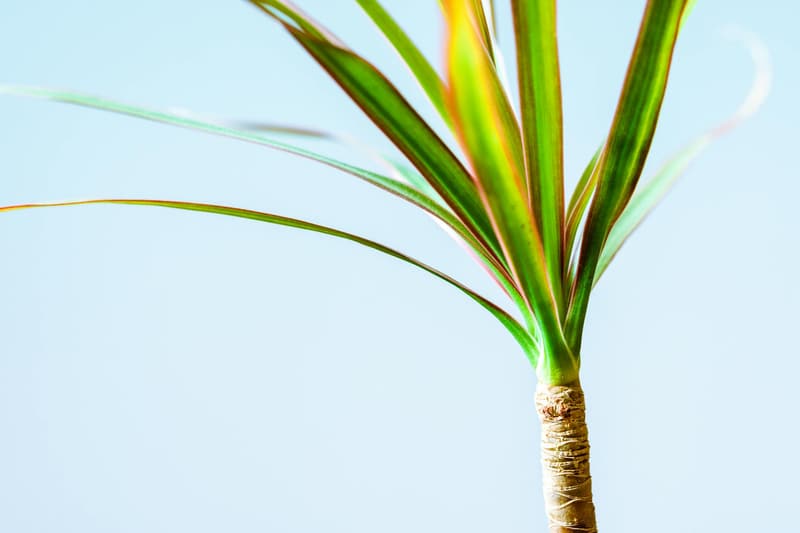
Dracaena Marginata Care
Cut a dragon tree stem and two or more branches usually sprout below the cut. Where to cut, how to stagger heights, and why the narrow leaves brown at the tips.
Care guide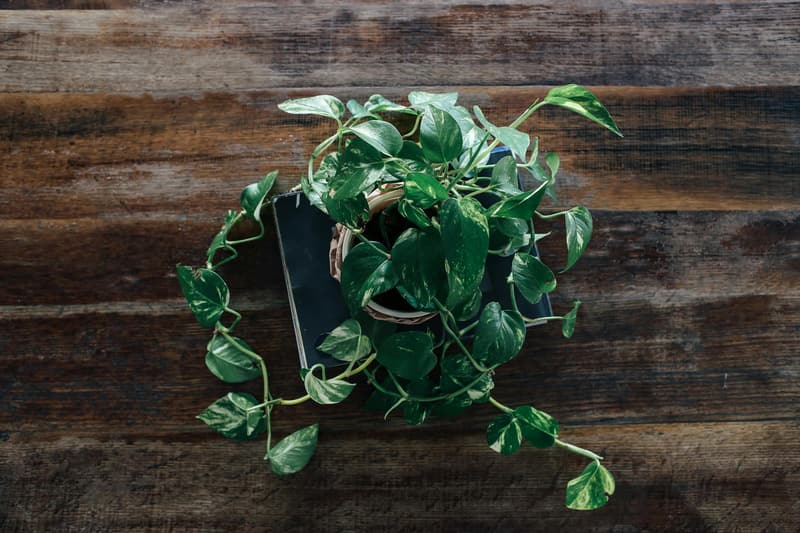
Golden Pothos Care
Gold streaks fading to plain green? On Golden pothos that is usually light, not reversion. How to tell, and how a moss pole turns palm-sized leaves into giant ones.
Care guide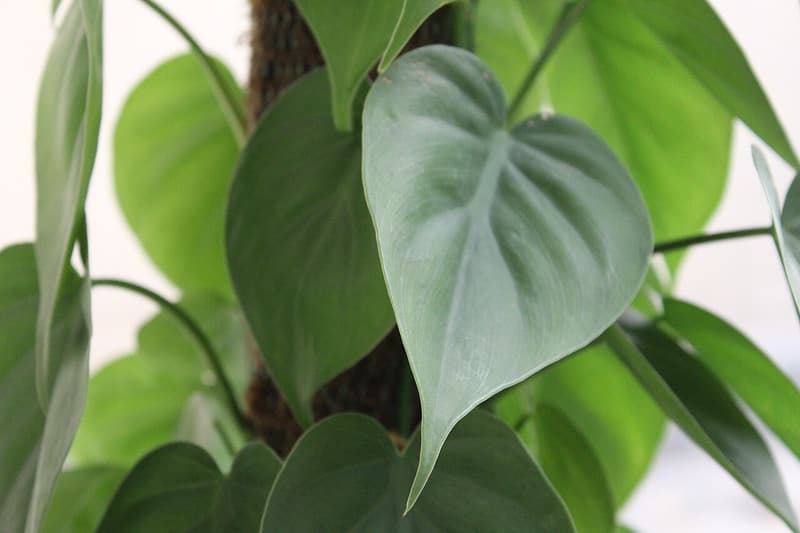
Heartleaf Philodendron Care
Heartleaf philodendron survives dim rooms better than most vines, but dim light makes it leggy. Where to cut, how to root the pieces, and how to tell it from pothos.
Care guide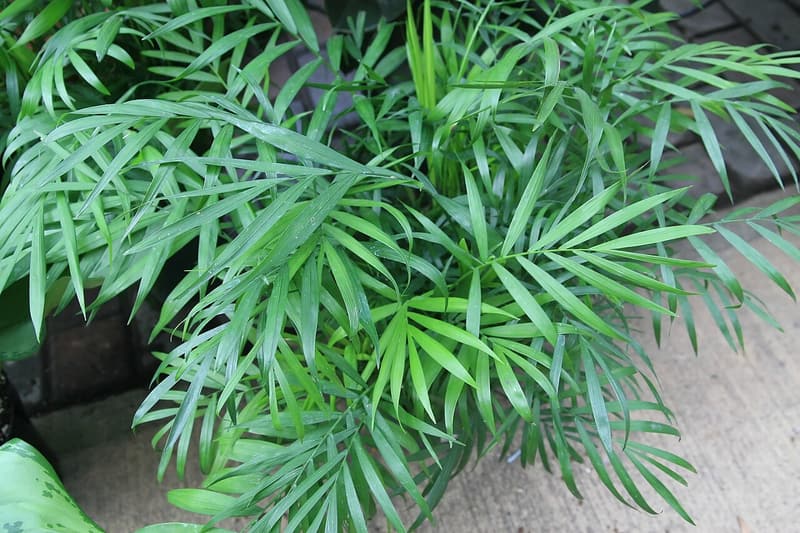
Parlor Palm Care
Each parlor palm stem has a single growing tip that never regrows if cut, and nursery pots hold several competing plants. What that means for pruning and repotting.
Care guide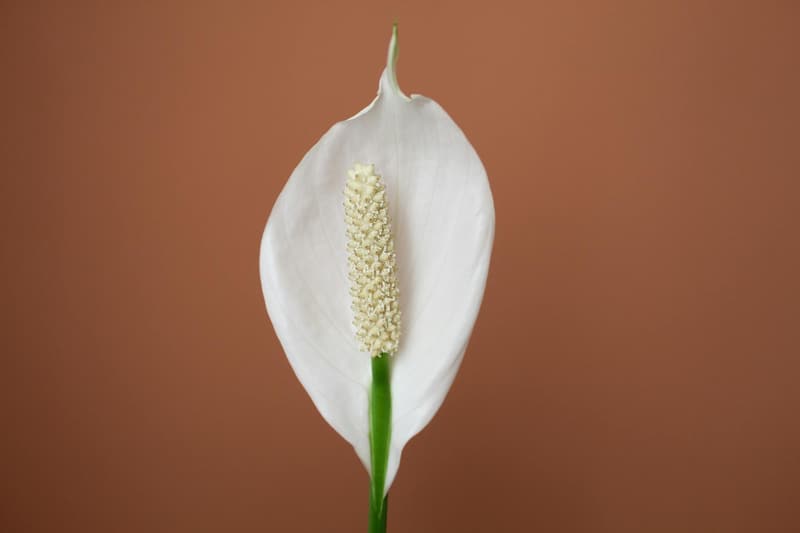
Peace Lily Care
A peace lily that collapses from thirst stands back up within hours, but every collapse costs leaf tips. Why shop plants stop flowering, and what restarts them.
Care guide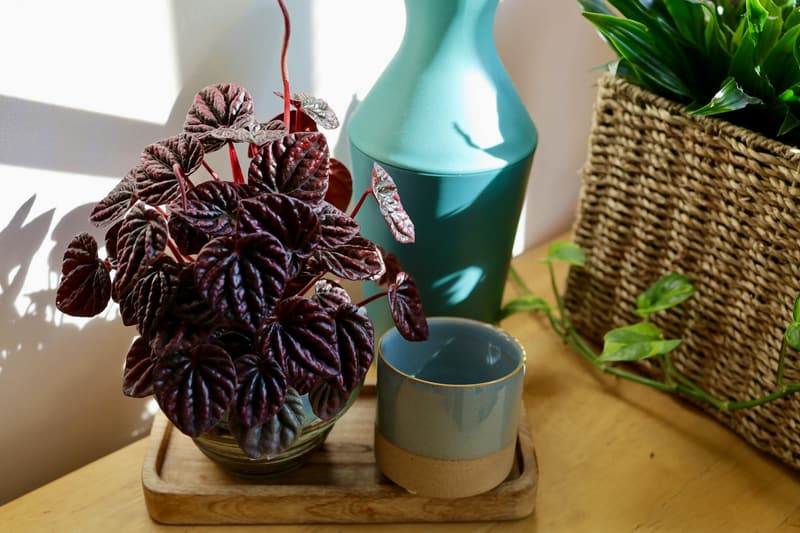
Peperomia Care
Peperomias store water in thick leaves, so most die from wet soil, not drought. A species table for baby rubber plant, ripple, watermelon and string of turtles.
Care guide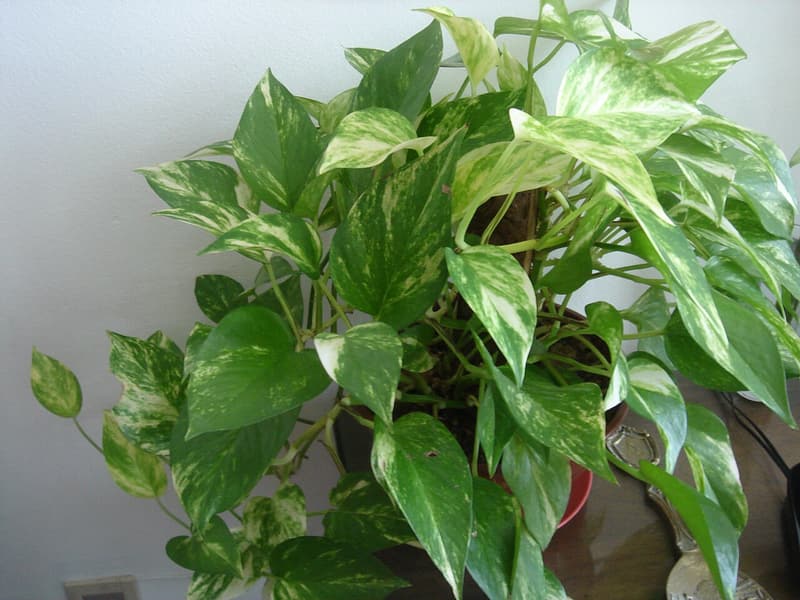
Pothos Care
Golden, Marble Queen, Neon, N'Joy, Manjula: how much white or yellow a pothos carries decides its light needs and speed. Plus a 3-point philodendron check.
Care guide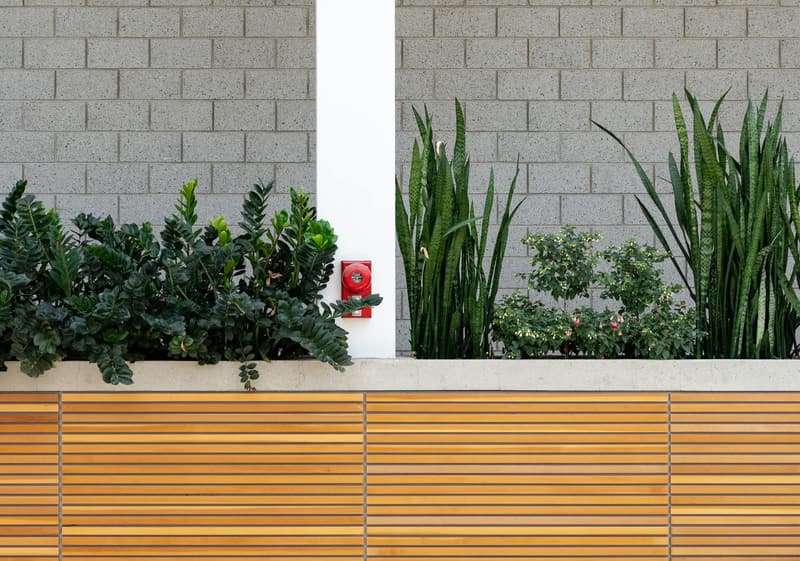
Snake Plant Care
Rot from wet soil kills more snake plants than anything else. Plus why a 'Laurentii' leaf cutting grows back plain green, and how to keep the yellow edge.
Care guide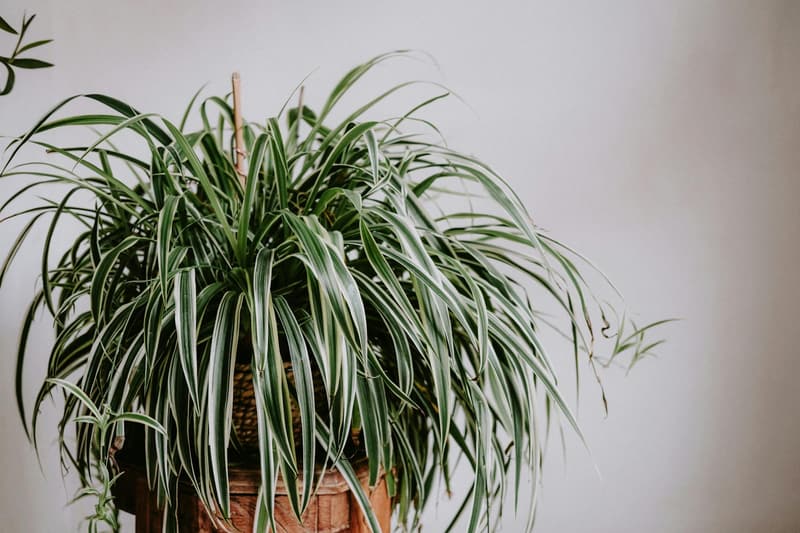
Spider Plant Care
Brown spider plant tips usually come from fluoride building up in the leaves. Which water to switch to, when to cut off the pups, and what a chewing cat means.
Care guide
ZZ Plant Care
A ZZ plant can go 3-4 months without water because its potato-like rhizomes store it. Check the rhizomes and pot weight before watering, never the date.
Care guideRelated collections
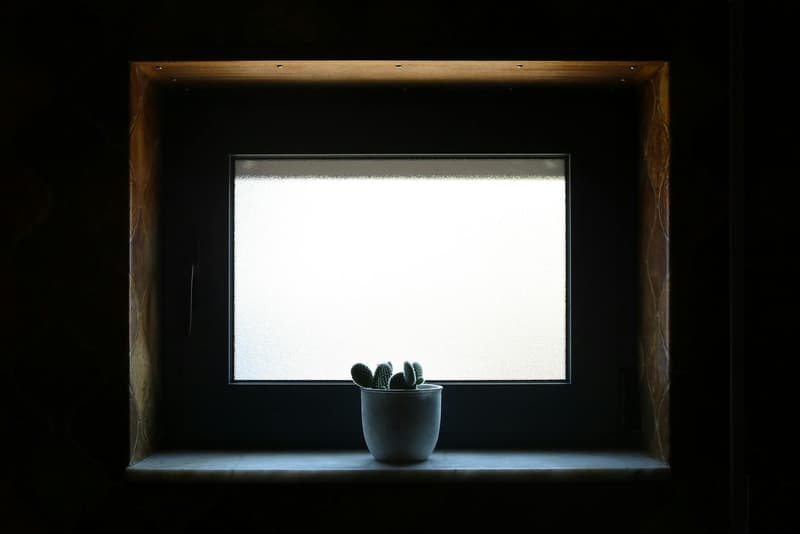
Low-Light Plants
Nine houseplants that genuinely tolerate low light, from ZZ and snake plant to parlor palm, chosen from their verified care requirements, not marketing labels.
Read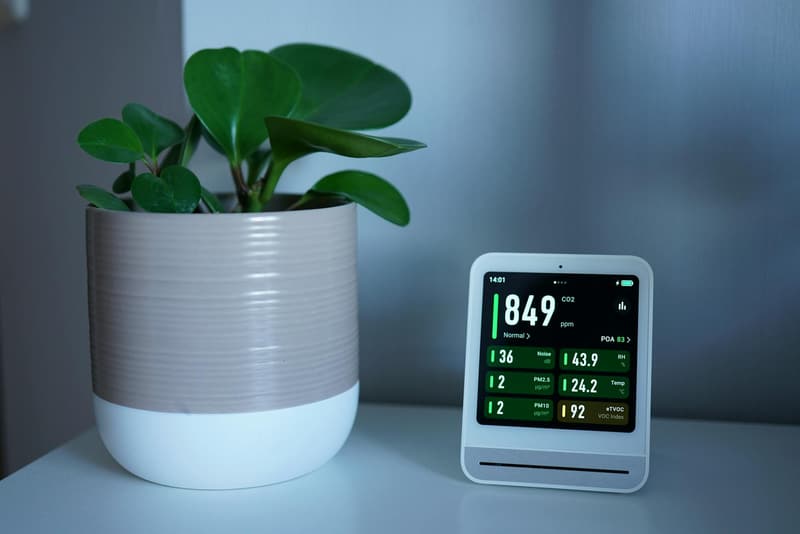
Air-Purifying Plants
Houseplants tested in NASA's 1989 Clean Air Study, what that research did and didn't show for real homes, and how to care for each one.
Read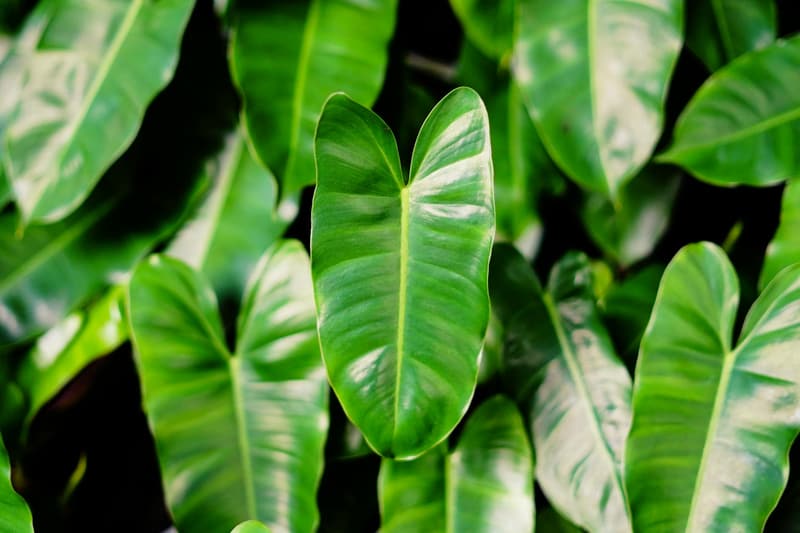
Bathroom Plants
Ferns, calatheas, anthuriums and other humidity lovers for a bathroom, picked for the light a small or frosted window gives, each linked to its full care guide.
Read
Easy Houseplants
All 28 plants rated Easy on their care pages, sorted by the light they need, with the one mistake that still kills each: usually soil that never dries.
Read