
Troubleshooting
Plant care guides
19 troubleshooting and how-to guides. Start from the symptom you can see and work back to the cause.
Showing 19 guides
-
 Troubleshooting
After Repotting
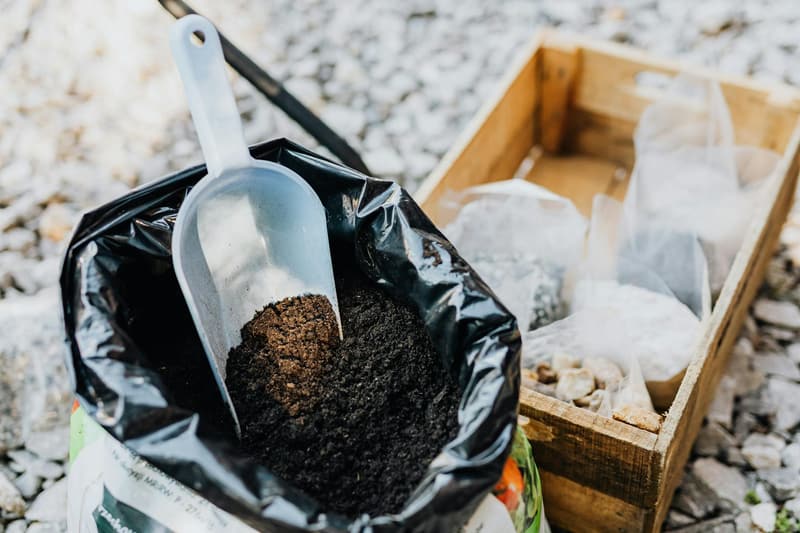
Drooping for a few days after repotting is normal; drooping in wet mix two weeks later points to rot. Telling shock from rot, and rewetting a dry root ball.
Read guide -
 Troubleshooting
Air Circulation for Houseplants
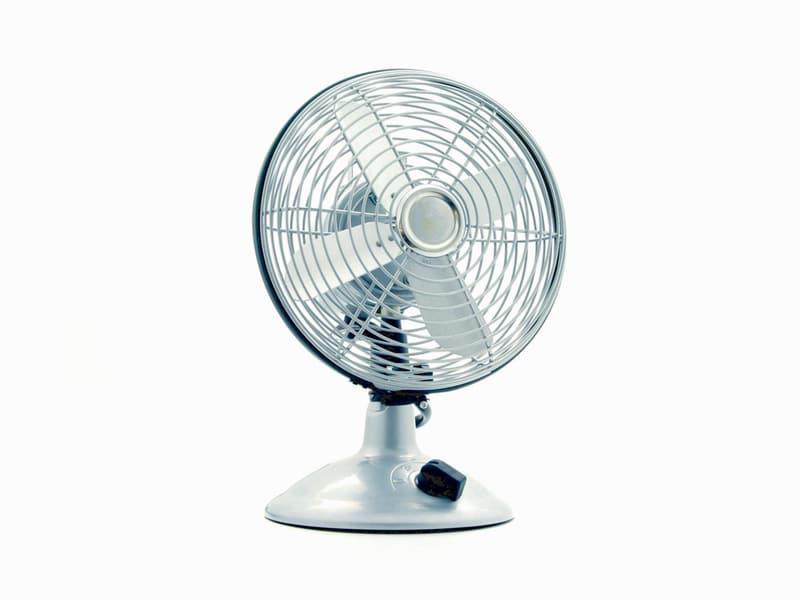
Gray mold and corky edema blisters start in still, damp air, yet a heater's draft does harm too. A gentle fan, placed right, fixes one without causing the other.
Read guide -
 Troubleshooting
Brown Leaf Tips
Fluoride in tap water browns the tips of dracaenas, spider plants and peace lilies. Rule it in or out against dry air and salts, then trim without new browning.
Read guide -
 Troubleshooting
Brown Leaves on Houseplants
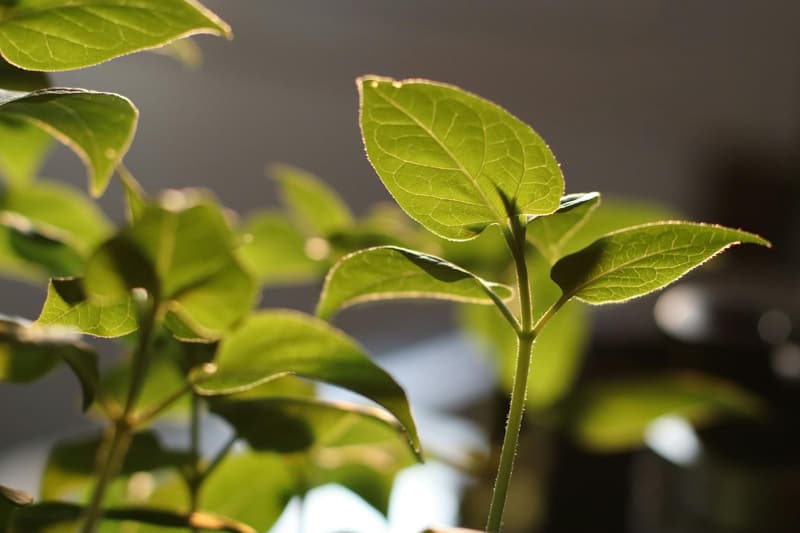
Crispy or soft, old leaves or new, edges or patches? Match the browning pattern on your houseplant to its cause and the specific fix in under a minute.
Read guide -
 Troubleshooting
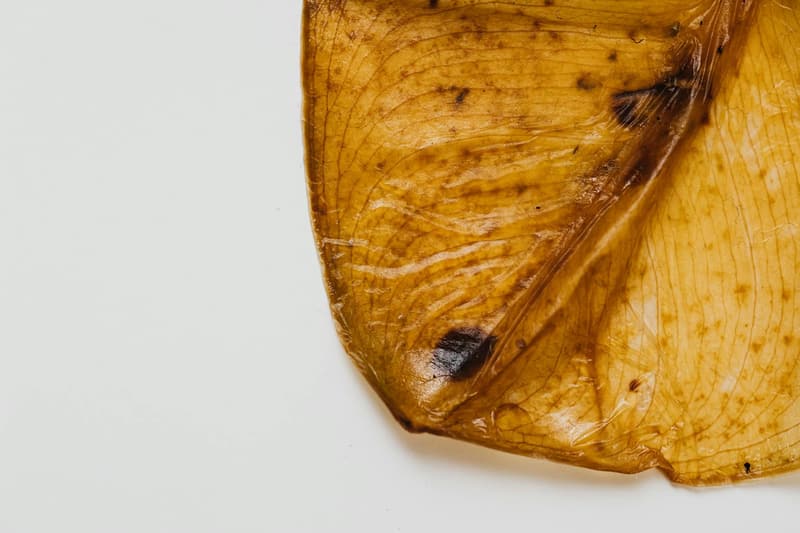
Brown Spots on Leaves
A yellow halo, a greasy water-soaked edge or a dry bleached patch each point to a different cause. Tell leaf spot from sunburn and cold-water damage, then act.
Read guide -
 Care basics
Fertilizing Houseplants
All-purpose feed at half or quarter strength, none for dormant or freshly repotted plants. A dilution table, a seasonal schedule and how to flush out salt.
Read guide -
 Troubleshooting
Houseplant Humidity
Heated homes fall below 30% humidity in winter. Which plants actually suffer, why misting and pebble trays barely register, and how to set up a humidifier.
Read guide -
 Troubleshooting
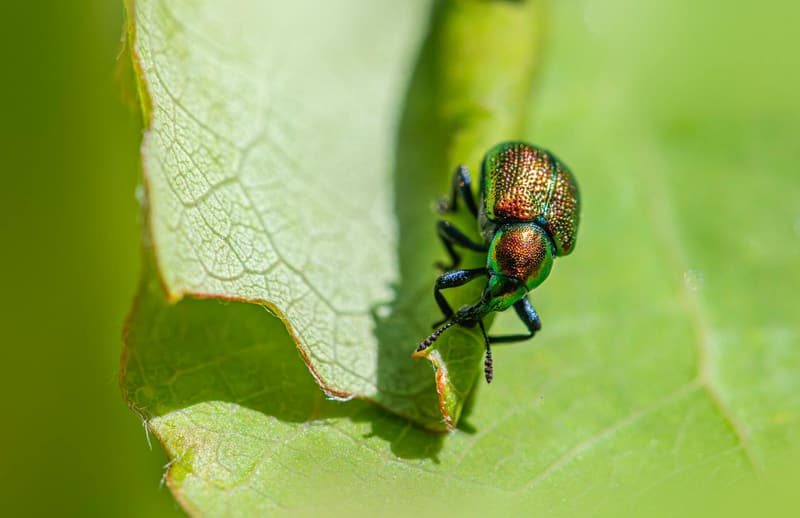
Houseplant Pest Identification
Webbing means spider mites, cottony tufts in leaf joints mean mealybugs. Photos, telltale signs and repeat-spray intervals for eight common houseplant pests.
Read guide -
 Care basics
Houseplant Watering 101
Water when the mix is dry to the depth each plant needs: 2 cm for a calathea, 5 cm for a pothos, the whole pot for a ZZ. Then soak, drain and empty the saucer.
Read guide -
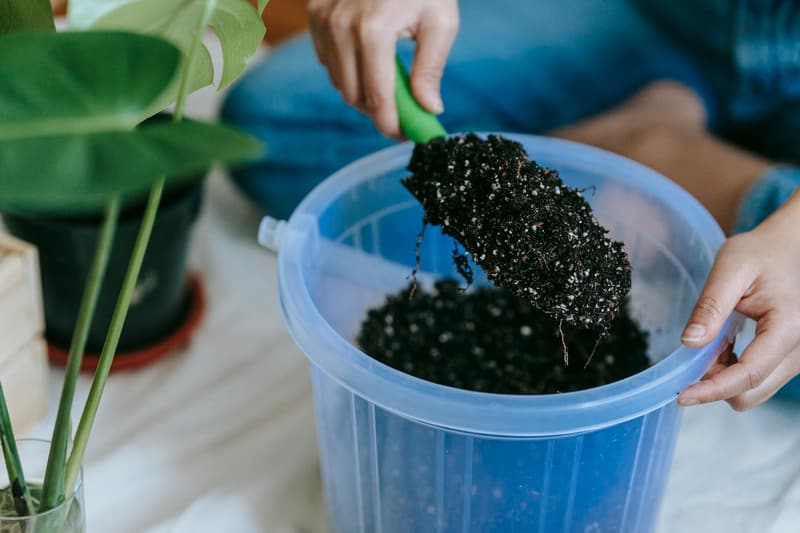 Care basics
How to Repot a Houseplant
Go up no more than 5 cm (2 in) in pot width, skip the gravel layer and moisten the mix first. The signs it's time, which mix suits which plant, and each step.
Read guide -
 Troubleshooting
Light Problems in Houseplants
Too little light shows as leggy stems and lost variegation; too much as bleached patches facing the window. A symptom table, the fixes and an acclimation schedule.
Read guide -
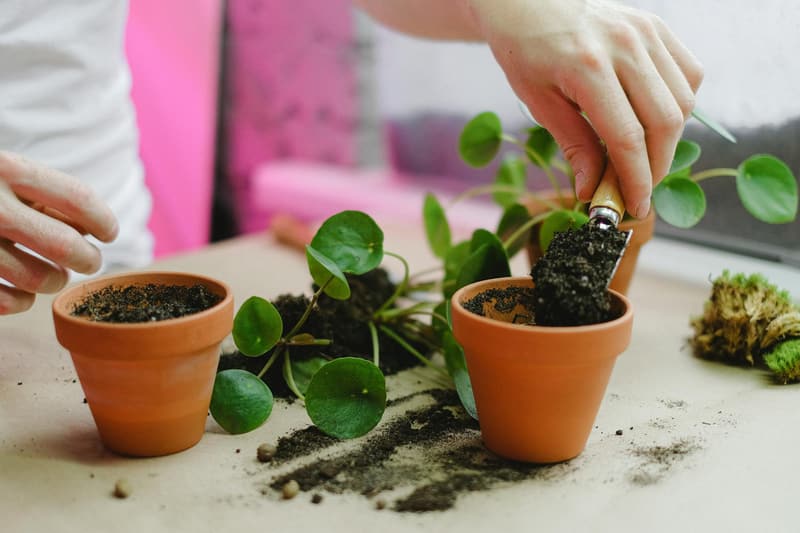 Troubleshooting
Overwatered Plant? How to Confirm It and Save It
Wet mix plus a wilting plant points to overwatering, not thirst. Signs to check, how to tell rot from simple wet soil, and a day-by-day rescue plan.
Read guide -
 Care basics
Plant Light Requirements
Low light means 50–250 foot-candles, not a dark corner. Window direction, a phone light-meter check and grow-light height and hours, in one reference page.
Read guide -
 Troubleshooting
Root Rot Treatment
Cut rotted roots back to firm tissue with sterilized blades, repot into fresh mix and a clean pot, then hold off water for a week. Steps, triage and timeline.
Read guide -
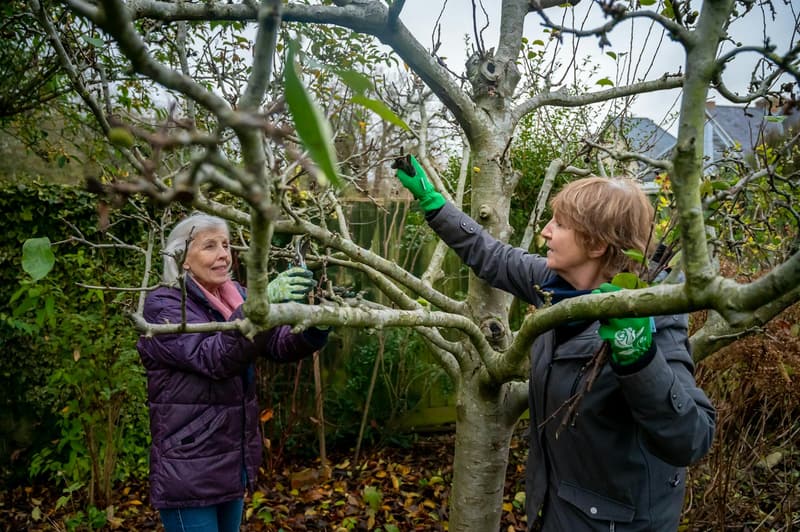 Troubleshooting
Seasonal Houseplant Problems
Leaf drop after bringing plants indoors, sunburn after taking them out, brown tips when the heating comes on. What each season change does, and how to soften it.
Read guide -
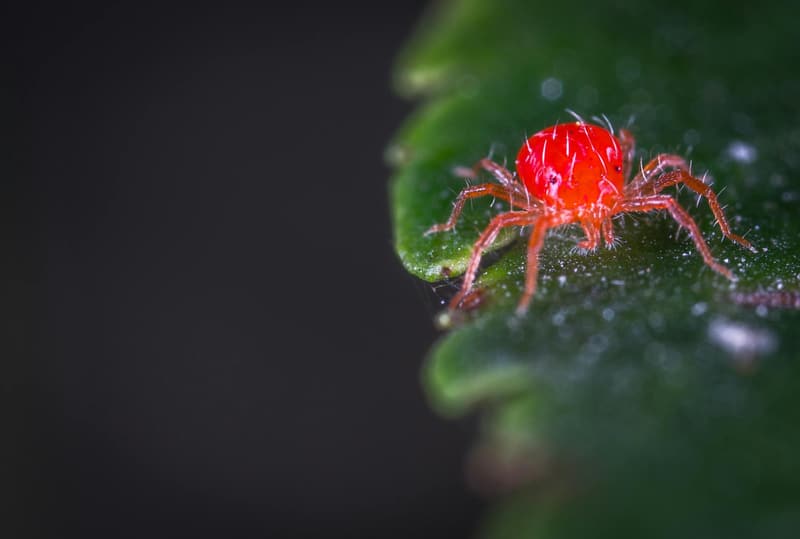 Troubleshooting
Spider Mites on Houseplants
At 21 °C spider mites go from egg to adult in about 12 days, so one spray never clears them. A rinse-and-spray schedule every 4–7 days, and when to stop.
Read guide -
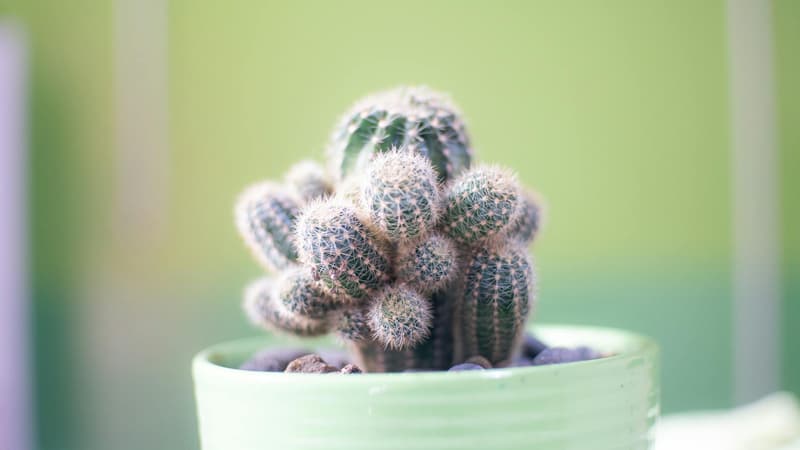 Troubleshooting
Why Is My Plant Not Growing? Slow Growth, Checked in Order
Most stalled houseplants are short of light, not fertilizer. A six-check order for slow growth, what normal growth looks like, and how long fixes take to show.
Read guide -
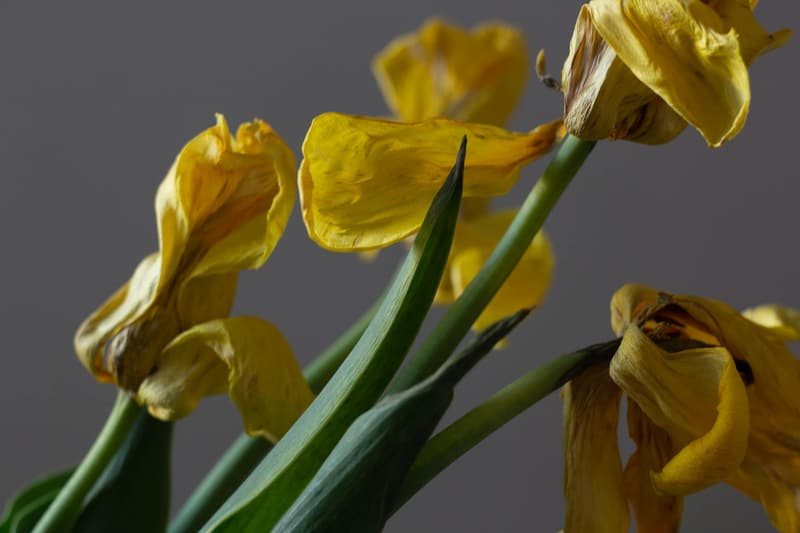 Troubleshooting
Wilting or Drooping Plant? Start With the Soil
Feel the mix first: a drooping plant in dry mix needs a soak, one in wet mix needs the opposite. Expected recovery times for each, plus causes that are neither.
Read guide -
 Troubleshooting
Yellow Leaves on Houseplants
Old leaves or new ones, the whole leaf or between the veins? Where yellowing starts narrows the cause to watering, light, nutrients or pests. A pattern table.
Read guide
Diagnosing a struggling plant
Most houseplant problems come down to a handful of causes: too much or too little water, the wrong amount of light, dry air, or pests. Leaves are usually the first place it shows. Yellowing, browning, curling and drooping each point to a short list of likely causes.
Each guide walks through the symptoms, how to tell similar causes apart (overwatering and underwatering look alike at first), and what to change. If several things are wrong at once, fix watering and light first. They affect everything else.