
ZZ Plant Care
Extremely low-maintenance plant perfect for dark spaces and busy lifestyles.

The ZZ Plant is the ultimate “set it and forget it” houseplant. It tolerates neglect better than almost any other plant and thrives in low-light conditions.
Basic Care
Light: Tolerates very low light but grows faster in bright, indirect light.
Water: Water deeply but infrequently. Every 2-4 weeks is usually plenty.
Soil: Any well-draining potting mix works fine.
Growth: Naturally slow-growing. New shoots emerge from the soil, not existing stems.
Why ZZ Plants Are Office Favorites
- Thrives under fluorescent lighting
- Tolerates air conditioning and heating
- Requires minimal attention
- Dust-resistant waxy leaves
- Professional, attractive appearance
Unique Characteristics
Water storage: ZZ plants store water in their thick stems and roots, making them extremely drought-tolerant.
Growth pattern: New growth comes from underground rhizomes, so don’t worry if existing stems don’t get longer.
Dormancy: May stop growing in winter - this is completely normal.
The Only Real Threat: Overwatering
ZZ plants are nearly indestructible except when it comes to water. Signs of overwatering:
- Yellow or black stems
- Mushy stems at soil level
- Bad smell from soil
If this happens, stop watering immediately and consider repotting in fresh, dry soil.
Perfect Locations
- Dark offices or corners
- Bathrooms with small windows
- Hallways and entryways
- Anywhere you want greenery but forget to water
Frequently Asked Questions
How often should I water my ZZ plant? ▼
Every 2-4 weeks in growing season, every 4-6 weeks in winter. Always check soil first.
Can ZZ plants survive in offices with no windows? ▼
Yes! They're one of the best plants for low-light environments.
Why are my ZZ plant stems falling over? ▼
Usually overwatering. ZZ plants prefer to be on the dry side.
Explore Related Topics
Was this guide helpful?
Your input helps us improve our guides.
How can we improve this guide?
Similar Plants You Might Like

Aglaonema Silver Bay Care Guide: Complete Instructions for Chinese Evergreen Beauty
Learn how to care for Aglaonema Silver Bay with our comprehensive guide covering light, watering, humidity, and maintaining stunning silver variegation in this easy-care houseplant.
Easy
Aloe Vera Care Guide: Complete Instructions for Aloe Barbadensis Miller
Learn how to care for Aloe Vera plants with our comprehensive guide covering light, watering, harvesting gel, and propagating pups for healthy growth.
Easy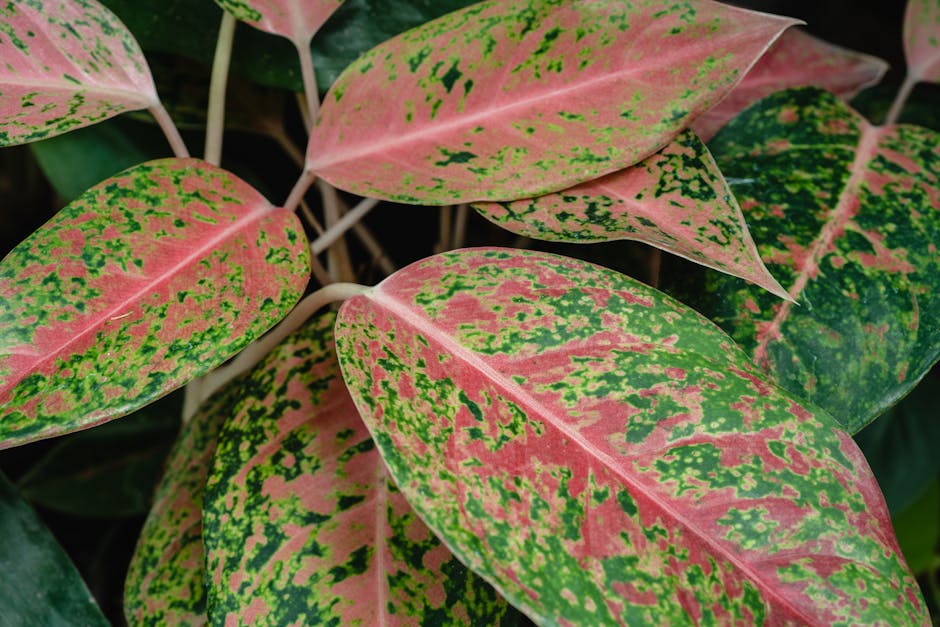
Chinese Evergreen Care Guide: Complete Aglaonema Instructions
Learn comprehensive Chinese Evergreen (Aglaonema) care including light tolerance, watering, colorful varieties, and troubleshooting for this adaptable houseplant.
Easy