
Schefflera Care Guide: Complete Umbrella Plant Instructions
Learn comprehensive Schefflera care including light requirements, watering, pruning, and troubleshooting for this popular Umbrella Plant houseplant.
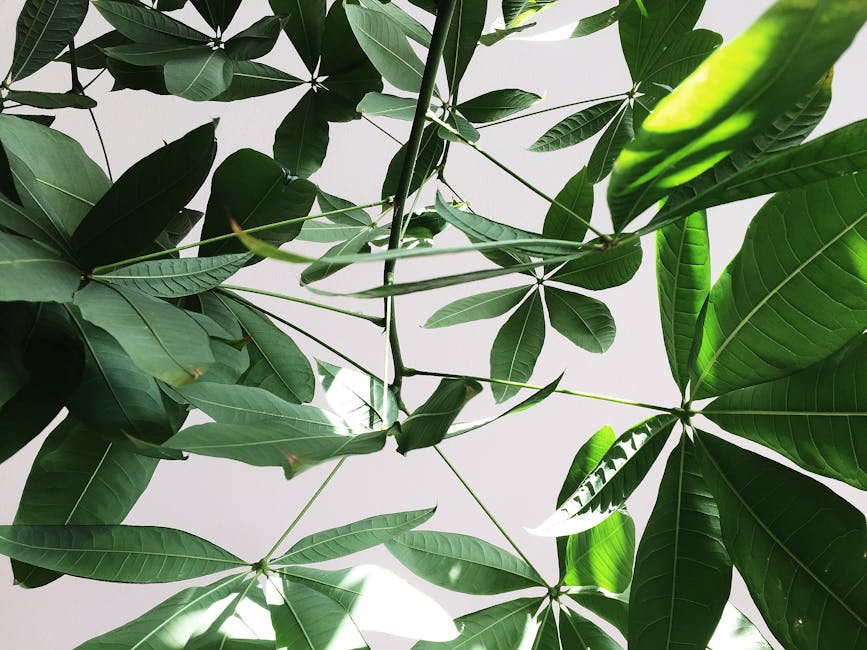
Quick Care Guide
Bright, indirect light (tolerates medium light)
Water when top inch of soil is dry
Average household humidity
65-75°F (18-24°C)
Well-draining potting mix
Monthly during growing season
Keep away from cats, dogs, and children
The Schefflera, commonly known as the Umbrella Plant, is a captivating addition to any indoor plant collection. With its lush, glossy leaves that radiate elegance, it has become a favorite among both novice and seasoned plant enthusiasts. The intriguing structure of its foliage resembles an umbrella, lending a unique charm that brightens up living spaces and offices alike. Moreover, this easy-care plant is celebrated not only for its aesthetic appeal but also for its air-purifying qualities, making it a practical choice for enhancing indoor air quality.
Caring for a Schefflera is simpler than one might think, and with the right guidance, your Umbrella Plant can thrive and flourish in your home. This comprehensive guide will delve into the specifics of Schefflera care, covering all essential aspects, from light and water requirements to troubleshooting common issues. Whether you’re a beginner looking to grow your first houseplant or an experienced gardener seeking to expand your green oasis, this guide will equip you with the knowledge needed to keep your Schefflera healthy and vibrant.
As we embark on this journey of plant care, you’ll discover that understanding the needs of your Schefflera is key to creating an environment conducive to its growth. Let’s explore the various facets of caring for this remarkable plant, ensuring that it becomes a thriving centerpiece in your home.
Getting to Know Your Plant
The Schefflera species, particularly Schefflera actinophylla, is native to tropical regions, primarily found in Australia and New Guinea. Its striking leaf formation, typically consisting of seven to nine leaflets radiating from a central point, gives it the appearance of a miniature umbrella, hence its common name. Beyond its visual allure, the Schefflera is known for its resilience and adaptability, making it a popular choice for indoor gardening.
In terms of size, Schefflera can grow into a substantial plant when given proper care, reaching heights of up to six feet or more indoors. This growth potential makes it an excellent choice for those looking to add a touch of lush greenery to larger spaces. Despite its tropical origins, the Schefflera can adapt to the more temperate environments of our homes, as long as its basic needs are met.
As you begin to understand your Schefflera, remember that while it is forgiving of occasional neglect, it thrives best when its specific care requirements are catered to. This guide will cover every aspect of maintaining your Umbrella Plant, from its preferred lighting conditions to its watering needs, ensuring a thriving relationship between you and your new leafy companion.
Light Requirements
When it comes to light, the Schefflera prefers bright, indirect sunlight, which mimics its natural habitat where it thrives under the canopy of taller trees. Ideally, placing your plant near a window that receives filtered sunlight will result in robust, healthy growth. However, don’t be disheartened if your space has medium light; the Schefflera is remarkably tolerant and can adapt to less-than-ideal lighting conditions. Just be cautious to avoid placing it in direct sunlight, as the intense rays can scorch its beautiful leaves, leading to unsightly brown spots.
If you notice that your Schefflera is leaning or stretching towards the light, it could be a sign that it needs more brightness. Conversely, if it’s not growing much at all, or if the leaves are losing their vibrant color, it may be time to reevaluate its lighting situation. A happy Schefflera will exhibit lush foliage and grow steadily, all thanks to the right amount of light.
Watering Guidelines
Watering your Schefflera properly is crucial to its health. This plant prefers a thorough, deep watering when the top inch of the soil feels dry to the touch. Typically, this translates to watering every seven to ten days, but various factors such as the season, humidity, and pot size can influence this frequency. It’s essential to use well-draining potting mix to prevent water from accumulating at the roots, which can lead to root rot—one of the most common issues faced by indoor gardeners.
When watering, ensure that the water drains freely from the pot’s bottom, allowing the roots to absorb moisture without sitting in excess water. If you notice that your Schefflera’s leaves are turning yellow or dropping, it may indicate overwatering or underwatering. The key is to find a balance; allow the soil to dry out slightly between waterings, and always adjust based on the plant’s environment and the time of year. In the warmer months, your plant may require more frequent watering, while in the cooler months, it may need less.
Soil and Potting Requirements
Choosing the right soil for your Schefflera is crucial for its overall health and growth. A well-draining potting mix is ideal, as it helps prevent water retention that can lead to root rot. Look for a high-quality potting mix that contains peat, perlite, or vermiculite to enhance drainage. If you wish to create your own mix, combining regular potting soil with sand or perlite can yield great results.
When it comes to potting, ensure that your Schefflera is in a container with drainage holes to allow excess water to escape. The pot size should be appropriate for the plant’s current size; a pot that is too small can restrict growth, while a pot that is too large may hold too much moisture, which can be detrimental. Repotting is recommended every couple of years or when you notice that the roots are beginning to outgrow the pot. This is an excellent opportunity to refresh the soil and encourage healthy growth.
Temperature and Humidity
The Schefflera thrives in a warm environment, preferring temperatures between 65 to 75°F (18 to 24°C). It is best to keep the plant away from drafts, sudden temperature changes, and extreme heat sources, such as radiators or air conditioning vents. These conditions can stress the plant, leading to leaf drop or other issues.
Humidity levels play a role in the overall health of your Schefflera, though it adapts well to average household humidity. If you’re in a particularly dry climate or during winter months when indoor air tends to be drier, you may consider increasing humidity around your plant. This can be achieved through methods such as misting, placing a humidifier nearby, or setting the pot on a tray of water with pebbles to create a microclimate. Be mindful, however, that excessive humidity can also lead to problems, such as fungal infections, so striking the right balance is essential.
Fertilizing Schedule
To promote healthy growth, your Schefflera will benefit from a regular fertilizing schedule during the growing season, which typically spans from spring to early autumn. A balanced houseplant fertilizer diluted to half-strength is an excellent choice. Fertilizing monthly during the growing season will provide essential nutrients to support growth and vitality.
In the fall and winter months, as the plant enters its dormancy period, you can reduce or even halt fertilization altogether. During this time, the Schefflera’s growth slows, and it requires fewer nutrients. Be sure to read the instructions on your chosen fertilizer, as over-fertilizing can cause more harm than good, leading to salt build-up in the soil and potentially damaging the roots.
Propagation Methods
If you find yourself enamored with your Schefflera and wish to expand your collection, propagation is a delightful way to do so. The most common method of propagating a Schefflera is through stem cuttings. Choose a healthy stem with a few leaf nodes and cut it just below a node. Allow the cutting to dry for a day to form a callus, and then place it in water or moist soil. If propagating in water, change the water regularly to keep it fresh, and once roots develop, you can transfer the cutting to soil.
Alternatively, you can also propagate through air layering, a method that involves wounding a stem while it’s still attached to the parent plant. By wrapping the wounded area in moist sphagnum moss and covering it with plastic, roots can develop while the cutting still receives nutrients from the parent. Once sufficient roots have formed, the new plant can be severed and potted.
Common Problems and Solutions
Like any plant, the Schefflera can experience some common issues. Leaf drop is one of the most frequent complaints among Schefflera owners. This can be attributed to various factors, including overwatering, underwatering, inadequate light, or sudden changes in the environment. To address this, first assess your watering habits and ensure that the plant is receiving enough light. Adjusting these factors usually resolves the issue.
Another common problem is yellowing leaves, which often points to overwatering. If you notice yellow leaves, check the soil moisture; if it’s consistently soggy, allow the soil to dry out before watering again. Conversely, if the leaves are browning at the edges, it may indicate underwatering or low humidity.
Pests can also occasionally invade your Schefflera, with spider mites and mealybugs being the most common culprits. Regularly inspect your plant and, if you notice any pests, treat them promptly with insecticidal soap or neem oil. Keeping the leaves clean by wiping them with a damp cloth can help prevent pest infestations.
Seasonal Care Adjustments
As the seasons change, so do the care needs of your Schefflera. During the spring and summer months, when the plant is actively growing, it will require more frequent watering and regular fertilization. This is the ideal time to prune any overgrown branches to encourage bushier growth and to maintain its shape.
As autumn approaches and temperatures begin to drop, it’s essential to gradually reduce watering and stop fertilization altogether, allowing the plant to enter its dormant phase. Be mindful of any changes in humidity levels during the winter months, as heating systems can dry out the air. If needed, increase humidity around the plant to maintain its health.
In conclusion, the Schefflera, or Umbrella Plant, is a wonderful choice for anyone seeking to add a touch of tropical elegance to their indoor space. With its easy-care requirements and resilience, it can thrive with the right attention and care. By understanding the specific needs of your Schefflera—from light and water to soil and humidity—you can foster a thriving environment that allows your plant to flourish. Whether you are propagating new plants or troubleshooting common issues, cultivating your Schefflera can be a rewarding experience that brings joy and vibrancy to your home.
Safety Note: Schefflera contains compounds that are toxic to cats, dogs, and humans if ingested. Keep plants out of reach of curious pets and small children. Contact a veterinarian or poison control center if ingestion occurs.
Frequently Asked Questions
How much light does Schefflera need? ▼
Schefflera prefers bright, indirect light but can tolerate medium light conditions. Avoid direct sunlight which can scorch the leaves.
How often should I water my Schefflera? ▼
Water when the top inch of soil feels dry, typically every 7-10 days. Allow soil to dry slightly between waterings to prevent root rot.
Why is my Schefflera losing leaves? ▼
Leaf drop usually indicates overwatering, underwatering, low light, or sudden environmental changes. Check soil moisture and lighting conditions.
Is Schefflera safe for pets? ▼
No, Schefflera is toxic to cats and dogs if ingested. Keep out of reach of pets and children.
Can I prune my Schefflera? ▼
Yes, Schefflera responds well to pruning. Cut back overgrown branches in spring to maintain size and encourage bushier growth.
Was this guide helpful?
Your input helps us improve our guides.
How can we improve this guide?
Similar Plants You Might Like

Aglaonema Silver Bay Care Guide: Complete Instructions for Chinese Evergreen Beauty
Learn how to care for Aglaonema Silver Bay with our comprehensive guide covering light, watering, humidity, and maintaining stunning silver variegation in this easy-care houseplant.
Easy
Aloe Vera Care Guide: Complete Instructions for Aloe Barbadensis Miller
Learn how to care for Aloe Vera plants with our comprehensive guide covering light, watering, harvesting gel, and propagating pups for healthy growth.
Easy
Boston Fern Care Guide: Complete Instructions for Nephrolepis Exaltata
Learn how to care for Boston Ferns with our comprehensive guide covering humidity, watering, light requirements, and maintaining lush, cascading fronds indoors.
Moderate