
Rubber Plant Care Guide: Complete Ficus elastica Instructions
Learn comprehensive Rubber Plant (Ficus elastica) care including watering, light, pruning, propagation, and troubleshooting for healthy growth.
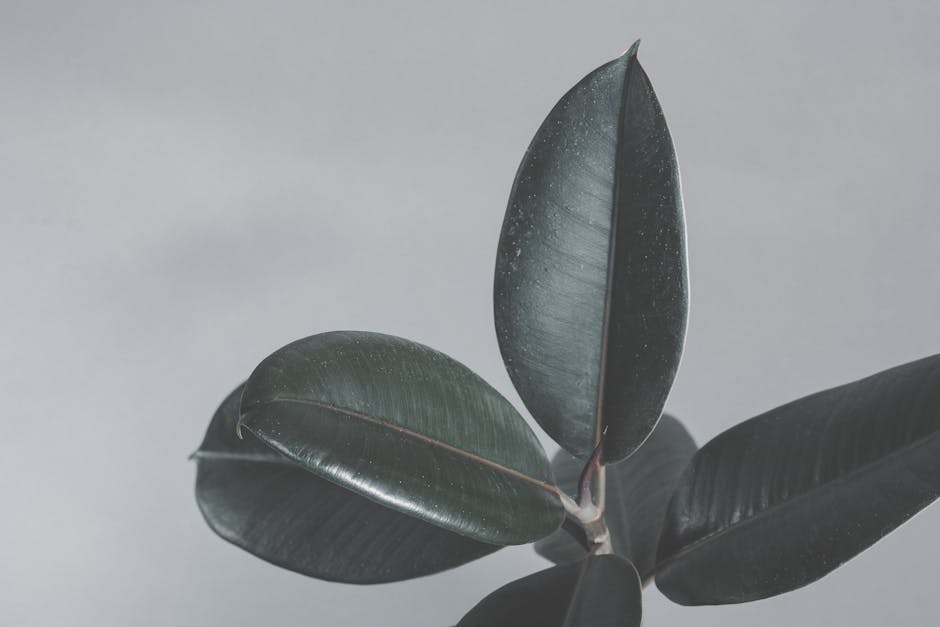
Quick Care Guide
Bright, indirect light
Water when top inch of soil is dry
Average household humidity (40-50%)
65-80°F (18-27°C)
Well-draining potting mix
Monthly during growing season
Keep away from cats, dogs, and children
Rubber plants, scientifically known as Ficus elastica, have become a beloved staple among houseplant enthusiasts for their striking glossy foliage and air-purifying qualities. Their lush, dark green leaves can bring a touch of the tropics into any indoor space, while also contributing to improved air quality. However, like all plants, they require specific care to thrive. This comprehensive guide will help you navigate the essentials of Rubber Plant care, ensuring your plant not only survives but flourishes in your home.
Whether you’re a seasoned plant parent or a novice just starting on your horticultural journey, understanding the unique needs of the Rubber Plant is key to its health. From light and watering preferences to propagation techniques and troubleshooting common issues, we will cover everything you need to know to keep your Rubber Plant vibrant and healthy.
Getting to Know Your Plant
Ficus elastica, commonly referred to as the Rubber Plant, is native to Southeast Asia and is part of the larger Moraceae family, which includes other well-known species like the Ficus benjamina (Weeping Fig) and the Ficus lyrata (Fiddle Leaf Fig). The plant is characterized by its large, glossy leaves that can range in color from deep green to burgundy, depending on the variety. Rubber Plants are not only attractive but also known for their ability to purify the air by removing toxins, making them an excellent choice for indoor environments.
As a moderately challenging houseplant, the Rubber Plant thrives under the right conditions but can exhibit symptoms of stress if not cared for properly. Understanding its light, water, and humidity needs, alongside regular maintenance practices, will ensure your Rubber Plant remains a stunning centerpiece in your home.
Light Requirements
When it comes to light, Rubber Plants prefer bright, indirect sunlight. While they can tolerate lower light conditions, their growth may slow, and the vibrant color of the leaves may fade. Ideally, place your Rubber Plant near a window where it can receive filtered light for several hours each day. This could be achieved through sheer curtains or by positioning the plant a few feet away from a bright window. Direct sunlight, on the other hand, can scorch the leaves, resulting in unsightly brown patches.
If you notice your Rubber Plant leaning towards the light source, it may be a sign that it needs more illumination. Rotate the plant occasionally to ensure even growth. For those who live in regions with less natural light, consider supplementing with grow lights to maintain the plant’s health and vitality.
Watering Guidelines
Watering a Rubber Plant requires a careful balance. These plants prefer to dry out slightly between waterings, which helps to prevent root rot—a common issue caused by overwatering. A good rule of thumb is to check the top inch of soil; if it feels dry to the touch, it’s time to water. Typically, this translates to watering every 7 to 10 days, depending on the climate and the season.
During the growing season, which generally spans from spring to early fall, you may find that your Rubber Plant requires more frequent watering as it actively grows. During the dormant winter months, however, you can scale back your watering schedule. Always ensure that the pot has adequate drainage to prevent water from pooling at the bottom, which can lead to root rot.
Soil and Potting Requirements
The right soil is crucial for the health of your Rubber Plant. A well-draining potting mix is essential to provide the right balance of moisture and aeration. A mixture designed for houseplants, combined with perlite or orchid bark, can enhance drainage and prevent water retention. Additionally, consider using a pot with drainage holes to further mitigate the risk of overwatering.
When it comes to potting, choose a container that is slightly larger than the current one to allow for growth, but avoid pots that are excessively large, as this can lead to overwatering issues. Repotting is usually recommended every couple of years or when your plant outgrows its container, giving the roots ample space to expand. This not only supports healthy growth but also refreshes the soil, providing your Rubber Plant with new nutrients.
Temperature and Humidity
Rubber Plants thrive in temperatures ranging from 65 to 80 degrees Fahrenheit (18 to 27 degrees Celsius). They enjoy a warm environment but should be kept away from drafts, sudden temperature changes, and cold windowsills. If you live in a cooler climate, be particularly mindful during the winter months to keep your plant in a stable, warm location.
In terms of humidity, Rubber Plants prefer average household humidity levels of 40 to 50 percent. They can tolerate lower humidity but may exhibit leaf drop or slower growth in drier conditions. If you find your home particularly dry, especially in winter, consider using a humidifier or placing a pebble tray filled with water beneath the plant to increase humidity. Regular misting can also help, although it’s important not to overdo it, as excessive moisture can lead to fungal issues.
Fertilizing Schedule
Feeding your Rubber Plant is an important component of its care routine. During the growing season, which typically spans from spring to early fall, apply a balanced houseplant fertilizer once a month to provide the necessary nutrients for healthy growth. Look for a fertilizer that is high in nitrogen, as this will promote lush foliage. Always follow the manufacturer’s instructions regarding dilution and application rates to avoid over-fertilizing, which can harm your plant.
In the fall and winter months, when the plant enters its dormant phase, reduce or eliminate fertilization. This allows the plant to conserve energy rather than expend it on growth. When spring arrives, you can resume your monthly feeding schedule to support your Rubber Plant as it awakens from dormancy.
Propagation Methods
One of the exciting aspects of caring for a Rubber Plant is the ability to propagate new plants from cuttings. The most common methods include stem cuttings, air layering, and leaf-bud cuttings. For stem cuttings, take a healthy cutting that is at least 6 inches long, ensuring it has a few leaves. Place the cutting in a glass of water or directly into moist potting soil. If using soil, cover the pot with a plastic bag to create a humid environment, which will encourage root development.
Air layering is particularly effective for larger Rubber Plants and involves creating a small wound on a stem and wrapping it in damp sphagnum moss, secured with plastic wrap. After a few weeks, roots should begin to develop, allowing you to cut the stem below the new root growth and pot it separately.
Leaf-bud cuttings can also be successful, although they may take longer to root. Regardless of the method, be patient and provide the right conditions for your cuttings to thrive.
Common Problems and Solutions
As with any houseplant, you may encounter a few common problems with your Rubber Plant. One of the most frequent issues is leaf drop, which can be caused by overwatering, underwatering, or environmental stress. If your Rubber Plant’s leaves are falling off, take a moment to examine its care routine. Adjusting your watering schedule or moving the plant to a more stable environment can often resolve the issue.
Pest infestations, such as spider mites, aphids, or mealybugs, can also pose a threat to your Rubber Plant. Keep an eye out for signs of pests, such as webbing or sticky residue. If you notice any unwanted visitors, treat them promptly with insecticidal soap or neem oil, ensuring you cover both the tops and undersides of the leaves.
Additionally, yellowing leaves may indicate a nutrient deficiency or overwatering. Assess your watering habits and consider adjusting your fertilization schedule to provide the necessary nutrients.
Seasonal Care Adjustments
Seasonal changes can significantly impact the care of your Rubber Plant. During the spring and summer months, when the plant is actively growing, ensure it receives ample light, regular watering, and monthly fertilization. This is the ideal time to propagate and repot your plant, as it can recover quickly and thrive in its new environment.
As temperatures drop in the fall and winter, adjust your care routine accordingly. Reduce watering and halt fertilization, allowing your Rubber Plant to enter a period of dormancy. Position the plant away from cold drafts and sudden temperature fluctuations, as these can stress the plant and lead to leaf drop.
In conclusion, caring for a Rubber Plant can be a rewarding endeavor. By understanding its specific needs regarding light, water, temperature, and soil, you can create a nurturing environment that promotes healthy growth. With a little attention and care, your Ficus elastica will not only enhance your home with its stunning foliage but also contribute positively to your indoor air quality. Embrace the journey of plant parenthood, and enjoy the beauty and benefits that your Rubber Plant brings to your life.
Safety Note: Rubber Plant contains compounds that are toxic to cats, dogs, and humans if ingested. Keep plants out of reach of curious pets and small children. Contact a veterinarian or poison control center if ingestion occurs.
Frequently Asked Questions
How often should I water my Rubber Plant? ▼
Water when the top inch of soil feels dry, typically every 7-10 days. Rubber plants prefer to dry out slightly between waterings.
Why are my Rubber Plant leaves falling off? ▼
Leaf drop usually indicates overwatering, underwatering, or environmental stress like moving the plant or temperature changes.
How do I make my Rubber Plant bushy? ▼
Prune the main stem to encourage branching. Cut just above a leaf node and new branches will grow from below the cut.
Is Rubber Plant toxic to pets? ▼
Yes, Rubber Plants are toxic to cats and dogs if ingested. The milky sap can also cause skin irritation in sensitive individuals.
How do I propagate my Rubber Plant? ▼
Propagate through stem cuttings, air layering, or leaf-bud cuttings. Air layering is most successful for larger plants.
Explore Related Topics
Was this guide helpful?
Your input helps us improve our guides.
How can we improve this guide?
Similar Plants You Might Like

Norfolk Pine Care Guide: Complete Indoor Christmas Tree Instructions
Learn comprehensive Norfolk Pine care including light requirements, humidity needs, watering, and maintaining this popular indoor Christmas tree houseplant year-round.
Moderate
African Violet Care Guide: Complete Saintpaulia Instructions
Learn comprehensive African Violet (Saintpaulia) care including watering, light, humidity, flowering tips, and propagation for these popular flowering houseplants.
Moderate
Aloe Vera Care Guide: Complete Instructions for Aloe Barbadensis Miller
Learn how to care for Aloe Vera plants with our comprehensive guide covering light, watering, harvesting gel, and propagating pups for healthy growth.
Easy