
Philodendron Brasil Care Guide: Complete Heart-Leaf Variegated Instructions
Learn how to care for Philodendron Brasil with our comprehensive guide covering light, watering, propagation, and maintaining beautiful variegation.
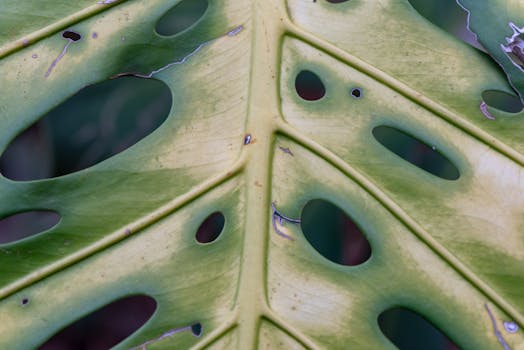
Quick Care Guide
Bright, indirect light (tolerates medium light)
When top inch of soil is dry (every 7-10 days)
Moderate to high (50-70%)
65-80°F (18-27°C)
Well-draining potting mix
Monthly during growing season
Keep away from cats, dogs, and children
Philodendron Brasil, with its stunning heart-shaped leaves adorned in vibrant shades of green and creamy variegation, is a true gem in the world of houseplants. This charming trailing plant not only adds a touch of lush beauty to any indoor space but is also relatively easy to care for, making it an excellent choice for both seasoned plant enthusiasts and beginners alike. Its ability to thrive in a variety of lighting conditions while maintaining a captivating aesthetic makes it a popular choice among plant lovers. In this comprehensive care guide, we’ll delve into the essential aspects of nurturing your Philodendron Brasil, ensuring it flourishes while showcasing those delightful variegated leaves.
Understanding the unique needs of your Philodendron Brasil is the first step to successful care. This plant thrives in bright, indirect light, yet it can also tolerate lower light levels, though with potential trade-offs in its striking variegation. Watering becomes a delicate dance, as these plants prefer their soil to remain consistently moist without becoming waterlogged. With the right attention to detail regarding humidity, temperature, and fertilization, your Philodendron Brasil will grow lush and vibrant, enriching your living space with its natural beauty.
In the following sections, we will explore each aspect of Philodendron Brasil care in depth, helping you create an environment where your plant can thrive and become a centerpiece in your home.
Getting to Know Your Plant
Philodendron Brasil, scientifically known as Philodendron hederaceum var. Brasil, is a member of the Araceae family, which includes several popular houseplants. This charming cultivar is characterized by its heart-shaped leaves that exhibit a stunning variegation of deep green with splashes of yellow and cream. The leaves can grow quite large, adding a dramatic touch to your indoor garden. As a trailing plant, it has a natural tendency to cascade over the edges of pots and shelves, creating a beautiful, lush display that can soften the lines of any room.
One of the many reasons Philodendron Brasil has become a beloved houseplant is its resilience and adaptability. It can thrive in a variety of indoor environments, making it an excellent option for those who may not have the ideal lighting conditions. Additionally, its low-maintenance nature means that even novice plant owners can enjoy this beautiful foliage without feeling overwhelmed.
Light Requirements
When it comes to light, Philodendron Brasil prefers bright, indirect sunlight. This lighting condition allows the plant to maintain its vibrant variegation, which is one of its most appealing features. However, it’s important to note that this plant is also quite forgiving and can tolerate medium light levels. In fact, if you’re working with a space that doesn’t receive a lot of natural light, Philodendron Brasil can still thrive, although you might notice a reduction in the striking white and yellow striping in the leaves over time.
If you find your plant losing its variegation or becoming leggy, it may be a signal that it needs more light. In this case, consider moving it closer to a window where it can receive filtered sunlight. Just be cautious of placing it in direct sunlight, as this can scorch the leaves and lead to unsightly brown patches. The ideal location for your Philodendron Brasil would be near an east-facing window or a spot with bright, indirect light for several hours each day.
Watering Guidelines
Watering is a crucial aspect of Philodendron Brasil care, and understanding its needs is essential for keeping your plant healthy. As a general rule, you should water your Philodendron Brasil when the top inch of the soil feels dry to the touch. This typically translates to watering every 7 to 10 days, but variations in environmental conditions such as humidity and temperature may affect this frequency.
These plants prefer consistently moist soil, but be cautious to avoid overwatering, as this can lead to root rot. A good practice is to check the soil moisture regularly and adjust your watering schedule as needed. If you notice that the leaves are drooping or turning yellow, it may be a sign of either underwatering or overwatering. In such cases, take a moment to assess the soil conditions and adjust your watering routine accordingly.
One effective way to water your Philodendron Brasil is to give it a thorough soak until water drains out of the bottom of the pot, ensuring that the entire root system is adequately hydrated. After watering, allow the excess water to drain completely to prevent the roots from sitting in stagnant moisture.
Soil and Potting Requirements
The foundation of healthy plant growth lies in the right soil and potting conditions. Philodendron Brasil thrives in a well-draining potting mix that allows excess water to escape while retaining enough moisture for the roots. A high-quality indoor potting mix or a blend specifically designed for houseplants will typically suffice. You can also create your own mix by combining equal parts of potting soil, perlite, and orchid bark, which will enhance drainage and aeration.
When repotting your Philodendron Brasil, choose a container that allows for adequate drainage. A pot with drainage holes is essential to prevent water from pooling at the bottom and compromising the health of your plant. If you notice that your plant has outgrown its current pot or if the roots are becoming crowded, it’s time to repot into a slightly larger container. The best time to do this is during the spring or early summer when the plant is actively growing.
Temperature and Humidity
Philodendron Brasil thrives in a warm environment, preferring temperatures between 65 and 80 degrees Fahrenheit (18 to 27 degrees Celsius). This temperature range mimics its native tropical habitat and provides the ideal conditions for healthy growth. It’s important to keep your plant away from drafts, sudden temperature changes, or cold windows, as these conditions can stress the plant and hinder its development.
Humidity is another critical factor for the well-being of Philodendron Brasil. These plants flourish in moderate to high humidity levels, ideally between 50% and 70%. If you live in a particularly dry climate or during winter months when indoor heating can lower humidity levels, consider using a humidifier to create a more suitable environment for your plant. Alternatively, you can group your plants together to create a microclimate or place a shallow tray filled with water and pebbles beneath your plant to increase humidity through evaporation.
Fertilizing Schedule
To ensure your Philodendron Brasil remains vibrant and healthy, regular fertilization during the growing season is essential. Feed your plant with a balanced, water-soluble fertilizer once a month from spring through early autumn when it is actively growing. A diluted liquid fertilizer formulated for houseplants will work well, providing the necessary nutrients to support robust growth and striking variegation.
Be cautious not to over-fertilize, as this can lead to salt buildup in the soil, which can harm the roots and affect the plant’s health. If you notice that the leaves are becoming yellow or showing signs of burn, it may be time to reduce the frequency or concentration of your fertilizer. During the dormant winter months, you can pause fertilization altogether, as the plant will not require as many nutrients during this time.
Propagation Methods
One of the most rewarding aspects of caring for Philodendron Brasil is the opportunity to propagate this beautiful plant. Propagation is a straightforward process and can be done through stem cuttings. To begin, select a healthy stem with at least one node, as this is where new roots will develop. Using clean, sharp scissors or pruning shears, cut the stem just below the node.
You can propagate Philodendron Brasil in water, which is a popular method for many plant enthusiasts. Simply place the cutting in a jar or container filled with water and ensure that the node is submerged while the leaves remain above the waterline. Change the water every few days to keep it fresh and to discourage bacterial growth. Within a few weeks, you should begin to see roots developing. Once the roots are a few inches long, you can transfer the cutting to a pot filled with soil.
Alternatively, you can propagate directly in soil by planting the cutting in a small pot filled with a well-draining potting mix. Keep the soil moist and provide a warm, humid environment, and new growth should appear in time. Regardless of the method you choose, propagation allows you to expand your collection or share the joy of Philodendron Brasil with friends and family.
Common Problems and Solutions
While Philodendron Brasil is generally a hardy plant, it can sometimes encounter issues that may affect its health. One common problem is the loss of variegation, which often indicates that the plant is not receiving enough light. If you notice that the leaves are becoming all green or the striking white and yellow striping is fading, consider moving your plant to a brighter location where it can receive more indirect sunlight.
Another issue that may arise is yellowing leaves. This can be a sign of overwatering or underwatering, so it’s essential to assess the soil moisture and adjust your watering habits accordingly. If the leaves are wilting or browning at the tips, it may indicate that the humidity levels are too low. Increasing humidity around your plant can help rectify this issue.
Pest infestations, while not common, can occur. Common pests that might affect Philodendron Brasil include spider mites and mealybugs. Regularly inspecting your plant for signs of pests and promptly treating infestations with insecticidal soap or neem oil can help keep your plant healthy and thriving.
Seasonal Care Adjustments
As the seasons change, so too do the needs of your Philodendron Brasil. During the warmer months of spring and summer, the plant thrives in the increased light and warmth. It’s essential to monitor its watering needs closely during this period, as higher temperatures may lead to faster evaporation and a need for more frequent watering. Additionally, this is the ideal time to fertilize your plant, providing it with the nutrients necessary for vigorous growth.
As autumn approaches and temperatures begin to drop, you should gradually reduce fertilization and allow the plant to enter a more dormant state. While your Philodendron Brasil can still thrive indoors, it’s important to be mindful of changes in humidity and temperature that may come with the season. If your home tends to be particularly dry during winter, consider implementing additional humidity measures to keep your plant comfortable.
In the winter months, be cautious of placing your Philodendron Brasil too close to cold drafts or heating vents. Maintaining a consistent temperature and humidity level will help your plant survive the colder season. As spring arrives, you can resume your regular care routine, giving your Philodendron Brasil the best chance to flourish once again.
In summary, caring for a Philodendron Brasil is a rewarding experience that can bring joy and beauty to your indoor space. With the right attention to light, watering, humidity, and other care requirements, your plant will thrive, showcasing its captivating variegation and lush foliage for years to come. By following this guide, you’ll be well-equipped to nurture your Philodendron Brasil and enjoy the many benefits it brings to your home.
Safety Note: Philodendron Brasil contains compounds that are toxic to cats, dogs, and humans if ingested. Keep plants out of reach of curious pets and small children. Contact a veterinarian or poison control center if ingestion occurs.
Frequently Asked Questions
How much light does Philodendron Brasil need? ▼
Bright, indirect light is ideal for maintaining variegation. It can tolerate medium light but may lose some white striping in very low light conditions.
How often should I water my Philodendron Brasil? ▼
Water when the top inch of soil feels dry, typically every 7-10 days. These plants prefer consistently moist but not waterlogged soil.
Why is my Philodendron Brasil losing its variegation? ▼
Loss of variegation usually indicates insufficient light. Move to a brighter location to encourage more white and yellow striping in new growth.
Can I propagate Philodendron Brasil in water? ▼
Yes! Philodendron Brasil propagates easily in water. Take stem cuttings with nodes and place in water, changing every few days until roots develop.
Is Philodendron Brasil toxic to pets? ▼
Yes, like all philodendrons, Brasil is toxic to cats and dogs if ingested. Keep out of reach of pets and children.
Was this guide helpful?
Your input helps us improve our guides.
How can we improve this guide?
Similar Plants You Might Like

Aglaonema Silver Bay Care Guide: Complete Instructions for Chinese Evergreen Beauty
Learn how to care for Aglaonema Silver Bay with our comprehensive guide covering light, watering, humidity, and maintaining stunning silver variegation in this easy-care houseplant.
Easy
Aloe Vera Care Guide: Complete Instructions for Aloe Barbadensis Miller
Learn how to care for Aloe Vera plants with our comprehensive guide covering light, watering, harvesting gel, and propagating pups for healthy growth.
Easy
Chinese Evergreen Care Guide: Complete Aglaonema Instructions
Learn comprehensive Chinese Evergreen (Aglaonema) care including light tolerance, watering, colorful varieties, and troubleshooting for this adaptable houseplant.
Easy