
English Ivy Care
Classic trailing vine with distinctive lobed leaves that purifies air and tolerates low light.
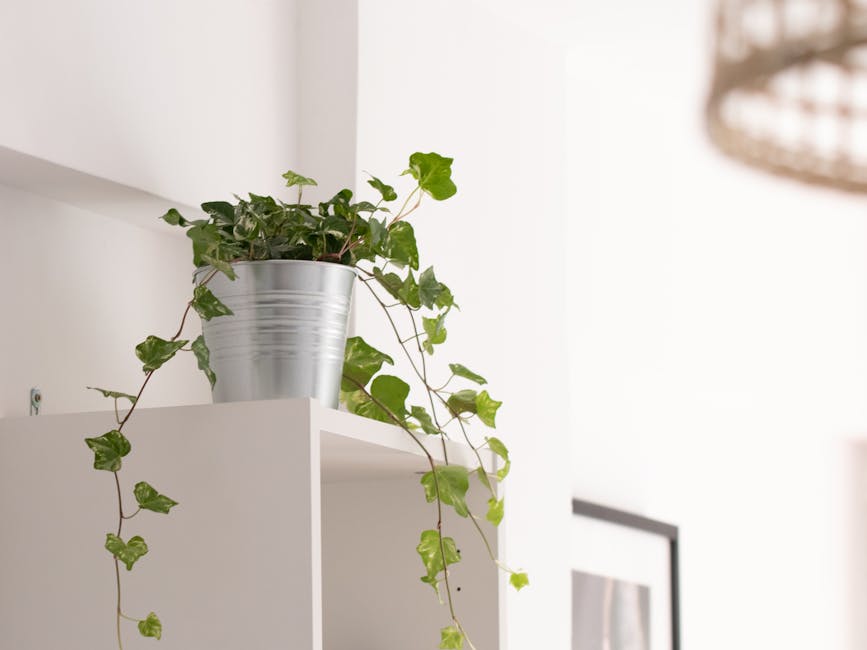
English Ivy is a classic houseplant with distinctive lobed leaves and trailing vines. It’s an excellent air purifier and one of the easiest vines to grow indoors.
Basic Care
Light: Adapts to medium or bright indirect light. Can tolerate some direct morning sun.
Water: Keep soil evenly moist but not soggy. Allow top inch to dry between waterings.
Growth: Fast-growing trailer that can reach several feet long. Provide support for climbing.
Temperature: Prefers cooler conditions. Can struggle in very warm rooms.
Training and Styling
English ivy is incredibly versatile for home decor:
As a trailing plant:
- Perfect for hanging baskets
- Cascades beautifully from shelves
- Creates elegant draping effects
As a climbing plant:
- Provide moss pole or trellis
- Will attach with aerial roots
- Creates living wall effects
- Great for covering unsightly areas
As a topiary:
- Can be trained into shapes
- Regular pruning maintains form
- Wire frames provide structure
- Popular for decorative displays
Air Purification Benefits
NASA studies show English ivy excels at removing:
- Formaldehyde: From furniture and carpets
- Benzene: From cleaning products
- Mold spores: Particularly effective air cleaner
- Ammonia: From household cleaners
This makes it excellent for:
- Bedrooms (improves air quality)
- Bathrooms (helps with mold)
- Laundry rooms (filters cleaning product fumes)
- Pet areas (removes odor-causing compounds)
Pest Prevention
English ivy is prone to spider mites, especially in winter:
Prevention strategies:
- Maintain humidity above 40%
- Rinse leaves weekly with lukewarm water
- Ensure good air circulation
- Avoid placing near heat sources
Early detection:
- Check undersides of leaves regularly
- Look for fine webbing
- Watch for stippled, yellowing leaves
- Act quickly at first signs
Varieties to Consider
Classic varieties:
- Hedera helix: Traditional green ivy
- Glacier: Green and white variegation
- Goldchild: Yellow and green patterns
Compact varieties:
- Needlepoint: Small, pointed leaves
- Spetchley: Tiny leaves, slow growing
- Duck Foot: Three-lobed leaves
Colorful varieties:
- Buttercup: Yellow-green coloring
- Kolibri: White and green variegation
- Shamrock: Light green with dark veins
Propagation Made Easy
English ivy roots incredibly easily:
- Cut 4-6 inch stems with at least 2 nodes
- Remove lower leaves to prevent rot
- Place in water or moist potting soil
- Keep humid until roots develop (1-2 weeks)
- Transplant when roots are 1-2 inches long
Seasonal Care Notes
Summer care:
- May benefit from outdoor shade placement
- Increase watering frequency
- Watch for heat stress
- Provide extra humidity
Winter challenges:
- Spider mites more common in dry indoor air
- Reduce watering frequency
- Maintain humidity with humidifier or trays
- Keep away from heating vents
Important Safety Note
While beautiful, English ivy contains saponins that are toxic to pets and children. Place out of reach and seek veterinary or medical attention if ingestion occurs.
Outdoor caution: In many regions, English ivy is considered invasive outdoors. Keep it as a houseplant only or check local regulations before planting outside.
Frequently Asked Questions
Why does my English ivy get spider mites? ▼
Spider mites love warm, dry conditions. Increase humidity and rinse leaves regularly to prevent infestations.
Can English ivy be grown outdoors? ▼
In temperate climates, yes, but it can become invasive. Keep it contained in pots or check local regulations.
How fast does English ivy grow? ▼
Quite fast! Vines can grow several feet per year in good conditions, making regular pruning necessary.
Explore Related Topics
Was this guide helpful?
Your input helps us improve our guides.
How can we improve this guide?
Similar Plants You Might Like
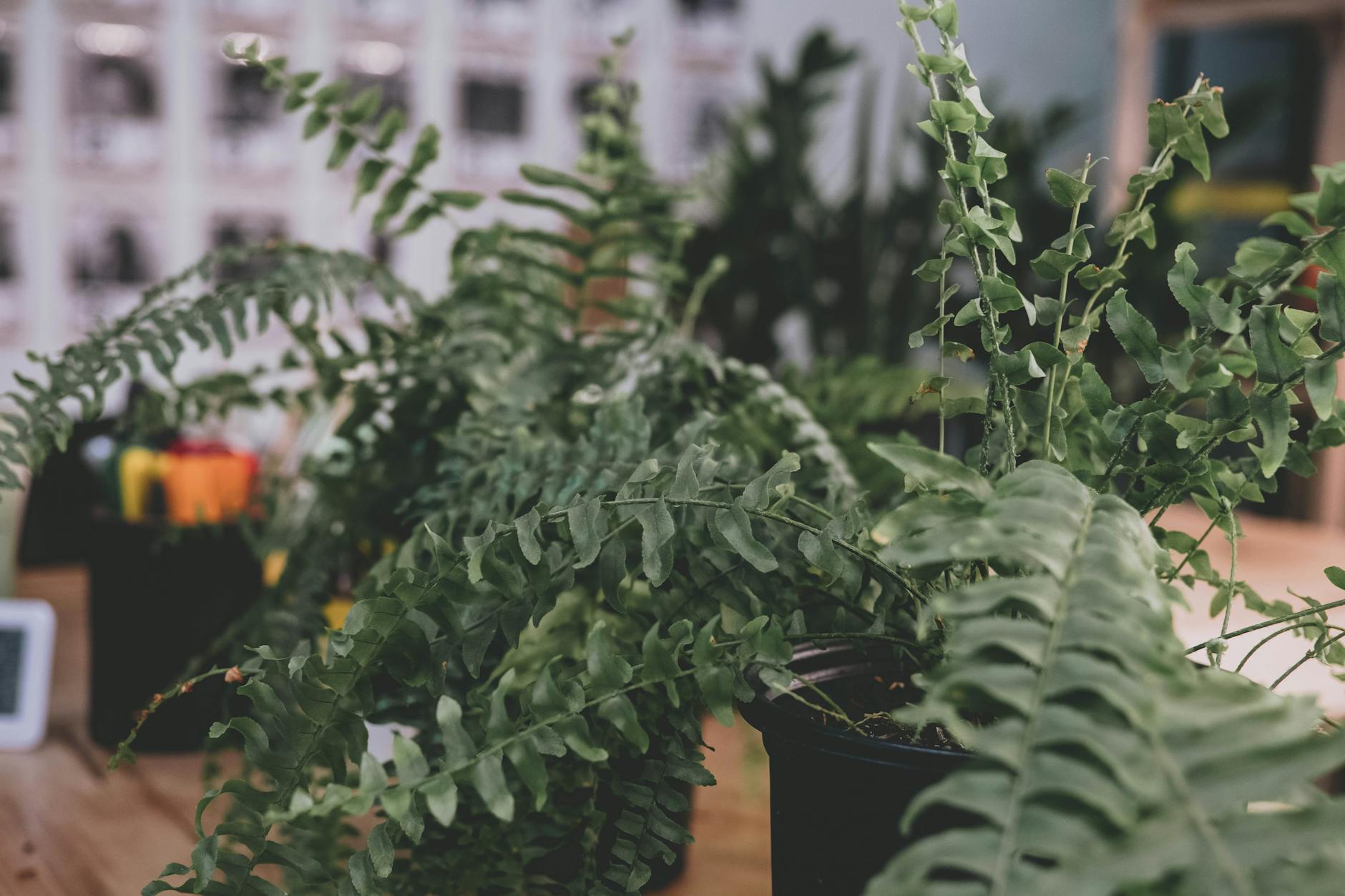
Boston Fern Care Guide: Complete Instructions for Nephrolepis Exaltata
Learn how to care for Boston Ferns with our comprehensive guide covering humidity, watering, light requirements, and maintaining lush, cascading fronds indoors.
Moderate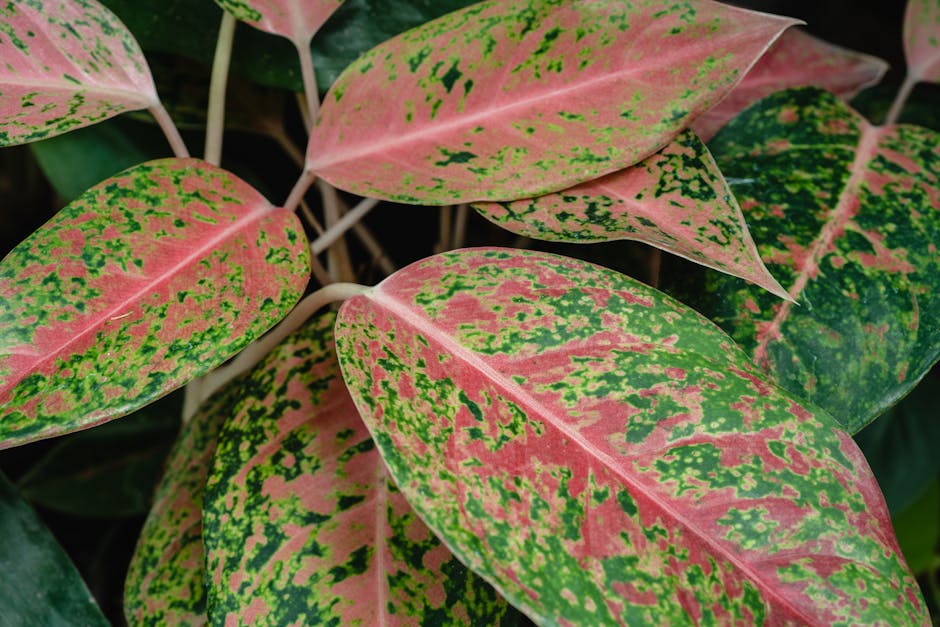
Chinese Evergreen Care Guide: Complete Aglaonema Instructions
Learn comprehensive Chinese Evergreen (Aglaonema) care including light tolerance, watering, colorful varieties, and troubleshooting for this adaptable houseplant.
Easy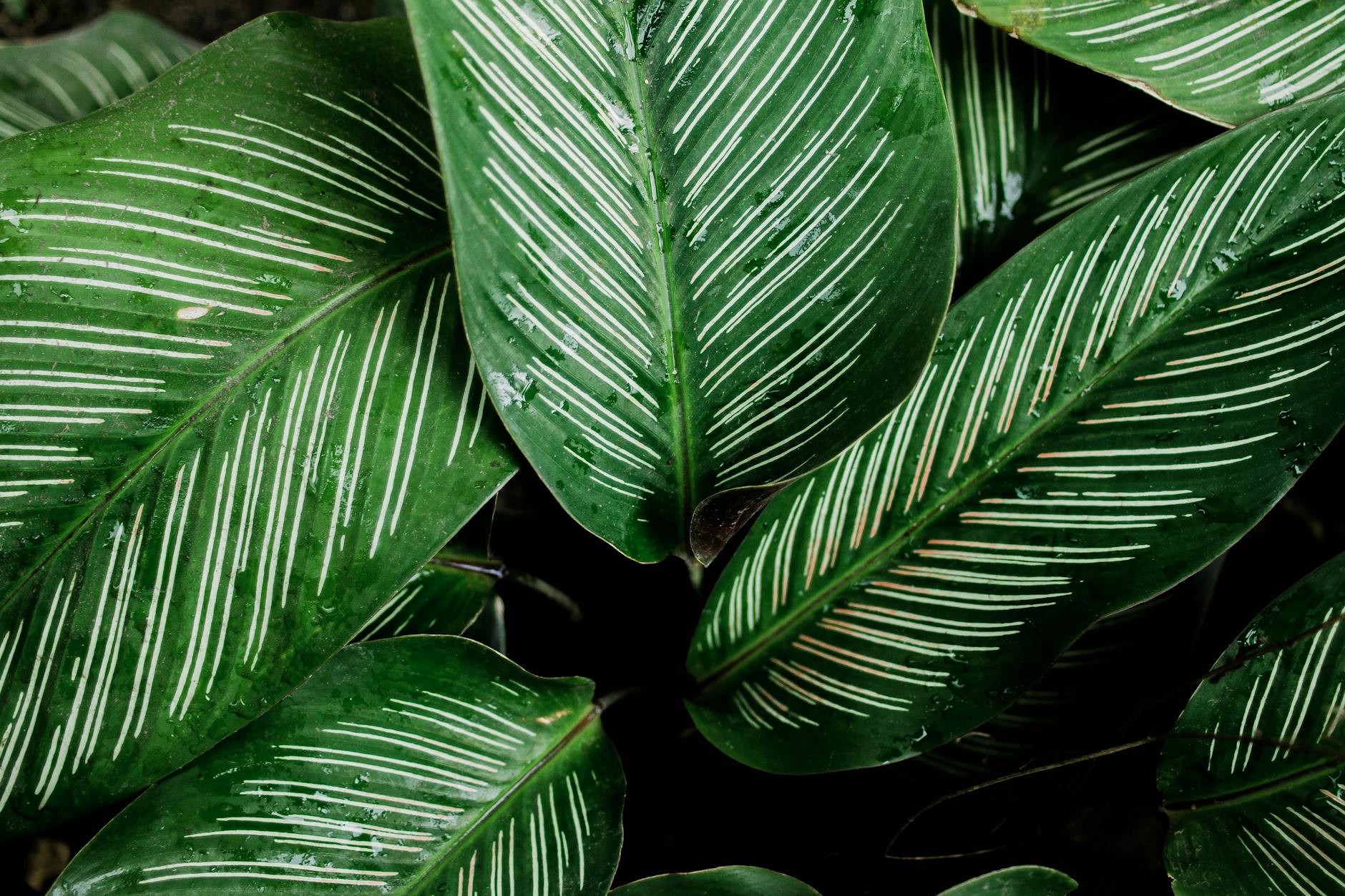
Calathea Care Guide: Complete Instructions for Prayer Plants
Learn how to care for Calathea plants with our comprehensive guide covering humidity, watering, light requirements, and maintaining beautiful patterned foliage.
Moderate